


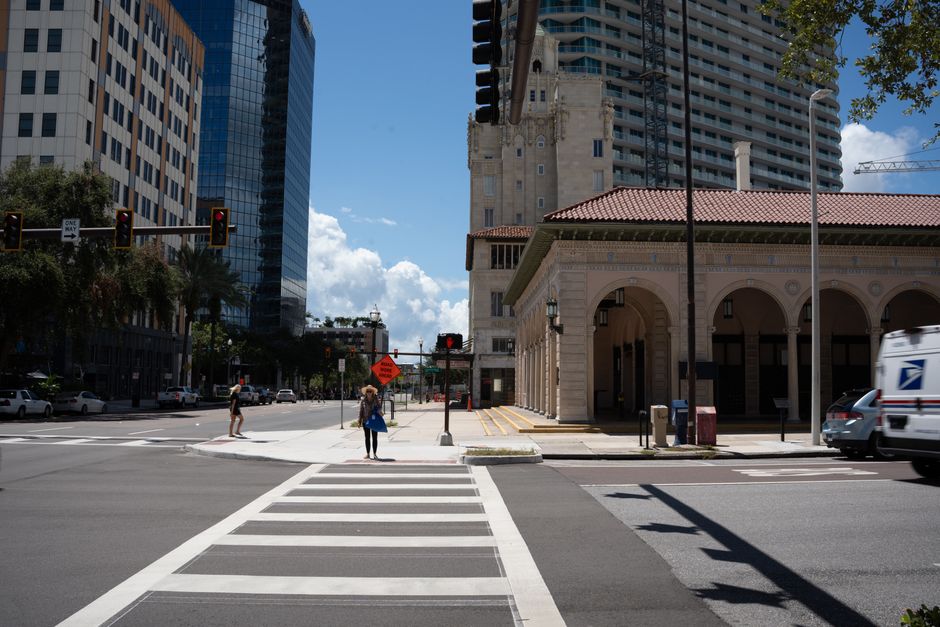
The Resilience of the Tampa Luxury Sector
As we navigate the midpoint of 2026, the Tampa luxury real estate market continues to demonstrate a decoupled trajectory from the broader national housing trend. While other tier-one metropolitan areas have seen a softening of demand due to fluctuating interest rates and shifting corporate footprints, the appetite for high-end residential assets in Hillsborough County remains robust. According to recent reporting, Tampa’s luxury home prices saw the highest increase in the U.S., a testament to the persistent inflow of high-net-worth individuals prioritizing the Gulf Coast’s tax advantages and infrastructure growth. This is not a speculative bubble but a fundamental realignment of value driven by scarcity and a sophisticated buyer profile that views real estate as a multi-generational hedge.
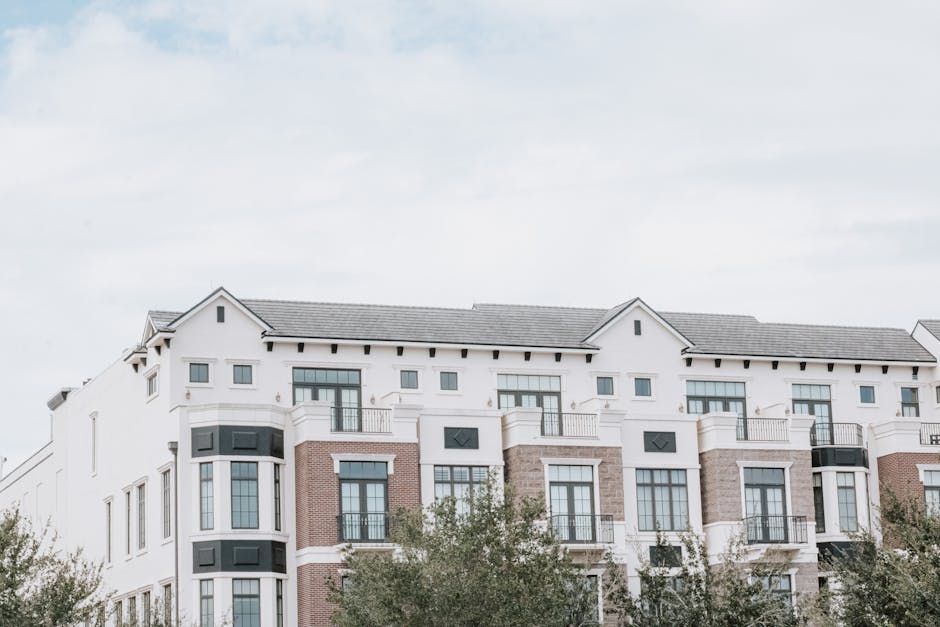
Currently, the market floor for what is considered a true luxury asset has shifted significantly. With a median list price now hovering at $2,275,000 and the average stretching toward $2,997,096, the entry point for premium neighborhoods requires a more calculated approach than in previous cycles. Buyers are no longer merely looking for square footage; they are analyzing the intrinsic value of the land and the quality of the build. For those looking to secure a position in this competitive landscape, it is essential to browse current luxury listings to understand how pricing varies between the historic streets of Hyde Park and the modern verticality of Water Street.
The strength of this market is further underscored by the fact that Tampa Bay’s luxury segment continues to grow even as national metrics suggest a broader cooling. Local data suggests that despite a wider inventory of 120 active luxury units, the velocity for correctly priced properties remains high. This resilience is often cited in industry analyses, noting that Tampa Bay’s luxury market grows stronger despite national declines, providing a stable environment for capital preservation and long-term appreciation.
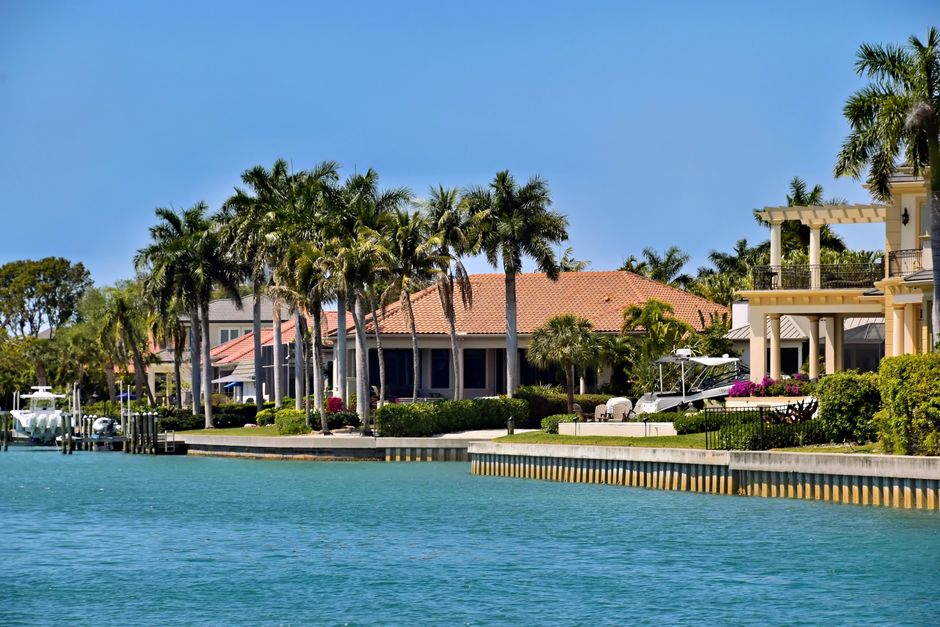
Navigating Inventory Constraints and Market Velocity
A critical factor for the 2026 buyer is the management of expectations regarding inventory. While 120 active listings may seem like a healthy pool, the reality is that the most desirable properties—particularly those on Davis Islands or along the Bayshore Boulevard corridor—often move in off-market transactions or within the first 72 hours of listing. The current average list price of nearly $3,000,000 reflects a high concentration of custom-built estates and renovated historical properties that rarely require price concessions. Savvy investors are moving away from the ‘wait and see’ mentality, recognizing that the cost of delay often exceeds the cost of a slightly higher entry price.
Buyer behavior has evolved to favor transparency and speed. We are seeing a significant increase in cash-dominant offers and a reduction in contingency periods for homes priced above the $2.5 million mark. This shift necessitates having a dedicated advisor who can provide pre-market intelligence. For example, commercial-to-residential transitions are becoming a new avenue for luxury development. Insights from experts on how commercial real estate can navigate housing deals indicate that the lines between asset classes are blurring, creating unique opportunities for those who understand the planning and zoning nuances of the Tampa area.
Understanding the micro-movements of neighborhoods like Beach Park or Culbreath Isles is paramount. These areas offer a level of privacy and lot size that is becoming increasingly rare. When a property like the estate on N Grady Avenue enters the market at $1,550,000, it represents a specific value play within the broader luxury context, often serving as a gateway for buyers looking to customize a home in a high-appreciation zone. Analyzing these price points requires a deep understanding of the local landscape and the specific requirements of the modern affluent family.
Geographic Specificity and Neighborhood Nuance
The geography of Tampa’s luxury market is defined by its distinct pockets, each offering a different value proposition. Davis Islands remains the pinnacle for those seeking deep-water access and proximity to the urban core, while Beach Park offers a more secluded, canopy-lined environment. Unlike generic market reports, a senior advisor looks at the ‘why’ behind the movement. The demand in areas like Palma Ceia is driven as much by its walkability and the presence of the Palma Ceia Golf and Country Club as it is by the architectural integrity of its homes. There is a tangible shift toward neighborhoods that offer a balanced lifestyle, blending residential quietude with immediate access to the city’s burgeoning culinary and cultural scene.
It is important to note that the luxury market in Florida is also being shaped by broader state-wide trends, including tax shifts and a record number of high-end listings appearing across the peninsula. Reports from MSN on Florida’s luxury real estate surge highlight how the migration of wealth from high-tax states continues to provide a steady floor for pricing. In Tampa, this manifests as a consistent demand for properties that can serve as primary residences while offering the amenities of a high-end resort, such as integrated smart-home technology and expansive outdoor living spaces.
For those considering a move into the area, the decision often comes down to the specific ‘feel’ of a neighborhood. Whether it is the historic charm of a bungalow in Old Seminole Heights that has been meticulously expanded or a sleek, glass-fronted condo on Harbor Island, the choices are varied. To discuss the specific nuances of these areas and how they align with your portfolio goals, we recommend that you contact an advisor today for a private consultation. This tailored approach ensures that your acquisition aligns with both your lifestyle needs and your long-term financial objectives.
The Strategic Acquisition Checklist
Evaluating a multi-million dollar property requires a more rigorous due diligence process than a standard residential purchase. In the current 2026 climate, where high-end inventory is diverse, the following checklist serves as a baseline for any serious acquisition strategy in the Tampa market:
- Verify seawall and dockage integrity for all waterfront properties on Davis Islands or Beach Park.
- Assess the impact of recent and planned commercial developments in the Water Street and Westshore districts.
- Confirm historical designation status for properties in Hyde Park to understand renovation limitations.
- Evaluate the elevation certificate and recent mitigation efforts against the latest flood zone mapping.
- Review the last 24 months of hyper-local comparable sales, focusing on price-per-square-foot of finished space.
- Investigate the proximity to elite private educational institutions and the typical morning commute duration.
This checklist is not exhaustive but highlights the critical areas where many buyers fail to perform adequate research. For instance, the difference between a property that is ‘renovated’ and one that is ‘restored to modern standards’ can mean hundreds of thousands of dollars in future maintenance costs. In a market where the average sale price is nearing $3 million, these details are the difference between a sound investment and a costly mistake.
Macro-Economic Influences and Tax Migration
The influx of capital into Tampa is not merely a regional phenomenon; it is a reflection of a larger shift in the American economic landscape. The lack of state income tax in Florida remains a primary driver for corporate relocation and high-earner migration. This trend has been consistent, with many of Tampa Bay’s most expensive luxury home sales of 2025 setting the stage for the price levels we are seeing now. As long as the tax differential exists between Florida and states like New York or California, the upward pressure on Tampa’s luxury assets will persist.
Furthermore, the diversification of Tampa’s economy—from healthcare and finance to a growing tech sector—provides a stability that was absent in previous decades. This economic maturity means that the luxury market is less susceptible to the volatility of any single industry. Buyers are now looking at Tampa as a permanent home rather than a seasonal retreat. This shift is reflected in the design of newer properties, which increasingly feature dedicated home offices, multi-car climate-controlled garages, and sophisticated security systems designed for year-round occupancy.
We are also seeing a rise in the use of sophisticated financing structures, even among the ultra-wealthy. While cash is still king, the use of asset-backed lending and creative financing for properties like the $2.3 million listing on W Waters Avenue allows buyers to maintain liquidity while securing a prime piece of real estate. This level of financial sophistication requires a brokerage that understands the complexities of high-net-worth transactions and can coordinate with legal and tax professionals to ensure a seamless closing process.
Analyzing the $2.9 Million Price Bracket
At the current average list price of approximately $2.9 million, the expectations for a property are exceptionally high. In this bracket, buyers expect a level of finish and amenity that goes beyond the standard. We are talking about bespoke cabinetry, imported stone, and integrated wellness suites. A notable example in the current inventory is the commercial/residential potential of properties like 718-722 W Dr. Martin Luther King Jr. Boulevard, listed at $2,900,000. These types of listings represent a hybrid opportunity for the investor-occupant who sees the long-term value in the city’s westward expansion.
Price discovery at this level is more art than science. It requires a deep dive into the specific amenities that add value. Does the property have a hidden butler’s pantry? Is the pool salt-water with integrated heating and cooling? Are the windows hurricane-impact rated to the highest specification? These details matter. The market at $3 million is discerning, and properties that fail to meet these standards often sit on the market, while those that exceed them trigger bidding wars. This is why having a senior advisor who can dissect the build quality is more important than ever.
The cultural infrastructure surrounding these high-end neighborhoods also plays a significant role in valuation. A property is only as valuable as its surroundings, and Tampa’s investment in its downtown and riverfront areas has paid dividends for nearby homeowners. The proximity to the Straz Center for the Performing Arts or the Tampa Museum of Art adds a layer of lifestyle value that is difficult to quantify but easy to recognize in the final sale price of a home. Buyers are investing in a community, not just a house.
Cultural Infrastructure and Long-term Value
Finally, the long-term value of Tampa luxury real estate is intrinsically tied to the city’s cultural and social evolution. The 2026 season has already seen a surge in high-profile events that draw an international audience. From Wicked performances and Broadway Unhinged to the high-culture offerings of Puccini’s La Bohème, the city is no longer a sleepy coastal town. It is a cosmopolitan hub that rivals its northern counterparts in artistic depth. This cultural maturity is a key indicator for luxury buyers who want to ensure their lifestyle is not compromised when moving from a city like Chicago or Boston.
Even the weather, which remains consistently warm with mid-90s temperatures expected through June, plays into the lifestyle of the Tampa elite. The ability to enjoy outdoor living year-round is a primary draw, provided the home is designed to handle the Florida climate efficiently. Modern luxury builds now prioritize high-efficiency HVAC systems and LEED-certified materials, ensuring that the home is as sustainable as it is beautiful. This focus on longevity and efficiency is a hallmark of the current acquisition cycle.
The convergence of tax advantages, economic growth, and cultural expansion makes the 2026 Tampa luxury market one of the most compelling in the country. For the serious buyer, the path forward is clear: focus on quality, understand the hyper-local data, and move with confidence when the right asset appears. To start your search for the perfect estate, view our curated selection of luxury homes and speak with a private advisor to begin the next chapter of your real estate journey in Tampa.
Your next move in Tampa luxury
Get current inventory, pricing guidance, and private-tour support from our brokerage team.
Source highlights
- How Commercial Real Estate Can Navigate Tampa Bay Housing Deals, From Affordable To Luxury – Bisnow
- Luxury home prices are surging fastest in these 7 U.S. cities in 2026 – qz.com
- Tampa Bay’s most expensive luxury home sales of 2025 – Tampa Bay Times
- Tampa’s luxury home prices saw highest increase in U.S.: Redfin – AOL.com
- Tampa Bay luxury market grows stronger despite national declines – The Business Journals
- Florida luxury real estate surges amid record listings, tax shifts – MSN
- Tampa Bay area events this weekend: A 'Wicked' performance, Broadway Unhinged and cliff diving – WUSF
- Things to do with kids this weekend in Tampa, FL – That's So Tampa


