


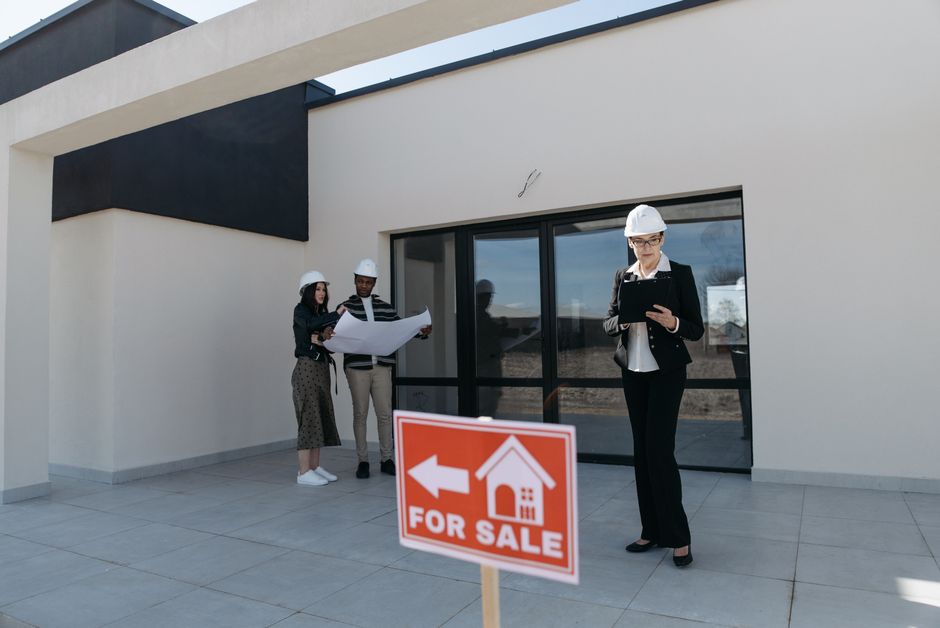
The Evolution of Tampa’s Luxury Real Estate Value
As we move through the second quarter of 2026, the Tampa luxury real estate sector continues to demonstrate a unique resilience that separates it from broader national trends. While many metropolitan areas have seen a stabilization or slight cooling of high-end valuations, Tampa has maintained a trajectory of growth driven by sustained domestic migration and a tightening of quality inventory. The current market features a median list price of approximately $2,272,925, yet the average list price nearing $3,000,000 suggests a significant concentration of ultra-high-end assets currently available for acquisition.
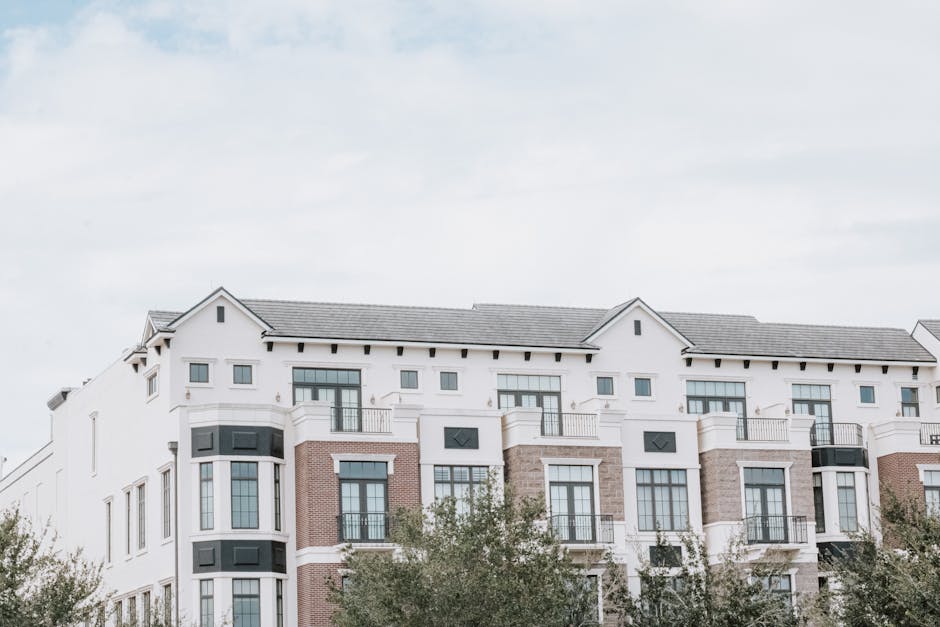
Sophisticated buyers are no longer viewing Tampa as merely a secondary Florida market; it has matured into a primary destination for capital preservation. This shift is evidenced by the types of properties entering the market, such as the multi-lot opportunities on West Dr. Martin Luther King Jr. Boulevard and substantial residential estates in North Grady Avenue. These listings reflect a market where land value and redevelopment potential are increasingly prioritized over turnkey aesthetics. The movement of capital into these specific corridors indicates a long-term belief in the appreciation of the city’s geographical core.
Understanding this evolution requires a departure from traditional market metrics. In 2026, the focus has shifted toward site-specific advantages—elevation, proximity to the evolving waterfront, and the quality of surrounding infrastructure. Buyers who entered the market three years ago are now seeing substantial equity gains, which in turn fuels the current cycle of trade-up activity. This internal churn, combined with external demand, has created a competitive floor for pricing that shows little sign of retracting in the near term.
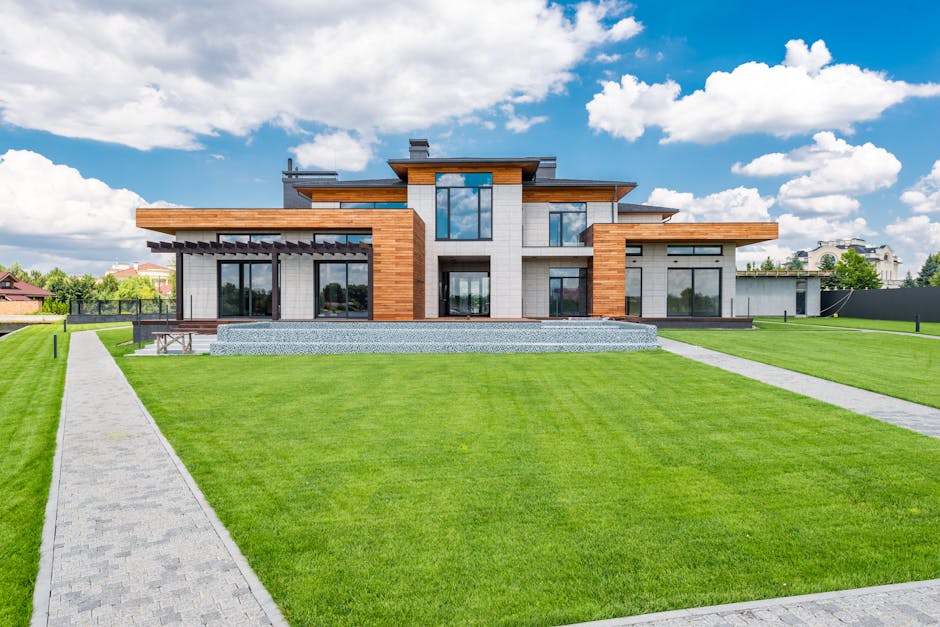
The South Tampa Scarcity Principle
South Tampa remains the epicenter of luxury demand, characterized by a persistent imbalance between supply and demand. Neighborhoods like Hyde Park, Davis Islands, and Palma Ceia continue to command the highest price-per-square-foot ratios in the region. The architectural diversity here—ranging from historic Mediterranean Revivals to ultra-modern waterfront builds—provides a level of character that newer developments often struggle to replicate. However, the scarcity of available land means that many buyers are now competing for teardown opportunities or extensive renovations to secure a foothold in these prestigious areas.
On Davis Islands specifically, the market has moved beyond the ‘resort’ feel to become a permanent enclave for high-net-worth individuals who prioritize privacy and water access. The inventory here is tightly held, with off-market transactions becoming more common as sellers seek to avoid the public spotlight. For those looking at active opportunities, it is essential to distinguish between traditional canal-front properties and those offering direct open-bay views, as the valuation gap between the two has widened significantly over the past twelve months.
Further north, the Westshore and Beach Park areas are benefiting from their proximity to the business district while offering larger lot sizes than the more dense urban core. We are seeing a trend where buyers are willing to trade the walkability of Hyde Park for the additional acreage and privacy found in these mature neighborhoods. This regional shift highlights a growing preference for ‘compound’ style living, where home offices, wellness suites, and expansive outdoor living areas are treated as essential requirements rather than elective upgrades.
Commercial Migration and Residential Ripple Effects
The synergy between commercial development and residential luxury cannot be overstated in the current Tampa landscape. Major mixed-use projects are not only changing the skyline but are also redefining the lifestyle expectations of the affluent buyer. According to research on how commercial real estate navigates Tampa Bay housing deals, the influx of corporate headquarters and upscale retail is a direct catalyst for residential price appreciation. When a major firm relocates to the Westshore or Downtown districts, the demand for high-end housing within a ten-minute commute spikes almost immediately.
This commercial-to-residential pipeline is particularly visible in the Water Street and Channel District areas. What were once industrial or underutilized zones have been transformed into high-density luxury hubs. For the investor-minded buyer, these areas offer a different value proposition: the ease of high-rise living combined with immediate access to Michelin-starred dining and premium office space. This urban shift is attracting a younger demographic of wealth that prioritizes mobility and amenities over the traditional suburban estate model.
Furthermore, the development of luxury hospitality brands in the city has elevated the standard for residential services. Buyers now expect concierge-level management, advanced security systems, and integrated smart-home technology as a baseline. The presence of these commercial anchors provides a level of economic stability that protects residential values during periods of national volatility. It is a symbiotic relationship where the success of the commercial sector provides the necessary infrastructure for the luxury residential market to thrive.
National Comparisons: Why Tampa Outperforms
Tampa’s performance in 2026 has caught the attention of national analysts, often outstripping traditional luxury strongholds like Miami or Naples in terms of percentage growth. Reports indicate that luxury home prices are surging fastest in a select few U.S. cities, with Tampa frequently topping these lists. This is not a speculative bubble but rather a fundamental repricing of the city’s value. When compared to the cost of equivalent waterfront property in California or the Northeast, Tampa still offers a compelling relative value, even at today’s record-high prices.
Data from Redfin, as noted in recent analysis of Tampa’s price increases, confirms that the city saw the highest luxury price growth in the U.S. over the past year. This growth is underpinned by Florida’s broader economic appeal, including favorable tax shifts and a pro-business environment that continues to attract residents from high-tax states. These macro-economic factors provide a tailwind for the real estate market that transcends local seasonal trends.
The influx of out-of-state capital has also changed the negotiation landscape. We are seeing a higher percentage of cash transactions and fewer contingencies, reflecting a buyer pool that is both well-capitalized and decisive. For local sellers, this means a faster time-to-close; for buyers, it means that a strong, clean offer is often more important than the final sale price. Navigating this environment requires a deep understanding of current comparables and the ability to act swiftly when a high-quality asset becomes available.
The Strategic Acquisition Checklist
Navigating the current inventory requires a disciplined approach to ensure that a purchase aligns with both lifestyle needs and long-term investment goals. With approximately 120 active luxury listings currently on the market, the challenge is not finding a property, but identifying the one that offers the best risk-adjusted return. This involves looking beyond the surface-level finishes and evaluating the underlying fundamentals of the site and the structure.
- Verify the elevation and flood zone status to understand long-term insurance implications.
- Analyze the recent sales data for the immediate three-block radius to establish a realistic valuation floor.
- Assess the proximity to upcoming commercial or infrastructure projects that could impact future traffic patterns or property values.
- Evaluate the potential for future expansion or renovation, especially in protected historic districts.
- Review the current homestead and property tax status, considering the recent Florida tax shifts affecting high-value listings.
- Confirm the availability of specialized amenities, such as deep-water dockage or specific LEED certifications.
Each of these points serves as a filter to narrow the search to properties that offer genuine value. In a market where the average list price is nearing $3,000,000, the margin for error in due diligence is slim. Working with an advisor who understands the nuances of specific Tampa neighborhoods can be the difference between a successful acquisition and a costly oversight. The goal is to move beyond the ‘market rate’ and find the ‘market advantage.’
Cultural Infrastructure and Long-Term Stability
Beyond the financial metrics, the strength of the Tampa luxury market is tied to the city’s burgeoning cultural scene. The investment in public spaces, arts organizations, and community events has created a metropolitan environment that rivals more established tier-one cities. Whether it is a Wicked performance or Broadway Unhinged in the city, the availability of high-caliber entertainment is a major draw for the luxury demographic. These events are not just weekend activities; they are indicators of a city with a robust and active professional class.
This cultural maturity supports property values by ensuring that Tampa remains a desirable place to live year-round, not just during the winter months. The consistent schedule of festivals, concerts, and professional sporting events provides a social framework that integrates residents into the community. For many buyers, the proximity to the Straz Center, the Tampa Museum of Art, or the Amalie Arena is just as important as the number of bedrooms or the size of the garage. It is about being part of a city that is actively investing in its own future.
The growth of the culinary scene, particularly in neighborhoods like Seminole Heights and Water Street, further reinforces this trend. We are seeing a decentralization of luxury, where high-end residential pockets are emerging around specific cultural or gastronomic hubs. This provides buyers with more options and allows them to choose a neighborhood that reflects their personal interests and lifestyle. As Tampa continues to evolve, this cultural infrastructure will remain a cornerstone of its residential appeal, providing a level of ‘soft power’ that maintains high demand across all luxury segments.
Evaluating Opportunities in Current Inventory
As we look at the remainder of 2026, the strategy for luxury buyers should be one of informed opportunism. While the market is competitive, the current volume of 120 active listings provides enough breadth for buyers to be selective. Focus on properties that offer unique architectural value or superior lot positioning—assets that are difficult to replicate regardless of market conditions. Examples like the $2.3 million opportunity on West Waters Avenue represent the entry point for significant estate-sized holdings, while the $2.9 million multi-lot listing on MLK Blvd offers a strategic play for those looking at future development or expansion.
Success in this market requires more than just browsing photos online. It demands a boots-on-the-ground understanding of how one street differs from the next and how a new development three miles away will affect your property’s value in five years. The role of a private advisor has never been more critical, serving as a filter for the noise of the market and a guide to the opportunities that actually make sense. By focusing on data, neighborhood-level implications, and practical takeaways, buyers can navigate the Tampa luxury landscape with confidence.
To truly understand the nuances of the current market and identify which assets align with your portfolio, it is essential to view the available inventory through a professional lens. We invite you to browse our current luxury listings to see the quality of properties available. When you are ready for a more detailed analysis or a private tour of a specific estate, please contact an advisor to discuss your requirements. Our focus is on providing the specific, actionable guidance needed to secure your position in Tampa’s most exclusive neighborhoods.
Your next move in Tampa luxury
Get current inventory, pricing guidance, and private-tour support from our brokerage team.
Source highlights
- How Commercial Real Estate Can Navigate Tampa Bay Housing Deals, From Affordable To Luxury – Bisnow
- Luxury home prices are surging fastest in these 7 U.S. cities in 2026 – qz.com
- Tampa Bay luxury market grows stronger despite national declines – The Business Journals
- Tampa’s luxury home prices saw highest increase in U.S.: Redfin – AOL.com
- Florida luxury real estate surges amid record listings, tax shifts – MSN
- Tampa Bay’s most expensive luxury home sales of 2025 – Tampa Bay Times
- Things To Do In Tampa This Weekend: Fun Festivals & Events In Tampa This Weekend – That's So Tampa
- Tampa Bay area events this weekend: A 'Wicked' performance, Broadway Unhinged and cliff diving – WUSF


