


The Divergence of Tampa’s High-End Market
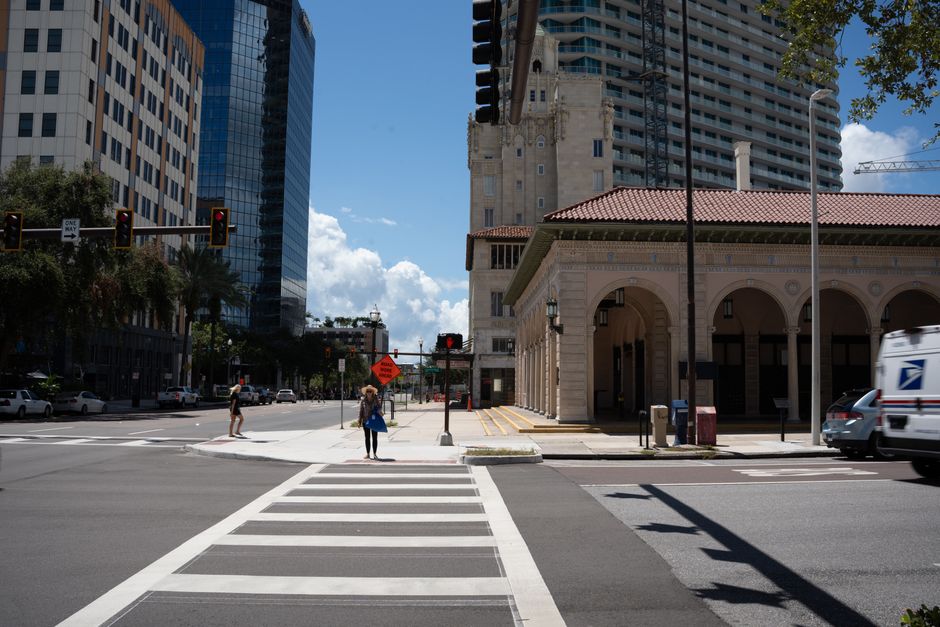
As we navigate the middle of 2026, the Tampa luxury real estate sector continues to exhibit a remarkable divergence from broader national trends. While many Tier 1 markets across the United States have seen a stabilization or even a slight contraction in pricing, the Gulf Coast of Florida remains an outlier. Recent data indicates that Tampa’s luxury home prices have seen some of the highest increases in the country, a trend corroborated by analysis from Redfin via AOL. This sustained appreciation is not merely a byproduct of general inflation but is driven by a fundamental shift in how affluent buyers view the Tampa Bay region as a long-term capital preservation play.
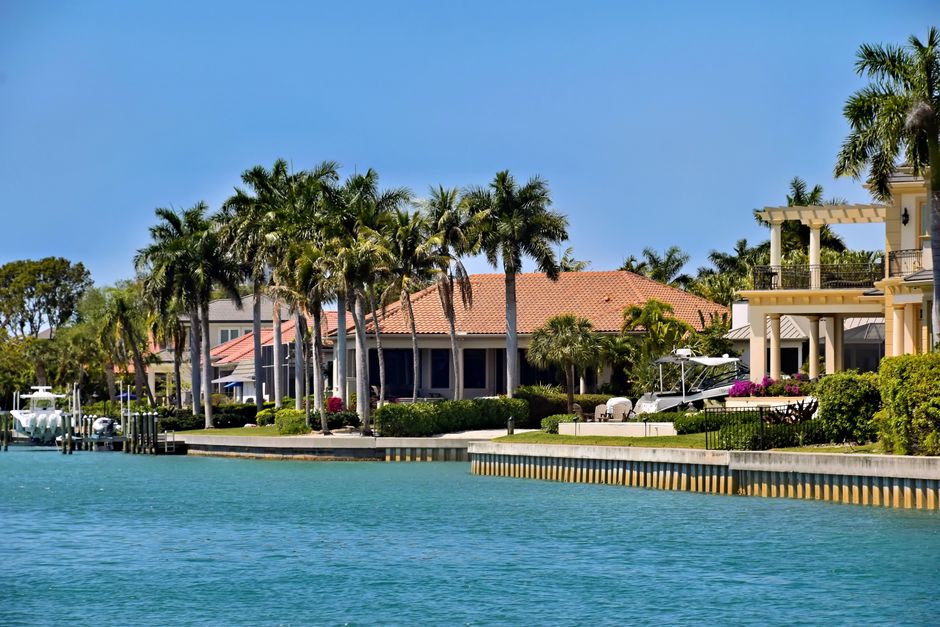
The resilience of this market is further evidenced by its ability to grow stronger even as other regions face headwinds. According to reports in The Business Journals, the Tampa Bay luxury market has maintained its momentum through a combination of low inventory and a steady influx of high-net-worth individuals from the Northeast and Midwest. For the local buyer advisor, the current climate requires a sophisticated understanding of micro-neighborhood movements rather than a reliance on broad metropolitan averages. We are seeing a market where quality is being rewarded with significant premiums, often irrespective of broader interest rate fluctuations.
Institutional interest in the region has also reached a new threshold. The intersection of commercial and residential development is creating high-value pockets in areas previously overlooked by the luxury consumer. This synergy is essential for buyers to understand, as the appreciation of a residential asset in 2026 is increasingly tied to the commercial infrastructure surrounding it. Analyzing the flow of capital into local infrastructure and mixed-use projects provides a clearer picture of where the next cycle of value will be concentrated, moving beyond the traditional waterfront enclaves into more integrated urban environments.
Inventory Dynamics and the Valuation Gap
Current market inventory remains tight, with approximately 120 active luxury listings across the core Tampa area. This scarcity has pushed the median list price to a robust $2,275,000, while the average list price has climbed toward the $3,000,000 mark. When evaluating assets like the recent $2,900,000 offerings in West Tampa or the $2,300,000 price points in established corridors like Waters Avenue, it is clear that the floor for what constitutes a luxury asset has shifted. Buyers must now differentiate between “market-priced” inventory and “value-aligned” properties that offer long-term architectural or location-based advantages.
The valuation gap between turnkey properties and those requiring modernization has widened significantly. In high-demand areas like South Tampa and Davis Islands, buyers are increasingly willing to pay a premium for immediate occupancy to avoid the complexities of current construction timelines. However, for the strategic investor, the opportunities often lie in the land value itself. We are seeing substantial activity in the acquisition of older structures for their prime lots, particularly in neighborhoods where the inventory of luxury homes for sale is most constrained. Understanding the cost-to-value ratio of these acquisitions is the primary challenge in the current quarter.
Furthermore, the profile of the active luxury listing has evolved. We are seeing a move away from sprawling, high-maintenance estates toward more streamlined, high-tech residences that prioritize security and efficiency. This shift is reflected in the pricing of smaller, modern footprints that often command a higher price per square foot than traditional mansions. Sophisticated buyers are prioritizing the quality of the finish and the integrity of the build over raw square footage, a trend that is reshaping the development landscape in neighborhoods like Beach Park and Hyde Park.
The Intersection of Commercial and Residential Interests
One of the most significant drivers of the 2026 market is the blurring line between commercial and residential real estate strategies. As highlighted by Bisnow, the way commercial real estate navigates housing deals—from affordable to luxury—is providing a roadmap for residential appreciation. The development of new corporate headquarters and high-end retail districts in the Westshore and Downtown areas is creating a localized ecosystem of wealth that supports residential values independently of the broader economy.
This commercial influence is particularly evident in the Water Street and Downtown sectors. The infusion of capital into high-end hospitality and office space has catalyzed a demand for nearby residential units that offer a similar level of service and amenity. For the luxury buyer, this means that proximity to these commercial hubs is no longer just a convenience but a critical component of the property’s future resale value. We are advising clients to look closely at the permitting of nearby commercial projects as a lead indicator for residential appreciation, as these developments often precede a localized spike in demand.
Moreover, the rise of the “work-from-anywhere” executive has turned the primary residence into a multi-functional asset. Properties that feature dedicated, sound-insulated office suites and integrated high-speed connectivity are commanding shorter days-on-market. This trend is not new, but the level of sophistication required in these features has increased. A simple home office is no longer sufficient; the modern luxury buyer expects an environment that mirrors a professional corporate suite, further reinforcing the link between commercial design standards and high-end residential expectations.
Evaluating a Tampa Luxury Acquisition
When assessing a potential acquisition in the current environment, several factors must be weighed with more scrutiny than in previous cycles. The rapid appreciation seen over the last 24 months has created a landscape where some properties may be priced based on future expectations rather than current reality. To ensure a sound investment, buyers should utilize a structured approach to due diligence that accounts for both the physical asset and the surrounding market dynamics.
- Verify the status of local infrastructure projects and their projected completion dates.
- Assess the proximity to upcoming commercial developments and their potential impact on traffic and privacy.
- Review recent comparable sales within a 0.5-mile radius, focusing on properties sold within the last 90 days.
- Analyze the property’s elevation and drainage history, given the evolving climate considerations in Florida.
- Investigate any pending tax shifts or changes to local homestead exemptions that may affect long-term carrying costs.
- Confirm the availability and cost of comprehensive insurance coverage for the specific property type.
Navigating these variables requires more than just a search of the MLS; it requires deep local knowledge and a network of professionals who can provide off-market insights. The most successful buyers in 2026 are those who act on data rather than emotion, recognizing that the best assets often require a patient and analytical approach to secure. This checklist serves as the foundation for a disciplined acquisition strategy that prioritizes long-term value over short-term trends.
Tax Shifts and the Florida Migration Trend
The continued migration of wealth to Florida is increasingly motivated by tax shifts and fiscal policy changes in other jurisdictions. As noted by MSN, Florida’s luxury real estate market is surging amid record listings and significant tax-driven relocations. Tampa, with its relatively lower cost of living compared to Miami or Palm Beach, has become the preferred destination for those seeking a more balanced luxury environment. This influx is creating a permanent floor for pricing, as the buyers entering the market are often doing so with significant liquidity and a long-term horizon.
While the tax benefits of Florida residency are well-documented, the 2026 buyer is also looking at the state’s commitment to infrastructure and business-friendly policies. The expansion of regional transit and the continued investment in the Port of Tampa and the International Airport are seen as secondary but vital components of the region’s long-term stability. For the affluent buyer, the decision to relocate is as much about the quality of the local governance and the trajectory of the regional economy as it is about individual tax savings.
This institutionalized migration has also led to a diversification of the luxury inventory. We are seeing more high-end condominiums and townhomes in areas like Palma Ceia and Hyde Park, catering to a demographic that desires the benefits of Florida residency without the maintenance of a large estate. This shift toward “lock-and-leave” luxury is a direct response to the needs of the multi-resident owner who may split their time between Tampa and other global hubs. Understanding this demographic shift is key to predicting which property types will maintain the highest liquidity in the coming years.
Strategic Outlook for the Second Half of 2026
Looking ahead, the Tampa luxury market is expected to remain in a state of low-inventory equilibrium. The demand for prime assets in top-tier neighborhoods shows no signs of waning, even as buyers become more discerning about pricing and quality. The focus for the remainder of the year will be on the “flight to quality,” where properties that offer a combination of exceptional location, superior construction, and modern amenities will continue to set new benchmarks for value. Conversely, properties that lack these core attributes may see longer days-on-market as the pool of buyers becomes more selective.
For those looking to enter the market or divest of an asset, the timing and the strategy of the approach are more critical than ever. We are moving away from a market where any luxury property will sell quickly, into one where the presentation and the narrative of the home are paramount. Buyers are increasingly looking for properties that tell a story of longevity and resilience. Ensuring that an asset is positioned correctly within this analytical framework is the difference between a successful transaction and a stagnant listing. The current market rewards those who have a clear understanding of the data and the discipline to act on it.
In summary, the Tampa luxury market in 2026 is a complex but rewarding landscape for the informed participant. The convergence of commercial growth, tax-driven migration, and a structural shortage of high-quality inventory has created a unique window of opportunity. Whether you are looking to secure a primary residence or add a strategic asset to your portfolio, the fundamental drivers of the Tampa Bay region remain strong. By prioritizing data-backed decision-making and focusing on the micro-neighborhood level, buyers can navigate this high-intensity market with confidence and clarity.
Navigating the nuances of the current market requires more than just access to listings; it requires a partnership with an advisor who understands the underlying data and the local implications of every transaction. If you are ready to evaluate the next step in your real estate journey, we invite you to browse our current selection of luxury homes for sale or contact our advisory team directly to discuss a tailored strategy for your specific objectives. In a market defined by rapid movement and selective opportunity, the right guidance is your most valuable asset.
Your next move in Tampa luxury
Get current inventory, pricing guidance, and private-tour support from our brokerage team.
Source highlights
- How Commercial Real Estate Can Navigate Tampa Bay Housing Deals, From Affordable To Luxury – Bisnow
- Luxury home prices are surging fastest in these 7 U.S. cities in 2026 – qz.com
- Tampa’s luxury home prices saw highest increase in U.S.: Redfin – AOL.com
- Tampa Bay luxury market grows stronger despite national declines – The Business Journals
- Florida luxury real estate surges amid record listings, tax shifts – MSN
- Tampa Bay’s most expensive luxury home sales of 2025 – Tampa Bay Times
- Things To Do In Tampa This Weekend: Fun Festivals & Events In Tampa This Weekend – That's So Tampa
- Tampa Bay area events this weekend: A 'Wicked' performance, Broadway Unhinged and cliff diving – WUSF



