


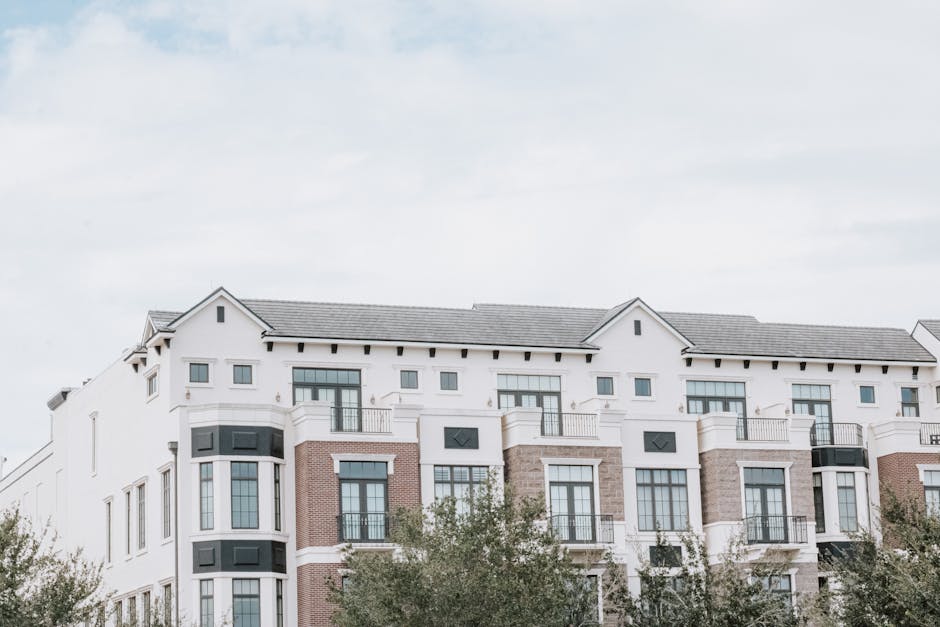
The 2026 Performance Gap: Tampa vs. National Benchmarks
As we enter the mid-point of 2026, the Tampa luxury real estate market has separated itself from the broader national narrative. While several major U.S. metros are experiencing a plateau or slight correction in valuations, Tampa has consistently registered as one of the fastest-appreciating luxury sectors in the country. Recent data from Redfin confirms that Tampa’s luxury home prices saw the highest increase in the United States this year, a trend that is fundamentally changing the entry point for high-net-worth acquisitions.
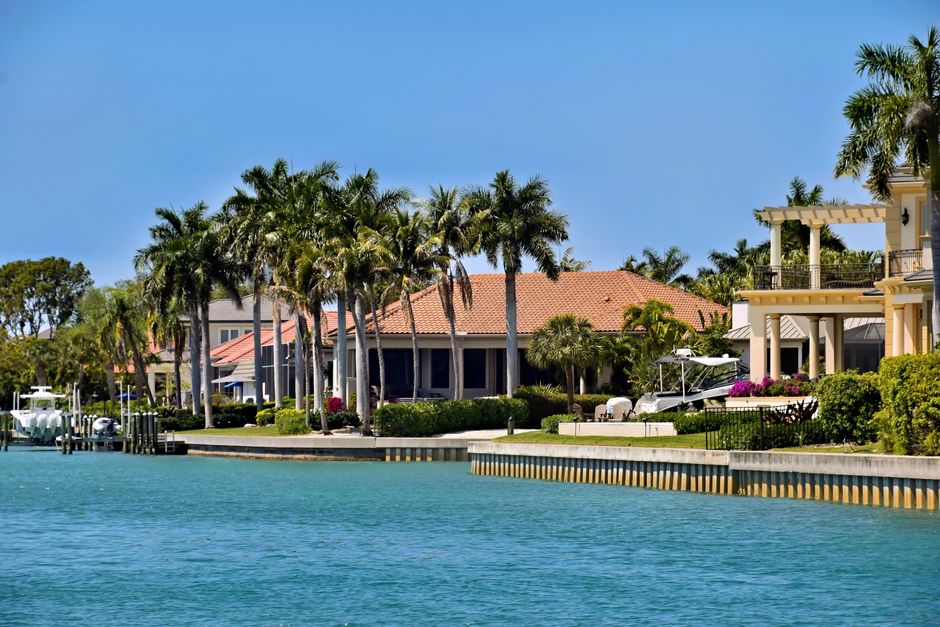
This growth is not merely a result of speculative demand but is underpinned by a sustained migration of wealth into Florida’s Gulf Coast. Unlike previous cycles where volume drove price, the current environment is defined by low velocity and high value. Buyers today are not competing for dozens of options; they are competing for a handful of blue-chip properties that satisfy specific architectural and lifestyle requirements. The median list price in the luxury segment now sits at $2,275,000, reflecting a significant shift in what constitutes ‘prime’ inventory within the city limits.
Understanding this performance gap requires looking beyond simple headlines. The strength of the local market is reinforced by institutional confidence and a robust regional economy. For the sophisticated buyer, the challenge is no longer finding value, but rather securing assets before the next appreciation leg. As reported by AOL, the velocity of price increases in the region suggests that the window for entry-level luxury is closing rapidly in favor of a more exclusive, high-barrier market structure.
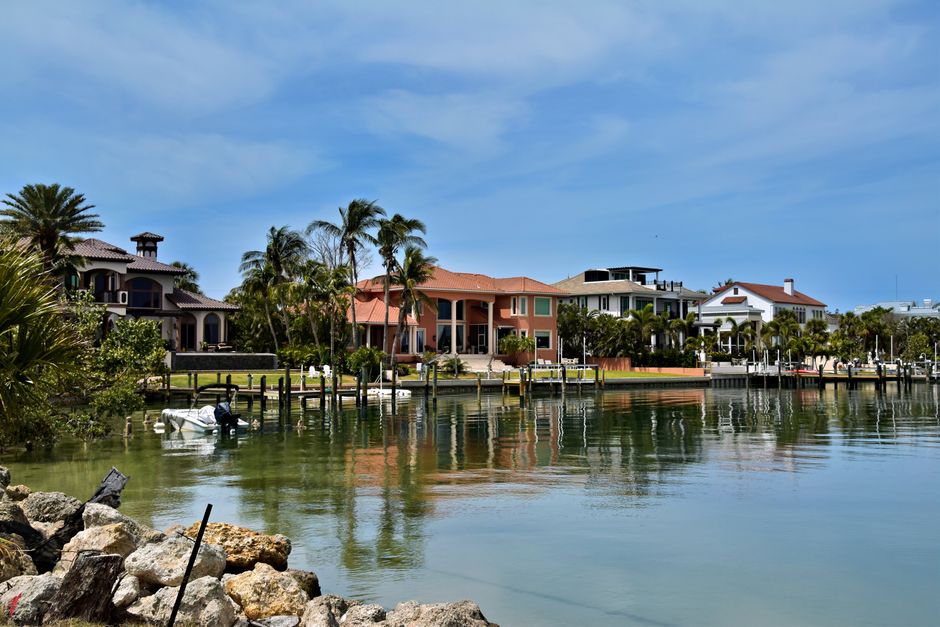
Regional Concentration: Where Capital is Flowing in Tampa
The concentration of capital is most evident in established enclaves like Davis Islands, Hyde Park, and Beach Park. These areas have become the primary focus for buyers who prioritize proximity to the urban core without sacrificing the privacy and square footage associated with traditional estate living. We are seeing a marked preference for new construction or fully renovated historical assets, particularly along the Bayshore Boulevard corridor, where unobstructed water views command a significant premium over inland alternatives.
Buyer behavior has shifted toward a ‘buy and hold’ strategy, viewing Tampa real estate as a hedge against volatility in other asset classes. This has led to a decrease in turnover within the city’s most prestigious streets. When a property does hit the market in a location like Culbreath Isles or the more secluded pockets of Palma Ceia, it often attracts multiple inquiries within the first 72 hours, regardless of the list price. The current average list price for luxury residences is approaching $3,000,000, a figure that was considered an outlier just several years ago.
As these neighborhoods reach saturation, we are observing a ripple effect into secondary luxury markets. Substantial investments are being made in areas that offer larger lot sizes, such as the northern reaches of Westchase or the equestrian-friendly estates in Odessa. This expansion of the luxury footprint is a direct response to the inventory floor in the traditional core. Buyers are increasingly willing to trade a longer commute for the ability to custom-build a legacy estate that meets modern standards for wellness and smart-home integration.
Commercial Influences on Residential Asset Values
The intersection of commercial development and residential desirability has never been more pronounced in Tampa Bay. Large-scale urban redevelopments have created a symbiotic relationship where corporate investment drives residential demand. According to a recent analysis by Bisnow, the way commercial real estate navigates housing deals—from affordable to luxury—is a critical indicator of long-term neighborhood viability. In Tampa, the influx of Class-A office space and high-end retail has acted as a catalyst for surrounding residential valuations.
Professional services and tech-centric firms relocating to the region bring with them a workforce that demands high-end housing. This demographic is not looking for a traditional suburban experience; they are seeking high-density luxury, often in the form of vertical estates or sophisticated townhomes. The growth of the Water Street district is a prime example of how commercial vision can redefine residential expectations. Buyers in these districts are prioritizing walkability and integrated amenities over traditional yard space, reflecting a more globalized approach to urban living.
This commercial-residential nexus also provides a layer of protection against localized downturns. When a neighborhood is supported by significant commercial infrastructure, its residential properties tend to maintain higher liquidity. For the private advisor, evaluating a home’s proximity to planned commercial projects is now a standard part of the due diligence process. It is about understanding the future utility of the land and how surrounding developments will enhance or detract from the quiet enjoyment of the residence over a five-to-ten-year horizon.
Checklist for High-Value Acquisitions
Acquiring property in a high-velocity market requires a disciplined approach. To ensure a successful transaction that aligns with both lifestyle goals and investment criteria, buyers should adhere to a strict verification protocol before entering a contract.
- Verify the structural integrity and elevation certificates for all waterfront or near-water properties to account for evolving insurance requirements.
- Conduct a comparative market analysis that focuses on closed sales from the last 90 days rather than active list prices to gauge true market ceiling.
- Assess the neighborhood’s long-term development map to identify any planned commercial or infrastructure projects that could impact property values.
- Evaluate the property’s ‘rental yield potential’ even if the intent is primary residence, as this remains a key indicator of asset liquidity.
- Review the homeowners’ association (HOA) or neighborhood association bylaws for any restrictions on architectural modifications or short-term usage.
- Consult with a specialized luxury advisor to access off-market ‘pocket’ listings that are not visible on public-facing platforms.
Inventory Constraints and the 120-Listing Reality
As of June 2026, the active inventory of luxury homes in the Tampa market stands at approximately 120 units. For a metropolitan area of this size and growth trajectory, this number represents an extremely tight supply. This scarcity is the primary driver behind the current price stability. When inventory is this constrained, the leverage remains firmly with the seller, particularly for ‘turnkey’ properties that do not require immediate capital expenditure for renovations or repairs.
The profile of available listings is diverse but limited in volume. For example, we see assets ranging from significant commercial-residential plays on Dr. Martin Luther King Jr. Boulevard to modern estates on Grady Avenue. These listings reflect the varied nature of the Tampa luxury market, but they also highlight the need for quick decision-making. The average time a high-end property spends on the market has decreased, with the most desirable assets moving within a 30-day window. This environment rewards buyers who are fully capitalized and prepared to move without heavy contingencies.
Despite the low inventory, the quality of what is available has improved. Developers have responded to the sophisticated demands of the 2026 buyer by incorporating higher-grade finishes, sustainable building materials, and flexible floor plans. The competition for these 120 slots is intense, often involving multiple cash offers. Buyers who find themselves frustrated by the lack of options are increasingly looking at land acquisition as a viable alternative, though the costs of construction and the timeline for permitting remain significant hurdles to overcome.
Resilience Factors in the Gulf Coast Corridor
While some national headlines focus on housing market declines, the Tampa Bay region continues to grow stronger. As highlighted by The Business Journals, the local luxury market is thriving despite broader national fluctuations. This resilience is attributed to Florida’s favorable tax environment and a diversified local economy that is no longer solely dependent on tourism or retirement. The influx of financial services and healthcare sectors has created a stable base of high-earning residents who are less sensitive to interest rate movements.
The demographic shift is also younger than in previous decades. The modern Tampa luxury buyer is often a mid-career professional or entrepreneur who values the city’s cultural evolution. This is reflected in the success of local events and the vibrancy of the downtown core. For instance, the region hosts various high-profile events throughout the year, as documented by That’s So Tampa, which contribute to the overall desirability of the area. A city that offers both a high quality of life and a strong investment thesis is a rarity in the current global landscape.
Looking ahead, the market appears positioned for continued stability. The influx of record listings in other parts of Florida, as noted by MSN, has not yet saturated the Tampa luxury niche. Instead, it has provided more options for those looking to diversify their real estate portfolios within the state. The combination of limited supply, strong institutional backing, and a desirable climate ensures that Tampa remains a top-tier destination for luxury real estate capital well into the latter half of the decade.
Strategic Positioning for Summer 2026
Navigating the current market requires more than just capital; it requires a strategic partner who understands the nuances of Tampa’s micro-markets. The data indicates that waiting for a significant price correction may result in missed opportunities as valuations continue to climb. Instead, buyers should focus on identifying properties with ‘intrinsic value’—those in locations that cannot be replicated and with features that maintain demand across various economic cycles. The goal is to secure a primary or secondary residence that serves as both a sanctuary and a sound financial instrument.
The current selection of 120 luxury properties offers a narrow but high-quality window into the future of Tampa living. Whether you are looking for a historic estate in Hyde Park or a modern waterfront masterpiece on Davis Islands, the time to act is when the right asset aligns with your long-term objectives. Our team provides the analytical depth and local network necessary to navigate this competitive landscape, ensuring you have access to the data and the inventory required to make a confident decision. We invite you to browse our curated luxury listings and contact a private advisor today to schedule a confidential consultation regarding your real estate requirements.
Your next move in Tampa luxury
Get current inventory, pricing guidance, and private-tour support from our brokerage team.
Source highlights
- How Commercial Real Estate Can Navigate Tampa Bay Housing Deals, From Affordable To Luxury – Bisnow
- Luxury home prices are surging fastest in these 7 U.S. cities in 2026 – qz.com
- Tampa’s luxury home prices saw highest increase in U.S.: Redfin – AOL.com
- Tampa Bay luxury market grows stronger despite national declines – The Business Journals
- Florida luxury real estate surges amid record listings, tax shifts – MSN
- Tampa Bay’s most expensive luxury home sales of 2025 – Tampa Bay Times
- Things To Do In Tampa This Weekend: Fun Festivals & Events In Tampa This Weekend – That's So Tampa
- Tampa Bay area events this weekend: A 'Wicked' performance, Broadway Unhinged and cliff diving – WUSF



