


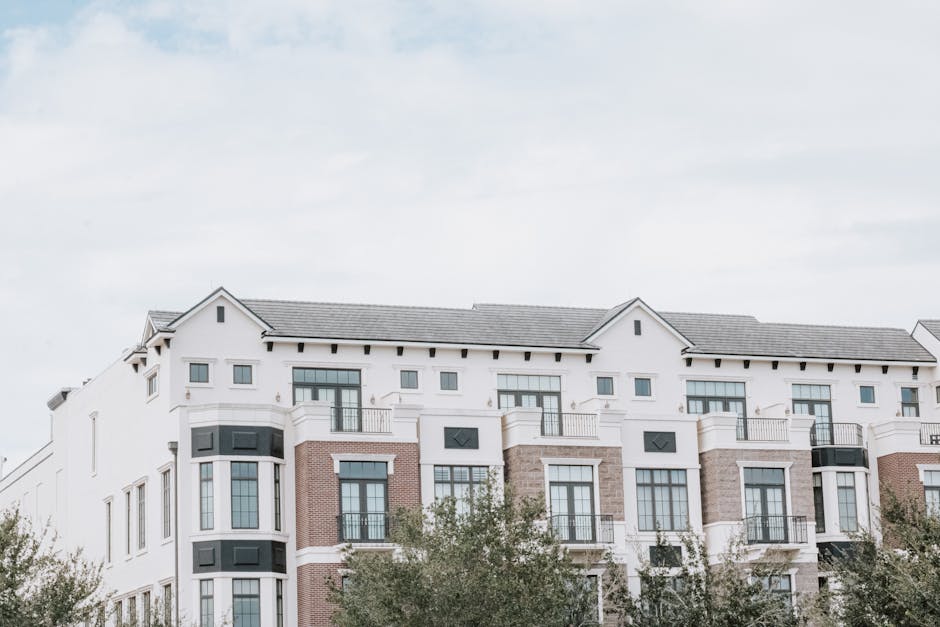
The Macro Shift in Florida’s High-End Real Estate
Tampa’s luxury sector has transitioned from a high-growth regional market to a primary destination for national capital. While several major U.S. metropolitan areas have seen a softening in transaction volume, Tampa continues to defy broader cooling trends. According to recent data, Tampa’s luxury home prices saw the highest increase in the U.S., signaling a sustained appetite for the Gulf Coast’s premier coastal assets. This trajectory is driven not by speculation, but by a structural migration of wealth seeking long-term stability and specific lifestyle amenities found within the Hillsborough County corridor.
For the sophisticated buyer, these price movements indicate a closing window for opportunistic entries. The current median list price for luxury inventory in the area sits at approximately $2,272,925, reflecting a market that has matured significantly. The average list price approaches $3,000,000, underscoring the shift toward ultra-premium builds and extensive renovations in established neighborhoods. Understanding the underlying drivers of this appreciation—ranging from tax-advantaged moves to corporate relocations—is essential for any advisor helping a client allocate significant capital into this region.
The current landscape is characterized by a “quality flight” where inventory is scrutinized for architectural integrity and location permanence. Buyers are no longer settling for generic luxury; they are prioritizing specific parcels in South Tampa, Davis Islands, and the Bayshore corridor. This selectivity has created a bifurcated market where trophy properties move rapidly, while over-leveraged or poorly positioned listings require more time to find their audience. Navigating this requires a deep understanding of local micro-climates and the historical performance of specific waterfront blocks.
Inventory Realities and the Supply-Demand Equilibrium
Current market snapshots reveal a tightly controlled inventory environment. With approximately 120 active luxury listings, the selection remains competitive, especially for turnkey properties that meet modern standards of efficiency and technology integration. Unlike the broader residential market, the luxury segment in Tampa is less sensitive to interest rate fluctuations and more responsive to inventory availability. As noted by industry analysts, the Tampa Bay luxury market grows stronger despite national declines, proving its resilience as a safe-haven asset class.
This resilience is partly due to the lack of developable land in premium neighborhoods. In areas like Culbreath Isles or Beach Park, the acquisition of a luxury home often involves purchasing a lot with an existing structure intended for tear-down or extensive overhaul. This dynamic creates an artificial floor on pricing, as the land value alone represents a substantial portion of the total investment. Buyers must be prepared to act decisively when a pristine, move-in-ready home enters the market, as these assets frequently command multiple offers within the first seventy-two hours of listing.
Furthermore, the profile of the active luxury listing is evolving. We are seeing a move toward larger square footage and multi-functional spaces, with properties like those found on West Dr. Martin Luther King Jr. Boulevard and North Grady Avenue setting new benchmarks for price per square foot. These sales are not outliers; they are indicators of the new valuation standard in the region. Advisors are increasingly looking at commercial sale trends to predict where the next residential hot spots will emerge, creating a more integrated view of the local real economy.
Neighborhood-Level Implications and Capital Migration
Geography remains the most significant variable in Tampa’s valuation matrix. South Tampa continues to be the epicenter of luxury demand, anchored by the historical prestige of Hyde Park and the waterfront allure of Bayshore Boulevard. The capital migration currently occurring is not just internal; it is increasingly coming from the Northeast and Midwest, where buyers are trading high-tax environments for Florida’s more favorable fiscal climate. This shift is highlighted by reports showing Florida luxury real estate surges amid record listings and tax shifts.
In neighborhoods such as Davis Islands, the draw is a combination of proximity to the urban core and the seclusion of an island community. This area has become a preferred enclave for high-profile individuals and executives who value privacy without sacrificing access to downtown Tampa’s amenities. The market here is exceptionally tight, with properties often changing hands through private placements before ever reaching the public eye. Understanding these off-market dynamics is critical for buyers who wish to secure the most desirable waterfront positions.
Similarly, Harbour Island offers a distinct high-rise and gated-community experience that appeals to those seeking a lower-maintenance lifestyle without compromising on scale or luxury. The concentration of wealth in these few square miles creates a robust ecosystem of high-end service providers, luxury retail, and elite educational institutions. As these neighborhoods reach peak density, we are seeing the luxury boundary expand north and west, with substantial investments being made in land and residential builds that were previously considered peripheral to the primary luxury core.
The Critical Acquisition Checklist
Before committing to a high-value purchase in the current market, a rigorous vetting process is required. The following points represent the minimum standard of due diligence for a senior advisor’s client:
- Verify the structural integrity of shoreline reinforcements and sea walls for all waterfront parcels.
- Analyze historical appreciation rates for the specific block, rather than relying on broader neighborhood averages.
- Assess the proximity to major commercial developments that could impact future traffic patterns or property utility.
- Review elevation certificates and current flood mitigation measures to ensure long-term insurance feasibility.
- Evaluate the potential for off-market inventory by leveraging local brokerage networks and private databases.
- Cross-reference the listing price against recent closed sales of comparable square footage and finish quality.
Each of these steps serves to mitigate risk in a market where valuations are accelerating. A disciplined approach ensures that the acquisition is not just a lifestyle upgrade, but a sound financial placement. Buyers should avoid the temptation to bypass these steps in the heat of a competitive bidding scenario, as the long-term viability of the asset depends on these fundamental metrics.
Intersections of Commercial and Residential Interests
The health of Tampa’s luxury residential market is intrinsically linked to its commercial vitality. The expansion of the downtown corridor and the ongoing development of Water Street have created a synergy that benefits residential homeowners. As commercial entities invest in the city’s infrastructure, the value of nearby high-end housing follows suit. Recent discussions have focused on how commercial real estate can navigate Tampa Bay housing deals, indicating a trend toward more integrated urban planning.
This commercial-to-residential pipeline is particularly evident in the demand for properties that offer easy access to Westshore and the Tampa International Airport. For the jet-set buyer, the value of a home is often measured by its proximity to these transit hubs. This has led to a surge in interest for residential land and commercial sale opportunities that can be repurposed into bespoke estates. The ability to see beyond the current use of a property is a hallmark of the most successful investors in the Florida market.
Moreover, the rise of mixed-use developments has introduced a new tier of luxury living that blends residential privacy with commercial-grade amenities. This trend is attracting a younger demographic of affluent buyers who prefer the walkability of an urban environment but still demand the exclusivity of a private residence. As these developments continue to reshape the skyline, they also redefine the geographic center of the luxury market, pushing it toward more dense, service-rich areas of the city.
Lifestyle Infrastructure and Urban Logistical Planning
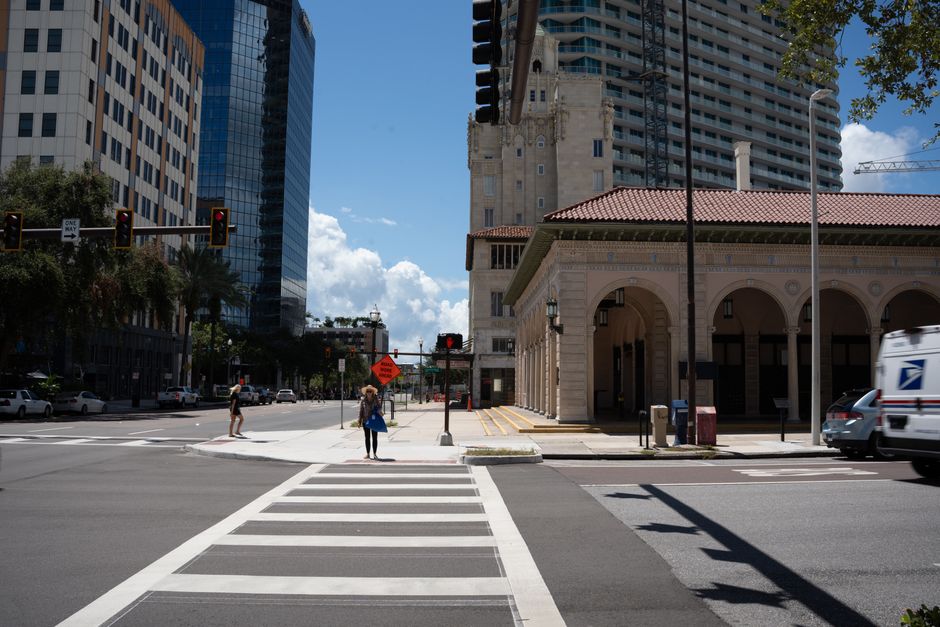
A factor often overlooked by out-of-state buyers is the impact of Tampa’s robust event calendar on daily logistics and property desirability. The city is a hub for major cultural and sporting events, which, while beneficial for property values, requires a nuanced understanding of local movement. For instance, Tampa weekend events frequently cause heavy traffic, especially in the South Tampa and Downtown areas. Buyers should consider these patterns when evaluating the accessibility of a potential home.
The desirability of neighborhoods like Davis Islands or Hyde Park is enhanced by their proximity to these events, yet maintained by their distinct residential boundaries. This balance is what makes Tampa a premier choice for those seeking an active yet private lifestyle. Whether it is a Broadway performance or an international sporting event, the infrastructure to support high-end living is well-established. This maturity of the lifestyle market is a key differentiator when comparing Tampa to other emerging luxury hubs across the Southeast.
Investment in public spaces, such as the Riverwalk and local parks, continues to drive residential value. These amenities serve as an extension of the luxury home, providing outdoor spaces that are professionally maintained and easily accessible. For families, the proximity to these resources is often as important as the home’s interior features. As the city continues to host high-profile festivals and concerts, the reputation of Tampa as a world-class destination is further solidified, providing a psychological buffer for property valuations.
Strategic Conclusions for the Private Investor
Navigating the Tampa luxury market in 2026 requires an analytical mindset and a reliance on local expertise. The data points toward a sustained period of value retention, particularly in established waterfront enclaves. While the headline figures show aggressive price growth, a more granular look reveals a market that is fundamentally sound, supported by real capital and significant infrastructure investment. Success in this environment is found through meticulous research, an understanding of micro-market trends, and the ability to act on high-quality information before it becomes common knowledge.
The current inventory levels suggest that timing is a critical component of any acquisition strategy. As the market continues to evolve, those who prioritize location and structural integrity will be best positioned for long-term appreciation. Buyers are encouraged to look beyond the aesthetic finishes and focus on the permanent attributes of a property that define its value in any economic climate. With a clear view of the commercial and residential synergy, one can navigate this landscape with the confidence required for high-stakes real estate moves.
To secure your position in this competitive landscape, it is essential to have a direct line to the most relevant inventory and market intelligence. For an individualized assessment of the current opportunities or to analyze specific off-market assets, your next step should involve a targeted consultation. We invite you to browse our current Tampa luxury listings and contact an advisor today to discuss your specific acquisition criteria and market strategy.
Your next move in Tampa luxury
Get current inventory, pricing guidance, and private-tour support from our brokerage team.
Source highlights
- How Commercial Real Estate Can Navigate Tampa Bay Housing Deals, From Affordable To Luxury – Bisnow
- Luxury home prices are surging fastest in these 7 U.S. cities in 2026 – qz.com
- Tampa Bay luxury market grows stronger despite national declines – The Business Journals
- Tampa’s luxury home prices saw highest increase in U.S.: Redfin – AOL.com
- Florida luxury real estate surges amid record listings, tax shifts – MSN
- Tampa Bay’s most expensive luxury home sales of 2025 – Tampa Bay Times
- Tampa Bay area events this weekend: A 'Wicked' performance, Broadway Unhinged and cliff diving – WUSF
- Tampa weekend events: Concerts, festivals and downtown family fun — What to know before you go – FOX 13 Tampa Bay



