


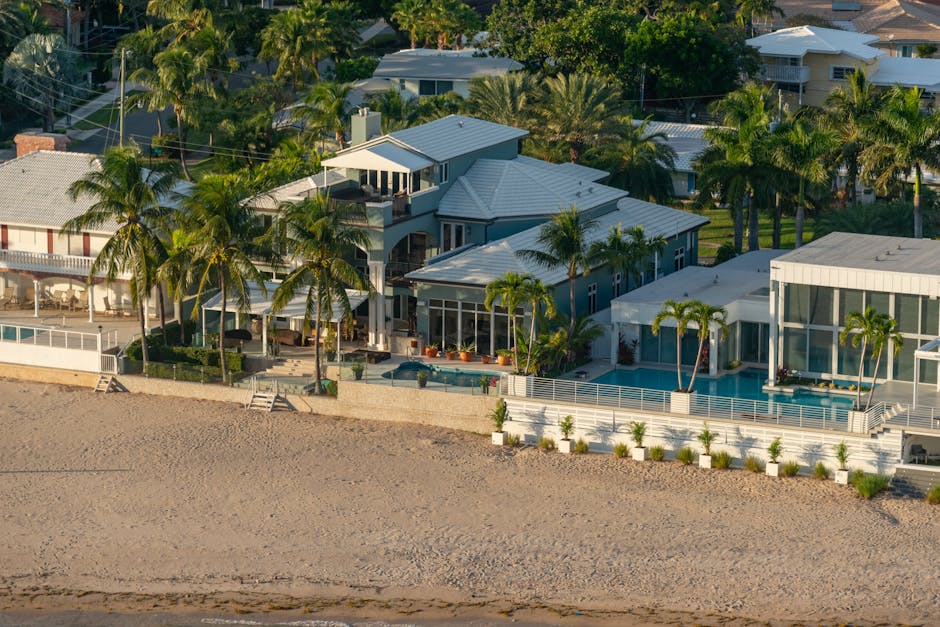
The Resilience of Tampa’s High-End Inventory
As we navigate the mid-point of 2026, the Tampa luxury residential sector remains a distinct outlier in the national real estate landscape. While secondary markets across the country have experienced cooling periods, the local market continues to demonstrate significant price floor stability. Data indicates that Tampa’s luxury home prices saw the highest increase in the U.S. according to recent reporting from Redfin. This growth is not merely speculative; it is driven by a persistent imbalance between high-net-worth demand and the availability of trophy assets.

Currently, our live inventory context shows a concentrated selection of approximately 120 active luxury listings. With a median list price hovering near $2,272,925 and an average list price approaching $2,962,088, the barrier to entry for premium postcodes has effectively reset. This shift reflects a broader trend where buyers are no longer just looking for square footage but are prioritizing architectural pedigree and proximity to the city’s evolving commercial hubs. The velocity of the market remains high, requiring a sophisticated approach to timing and offer structure.
Strategic buyers are shifting their focus toward assets that offer long-term value retention rather than short-term appreciation. We are seeing a move away from generic large-scale builds toward custom, high-specification residences. This movement is supported by the fact that Tampa Bay’s luxury market grows stronger even as national trends suggest broader declines. For the private investor, this creates a environment where the cost of waiting often outweighs the premium paid for immediate acquisition of rare inventory.
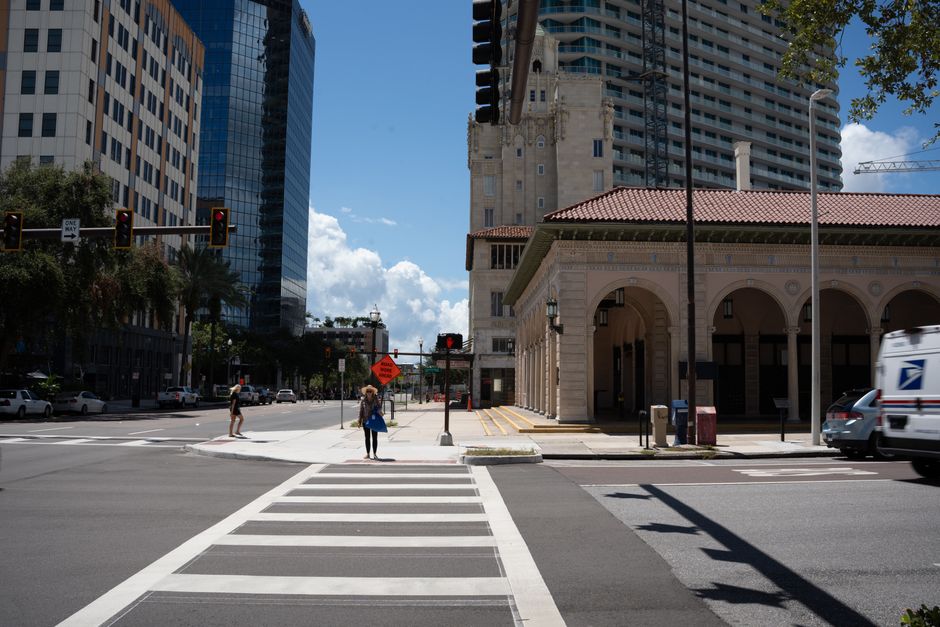
Analyzing recent transactions reveals that properties like those on West Dr Martin Luther King Jr Boulevard or North Grady Avenue are setting new benchmarks for their respective micro-markets. These sales are not isolated incidents but part of a structural repricing of Tampa’s most desirable neighborhoods. Understanding the underlying drivers of these valuations is essential for anyone looking to deploy capital in the current climate without overextending on assets that lack unique defensible characteristics.
Comparative Analysis: South Tampa vs. Emerging Corridors
South Tampa continues to serve as the gravitational center for luxury residential value, particularly within established enclaves like Bayshore Beautiful and Palma Ceia. The appeal here remains rooted in legacy, walkability, and a finite supply of waterfront frontage. However, we are observing a significant expansion of what defines a luxury location. Sophisticated buyers are increasingly evaluating Westshore Marina District and parts of the Heights for their modern infrastructure and integrated lifestyle offerings. This diversification of the luxury footprint is a healthy indicator of a maturing metropolitan area.
When comparing these areas, it is vital to look beyond the list price and examine the cost per square foot relative to recent renovations. In South Tampa, older homes on oversized lots often command a premium for their land value alone, whereas emerging corridors offer high-performance new construction with integrated smart home technology and advanced climate resiliency. The decision often hinges on whether the buyer prioritizes historical prestige or contemporary efficiency. Both paths currently show strong historical performance, but the due diligence requirements for each differ substantially.
Investor behavior in these neighborhoods is increasingly influenced by the total cost of ownership, including insurance premiums and mitigation requirements. Assets that have already undergone significant hardening—such as elevated first floors, impact-rated glass, and reinforced roofing systems—are trading at a premium. This is a pragmatic shift in buyer behavior; the focus has moved from aesthetic finishes to the structural integrity of the asset. We advise our clients to prioritize these invisible features, as they directly impact the long-term liquidity of the property.
Furthermore, the internal migration patterns within Florida suggest that Tampa is capturing a higher percentage of the ‘permanent resident’ buyer profile compared to the seasonal investor profile seen in other parts of the state. This leads to a more stable community fabric and less volatility in neighborhood pricing. Buyers are committing to Tampa for the long haul, which in turn fuels the demand for high-end amenities and services in these residential pockets. This trend is visible in the rapid absorption of inventory in current luxury listings.
The Correlation Between Commercial Growth and Residential Value
The relationship between Tampa’s commercial expansion and its residential luxury market has never been more intertwined. As corporate headquarters and financial services firms relocate to the urban core, the demand for high-end housing within a short commute has intensified. This synergy is a primary reason why commercial real estate developments are now a leading indicator for residential appreciation. Major projects in Water Street and the Westshore district are creating a halo effect that lifts valuations in surrounding neighborhoods.
This commercial-to-residential pipeline is creating a new class of ‘convenience luxury.’ These are properties that offer the privacy of a single-family home with the accessibility typically associated with high-rise living. Buyers are looking for easy access to the city’s best dining, cultural events, and professional hubs without sacrificing their personal space. This is particularly evident during event-packed weekends where traffic patterns around the city center become a factor in lifestyle planning. Being positioned correctly within the city’s geography is now a luxury in itself.
We also see this reflected in the commercial sale market, where land once destined for retail is being repurposed for high-end residential or mixed-use developments. This restricted supply of land for new residential projects ensures that existing luxury assets maintain their value. The scarcity of buildable lots in prime areas like Davis Islands or Harbour Island means that any new project entering the market does so at a significant premium, further solidifying the floor for older, well-maintained estates.
For the strategic buyer, monitoring the city’s infrastructure projects is as important as monitoring interest rates. Improvements in transit, the expansion of the Riverwalk, and the development of new park systems all contribute to the long-term desirability of a neighborhood. These public investments act as a form of risk mitigation for private capital, ensuring that the surrounding environment continues to improve alongside the individual property. This holistic view of the market is what separates a standard buyer from a sophisticated investor.
Critical Checklist: Due Diligence for High-Value Acquisitions
In a market where transactions move quickly, a standardized approach to due diligence is non-negotiable. High-value assets in Tampa require a specific set of verifications that go beyond the standard home inspection. Whether you are looking at a modern waterfront estate or a historic renovation, these steps are essential to protecting your capital and ensuring a smooth transition of ownership.
- Verify the elevation certificate and current flood zone status against updated 2026 maps.
- Perform a comprehensive HVAC and building envelope pressure test to ensure climate efficiency.
- Review all permits for any structural or electrical modifications made in the last ten years.
- Evaluate the seawall and dockage integrity using a specialized marine structural engineer.
- Analyze the property’s historical insurance claims and current wind mitigation credits.
- Confirm the status of any transferable warranties on roofing, windows, and major appliances.
- Assess the proximity to planned commercial developments or major infrastructure changes.
Each of these points represents a potential pivot in the negotiation process. In the luxury tier, ‘as-is’ contracts are common, but they should never be entered into without a full understanding of the asset’s condition. Our role as advisors is to ensure that every client has a clear picture of what they are acquiring, beyond the aesthetic appeal presented in marketing materials. A well-vetted property is a more liquid asset in the future.
Navigating Tax Shifts and Capital Migration
Florida’s tax environment continues to be a primary driver for wealth migration into the Tampa Bay area. However, the landscape is evolving. Recent shifts in local assessments and state-level policy mean that buyers must be more calculated in their fiscal planning. According to analysis from MSN, the surge in Florida luxury real estate is happening alongside significant tax shifts that require careful navigation. Understanding the impact of the ‘Save Our Homes’ cap and how it resets upon a sale is critical for forecasting future carrying costs.
The migration we are seeing in 2026 is increasingly composed of ‘equity-rich’ buyers from high-tax states who are prioritizing long-term residency. This isn’t just a flight from taxes, but a flight toward a higher quality of managed growth. Tampa has successfully positioned itself as a city that offers a professional environment comparable to Northeast hubs but with the lifestyle advantages of the Sunbelt. This has led to a more permanent commitment of capital to the region, which supports the continued appreciation of the luxury sector.
Moreover, the influx of capital is driving a renovation boom. New owners are often investing an additional 15% to 20% of the purchase price into modernizing their acquisitions. This secondary investment further hardens the market against price volatility. When a neighborhood undergoes this level of capital injection, the baseline for all properties in the area rises. We track these ‘invisible’ investments as a metric for neighborhood health and future growth potential.
It is also important to consider the role of commercial capital in this migration. As business owners move their operations to Florida, they often seek residential properties that can also serve as venues for professional entertaining. This has increased the demand for properties with specific floor plans that allow for a clear separation between private living quarters and public hosting spaces. Identifying properties with this versatility is a key strategy for our clients who are integrating their personal and professional lives in Tampa.
Assessing Modern Architectural Standards in Waterfront Assets
The definition of a ‘luxury home’ in Tampa is being redefined by architectural innovation and environmental responsiveness. The standard Mediterranean-revival styles of the early 2000s are being supplanted by ‘Coastal Modern’ and ‘Tropical Minimalism.’ These designs are not just stylistic choices; they are functional responses to the Florida climate. Large overhangs, natural ventilation corridors, and the use of high-performance sustainable materials are becoming the new benchmarks for quality.
In the waterfront sector, the integration of indoor and outdoor living has moved from a luxury feature to a fundamental requirement. Buyers expect seamless transitions between their main living areas and their pool decks or docks. This requires sophisticated engineering, particularly when dealing with large-span glass and floor-to-ceiling openings. When evaluating these properties, we look closely at the quality of the glazing and the precision of the mechanical systems required to maintain interior comfort in a high-humidity environment.
We also see a growing emphasis on ‘wellness architecture.’ This includes advanced water filtration systems, circadian lighting, and dedicated spaces for fitness and recovery. As the luxury buyer becomes more health-conscious, the home is increasingly viewed as a sanctuary for well-being. Properties that have been designed with these considerations in mind are attracting a disproportionate amount of interest and are often sold before they ever reach the open market. Staying ahead of these trends is essential for identifying the next generation of trophy assets.
The shift in design is also visible in the choice of materials. There is a move away from high-maintenance finishes toward those that offer durability without sacrificing aesthetics. Honed stone, charred wood (Shou Sugi Ban), and specialized concrete finishes are gaining favor. These materials age gracefully in the Florida sun and salt air, reducing the long-term maintenance burden for the owner. For the discerning buyer, these details are the true indicators of a property’s pedigree and its potential for long-term value retention.
Risk Mitigation and the Final Decision Framework
Entering the Tampa luxury market in 2026 requires a balance of assertiveness and caution. The high-demand environment can lead to emotional decision-making, which is why we provide our clients with a data-backed framework for every acquisition. The goal is not just to secure a property, but to secure the right asset at a price that reflects its true market position. This involves a deep dive into comparable sales, off-market data, and a clear-eyed assessment of the property’s future liquidity.
Risk mitigation also means understanding the timing of the market. While prices are surging, there are still opportunities to find value in properties that may require a sophisticated eye to unlock their full potential. This might involve identifying a property on a premier lot with an outdated structure, or a residence in a neighborhood that is just beginning to see significant capital inflow. By focusing on the underlying fundamentals—land value, structural integrity, and location—we help our clients build portfolios that are resilient to market fluctuations.
Ultimately, the decision to acquire a luxury property in Tampa should be viewed as both a lifestyle choice and a strategic capital allocation. The city’s trajectory is clear, and its position as a top-tier destination for global wealth is only strengthening. However, the nuances of each neighborhood and the specifics of each property require expert navigation. Our role is to provide the clarity and confidence needed to make these high-stakes decisions with precision.
Navigating the complexities of the current market requires a dedicated partner who understands the subtle movements of the luxury sector. Whether you are seeking a primary residence in the heart of South Tampa or a waterfront estate in an emerging corridor, our team provides the analytical depth and local expertise necessary for success. We invite you to browse our curated listings to see the current state of the market or contact a private advisor today to discuss your specific acquisition strategy and how we can assist in securing your next high-value asset in the Tampa Bay area.
Your next move in Tampa luxury
Get current inventory, pricing guidance, and private-tour support from our brokerage team.
Source highlights
- How Commercial Real Estate Can Navigate Tampa Bay Housing Deals, From Affordable To Luxury – Bisnow
- Luxury home prices are surging fastest in these 7 U.S. cities in 2026 – qz.com
- Tampa Bay luxury market grows stronger despite national declines – The Business Journals
- Tampa’s luxury home prices saw highest increase in U.S.: Redfin – AOL.com
- Florida luxury real estate surges amid record listings, tax shifts – MSN
- Tampa Bay’s most expensive luxury home sales of 2025 – Tampa Bay Times
- Tampa Bay area events this weekend: A 'Wicked' performance, Broadway Unhinged and cliff diving – WUSF
- Tampa weekend events: Concerts, festivals and downtown family fun — What to know before you go – FOX 13 Tampa Bay



