


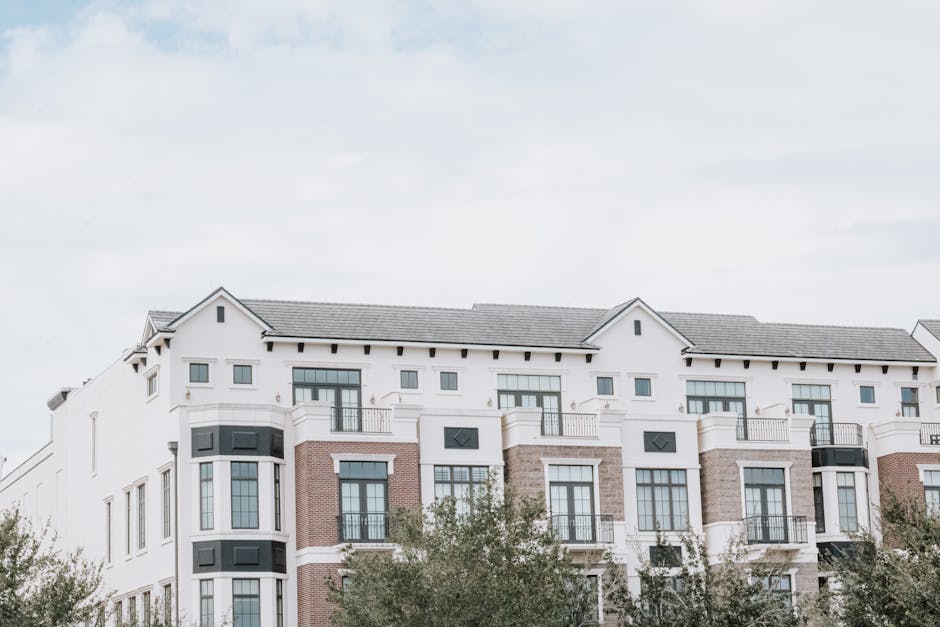
The Maturation of the Tampa Luxury Sector
The Tampa luxury market has transitioned from a period of rapid acceleration into a phase of sophisticated stability. As of May 2026, the inventory of high-end properties remains controlled, with approximately 120 active luxury listings currently available. This limited supply has sustained a median list price of $2,272,925, while the average list price has climbed toward the $3,085,233 mark. This shift indicates that the market is no longer driven by speculative frenzy but by discerning buyers seeking long-term capital preservation and specific architectural standards.
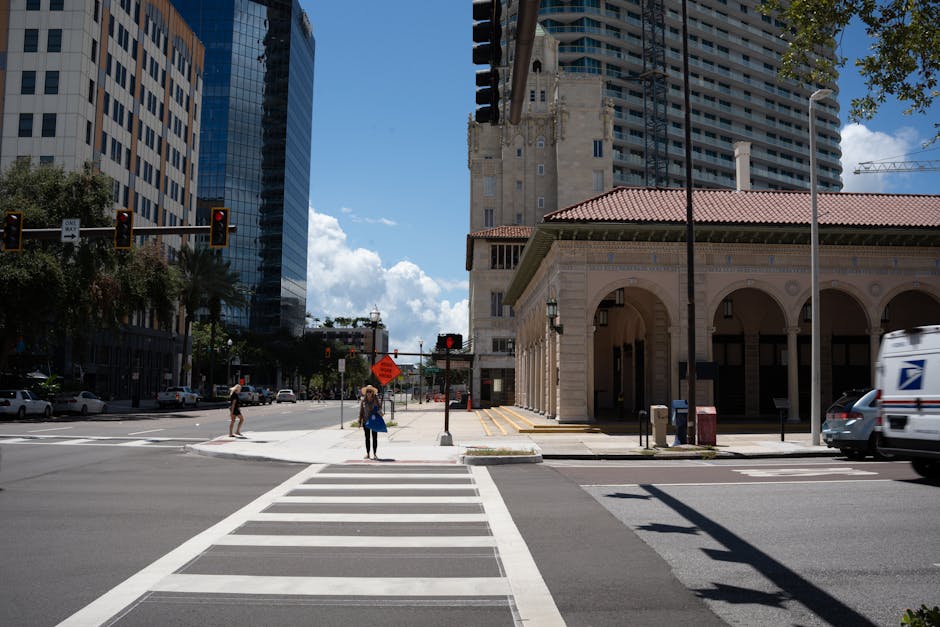
For those monitoring the regional landscape, it is evident that Tampa has solidified its status as a primary destination for domestic migration. Unlike previous cycles where growth was concentrated in specific pockets, the current movement is broad-based, affecting both vertical developments downtown and traditional estates in established corridors. Understanding this evolution requires looking past surface-level price tags and evaluating the underlying demand for high-density luxury, which Tampa Bay Business & Wealth identifies as a maturing segment of the local economy.
Sophisticated buyers are increasingly prioritizing structural integrity and proximity to private infrastructure over mere square footage. The influx of wealth into the region has necessitated a higher standard of service and security, pushing developers to integrate full-service concierge models into residential projects. This trend is visible across the city, where the focus has shifted from providing a residence to offering a curated environment that aligns with the requirements of a mobile, high-net-worth demographic.
The Rise of Vertical Luxury and Downtown Connectivity
Downtown Tampa and the adjacent Water Street district have become the epicenters of the city’s vertical expansion. The skyline is currently undergoing another transformation as demolition makes way for new luxury condos that promise to redefine the residential experience. These projects are not merely adding units; they are introducing a level of finish and amenity access previously reserved for major international hubs. Buyers are no longer viewing condos as a secondary option but as a strategic choice for urban connectivity and simplified ownership.
The appetite for these developments is fueled by a desire for walkability and immediate access to professional hubs and cultural institutions. Areas like Channelside and the Riverwalk corridor are seeing sustained interest from buyers who value the ability to navigate the city without total reliance on private transport. This urban densification is a key indicator of a healthy, multi-dimensional market that caters to both young professionals and established executives seeking a central base of operations.
Current data suggests that while the initial launch of these vertical projects attracts significant attention, the secondary market for modern high-rise units remains exceptionally tight. Resale values in established luxury towers have shown resilience, often trading at a premium due to the immediate availability of finished space. For those looking to enter the market, the choice between pre-construction and existing inventory involves a careful assessment of delivery timelines and the specific lifestyle requirements of the household.
Traditional Estate Corridors: Davis Islands and South Tampa
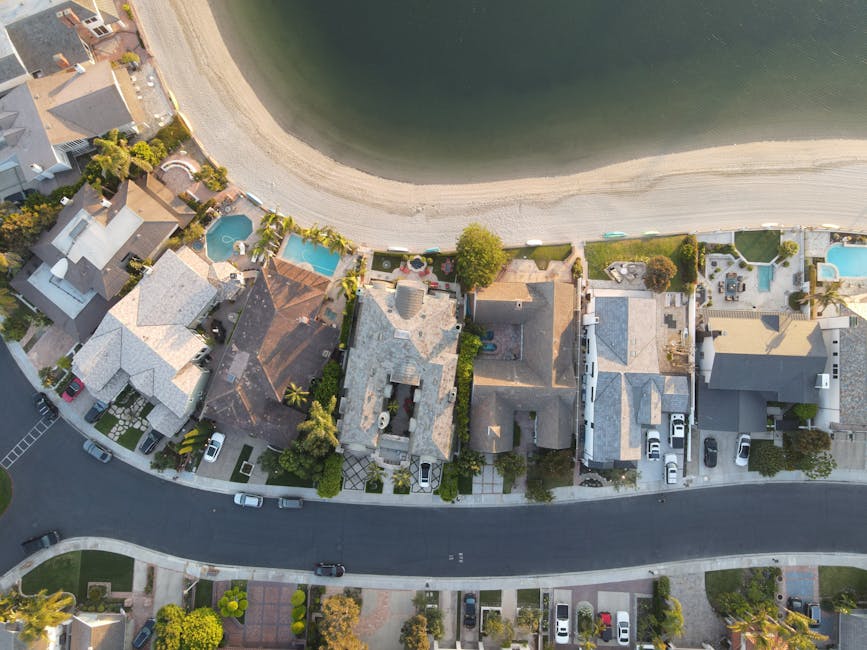
While vertical living gains traction, the demand for traditional residential estates in neighborhoods like Davis Islands, Beach Park, and Culbreath Isles remains the cornerstone of the market. These areas offer a level of privacy and historical prestige that is difficult to replicate in newer developments. On Davis Islands, waterfront properties continue to command the highest premiums, reflecting a buyer preference for maritime access and expansive lot sizes that provide a buffer from the growing urban core.
In South Tampa, the inventory is characterized by a mix of historic renovations and modern custom builds. The architectural diversity of the area is one of its strongest assets, allowing buyers to choose between the charm of a restored 1920s manor or the efficiency of a contemporary smart home. High-value transactions, such as the most expensive luxury home sales of recent years, underscore the enduring appeal of these neighborhoods as stable stores of value.
Buyers in these corridors are typically focused on the long-term viability of the location, paying close attention to school districts, local infrastructure improvements, and the historical appreciation of the street. There is a noticeable trend toward “generational” properties—estates that are acquired with the intention of being held for decades rather than cycled through for short-term gains. This behavior contributes to the overall stability of the Tampa luxury market, preventing the volatility often seen in more transient metropolitan areas.
Strategic Considerations for Luxury Acquisitions
Navigating the current environment requires more than a casual review of listings; it demands a strategic approach to valuation and due diligence. Buyers must look beyond the aesthetic appeal of a property and examine the technical aspects that influence long-term ownership costs and resale potential. This involves assessing the age of critical systems, the quality of construction materials, and the specific zoning regulations of the neighborhood. The following checklist provides a framework for evaluating high-end opportunities in the current market.
- Verify the structural elevation and drainage history to ensure long-term resilience.
- Analyze the recent comparable sales within a tight radius to validate the asking price.
- Review the specific community deed restrictions or HOA bylaws for any limitations on future modifications.
- Assess the proximity to upcoming infrastructure projects that could impact noise levels or privacy.
- Evaluate the history of the builder or developer for reputation and quality of finish.
- Examine the current occupancy rates and owner-occupancy ratios in vertical developments.
Each of these points is critical for ensuring that an acquisition aligns with both lifestyle goals and investment objectives. In a market where the average price exceeds $3 million, the cost of overlooking a technical detail can be substantial. Working with an advisor who understands the nuances of local construction and neighborhood dynamics is essential for mitigating risk and identifying hidden value in a competitive landscape.
The Intersection of Lifestyle and Value
The value of a luxury property in Tampa is increasingly tied to the lifestyle infrastructure surrounding it. Buyers are looking for properties that offer more than just high-end finishes; they want a location that provides seamless access to the city’s best cultural and social experiences. From the curated dining options in Hyde Park Village to the proximity of the Straz Center for the Performing Arts, the local environment plays a significant role in the desirability of a residence.
The region’s calendar of events also serves as a barometer for community health and social engagement. Whether it is the Tampa Bay BBQ Fest or local music celebrations, these gatherings foster a sense of place that attracts permanent residents. This cultural depth is what separates a mere housing market from a community where people choose to invest their lives and capital.
We are seeing a shift where buyers prioritize homes that facilitate a specific way of life, such as proximity to elite golf courses or private yacht clubs. The ability to integrate these interests into daily life without significant travel time is a major driver for the high-end segment. As the city continues to expand its offerings, from professional sports to high-end retail, the intrinsic value of well-located luxury real estate is expected to remain high.
Market Outlook and Tactical Advice
Looking toward the remainder of 2026, the Tampa luxury market is expected to maintain its current trajectory of measured growth. While interest rate fluctuations and broader economic conditions will always play a role, the local market is insulated by a strong influx of cash-heavy buyers and a genuine shortage of premium inventory. The focus for the coming months will likely remain on new deliveries in the condo sector and the continued renovation of South Tampa’s historic stock.
For sellers, the current environment rewards precision in pricing and presentation. Buyers are educated and have access to significant data; properties that are over-leveraged or poorly maintained will linger on the market regardless of the neighborhood. For buyers, the key is patience and the ability to act quickly when a property meeting specific criteria becomes available. Off-market transactions and private placements continue to account for a notable portion of high-value trades, emphasizing the importance of deep local connections.
Success in this market is defined by the quality of the decision-making process. By focusing on fundamental value, structural integrity, and neighborhood longevity, participants can navigate the complexities of the current landscape with confidence. The transition of Tampa into a mature luxury hub offers significant opportunities for those who approach the market with an analytical mindset and a clear understanding of the local dynamics that drive long-term desirability.
Identifying the right opportunity in this competitive environment requires a sophisticated perspective and immediate access to the latest market data. To explore the current inventory and assess which properties align with your investment profile, we invite you to browse our curated listings or contact an advisor to discuss your specific requirements. Our team provides the analytical depth and local insight necessary to navigate the Tampa luxury market with precision and discretion.
Your next move in Tampa luxury
Get current inventory, pricing guidance, and private-tour support from our brokerage team.
Source highlights
- ‘Selling Tampa’ Star Sharelle Rosado Slid into Chad ‘Ochocinco’ Johnson’s DMs – Netflix
- Tampa Bay’s most expensive luxury home sales of 2025 – Tampa Bay Times
- Demolition begins to make way for luxury condos in downtown Tampa – The Business Journals
- Why Tampa remains an early-stage luxury condo market – Tampa Bay Business & Wealth
- The highest-value homes in Tampa – WFTV
- Florida Trend Real Estate – Florida Trend
- Tampa Bay area music events this weekend: Bob Dylan's birthday celebrations – WUSF
- Things to do with kids this weekend in Tampa, FL – That's So Tampa



