


The Structural Shift Toward Vertical Luxury
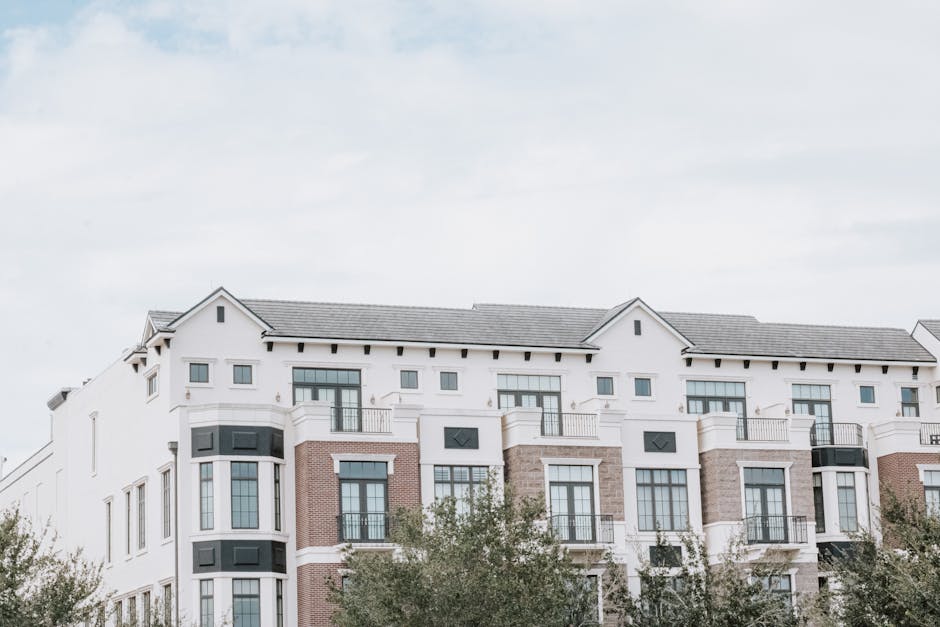
The Tampa luxury landscape is undergoing a fundamental transformation, moving away from a historical reliance on sprawling suburban estates toward a sophisticated, high-density vertical model. This evolution is particularly evident in the downtown core and the Water Street district, where the demand for managed luxury has surged. For the first time, Tampa is being recognized as a maturing market for high-end condominiums, a shift that brings it closer in profile to established metropolitan hubs while maintaining a distinct regional value proposition. Understanding this transition is critical for buyers who prioritize walkability and integrated service models over traditional acreage.
As urban density increases, the criteria for ‘prime’ real estate have expanded. Proximity to cultural anchors and curated retail is now as significant as waterfront access. This movement is supported by significant capital investment in infrastructure and the demolition of older structures to clear the path for architectural landmarks. Investors and primary residents alike are closely monitoring the latest demolition projects in downtown Tampa, which signify the next phase of high-end residential availability. These new developments are not merely adding units; they are redefining the expectations for private amenities and smart-home integration in the Florida market.
Current data indicates that while the market is expanding, it remains in an early stage for certain luxury segments. Analysts suggest that the depth of the luxury condo inventory is still developing, providing a window of opportunity for those who recognize the long-term trajectory of the city’s skyline. This is a departure from the rapid-fire speculative buying of previous cycles; the current movement is backed by institutional confidence and a permanent shift in where the region’s wealthiest residents choose to reside. Strategic buyers should focus on developments that offer more than just a view, prioritizing those with robust homeowner associations and a track record of architectural integrity.
Analyzing Current Inventory and Price Resistance
As of mid-2026, the Tampa luxury market maintains a controlled inventory of approximately 120 active high-end listings. The median list price has stabilized near $2,272,925, reflecting a market that is healthy but increasingly sensitive to value. While the average list price exceeds $3,000,000, actual transaction data shows a clear preference for properties that align with current lifestyle demands: modern construction, resilient materials, and efficient floor plans. Buyers are no longer willing to pay a premium for legacy renovations; they are seeking turnkey solutions that minimize the need for post-acquisition construction in a high-interest, high-cost labor environment.
A review of expensive luxury home sales from 2025 provides a blueprint for what constitutes a successful acquisition in the current climate. Key takeaways from these transactions include the importance of lot positioning and the premium placed on ‘quiet’ luxury—properties that offer privacy without being isolated. In neighborhoods like South Tampa and Hyde Park, the competition for well-maintained assets remains high, though the days of sight-unseen bidding wars have largely been replaced by thorough due diligence and professional inspections. This normalization is a positive sign for the market’s long-term sustainability.
Specific property types, including significant residential estates and rare commercial-sale opportunities, are currently anchoring the market’s upper tier. For instance, substantial listings along corridors like West Dr. Martin Luther King Jr. Boulevard and North Grady Avenue demonstrate the breadth of the luxury sector, ranging from expansive multi-use properties to high-end single-family dwellings. Buyers should evaluate these opportunities through a lens of utility and future-proofing. The ability to pivot a property’s use or ensure it remains relevant as the neighborhood densifies is a hallmark of a sound real estate strategy in 2026. For a complete view of current availability, sophisticated buyers should regularly monitor the latest luxury homes for sale in the region.
Evaluating Coastal Resilience and Material Standards
With Tampa’s climate delivering consistent heat and seasonal precipitation, the structural integrity and material choices of a luxury home have moved to the forefront of the valuation process. High-performance building envelopes, impact-rated glazing, and advanced HVAC systems are no longer upgrades; they are fundamental requirements. Buyers should scrutinize the age and specification of roofing systems and the elevation of mechanical equipment. A property that was considered state-of-the-art five years ago may now require significant capital expenditure to meet the resilience standards expected by modern insurance carriers and savvy future buyers.
Professional advisors now place a high value on LEED certification or similar sustainability benchmarks, even in the residential sector. The cost of ownership in Florida is increasingly tied to energy efficiency and hardened construction. When comparing properties in Davis Islands or Beach Park, the difference in valuation often comes down to the quality of the ‘unseen’ components: the foundation, the insulation, and the moisture management systems. Buyers are encouraged to engage specialized consultants who can provide a technical audit of these systems before moving toward a formal offer. This analytical approach reduces long-term risk and ensures the asset’s value remains intact through various climate cycles.
Furthermore, the aesthetic of Tampa luxury is shifting toward materials that reflect the local environment while resisting its harshest elements. Natural stone, high-grade concretes, and sustainable woods are favored over synthetic alternatives. This focus on materiality is not just about visual appeal; it is a pragmatic response to the regional climate. As buyers assess highest-value homes in the area, they often find that the most resilient properties command the highest premiums and hold their value more effectively during market fluctuations. Technical excellence is the new standard for the elite tier of the market.
Strategic Acquisition Checklist for 2026
- Verify the structural elevation and flood zone status against current 2026 insurance requirements.
- Assess the feasibility of smart-grid integration and onsite energy storage capabilities.
- Audit the homeowner association’s capital reserves for all luxury condominium acquisitions.
- Evaluate the proximity to high-capacity transit and emerging urban hubs in Downtown and Westshore.
- Conduct a specialized moisture and air quality inspection to ensure climate control efficiency.
- Review the historical price-per-square-foot data for the specific neighborhood sub-pocket.
Neighborhood Nuances and Cultural Anchors
Location in Tampa is no longer just about the neighborhood name; it is about the specific block and its relationship to cultural anchors. Hyde Park remains a primary target for those seeking historical significance paired with modern retail proximity. However, the emergence of the Heights and the expansion of the Riverwalk have created new centers of gravity that are attracting a younger, more mobile demographic of affluent buyers. The cultural fabric of the city, exemplified by events like the annual Greek Festival or the high-energy Tampa Bay Barbecue Festival, provides a sense of community that is increasingly important to primary residents. These events are markers of a mature, diverse society that supports high-end real estate values.
Bayshore Boulevard continues to hold its position as the region’s premier residential corridor, but the strategy for acquisition there has changed. Buyers are moving away from the largest possible square footage in favor of properties that offer superior privacy and better integration with the waterfront. The focus is on the quality of life—the ability to access the city’s best dining and entertainment without sacrificing a serene home environment. This balance is difficult to achieve and is the primary reason why properties in this corridor rarely stay on the market for extended periods. Understanding the micro-markets within South Tampa is essential for making a competitive yet disciplined offer.
As the city grows, areas like Westchase and the northwest suburbs are also seeing a resurgence in luxury interest, particularly for buyers who require more space for multi-generational living or private home offices. These areas provide a different value proposition, focusing on gated privacy and access to the region’s top-tier educational institutions. While the urban core is the current driver of headline-making sales, the suburban luxury market remains a stable and significant component of the overall landscape. For those navigating these diverse options, an experienced advisor can provide the necessary context to differentiate between a passing trend and a permanent market shift. It is always advisable to contact an advisor before initiating a search in these specialized sub-markets.
The Trajectory of the 2026 Tampa Market
The broader economic context for Florida real estate suggests continued resilience, driven by persistent domestic migration and the state’s favorable tax environment. However, the ‘easy’ gains of previous years have been replaced by a market that rewards precision and deep local knowledge. According to Florida Trend real estate reports, the luxury sector is leading the way in terms of both price stability and innovation. Tampa, in particular, has benefited from a diversified economy that includes tech, finance, and healthcare, providing a solid base of local demand that mitigates the volatility seen in purely speculative markets.
Looking forward, the integration of technology and lifestyle services will continue to be the primary differentiator for high-end properties. The expectation for 24/7 concierge services, private wellness centers, and secure, high-capacity data infrastructure is becoming the baseline. Buyers are increasingly sophisticated, using data-backed analysis to guide their decisions rather than emotional triggers. This analytical approach has led to a more transparent market where value is clearly defined by location, construction quality, and service offerings. The successful buyer in 2026 is one who views their home not just as a sanctuary, but as a high-performance asset that must meet rigorous standards.
To navigate this landscape successfully, one must move beyond the surface-level metrics and engage with the nuances of the local market. Whether evaluating a new pre-construction unit in a downtown high-rise or a historic estate in Hyde Park, the same principles of discipline and due diligence apply. The Tampa luxury market offers significant rewards for those who are well-informed and strategically positioned. By focusing on quality over quantity and resilience over aesthetics, buyers can secure properties that will stand the test of time in one of the most dynamic regions in the country. We invite you to browse our current curated selection of listings and connect with our team to discuss your specific requirements for a Tampa acquisition.
Your next move in Tampa luxury
Get current inventory, pricing guidance, and private-tour support from our brokerage team.
Source highlights
- ‘Selling Tampa’ Star Sharelle Rosado Slid into Chad ‘Ochocinco’ Johnson’s DMs – Netflix
- Tampa Bay’s most expensive luxury home sales of 2025 – Tampa Bay Times
- Demolition begins to make way for luxury condos in downtown Tampa – The Business Journals
- Why Tampa remains an early-stage luxury condo market – Tampa Bay Business & Wealth
- The highest-value homes in Tampa – WFTV
- Florida Trend Real Estate – Florida Trend
- Tampa Bay area music events this weekend: Bob Dylan's birthday celebrations – WUSF
- The most unique live music event in Tampa Bay this weekend might be in a backyard – WMNF 88.5 FM


