


The Current Inventory Landscape in Tampa
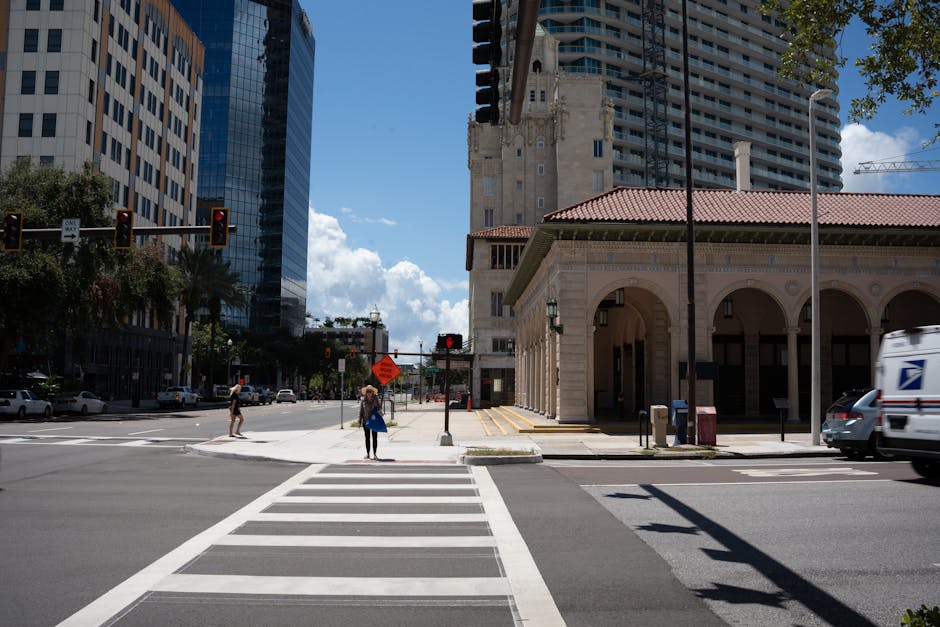
The Tampa luxury real estate sector is currently navigating a period of significant inventory expansion, a departure from the scarcity that characterized the previous 24 months. With 120 active luxury listings currently on the market, the environment has shifted from a frantic seller-dominated landscape to one that requires more nuanced evaluation by buyers. The median list price now sits at $2,300,000, while the average has climbed to over $3,117,000, reflecting a concentration of ultra-high-end assets that are redefining the local ceiling. This volume provides a rare window for advisors to compare property archetypes without the immediate pressure of a 48-hour expiration on high-quality stock.
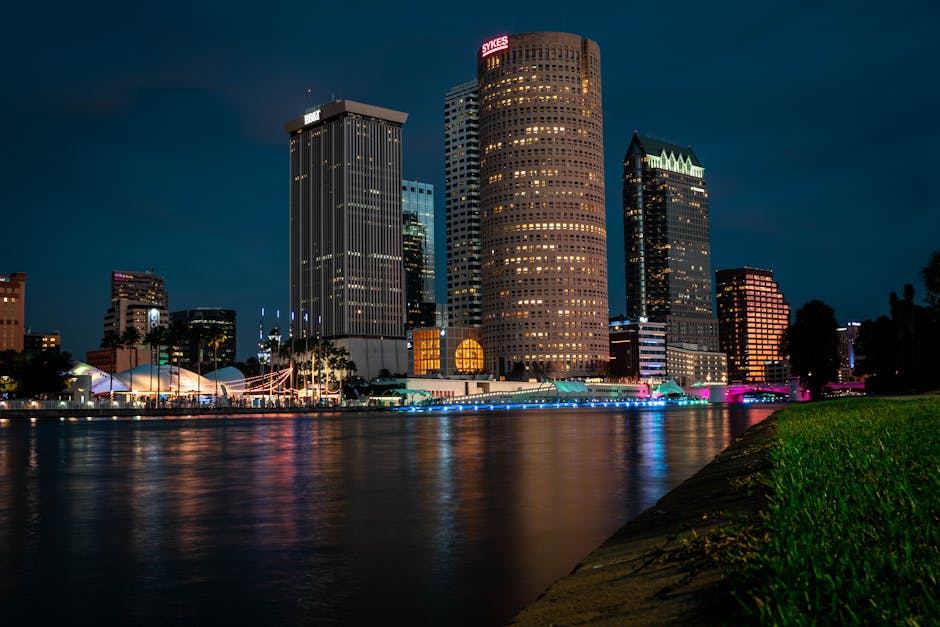
Understanding this movement requires looking past the aggregate numbers and into the specific behavior of the market’s upper decile. While volume is up, the velocity of sales for correctly priced, turnkey assets remains consistent. We are seeing a distinct bifurcated market where properties requiring post-sale modernization are lingering, while pristine estates in established enclaves continue to command premiums. This inventory surge is not a sign of waning demand, but rather a maturation of the market as long-term owners capitalize on the current price floor to exit or upgrade within the region.
For the serious buyer, this environment necessitates a sophisticated approach to valuation. The presence of outlier listings, such as a significant estate currently testing the market at a figure drastically above the city’s previous records, creates a complex backdrop for appraisal. According to data tracked by the Wall Street Journal, while the city’s standing price record is $22.5 million, new ambitious listings are attempting to push that boundary toward nine figures. Navigating this gap between established records and speculative pricing requires a data-backed strategy that prioritizes long-term equity over current market sentiment.
Florida’s Luxury Surge and the Impact of Tax Shifts
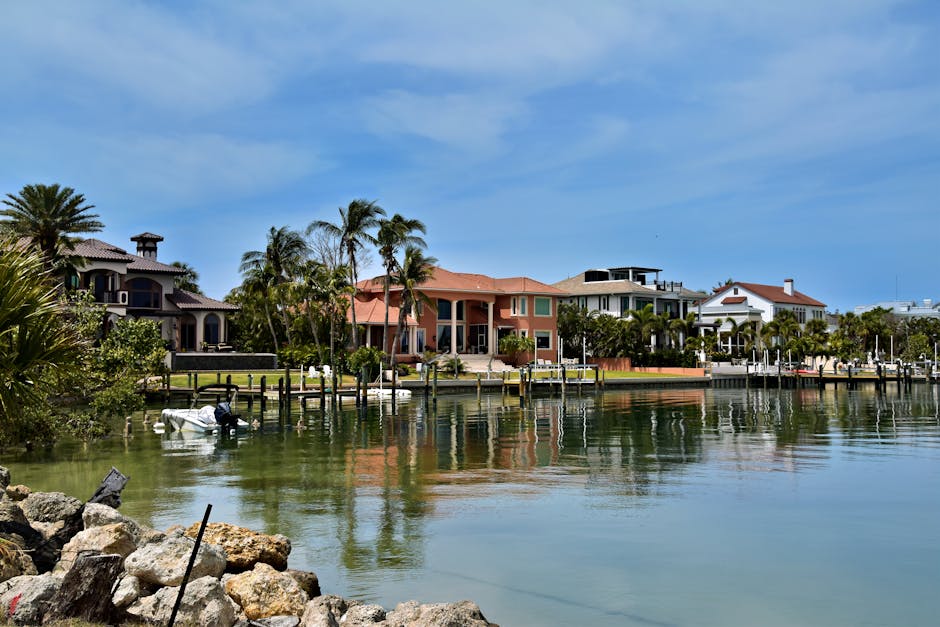
The broader Florida market continues to experience a fundamental restructuring, driven largely by shifting tax landscapes and a persistent influx of domestic capital. Recent reports from MSN highlight how luxury real estate in the state is surging even as inventory reaches record levels. For the Tampa buyer, this means the local market is no longer insulated from global or national trends; it is now a primary destination for wealth seeking tax-efficient residency. This migration is particularly visible in areas like Hyde Park and South Tampa, where the preference for walkable, high-density luxury is reshaping land value.
These tax shifts are more than just a footnote; they are a primary driver of the current buyer profile. We are observing a significant number of acquisitions being made by individuals relocating from high-tax jurisdictions who view the Tampa average price point as an opportunistic entry. This has led to a consolidation of wealth in coastal nodes, where the competition for limited waterfront footage remains intense despite the overall increase in regional inventory. The strategic advisor must evaluate how these external fiscal pressures will continue to influence local property taxes and long-term hold costs in the coming years.
Furthermore, the increase in listings has allowed for a more analytical comparison of property features that truly drive value. As the market absorbs this new inventory, the distinction between ‘luxury-by-association’ and ‘true-luxury’ becomes clearer. The former relies on proximity to affluent neighborhoods, while the latter is defined by architectural integrity, privacy, and superior build quality. In a market where the average list price exceeds $3.1 million, the margin for error in assessing construction standards and site-specific risks has narrowed significantly.
Vertical Living: The Maturation of Tampa’s Condo Market
Historically, Tampa’s luxury identity was tied almost exclusively to the single-family garden estate. However, we are now witnessing the rapid evolution of the vertical luxury market. While traditionally seen as an ‘early-stage’ sector compared to cities like Miami, the Tampa Bay Business & Wealth analysis confirms that the region is quickly moving past its nascent phase. New high-rise developments along Water Street and Bayshore Boulevard are attracting a demographic that prioritizes service-oriented living over traditional property maintenance.
This shift is particularly relevant for buyers looking at the $1,500,000 to $5,000,000 range, where the decision between a historic home in Hyde Park and a contemporary high-rise unit becomes a question of lifestyle utility. The condo market offers a level of security and amenity access that traditional homes cannot replicate, but it also introduces different variables such as association health and long-term assessment risks. Analytical buyers are now looking at the ‘cost-per-convenience’ and how it impacts the resale liquidity of these units compared to fee-simple land ownership.
The growth of these vertical nodes is also impacting the surrounding commercial and social infrastructure. As more high-net-worth individuals cluster in these managed environments, we see a corresponding rise in high-end retail and private dining options within walking distance. This creates a feedback loop that sustains property values in the urban core. When evaluating luxury homes for sale, the modern advisor must consider not just the square footage, but the ecosystem of the specific residential node and its ability to maintain demand across market cycles.
Due Diligence Checklist for High-Value Acquisitions
In a market with expanded choice, the quality of your due diligence determines the security of your capital. Moving from 120 active listings to a final acquisition requires a rigorous filtering process that goes beyond aesthetic appeal. The following checklist represents the minimum standard for an analytical buyer in the current Tampa climate:
- Verify the structural integrity of sea walls and drainage systems for all coastal or canal-front properties.
- Analyze the historical sales data of the specific neighborhood node, rather than relying on city-wide averages.
- Examine the elevation certificate and current insurance premium projections to understand the true carry cost.
- Assess the density of the immediate area to predict future privacy compromises from new developments.
- Review the property’s architectural provenance and the reputation of the original builder for long-term durability.
- Confirm the status of all local assessments and pending neighborhood infrastructure projects.
Adhering to these points ensures that an acquisition is based on measurable data rather than emotional response. In the luxury tier, where customization is common, it is also vital to separate ‘personal preference’ investments from ‘market value’ improvements. A property like 6304 N Florida Avenue, listed at $2,200,000, or a commercial opportunity like the $2,900,000 MLK Boulevard site, requires a different set of verification tools compared to a private estate in Culbreath Isles. The depth of your research should always be proportional to the complexity of the asset’s use case.
The Executive Shift: Comparing Regional Nodes
A notable trend in the 2025-2026 cycle is the movement of corporate leadership into the Tampa Bay area, with a significant portion of executives choosing the surrounding regions for their primary residence. Insights from The Business Journals suggest that St. Petersburg is becoming a preferred destination for C-suite talent due to its unique blend of cultural density and waterfront access. For Tampa-based buyers, this means the competitive landscape for luxury assets is widening to include the entire Bay area, forcing a more comparative analysis of commute times, school districts, and private club access.
Within Tampa proper, we are seeing a refinement of neighborhood identities. Westchase continues to hold its value for those seeking a more traditional suburban-luxury experience with integrated golf and social amenities, while the historic streets of Old Hyde Park remain the gold standard for architectural prestige. The decision between these areas often comes down to the buyer’s professional footprint and the frequency of their travel requirements. The proximity to Tampa International Airport remains a top-tier variable for most high-level buyers, often outweighing other localized benefits.
The buyer behavior we are observing is increasingly focused on the ‘third place’—the social environment outside of work and home. This is why developments that integrate social hubs, such as the upcoming events in the downtown core or the high-end vintage markets in the urban neighborhoods, are seeing sustained interest. Luxury is no longer just about the four walls of the residence; it is about the accessibility of a curated local experience. When you contact an advisor, the conversation should begin with your daily operational needs and end with the property that best facilitates that efficiency.
Price Ceilings and the Psychology of the Tampa Buyer
As we look at the most expensive home sales of the past year, as documented by the Tampa Bay Times, it is clear that the ‘price ceiling’ in Tampa is an evolving concept. What was once considered a record-breaking figure is now becoming a common benchmark for premium waterfront assets. This shift in psychology is driven by the realization that Tampa’s luxury inventory is still undervalued compared to other coastal hubs like Palm Beach or Miami. Buyers are increasingly comfortable transacting at the $5,000,000+ level because they see the long-term growth trajectory of the region as a whole.
This confidence is backed by the stability of the local economy and the continued investment in public infrastructure. The ‘teen takeover’ preventative measures and alternative events promoted by local leaders like Titus O’Neil, reported by FOX 13, demonstrate a proactive approach to maintaining the quality of life that attracts luxury buyers. A stable, well-governed city is a prerequisite for sustained real estate value, and Tampa’s leadership continues to prioritize the safety and appeal of its core residential districts.
However, an analytical buyer must remain cautious of ‘aspirational pricing.’ The gap between the $2,300,000 median and the $10,000,000+ outlier listings can sometimes be filled with properties that lack the fundamental attributes to support such a valuation. Distinguishing between a property that is truly unique and one that is simply over-leveraged is the primary task of a senior advisor. The current inventory surge allows for the patience required to make this distinction, ensuring that capital is deployed only when the asset’s intrinsic value aligns with the market’s reality.
Strategic Capital Allocation in Coastal Properties
The final consideration for any Tampa luxury acquisition is the strategic allocation of capital in a coastal environment. With the average list price holding steady above $3 million, the financial implications of a misstep are significant. Buyers are now looking at property not just as a residence, but as a component of a larger portfolio that must withstand environmental and economic shifts. This has led to a surge in interest in ‘fortress’ construction—homes built with advanced materials and engineering to minimize long-term maintenance and insurance exposure.
This trend is reflected in the demand for land in areas like Grady Avenue and South Tampa, where buyers are opting to build custom structures that meet 2026 standards rather than retrofitting older luxury stock. The cost of construction has stabilized somewhat, making the build-to-suit option more attractive for those at the top of the market. Whether you are looking at land for a future project or a turnkey estate, the focus should remain on the underlying land value and the scarcity of the specific location. Waterfront footage, in particular, remains the ultimate hedge against market volatility.
As you move forward with your search, prioritize a partnership that values data over hype. The current inventory of 120 listings provides ample opportunity, but only if approached with the precision of a professional advisor. Browse our current selection of luxury listings to begin your comparison, and when you are ready to move from analysis to action, contact an advisor to discuss your specific requirements. The right decision in this market is one built on a foundation of local expertise and rigorous financial scrutiny.
Your next move in Tampa luxury
Get current inventory, pricing guidance, and private-tour support from our brokerage team.
Source highlights
- Florida luxury real estate surges amid record listings, tax shifts – MSN
- Tampa Bay’s most expensive luxury home sales of 2025 – Tampa Bay Times
- Tampa’s Price Record Is $22.5 Million. This Huge Estate Is Asking $115 Million. – WSJ
- Column: Why executives keep choosing St. Pete – The Business Journals
- Why Tampa remains an early-stage luxury condo market – Tampa Bay Business & Wealth
- Florida Trend Real Estate – Florida Trend
- Tampa leaders, WWE star Titus O’Neil promote alternative event for young people amid 'teen takeover' trend – FOX 13 Tampa Bay
- Things to do with kids this weekend in Tampa, FL – That's So Tampa
