


The Evolution of Tampa’s High-End Inventory
The Tampa luxury real estate sector is currently navigating a significant transition. After years characterized by extreme scarcity, the market has entered a period of expansion. Recent data indicates a surge in high-end listings, providing sophisticated buyers with a level of choice not seen in the previous cycle. This shift is not merely a quantitative increase; it represents a qualitative broadening of the market as sellers respond to evolving tax landscapes and shifting capital gains strategies. For the advisor-led buyer, this environment demands a move away from the urgency of 2021 toward a more calculated, data-backed approach.
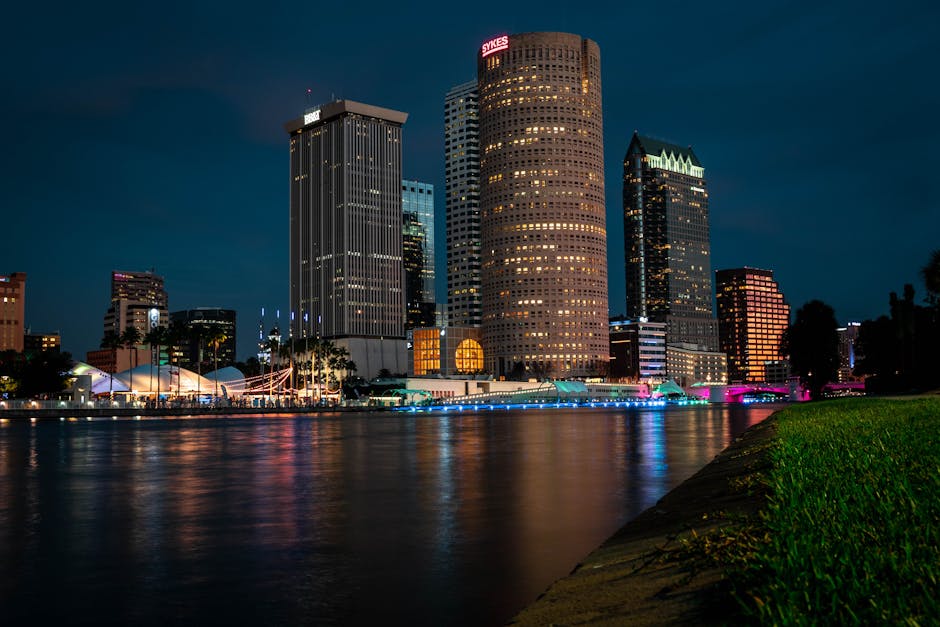
According to recent reports from MSN, the surge in Florida luxury listings is partly driven by record inventory levels meeting new tax considerations. In Tampa, we are seeing 120 active luxury units with a median list price of approximately $2,300,000. This influx allows for a deeper comparison of assets across premium neighborhoods like Davis Islands and Hyde Park. Buyers are no longer forced to compromise on structural integrity or architectural style due to lack of options; instead, they can focus on long-term appreciation potential and lifestyle alignment.
Understanding the nuances of this inventory is critical. While average list prices remain elevated at over $3,100,000, the divergence between ‘aspirational pricing’ and ‘market-clearing pricing’ is becoming more pronounced. Savvy investors are tracking the days-on-market metrics for specific property types, such as the high-demand residential estates in South Tampa. This analytical oversight ensures that acquisitions are made at a fair basis, rather than being swept up in the remnants of past market enthusiasm.
Analytical Frameworks for Waterfront Acquisitions
Waterfront assets in Tampa require a specialized level of due diligence that extends far beyond aesthetic appeal. The coastal geography of areas like Bayshore Boulevard and Snell Isle necessitates a rigorous evaluation of seawall condition, elevation certificates, and FEMA-compliant construction standards. The premium placed on water frontage remains high, but the ‘risk-adjusted’ value of these properties is being scrutinized more heavily in light of rising insurance costs and evolving climate resiliency standards. An advisor’s role is to distinguish between a property with immediate visual impact and one that offers sustainable structural security.
The scale of the Tampa market is reaching new heights, as evidenced by the recent listing of a massive estate asking $115 million, significantly surpassing the previous price record of $22.5 million reported by the WSJ. While such outliers grab headlines, they also signal a maturing market where ultra-high-net-worth individuals view Tampa as a primary residence destination on par with Palm Beach or Miami. This institutional-grade interest often trickles down, stabilizing values in the $5,000,000 to $15,000,000 bracket and encouraging further development of luxury infrastructure.
When evaluating these assets, buyers should prioritize the ‘quiet’ features: the depth of the canal for vessel access, the orientation of the property for afternoon shade, and the proximity to the city’s urban core. Waterfront living in Tampa is as much about logistics as it is about the view. High-performance buyers often look for properties that offer a balance of privacy and accessibility, ensuring that their investment serves both as a personal sanctuary and a liquid asset should market conditions shift.
The St. Petersburg Shift: Executive Relocation Trends
While Tampa remains the commercial heart of the region, St. Petersburg has become an increasingly popular choice for executive relocation. The movement of C-suite professionals to the ‘Sunshine City’ is driven by a desire for a walkable urban environment paired with a sophisticated cultural scene. This trend is not anecdotal; it is a structural shift in how regional wealth is distributed. Executives are choosing the downtown core of St. Pete for its blend of modern luxury condominiums and historic neighborhood charm.
As noted in The Business Journals, the choice of St. Pete by corporate leaders is often tied to the city’s ability to offer a higher quality of life without the congestion of larger metropolitan areas. This migration has led to a compression of cap rates in the multi-family sector and a steady rise in the price-per-square-foot for single-family homes in neighborhoods such as Old Northeast. For those evaluating the broader Tampa Bay market, ignoring the St. Pete side of the bridge is no longer an option.
The decision between Tampa and St. Pete often comes down to the specific nature of the buyer’s lifestyle. Tampa offers a more traditional power-broker atmosphere with grand estates and deep-rooted social clubs, while St. Pete provides a more contemporary, art-centric luxury experience. Both markets, however, benefit from the same pro-growth regional policies and tax advantages that continue to draw capital into Florida from higher-tax states in the Northeast and Midwest.
Verification Protocol for High-Value Asset Acquisition
To ensure a successful acquisition in today’s expanded market, we recommend following a standardized verification protocol. This framework allows buyers to detach from the emotional aspects of a property and focus on its viability as a long-term asset. When inventory is high, the ability to walk away from a sub-optimal deal is a buyer’s greatest leverage.
- Verification of historical flood data and modern mitigation infrastructure.
- Detailed analysis of neighborhood-specific price-per-square-foot compression over the last 24 months.
- Rigorous review of association reserves and master insurance policies for all luxury condominium developments.
- Assessment of localized supply-side pressure from upcoming new inventory releases in the immediate vicinity.
- Identification of off-market potential through private brokerage network intelligence.
By applying these filters, buyers can identify properties that are likely to hold value even during periods of broader market volatility. The current inventory of 120 luxury homes provides a unique opportunity to cherry-pick assets that meet all these criteria. It is a market where the patient buyer is rewarded with superior terms and higher-quality finishes.
Critical Evaluation of the Luxury Condo Market
Tampa is currently in what experts call an ‘early-stage’ luxury condo market. Unlike more saturated cities, Tampa’s vertical growth is relatively recent, offering early adopters the chance to secure prime positions in buildings that will define the skyline for decades. However, this ‘early-stage’ status also requires a more critical eye. Buyers must evaluate the track record of developers and the long-term feasibility of the amenities promised in pre-construction phases.
A report from Tampa Bay Business & Wealth highlights why the region remains a compelling target for condominium investment. The demand for low-maintenance, high-security living is increasing among both retirees and young professionals. Buildings like those found in the Water Street district are setting new benchmarks for sustainability and wellness-focused design, which are becoming standard requirements for high-end buyers.
When comparing condominiums to single-family homes, the primary consideration should be the ‘lifestyle-as-a-service’ aspect. The value of a 24-hour concierge, private rooftop amenities, and integrated retail cannot be overstated for those with busy schedules. However, buyers should also consider the ‘exit velocity’ of these units. In a maturing market, the most desirable units—typically corner penthouses or those with unobstructed water views—are the ones that maintain liquidity and command premium resale prices.
The Value Gap: Comparing Mature and Emerging Neighborhoods
One of the most effective strategies in the current market is identifying the ‘value gap’ between established neighborhoods and those undergoing revitalization. Hyde Park and Davis Islands will always command a premium due to their historical significance and proximity to the city center. However, areas like Tampa Heights and the Westshore district are seeing significant capital infusion, narrowing the gap in terms of infrastructure and aesthetic quality.
For example, properties along North Florida Avenue or Dr. Martin Luther King Jr. Boulevard are seeing redevelopment that mirrors the high-end finishes of South Tampa but at a more accessible basis. Investors are looking at these emerging corridors for long-term growth, betting on the continued expansion of the city’s professional class. The Tampa Bay Times often highlights how these most expensive sales are shifting geographically as new luxury nodes are established. This geographic diversification is a sign of a healthy, robust market.
The key to deciding between a mature or emerging neighborhood is the buyer’s time horizon. Those looking for immediate social standing and a proven track record should stick to the core enclaves. However, those looking for significant equity growth over the next decade may find better opportunities in the periphery of the urban core, where the next generation of Tampa’s elite is beginning to settle. Both paths require a deep understanding of local zoning and future development plans to ensure the neighborhood’s trajectory remains positive.
Strategic Entry: Timing and Negotiation Tactics
In a market with 120 luxury options and an average list price exceeding $3.1 million, the balance of power has shifted slightly toward the buyer. Negotiation is no longer just about price; it is about terms, concessions, and asset inclusion. Sellers who listed their properties during the peak of the market are now more open to creative deal structures, including seller financing or extended closing periods to accommodate tax planning.
The broader trends reported by Florida Trend suggest that while the ‘frenzy’ has subsided, the fundamental demand for Florida real estate remains strong. This creates a ‘goldilocks’ window for entry: prices are stable, inventory is high, but the long-term upward trajectory of the region remains intact. Entering the market now allows for a thorough selection process without the risk of overpaying in a bidding war.
Ultimately, success in Tampa’s luxury market is defined by the quality of the information used to make the decision. Whether you are looking for a waterfront estate, a high-rise condominium, or a historic renovation, the objective remains the same: acquiring an asset that offers both personal utility and financial resilience. By focusing on the data, ignoring the hype, and working with an advisor who understands the local landscape, you can navigate this inventory surge with confidence and precision.
The current market state provides a rare opportunity to acquire premium Tampa real estate under favorable conditions. To navigate this landscape effectively, we invite you to browse our curated LISTINGS URL to identify properties that align with your strategic goals. Once you have identified potential assets, CONTACT URL an advisor to begin a formal analysis and prepare for a sophisticated acquisition process.
Your next move in Tampa luxury
Get current inventory, pricing guidance, and private-tour support from our brokerage team.
Source highlights
- Florida luxury real estate surges amid record listings, tax shifts – MSN
- Tampa Bay’s most expensive luxury home sales of 2025 – Tampa Bay Times
- Tampa’s Price Record Is $22.5 Million. This Huge Estate Is Asking $115 Million. – WSJ
- Column: Why executives keep choosing St. Pete – The Business Journals
- Why Tampa remains an early-stage luxury condo market – Tampa Bay Business & Wealth
- Florida Trend Real Estate – Florida Trend
- Tampa leaders, WWE star Titus O’Neil promote alternative event for young people amid 'teen takeover' trend – FOX 13 Tampa Bay
- Things to do with kids this weekend in Tampa, FL – That's So Tampa
