


Analyzing the Resilience of the Tampa Luxury Tier
As we navigate the second quarter of 2026, the Tampa luxury real estate sector continues to demonstrate a decoupled trajectory from broader national housing trends. While many domestic markets have faced cooling periods due to shifting interest rate environments, the high-end segment in the Tampa Bay region remains robust. Currently, the market reflects a median list price of $2,388,780, with the average list price climbing to $3,147,389. This pricing stability is not merely a byproduct of inflation but a reflection of a fundamental shift in buyer demographics. High-net-worth individuals are increasingly viewing the region as a primary residence hub rather than a secondary or seasonal destination.
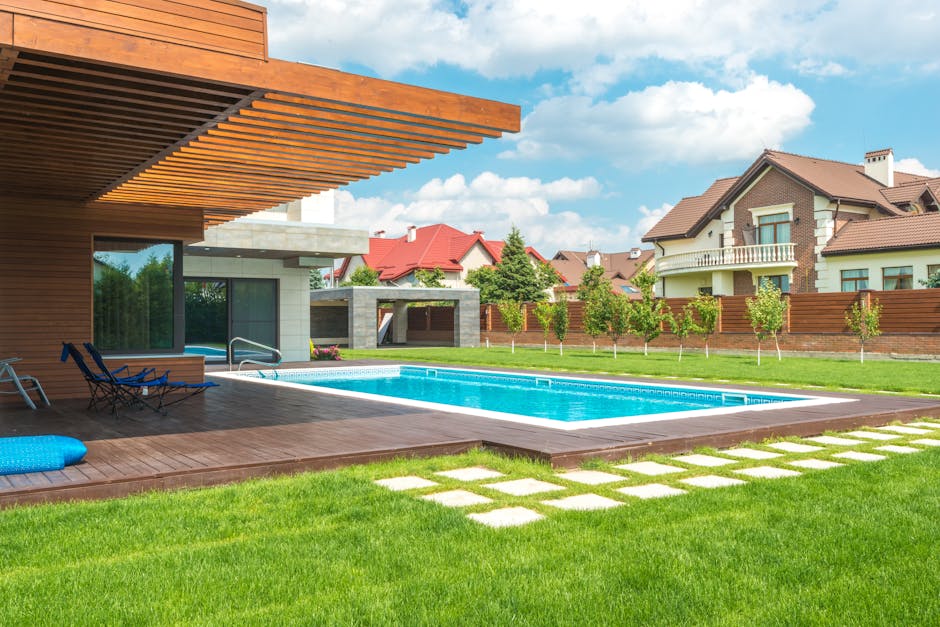
Data indicates that Tampa Bay luxury market grows stronger despite national declines, a trend fueled by the continued influx of corporate leadership and tech-sector wealth. This migration is putting upward pressure on existing inventory, which remains relatively tight with only 120 active luxury units currently available. For the sophisticated buyer, this translates to a market where speed and precision are paramount. Understanding the nuances between a listing on North Florida Avenue at $2,200,000 and a complex land acquisition on Dr. Martin Luther King Jr. Boulevard at $2,900,000 requires more than a cursory glance at digital portals; it necessitates an analytical approach to land use and long-term appreciation potential.
When evaluating these assets, buyers must distinguish between cyclical price movement and structural value growth. The current inventory is characterized by a diversification of property types, ranging from traditional residential estates to significant land holdings and commercial-sale opportunities. This variety suggests that the 2026 market is maturing, offering sophisticated investors a broader palette of options beyond standard single-family homes. The focus has moved toward durable value—properties that offer privacy, significant acreage, or irreplaceable waterfront positioning that cannot be replicated as the urban core densifies.
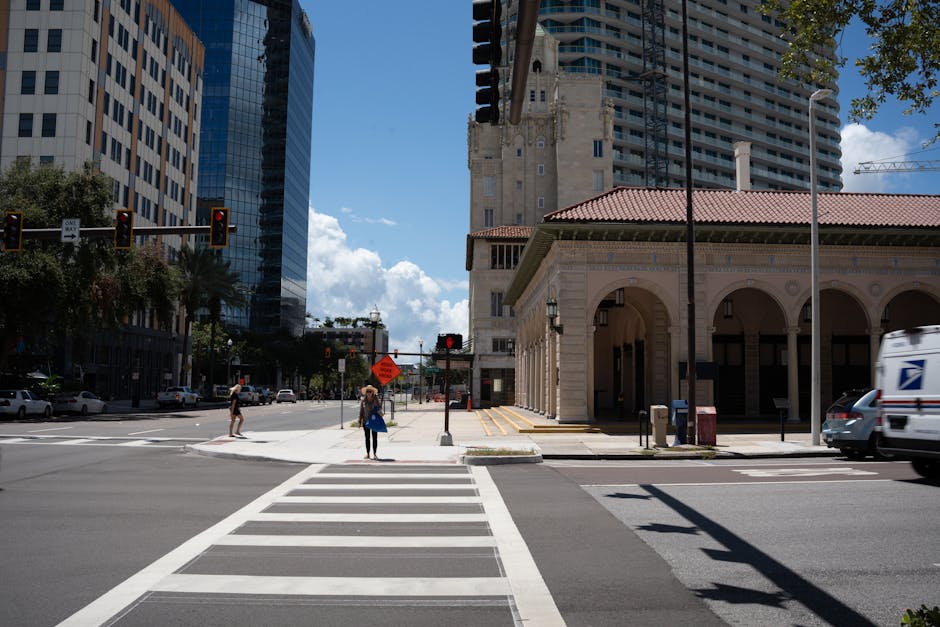
Strategic positioning in this environment involves looking at the neighborhood-level implications of new developments. Areas like South Tampa and the Westshore district are seeing a convergence of residential and high-end retail, creating a self-sustaining ecosystem that supports high valuation. Investors are no longer just buying a home; they are acquiring a stake in a rapidly evolving urban fabric. This necessitates a thorough review of local zoning shifts and infrastructure projects that will define property accessibility and desirability over the next decade.
The Evolution of Primary Waterfront Real Estate
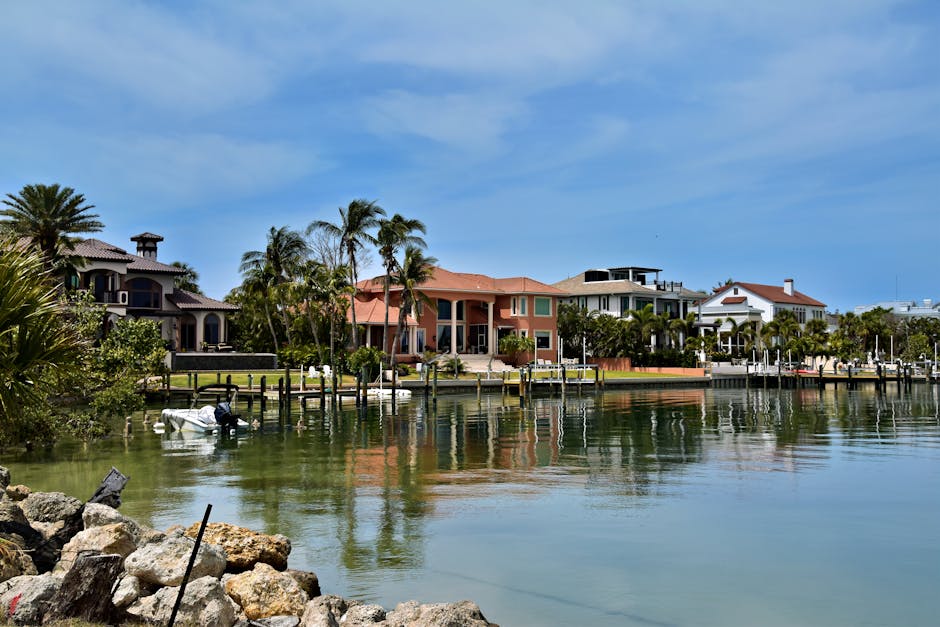
Waterfront assets have long been the cornerstone of the Tampa luxury market, but 2026 has introduced a new layer of complexity to these acquisitions. As noted by The National Law Review, Tampa Bay’s waterfront has emerged as a primary luxury real estate market, moving away from its legacy as a vacation-focused tier. This transition is driven by a preference for larger footprints and more robust building standards that cater to full-time residency. Buyers are increasingly prioritizing newer construction or comprehensively renovated estates on Davis Islands and along Bayshore Boulevard, where the intersection of lifestyle and security is most pronounced.
The scarcity of available waterfront lots has led to a surge in teardown activity, where older structures are being replaced by modern, high-elevation residences designed to withstand the coastal environment while providing expansive views of Hillsborough Bay. This trend is visible in the pricing of land-heavy listings, where the value of the dirt often rivals the value of the improvements. For those looking to browse current listings, it is essential to factor in the cost of modernizing existing structures against the premium of turn-key new builds. The market currently favors properties that integrate indoor-outdoor living with advanced smart-home technology and sustainable materials.
In addition to traditional waterfront, we are seeing increased interest in canal-front properties in neighborhoods like Beach Park and Culbreath Isles. These locations offer a balance of boat accessibility and neighborhood seclusion, which has become a primary driver for families relocating from the Northeast and West Coast. The buyer behavior in these pockets is increasingly analytical, with a focus on seawall integrity, dockage depth, and proximity to elite private education. These are not emotional purchases but calculated acquisitions of limited-supply assets that serve as a hedge against market volatility.
Vertical Living and the Early-Stage Condo Market
The condo sector in Tampa is currently undergoing a significant transformation. Historically a market dominated by single-family residences, the city is now embracing serviced high-rise living as a viable alternative for the affluent demographic. According to reports from Tampa Bay Business & Wealth, Tampa remains an early-stage luxury condo market, which presents a unique window for investors. The new crop of towers rising near Water Street and the Downtown core are offering amenities that were previously unavailable in the region, including 24-hour concierge services, private rooftop pools, and integrated wellness centers.
This shift is particularly attractive to those who prioritize a lock-and-leave lifestyle without sacrificing the space and finish quality of a traditional estate. The adoption of the condo model by long-time Tampa residents suggests a cultural shift toward low-maintenance, high-security environments. When comparing these vertical assets to traditional homes, buyers must evaluate the monthly carrying costs against the comprehensive services provided. In many cases, the efficiency of a high-end condo management team outweighs the logistical burden of maintaining a large waterfront estate.
Furthermore, the integration of residential towers with mixed-use developments is creating a more interactive urban experience. Residents are now within walking distance of Michelin-starred dining and world-class cultural venues, which has historically been a missing component of the Tampa luxury experience. As this sector matures, we expect to see further price appreciation in buildings that offer exclusive views of the channel and the growing skyline, as these units represent a finite subset of the total market supply.
2026 Asset Acquisition Checklist
Before moving forward with a high-end acquisition in the current climate, it is vital to perform a rigorous due diligence process that extends beyond the aesthetic appeal of the property. The following points should be verified to ensure the long-term viability of the investment:
- Verify the structural integrity and age of all seawalls and dockage for waterfront assets.
- Assess current and proposed zoning changes within a three-block radius of the property.
- Review elevation certificates and ensure all improvements meet or exceed current building codes.
- Evaluate the historical price-per-square-foot trends specifically within the target neighborhood sub-pocket.
- Analyze the proximity to emerging commercial hubs and private transport infrastructure.
- Confirm the status of any active or pending property tax exemptions or assessments.
Inventory Constraints and Market Velocity
The scarcity of inventory is the defining characteristic of the 2026 landscape. With only 120 active listings in the luxury tier, the competition for trophy assets is intense. This supply-demand imbalance has led to a market where off-market transactions are becoming more common. Many of the most desirable estates in areas like Hyde Park and Palma Ceia never reach the public portals, as they are traded within private networks of advisors and high-net-worth individuals. This underscores the importance of having a connected advisor who can provide access to these quiet listings.
We are also seeing a change in how buyers approach the search process. Instead of broad searches, the modern buyer is targeting specific blocks or architectural styles. There is a notable preference for mid-century modern restorations and contemporary organic designs that use natural stone and wood to blend with the Florida landscape. This is a departure from the Mediterranean Revival style that dominated the previous two decades. Sellers who have invested in these modern aesthetics are seeing shorter days-on-market and multiple offer scenarios, even at the $5 million-plus price point.
The velocity of the market is also impacted by the type of property. While residential homes move quickly, we are seeing a strategic interest in commercial-sale properties that can be repositioned. For instance, high-visibility parcels on major thoroughfares like MLK Boulevard offer long-term value for those looking to develop boutique professional suites or high-end retail that services the surrounding luxury neighborhoods. This cross-pollination of residential and commercial investment is a sign of a sophisticated, multi-layered market.
Lifestyle Integration and Economic Stability
Beyond the numbers, the appeal of Tampa in 2026 lies in its ability to balance economic growth with a high quality of life. The region is no longer just a retirement destination; it is a center for innovation and culture. This is reflected in the diverse range of Tampa weekend events, which range from vintage markets to high-profile charity galas. This social infrastructure is a key component of the ‘soft’ value that drives luxury buyers to choose Tampa over other Florida metros.
The economic foundation of the city is supported by a pro-business environment that has attracted major financial and technology firms. This corporate presence provides a stable floor for real estate valuations, as there is a constant need for high-end housing for relocating executives. As noted in Florida Trend, the statewide real estate outlook remains positive, with Tampa consistently ranking as a top performer in terms of capital appreciation and rental yield for luxury holdings.
The weather also plays a logistical role in market timing. With early May temperatures hovering around 33 degrees Celsius and minimal rain, the spring season remains the peak period for property inspections and site visits. The clarity of the bay during these months highlights the value of waterfront positioning, allowing buyers to fully appreciate the water quality and shoreline conditions before making a final commitment. This environmental predictability is another factor that contributes to the region’s overall desirability.
Strategic Advisory for the Affluent Buyer
Navigating a market with a $115 million asking price at the top end, as recently highlighted by the Wall Street Journal, requires an advisor who understands the difference between price and value. In a landscape where inventory is limited and the stakes are high, the most successful buyers are those who rely on data-backed insights rather than market hype. Whether you are looking for a primary residence in Sunset Park or a strategic land investment near the urban core, the goal should be to identify assets that offer both immediate lifestyle benefits and long-term capital preservation.
The decision to enter the Tampa luxury market in 2026 should be based on a comprehensive understanding of these evolving trends. By focusing on primary waterfront locations, serviced vertical living, and neighborhoods with strong economic tailwinds, buyers can position themselves to benefit from the city’s continued growth. The current inventory provides a unique, albeit limited, window to acquire properties that will define the next generation of Tampa’s high-end landscape. We invite you to browse our curated listings of exceptional properties and contact an advisor today to discuss your specific requirements and receive a confidential analysis of the current market opportunities.
Your next move in Tampa luxury
Get current inventory, pricing guidance, and private-tour support from our brokerage team.
Source highlights
- Tampa Bay’s most expensive luxury home sales of 2025 – Tampa Bay Times
- Tampa’s Price Record Is $22.5 Million. This Huge Estate Is Asking $115 Million. – WSJ
- Tampa Bay luxury market grows stronger despite national declines – The Business Journals
- Why Tampa remains an early-stage luxury condo market – Tampa Bay Business & Wealth
- Florida Trend Real Estate – Florida Trend
- Tampa Bay’s Waterfront Emerges as a Primary Luxury Real Estate Market – The National Law Review
- Things To Do In Tampa This Weekend: Fun Festivals & Events In Tampa This Weekend – That's So Tampa
- Tampa weekend events: Vintage market, murder mystery dinner and more – Axios
