


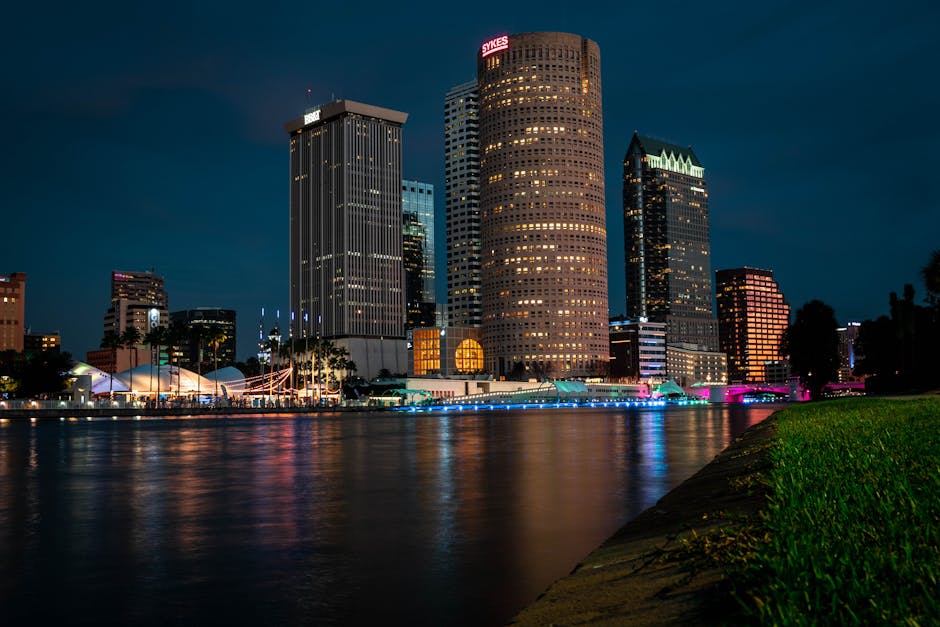
The Calibration of High-Value Inventory in South Tampa
As of mid-May 2026, the Tampa luxury real estate sector demonstrates a maturation that distinguishes it from the volatile cycles of the past decade. With 120 active luxury listings currently on the market, the landscape is defined by a significant delta between the median list price of $2,388,780 and an average list price exceeding $3.1 million. This gap indicates a high concentration of ultra-prime assets that pull the average upward, while the median remains anchored by high-quality residential offerings in established corridors like South Tampa and the Westshore area.
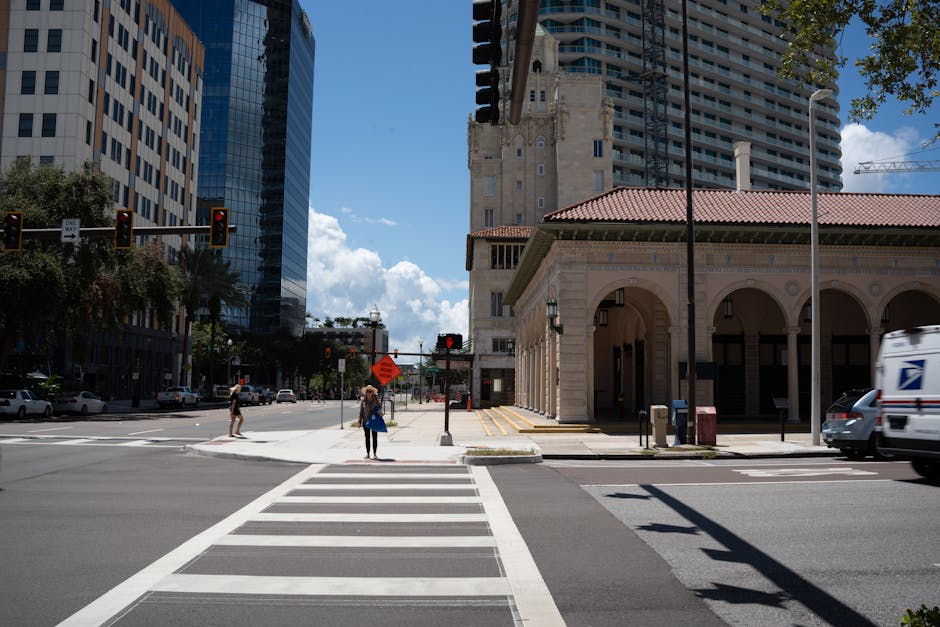
Sophisticated buyers are no longer merely looking for square footage; they are prioritizing architectural integrity and proximity to the region’s evolving cultural hubs. Current inventory examples, such as the $2.2 million offering on North Florida Avenue or the $1.55 million residence on North Grady Avenue, showcase a market where value is increasingly found in high-design urban infill and historic preservation. The focus has shifted from speculative acquisition to long-term wealth preservation within the primary residence category.
Data from Florida Trend Real Estate suggests that while national markets have faced headwinds, the Florida Gulf Coast maintains a specific resilience. This is driven by a steady influx of high-net-worth individuals who view the region not as a secondary seasonal destination, but as a primary base for operations. This shift is fundamentally altering how inventory is appraised, with a premium placed on “turnkey-plus” properties that offer immediate utility without the delays of the current construction labor market.
Waterfront Primacy and the New Pricing Ceiling
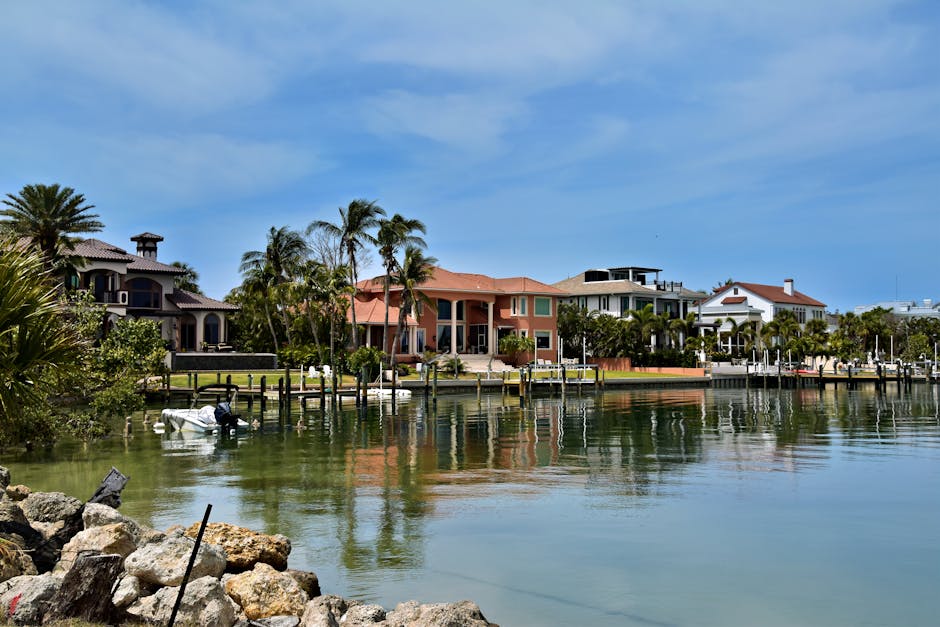
The emergence of Tampa as a primary luxury market is most evident along its waterfront. Historically, the region was often overshadowed by South Florida, but recent record-breaking sales have recalibrated expectations. According to a report by the National Law Review, Tampa Bay’s waterfront has officially moved from a secondary interest to a primary target for global private equity and individual wealth. This transition is supported by the physical limitations of available coastline, creating a natural scarcity that protects asset value over time.
While the local record was previously held at $22.5 million, the market is currently digesting psychological anchors as high as $115 million for singular estates. This massive disparity between the previous records and new asks, as highlighted by The Wall Street Journal, creates a “halo effect” for the $5 million to $15 million segment. Buyers in this range often find significant relative value when compared to the outlier estates, leading to faster absorption rates for high-end condos and single-family homes in neighborhoods like Davis Islands and Bayshore Boulevard.
When evaluating these assets, buyers must distinguish between aesthetic finishes and structural quality. The recent trend toward modern coastal architecture requires a rigorous inspection of materials suited for the Florida climate. Savvy advisors now look for concrete block construction on all levels and advanced mitigation systems, rather than just marble countertops or smart home integrations. The objective is to identify assets where the land value and the replacement cost of the structure align closely with the current asking price.
Strategic Evaluation of Market Entry Points
For those entering the market at the current average list price of $3.14 million, the decision-making process should be dictated by neighborhood-level movement rather than broad city-wide data. Areas surrounding Downtown Tampa are seeing a surge in demand due to the expansion of commercial hubs and premium dining options. As noted by That’s So Tampa, the constant influx of high-end events and festivals adds a layer of lifestyle utility that supports higher price points in the urban core.
Reviewing the LISTINGS URL reveals a diverse spread of property types, from sprawling land opportunities to sophisticated residential builds. A $2.9 million commercial sale on West Dr. Martin Luther King Jr. Boulevard illustrates the cross-over interest in mixed-use and land-banking strategies within the luxury space. This diversification of interest—where a single buyer may look for both a $5 million home and a $3 million land asset—is a hallmark of a mature real estate ecosystem.
- Verify the elevation and flood mitigation specifications of all waterfront assets.
- Compare the price per square foot against the 2025 high-water marks reported by the Tampa Bay Times.
- Assess the proximity to private aviation facilities and high-end logistics hubs.
- Evaluate the potential for land-use changes in surrounding parcels that could impact privacy.
- Review the history of the builder and their long-term warranty performance in the region.
The Migration of Private Wealth and Condo Maturity
The Tampa luxury condo market is currently in what analysts describe as an “early-stage maturity.” For years, the market was dominated by single-family estates, but a new preference for vertical living with high-touch amenities has taken hold. These developments offer a level of security and maintenance-free living that is particularly attractive to buyers who split their time between multiple global residences. The focus here is on low density; buildings that offer 50 units or fewer with private elevator access and dedicated concierge services are commanding the highest premiums.
This shift is not merely about convenience; it is about the concentration of similar wealth profiles. The social fabric of these buildings, often tied to the local social calendar and events found on platforms like Tampa Bay Date Night Guide, creates a community-driven value that is difficult to replicate in traditional suburban layouts. Buyers should look for buildings that have a high percentage of owner-occupants rather than units held primarily for investment, as this ensures more stable long-term management and value retention.
Furthermore, the commercial sale data in the region indicates that the infrastructure to support this lifestyle—private clubs, high-end retail, and specialty medical services—is expanding alongside the residential growth. When a buyer acquires a property in the $3 million range today, they are essentially buying into a localized economy that is increasingly insulated from national residential volatility. This “fortress market” mentality is a primary driver for the 120 active listings currently being pursued by domestic and international capital.
Supply Dynamics and Future Opportunity Costs
With only 120 luxury properties available, the supply remains constrained relative to the growing pool of qualified buyers. This inventory tightness suggests that the “waiting for a correction” strategy may carry a high opportunity cost. In the Tampa market, a correction often manifests as a plateau in price growth rather than a significant decline in value, particularly for properties located in high-barrier-to-entry neighborhoods. Buyers who delay an acquisition may find that the specific lot size or waterfront frontage they desire has been removed from the market for a generation.
Analyzing the average list price of $3.1 million against the median of $2.3 million shows that the entry-level luxury tier is highly competitive. Properties priced under $2.5 million often see multiple offers if they are located in prime school districts or have undergone recent renovations. Conversely, the ultra-high-end segment above $10 million requires a more patient, bespoke approach. In this tier, the acquisition is as much about the “story” of the property—its history, its designer, and its unique site characteristics—as it is about the financial metrics.
The key to navigating this environment is to maintain a focus on the fundamental utility of the asset. A property that serves as a functional family headquarters, provides adequate privacy, and is located within the historic or waterfront districts will always find a buyer in the next cycle. The current market movement is a transition from a “growth at any cost” phase to a “quality at a fair price” phase, which benefits the disciplined buyer who can identify true value amidst the noise of high-priced outliers.
Establishing a Long-Term Position in Tampa
Success in the current market requires a blend of data-backed analysis and local neighborhood intuition. While the numbers provide the framework—median prices, average asks, and inventory counts—the reality is found on the ground in the quiet streets of South Tampa and the rising waterfront of the urban core. Selecting an asset today means considering how that property will perform in 2030, factoring in the ongoing migration trends and the continuous development of the region’s infrastructure. It is a market that rewards those who understand that luxury is not just a price point, but a standard of living and a commitment to quality.
As you evaluate your next acquisition, prioritize transparency in the transaction and a deep understanding of local market nuances. Whether you are looking for a residential estate or a strategic land holding, our team provides the analytical rigor and private-advisor perspective necessary to navigate this sophisticated landscape. Please explore our current curated inventory or contact an advisor to discuss your specific requirements for a Tampa property that aligns with your long-term goals.
Your next move in Tampa luxury
Get current inventory, pricing guidance, and private-tour support from our brokerage team.
Source highlights
- Tampa Bay’s most expensive luxury home sales of 2025 – Tampa Bay Times
- Tampa’s Price Record Is $22.5 Million. This Huge Estate Is Asking $115 Million. – WSJ
- Tampa Bay luxury market grows stronger despite national declines – The Business Journals
- Why Tampa remains an early-stage luxury condo market – Tampa Bay Business & Wealth
- Florida Trend Real Estate – Florida Trend
- Tampa Bay’s Waterfront Emerges as a Primary Luxury Real Estate Market – The National Law Review
- Things To Do In Tampa This Weekend: Fun Festivals & Events In Tampa This Weekend – That's So Tampa
- 40+ Best Things to Do in Tampa Bay this Month: Events and MORE! – Tampa Bay Date Night Guide
