


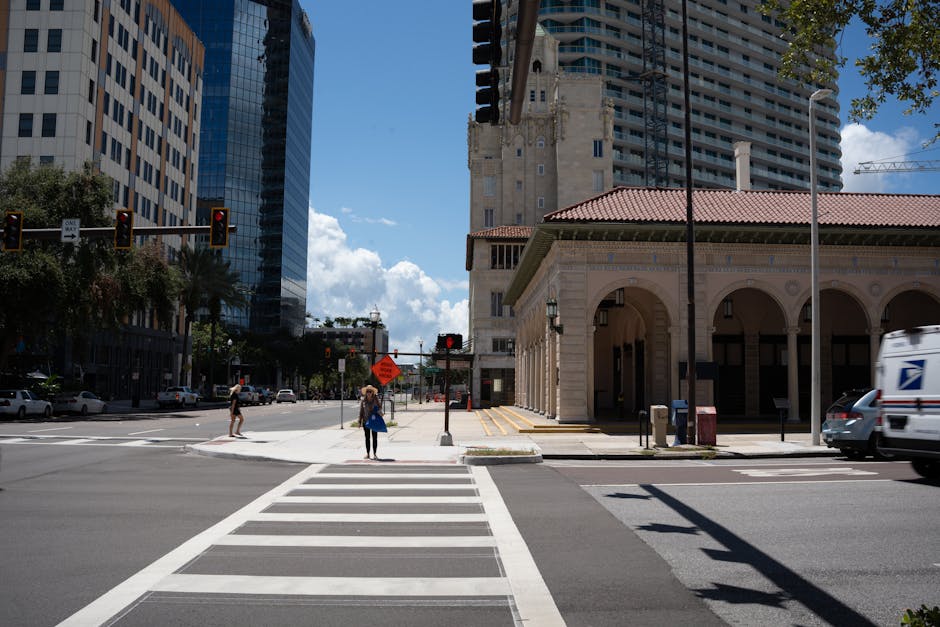
The Structural Shift Toward Primary Residency
Tampa is currently undergoing a fundamental transformation in its real estate identity. Historically categorized as a secondary or seasonal destination for high-net-worth individuals, the region has matured into a primary luxury market. This shift is characterized by a significant increase in capital allocation toward permanent infrastructure and long-term residency. Buyers are no longer looking for ephemeral vacation retreats; they are seeking legacy assets that support year-round living, professional operations, and multi-generational utility. The demand for home offices with enterprise-grade connectivity and sophisticated security systems has become a baseline requirement rather than an optional upgrade.
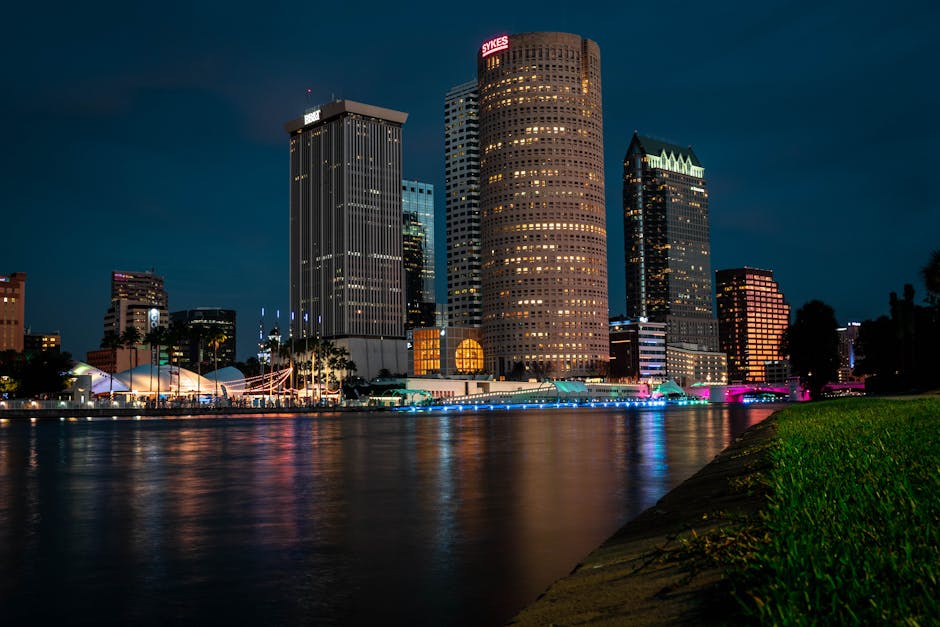
This transition is validated by the increasing strength of the local market even as national trends show signs of cooling. According to data from The Business Journals, the Tampa Bay luxury market continues to demonstrate resilience, outperforming many traditional wealth hubs. The influx of corporate headquarters and private equity firms into the downtown core has created a new class of local buyers who prioritize proximity to the financial district while demanding the privacy of established enclaves like South Tampa and the exclusive stretches of Bayshore Boulevard.
As the inventory of prime lots diminishes, we are observing a rise in the adaptive reuse of land. Properties that once housed mid-century structures are being cleared for bespoke estates that maximize floor-area ratios and integrate advanced sustainable technologies. For those currently analyzing the luxury homes for sale, the focus has shifted from mere square footage to the quality of the build and the pedigree of the architectural design. The market is now rewarding those who invest in timeless materials and sophisticated engineering that can withstand the coastal environment over decades.
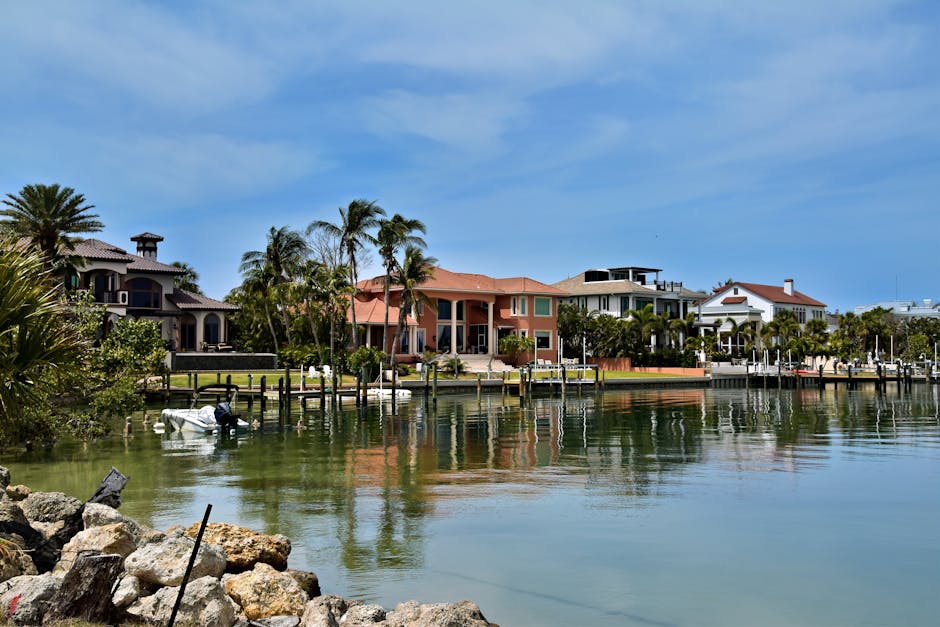
Decoding the $100 Million Price Ceiling
Perhaps the most visible indicator of Tampa’s ascent is the emergence of nine-figure listings. While the previous price record for the region stood at $22.5 million, the entry of estates asking over $100 million signifies a new era of global relevance. As reported by the Wall Street Journal, a massive estate in the region recently hit the market with a $115 million price tag, shattering previous valuation expectations. This is not merely an outlier; it is a signal that ultra-high-net-worth individuals now view Tampa as a viable alternative to established markets like Palm Beach or Miami.
This upward pressure on pricing is felt throughout the luxury tiers. When the ceiling of the market rises so dramatically, it creates a vacuum that pulls mid-tier luxury valuations higher. We see this reflected in current live inventory, where the median list price for luxury assets has stabilized around $2,388,780. This concentration of wealth at the top end of the spectrum is forcing a re-evaluation of what constitutes ‘value’ in the Tampa market. Investors are increasingly focusing on scarcity—specifically, large contiguous parcels of land or deep-water access that cannot be replicated.
Buyers should approach these record-setting valuations with an analytical lens. While the headline numbers are striking, the underlying value is often found in the historical appreciation of the specific neighborhood and the rarity of the offering. The emergence of the waterfront as a primary market, as noted in the National Law Review, highlights how legal and regulatory certainties in Florida are attracting institutional-grade residential investments. Understanding the zoning and riparian rights associated with these high-value assets is critical for any serious acquisition strategy.
Vertical Migration: The Maturation of the Condo Segment
While the detached single-family home remains the cornerstone of Tampa luxury, there is a notable vertical migration occurring. The development of high-density luxury towers in Water Street and downtown has introduced a level of service and amenity previously unavailable in the region. This ‘lock-and-leave’ lifestyle appeals to the global citizen who may divide their time between multiple cities but requires a high-functioning home base in Tampa. These developments are not just about views; they are about curated experiences, from on-site Michelin-starred dining to private wellness centers.
However, analysts at Tampa Bay Business & Wealth correctly point out that Tampa remains in the early stages of its luxury condo market evolution. Compared to more saturated markets, there is still significant room for growth and diversification in the vertical space. We are seeing a divergence between ‘standard’ high-end units and ‘ultra-luxury’ penthouses that function more like sky-mansions, with private elevators, expansive outdoor terraces, and multi-car climate-controlled galleries.
This segment of the market requires a different due diligence process. Prospective owners must evaluate the long-term viability of the homeowners’ association, the quality of the building’s management, and the future development plans for the surrounding blocks. In a rapidly evolving skyline, protecting one’s view corridor is as important as the interior finishes. The integration of technology, such as biometric access and touchless automation, is becoming standard in these new developments, reflecting a sophisticated buyer base that values both security and efficiency.
Strategic Neighborhood Analysis and Asset Selection
Identifying the right location within the Tampa market requires a granular understanding of neighborhood dynamics. The traditional strongholds of South Tampa and the historic streets of Old Northeast remain high-demand areas, but we are seeing a broadening of the luxury footprint. Areas along Florida Avenue and Dr. Martin Luther King Jr. Boulevard are seeing an influx of commercial and residential investment, as seen in recent sales like the $2.9 million commercial-residential hybrid offerings. This indicates a growing appetite for mixed-use assets that offer both lifestyle and income potential.
- Verify the structural integrity and elevation certificates for all waterfront properties to ensure long-term insurability.
- Evaluate the historical preservation requirements in older neighborhoods, which can impact renovation timelines and material choices.
- Analyze the proximity to emerging social hubs and festivals, such as those listed on That’s So Tampa, which drive local demand and property desirability.
- Review the capital improvement plans for local infrastructure, particularly in the Westshore and Water Street districts.
- Assess the density of new construction versus established estates to determine the future character of the streetscape.
- Investigate the tax implications of homesteading versus investment-property status for primary residences in Florida.
For buyers focused on the North Florida Avenue corridor or those looking near North Grady Avenue, the value proposition is often found in larger lot sizes and the ability to customize a home from the ground up. These areas offer a different aesthetic from the coastal neighborhoods—one that emphasizes privacy and space while still providing rapid access to the amenities of the urban core. The diversity of the Tampa luxury market is its greatest strength, offering everything from historic bungalows to modern masterpieces.
Inventory Dynamics and the Velocity of High-Asset Sales
The current luxury inventory in Tampa is characterized by a high degree of selectivity. With approximately 120 active luxury listings, the market is balanced but competitive. The average list price of over $3.1 million reflects the high quality of the homes currently reaching the market. Velocity in this segment is driven by quality rather than quantity; properties that are priced correctly and presented with impeccable staging and marketing are seeing swift movement. Buyers are increasingly decisive, often coming to the table with a clear understanding of their specific requirements.
One of the key drivers of this velocity is the limited supply of truly exceptional properties. When a home with unique architectural merit or a rare waterfront position becomes available, the competition can be intense. This is why having a direct line to a knowledgeable advisor is essential. Often, the most significant transactions occur off-market or within a tight-knit network of professionals. Staying informed through resources like Florida Trend ensures that you are aware of the broader economic movements that influence local real estate values.
Buyer behavior has also shifted toward a ‘transparency first’ model. Sellers are finding that providing comprehensive inspection reports, survey data, and maintenance records upfront speeds up the closing process significantly. In a market where the median list price is substantial, the cost of uncertainty is high. Both sides of the transaction are seeking to minimize friction through better data and more professional representation. This maturity in the sales process is a hallmark of a primary market and benefits all participants by creating a more predictable environment.
Risk Mitigation and Valuation in a High-Demand Environment
Acquiring a high-value asset in Tampa requires a sophisticated approach to risk mitigation. This involves more than just a standard home inspection; it requires a deep dive into the property’s environmental resilience, its legal standing, and its future valuation potential. The coastal nature of our most desirable neighborhoods means that understanding flood zones, sea-level rise projections, and building code updates is non-negotiable. Sophisticated buyers are now looking for homes that exceed current building codes, utilizing impact-rated glass, reinforced concrete structures, and elevated mechanical systems.
Valuation in this environment is as much an art as it is a science. While comparable sales are the starting point, the unique features of a luxury estate—such as custom millwork, imported stone, or a professionally designed landscape—can significantly impact the final price. An analytical buyer advisor will look beyond the surface level to understand the cost-to-rebuild and the land value appreciation. This comprehensive view ensures that you are not just buying a home, but making a sound capital investment that will hold its value through various market cycles.
As we move further into 2026, the Tampa luxury market shows no signs of slowing down. The combination of a favorable tax environment, a growing professional class, and a limited supply of premium land continues to support strong valuations. Success in this market depends on the ability to act quickly when the right opportunity arises, backed by the best possible data and professional guidance. Whether you are seeking a waterfront estate or a modern urban retreat, the fundamentals of the Tampa market remain exceptionally strong for the discerning investor.
Navigating these complexities requires more than just a search engine; it requires the expertise of a seasoned advisor who understands the neighborhood-level implications of every transaction. We invite you to explore our curated selection of luxury homes for sale and gain a deeper understanding of current market movements. When you are ready to discuss your specific requirements and develop a strategic acquisition plan, please contact an advisor at our firm to ensure your next move is executed with precision and confidence.
Your next move in Tampa luxury
Get current inventory, pricing guidance, and private-tour support from our brokerage team.
Source highlights
- Tampa Bay’s most expensive luxury home sales of 2025 – Tampa Bay Times
- Tampa’s Price Record Is $22.5 Million. This Huge Estate Is Asking $115 Million. – WSJ
- Tampa Bay luxury market grows stronger despite national declines – The Business Journals
- Why Tampa remains an early-stage luxury condo market – Tampa Bay Business & Wealth
- Florida Trend Real Estate – Florida Trend
- Tampa Bay’s Waterfront Emerges as a Primary Luxury Real Estate Market – The National Law Review
- Things To Do In Tampa This Weekend: Fun Festivals & Events In Tampa This Weekend – That's So Tampa
- Tampa weekend events: Vintage market, murder mystery dinner and more – Axios
