


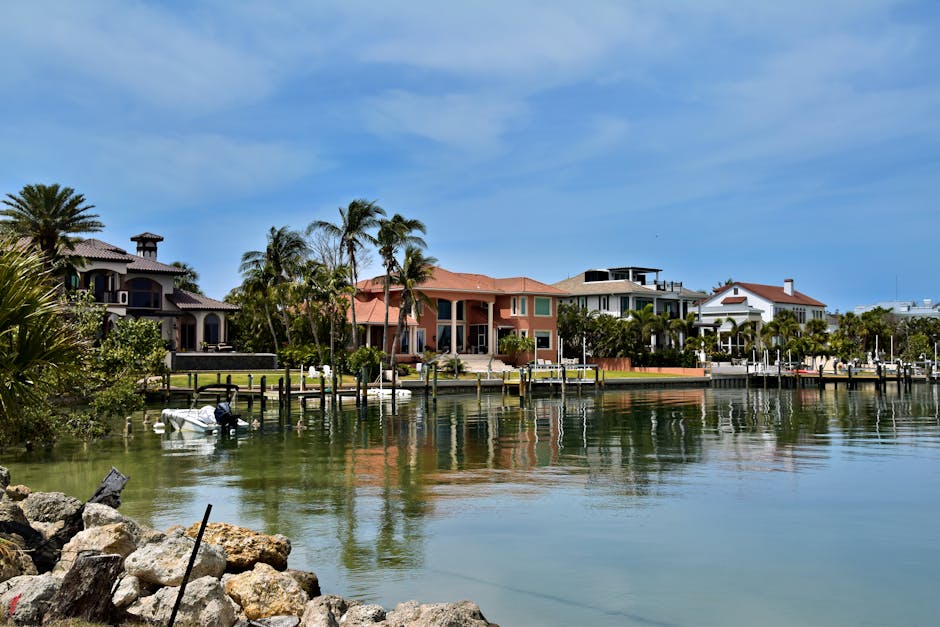
The Maturation of the Tampa Luxury Sector
Tampa has undergone a fundamental structural shift in its real estate hierarchy. Once categorized as a secondary market offering value relative to South Florida, the region has matured into a primary destination for high-net-worth individuals. This transition is characterized by a sustained influx of permanent residents from traditional financial hubs, bringing with them a demand for sophisticated infrastructure and architectural standards that were previously rare in the Gulf Coast region. The movement is no longer seasonal; it is a permanent recalibration of the local economic landscape.

The distinction of a primary market is found in the stability of its demand. Unlike speculative spikes of the past, current market movement is supported by corporate relocations and a significant increase in local wealth creation. Buyers are now prioritizing long-term asset preservation over short-term gains, leading to a more disciplined and analytical approach to acquisitions. This maturity is evident in the types of properties commanding top-tier pricing, where historical significance and modern engineering must coexist to satisfy a discerning client base.
As noted by The National Law Review, Tampa’s waterfront has emerged as a primary luxury market, reflecting a national trend where coastal assets are treated as essential portfolio components. This evolution requires buyers to look beyond aesthetics and evaluate properties through the lens of environmental resilience and urban integration. The sophistication of the local buyer pool now rivals that of established global gateways, necessitating a higher level of advisory expertise during the search process.
Inventory Dynamics and the New Pricing Baseline
Current market data reveals a landscape of restricted supply and elevated standards. With approximately 120 active luxury listings, the median list price has stabilized near $2,388,780, while the average sits closer to $3,147,389. This delta between median and average points to a significant concentration of ultra-high-end assets that are skewing traditional metrics. For the active participant, this means that entry-level luxury now begins at a price point that was considered the ceiling only five years ago. Understanding these baselines is critical for effective negotiation.
Market movement is particularly concentrated in established enclaves such as Davis Islands and Beach Park. In these areas, the scarcity of land has driven values to unprecedented levels, with buyers often acquiring older structures solely for the utility of the lot. This “scarcity premium” is a hallmark of a primary market. Sophisticated advisors are now focusing on off-market opportunities to find value, as the most desirable inventory often moves through private networks before reaching public portals. This emphasizes the importance of localized intelligence and professional connections.
The record-breaking nature of the market was recently highlighted by the Wall Street Journal, noting that while the current record stands at $22.5 million, new offerings are pushing into the hundred-million-dollar range. While such outliers represent the extreme edge of the market, they set a new psychological ceiling that influences the entire luxury spectrum. Buyers must distinguish between aspirational pricing and intrinsic value, particularly in an environment where historical comps may no longer reflect the rapid acceleration of the neighborhood profile.
The Vertical Shift: Evaluating High-Rise Value Propositions
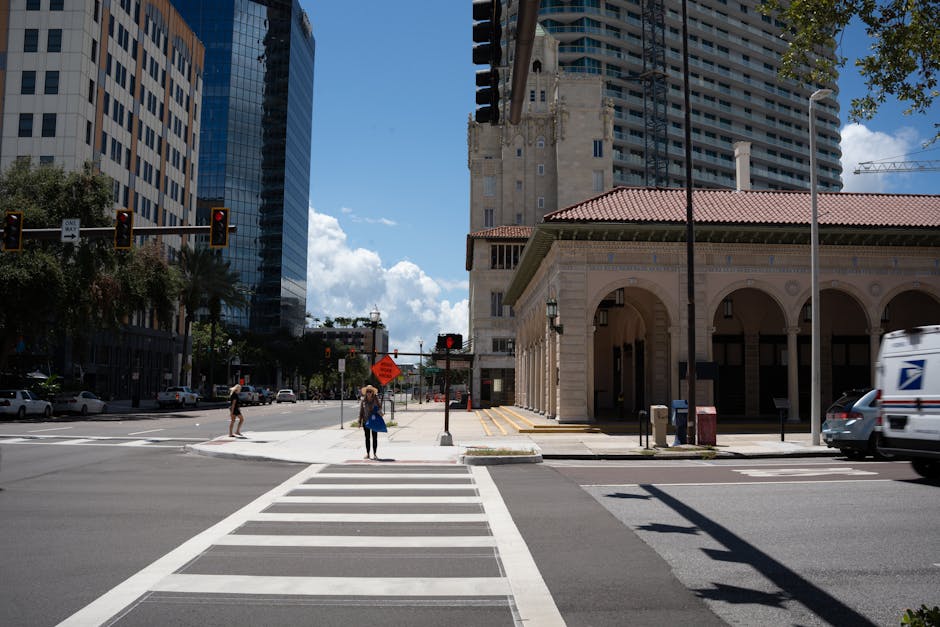
The skyline along Bayshore Boulevard and the downtown core is no longer defined by mid-tier residential towers. Instead, a new generation of “ultra-luxury” condominiums is redefining vertical living in Tampa. These developments are catering to a demographic that values security, full-service amenities, and the ability to lock-and-leave. However, the condo market in Tampa is still in its early stages of maturity compared to cities like New York or Miami, presenting both opportunities and risks for the strategic investor.
When evaluating these vertical assets, buyers must look closely at the ratio of residential units to amenity space and the long-term viability of the management structure. The current trend favors boutique buildings with fewer units and higher levels of personalization. This shift is a response to the preference for privacy among high-profile residents. Analyzing the track record of developers and their ability to deliver on promised finishes is a critical step in the due diligence process for pre-construction acquisitions.
Insights from Tampa Bay Business & Wealth suggest that Tampa remains an early-stage luxury condo market. This positioning allows buyers to enter a growth trajectory before the market reaches full saturation. The focus for these buyers is typically on the downtown waterfront and the Water Street district, where urban infrastructure has finally caught up with the demands of luxury living. These areas offer a lifestyle component that traditional suburban estates cannot match, appealing to a younger, more globally connected demographic.
Pre-Acquisition Verification Standards
Acquiring a luxury asset in the current Tampa climate requires a more rigorous verification process than in years past. The complexity of coastal construction, combined with evolving building codes and insurance requirements, makes a standard inspection insufficient. Buyers should assemble a specialized team, including structural engineers and insurance consultants, to assess the long-term cost of ownership. This proactive approach ensures that the acquisition remains a sound investment rather than a liability.
Verification must extend beyond the physical structure to the surrounding environment. In many of Tampa’s high-value neighborhoods, infrastructure projects—such as drainage improvements or bridge replacements—can significantly impact property utility and future resale value. Buyers should investigate the municipal pipeline for the specific area to understand how the neighborhood will evolve over the next decade. This level of foresight is what separates a standard buyer from a sophisticated investor.
- Verify the elevation certificate and current flood zone status against proposed FEMA map revisions.
- Audit the smart home integration and data security infrastructure for modern standards.
- Review the history of seawall maintenance and current structural integrity for waterfront assets.
- Analyze the HOA or condo association reserves to ensure no deferred maintenance liabilities.
- Confirm the status of nearby zoning variances that could impact privacy or view corridors.
- Evaluate the quality of secondary finishes, including HVAC filtration systems and soundproofing.
Geographic Focus: Beyond the Waterfront
While Bayshore Boulevard and Davis Islands command the highest headlines, a secondary layer of luxury is emerging in areas like Palma Ceia and Sunset Park. These neighborhoods offer a different value proposition, focusing on larger lot sizes and a more traditional residential feel. Buyers in these areas are often looking for proximity to elite educational institutions and private clubs, such as the Palma Ceia Golf and Country Club. The demand in these non-waterfront corridors remains exceptionally high, driven by families seeking long-term stability.
The architecture in these inland neighborhoods is diversifying. We are seeing a shift away from generic Mediterranean styles toward modern coastal and transitional designs that emphasize indoor-outdoor living. This design evolution is a direct response to the way affluent Tampa residents actually use their homes—as entertaining hubs and private retreats. Buyers should look for homes that offer flexible floor plans, including dedicated office suites and secondary living areas, which have become non-negotiable requirements for the modern executive.
According to Florida Trend, the real estate landscape across the state is recalibrating, and Tampa is a central pillar of that movement. The strength of the local market is not just in its water access, but in its diverse range of high-end lifestyle options. From the historic charm of Hyde Park to the sprawling estates of North Tampa, the options for luxury living are more varied than ever before. This diversity allows buyers to find a specific environment that aligns with their personal and financial objectives.
The Economic Backdrop of Coastal Acquisitions
The resilience of the Tampa luxury market is deeply tied to the broader economic health of the region. Significant investments in the Westshore Business District and the expansion of the Port of Tampa have created a robust economic engine that supports high-end real estate values. When the local economy is diversified, the luxury market is less susceptible to the volatility seen in purely speculative markets. Buyers should take confidence in the fact that Tampa’s growth is anchored by tangible infrastructure and job creation.
Cultural and social events also play a role in maintaining the desirability of the region. The proliferation of high-end dining and curated events, such as those covered by Axios Tampa Bay, contributes to the overall “lifestyle equity” of the area. Whether it is a vintage market or a high-profile festival, these events foster a sense of community that is highly valued by residents. A neighborhood that offers a rich social fabric is always a more secure investment than one that exists in isolation.
Understanding the seasonal patterns of the market is also beneficial. While the spring and fall are typically the most active periods for listings, the winter months often see a high volume of serious, out-of-state buyers. For sellers, this means year-round visibility is necessary. For buyers, it means that competition is constant. The luxury market in Tampa no longer takes a summer break; the demand for high-quality assets is a year-round reality that requires constant monitoring and quick decision-making when the right opportunity arises.
Strategic Navigation in a Competitive Landscape
Navigating the Tampa luxury market requires more than just a search for the right floor plan; it requires a strategic understanding of neighborhood-level implications and a data-backed approach to valuation. The most successful acquisitions are those where the buyer has been patient enough to wait for the right asset but decisive enough to move when it appears. This balance is difficult to achieve without a deep understanding of local market history and current inventory trends.
The future of Tampa’s luxury sector remains promising, provided that buyers remain focused on quality and location. As the market continues to evolve, we expect to see even greater emphasis on sustainable building practices and advanced architectural designs. Those who invest in the market today are participating in the ongoing transformation of one of the country’s most dynamic coastal cities. The key to success is staying informed and maintaining a long-term perspective on the value of the assets being acquired.
To effectively manage your real estate portfolio in this environment, it is essential to have access to the most current inventory and specialized advisory. We recommend that you browse our curated Tampa luxury listings to understand the current breadth of the market. Once you have identified areas of interest, please contact a private advisor to discuss your specific acquisition criteria and receive a tailored market analysis. Our team provides the analytical brief and practical takeaways necessary for sophisticated buyers and sellers in the Tampa Bay region.
Your next move in Tampa luxury
Get current inventory, pricing guidance, and private-tour support from our brokerage team.
Source highlights
- Tampa Bay’s most expensive luxury home sales of 2025 – Tampa Bay Times
- Tampa’s Price Record Is $22.5 Million. This Huge Estate Is Asking $115 Million. – WSJ
- Tampa Bay luxury market grows stronger despite national declines – The Business Journals
- Why Tampa remains an early-stage luxury condo market – Tampa Bay Business & Wealth
- Florida Trend Real Estate – Florida Trend
- Tampa Bay’s Waterfront Emerges as a Primary Luxury Real Estate Market – The National Law Review
- Things To Do In Tampa This Weekend: Fun Festivals & Events In Tampa This Weekend – That's So Tampa
- Things To Do In St Pete This Weekend: Best Festivals & Events Going On In St Petersburg – I Love the Burg
