


The Current State of Tampa High-End Inventory
The Tampa luxury real estate sector continues to demonstrate remarkable resilience and structural maturity. As of mid-2026, the market maintains a focused inventory of 120 active luxury listings, with a median list price established at $2,388,780. While national trends in other metropolitan hubs have seen fluctuations, the local environment remains anchored by consistent demand from domestic relocations and high-net-worth individuals seeking long-term stability in Florida. The average list price of $3,147,389 reflects a sophisticated blend of established estates in South Tampa and modern high-rise developments along the water.
Data suggests that the current inventory is increasingly concentrated in specific pockets where land value and architectural integrity intersect. For instance, recent activity around North Florida Avenue and West Dr. Martin Luther King Jr. Boulevard has highlighted a shift toward higher-density luxury and mixed-use potential. This localized strength is a significant indicator for advisors; the market is no longer reacting to broad economic shifts but is instead driven by specific neighborhood-level micro-trends. According to The Business Journals, the Tampa Bay luxury market remains robust, bucking national declines through a combination of limited supply and persistent high-tier demand.
For the strategic buyer, the stability of these figures provides a predictable framework for negotiation. We are seeing a move away from speculative pricing toward valuations grounded in verifiable comparable sales. Understanding the nuances between a $2,200,000 renovation project and a $1,550,000 turn-key asset in a developing corridor like North Grady Avenue is essential. Decisions must be based on the quality of the build and the long-term viability of the surrounding infrastructure rather than short-term aesthetic appeal.
Waterfront Evolution: From Secondary to Primary Luxury
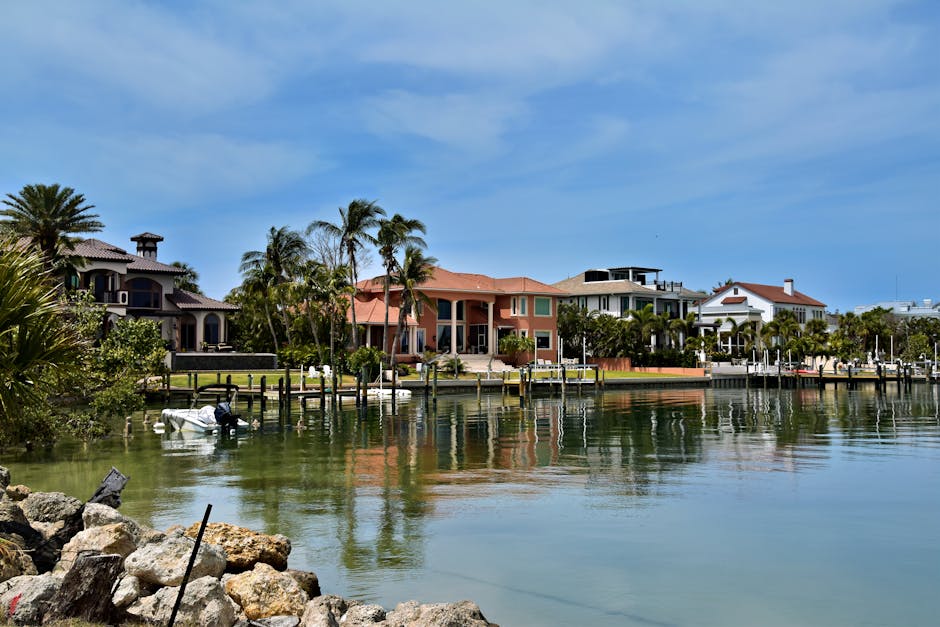
The definition of waterfront living in Tampa has undergone a significant transformation. Historically viewed as a secondary or vacation-focused market, the coastal and riverfront areas have emerged as primary residential choices for the city’s most affluent residents. This shift is particularly evident in neighborhoods like Davis Islands and along Bayshore Boulevard, where the proximity to the city core is matched by the exclusivity of riparian rights. The emergence of these areas as primary markets is a trend noted by The National Law Review, which highlights Tampa’s waterfront as a top-tier investment destination.
This evolution requires a different approach to due diligence. Buyers are no longer just looking at the view; they are scrutinizing the engineering of seawalls, the elevation of the first living floor, and the impact of recent coastal management policies. A waterfront property is a complex asset that requires an understanding of both maritime law and local building codes. Advisors now prioritize properties that offer a balance of aesthetic grandeur and technical resilience, ensuring that the investment remains protected against environmental variables.
Furthermore, the demand for deep-water access has reached an all-time high. Properties that can accommodate larger vessels are fetching significant premiums, often transacting off-market or through private networks. This scarcity of prime dockage is a key driver in the valuation of estates on Davis Islands and Harbor Island. For those looking to secure a foothold in this segment, it is vital to monitor LISTINGS URL regularly, as these high-demand waterfront assets often have a truncated market duration compared to inland counterparts.
Architectural Shifts and Buyer Preferences in South Tampa
In South Tampa neighborhoods like Hyde Park and Palma Ceia, architectural preferences are leaning toward a fusion of historical preservation and modern functionality. Buyers are increasingly favoring homes that respect the traditional vernacular of the neighborhood while incorporating state-of-the-art home automation, wellness-focused interiors, and high-efficiency climate control. The goal is a home that feels permanent and integrated, rather than a transient statement piece. This trend is a departure from the oversized mansions of previous decades, moving toward more curated, high-quality square footage.
We are observing a particular focus on “flexibility of space.” Modern luxury buyers require home offices that function as executive suites, guest quarters that provide complete privacy, and outdoor living areas that serve as year-round extensions of the home. In areas like Palma Ceia, where lot sizes can be restrictive, the premium is placed on intelligent design and vertical integration. The ability to maximize utility without sacrificing elegance is the hallmark of the most successful recent transactions in the district.
Sustainability has also moved from a niche interest to a primary requirement. High-end buyers are asking for solar readiness, advanced insulation techniques, and materials that can withstand Florida’s heat and humidity with minimal maintenance. This shift is reflected in the rising values of properties that carry LEED or similar certifications. When evaluating a potential acquisition, looking beyond the surface finishes to the mechanical and structural bones of the building is the advisor’s first priority. If you require a detailed assessment of a specific neighborhood’s architectural trends, you should CONTACT URL for a private consultation.
Critical Due Diligence for High-Value Acquisitions
Purchasing a luxury asset in Tampa requires a rigorous verification process that extends far beyond the standard home inspection. In a market where transactions can exceed twenty million dollars, the margin for error is non-existent. Sophisticated buyers must engage in a comprehensive analysis of the property’s physical and legal standing. This involves everything from geotechnical surveys to a deep dive into the historical permit records to ensure all modifications were performed to code and with the necessary approvals.
The following checklist represents the minimum standard for due diligence in the current luxury environment:
- Verify the structural integrity and remaining lifespan of any existing seawalls or docks on waterfront parcels.
- Review comprehensive elevation certificates and historical flood data to assess insurance premiums and risk mitigation.
- Analyze land-to-structure value ratios to ensure the underlying parcel supports the asking price in appreciating neighborhoods.
- Examine recent comparable sales above the twenty-two million mark to calibrate expectations for ultra-luxury valuation.
- Evaluate the integration and serviceability of smart-home systems and proprietary automation technologies.
- Conduct a thorough review of local zoning and future land-use maps to identify potential developments in the immediate vicinity.
Adherence to this protocol ensures that a buyer is making a decision-useful comparison between properties. It is often the unseen elements—such as the quality of the HVAC filtration or the thickness of the impact-resistant glass—that determine the long-term satisfaction and resale value of the home. In a competitive market, having this data ready can be the difference between a successful closing and a costly oversight.
The Rise of Ultra-Luxury Estates and Condo Developments
The ceiling for Tampa luxury continues to be pushed higher by the introduction of ultra-luxury estates and high-concept condo developments. A notable example is the recent market entry of properties with record-breaking price tags, far exceeding the previous historical high of $22.5 million. As reported by the WSJ, one massive estate in the region is currently listed for $115 million, signaling a new era of global interest in the Tampa Bay area. This scale of investment reflects a profound confidence in the region’s long-term economic trajectory.
Simultaneously, the luxury condo market is maturing. While historically a secondary choice to single-family homes, vertical living is now a preferred option for many due to the amenities and security it provides. Developments along the Water Street corridor and the downtown riverfront offer a level of service and convenience that is attracting a younger, more globally-mobile demographic. This segment of the market is characterized by a high demand for concierge services, private elevators, and expansive outdoor terraces that offer panoramic views of the bay.
According to Tampa Bay Business & Wealth, the city remains in the early stages of its luxury condo evolution, suggesting significant room for growth and appreciation in this sector. For investors, this represents an opportunity to acquire assets in buildings that will define the skyline for the next generation. The key is to identify developments with strong developer track records and high-quality HOA management structures.
Navigating Transaction Complexity and Market Timing
The complexity of a luxury real estate transaction in Tampa today requires more than just a real estate license; it requires a deep understanding of the local ecosystem. From navigating the intricacies of the Tampa Bay Times reported record-high sales to managing the expectations of multi-party negotiations, the process is intensive. Market timing, while always a factor, is secondary to property quality. In the luxury tier, the “right” property often does not have a seasonal cycle; it appears when it appears, and readiness is the only advantage.
Buyers should also be aware of the broader regional context. Florida’s real estate landscape is constantly being shaped by legislative updates and insurance market shifts, as frequently discussed in Florida Trend. An advisor who can interpret these macro factors and apply them to a specific South Tampa acquisition is invaluable. This perspective allows a buyer to move past the surface-level marketing and understand the true cost of ownership over a five-to-ten-year horizon.
Ultimately, the decision to acquire a high-end property in Tampa should be a calculated one. It is about aligning a physical asset with a specific set of requirements—whether that is privacy, access, or architectural significance. By focusing on data-backed insights and neighborhood-level implications, buyers can navigate the 2026 market with the confidence that their acquisition is both a sound financial move and a high-quality residential choice. We encourage you to review our current curated selection of properties and reach out to our team to discuss your specific objectives in the Tampa Bay region.
Navigating the Tampa luxury landscape requires a partner who understands the nuances of high-value transactions and the unique characteristics of our local neighborhoods. Whether you are seeking a historic estate in Hyde Park or a modern waterfront masterpiece on Davis Islands, our advisory team provides the analytical depth and market access necessary to secure your ideal property. We invite you to browse our current inventory of exclusive luxury homes for sale and contact a private advisor today to begin your strategic search.
Your next move in Tampa luxury
Get current inventory, pricing guidance, and private-tour support from our brokerage team.
Source highlights
- Tampa Bay’s most expensive luxury home sales of 2025 – Tampa Bay Times
- Tampa’s Price Record Is $22.5 Million. This Huge Estate Is Asking $115 Million. – WSJ
- Tampa Bay luxury market grows stronger despite national declines – The Business Journals
- Why Tampa remains an early-stage luxury condo market – Tampa Bay Business & Wealth
- Florida Trend Real Estate – Florida Trend
- Tampa Bay’s Waterfront Emerges as a Primary Luxury Real Estate Market – The National Law Review
- Things To Do In Tampa This Weekend: Fun Festivals & Events In Tampa This Weekend – That's So Tampa
- Things To Do In St Pete This Weekend: Best Festivals & Events Going On In St Petersburg – I Love the Burg
