


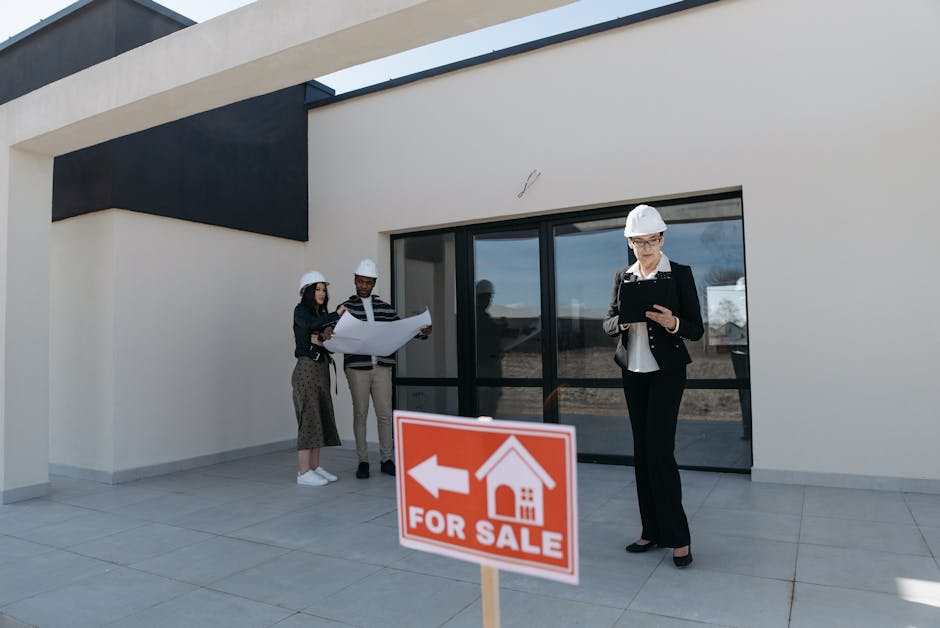
The Structural Maturity of Tampa’s Luxury Sector
The Tampa high-end market has transitioned from a regional interest to a primary destination for national and global capital. This shift is not merely anecdotal; it is evidenced by the entry of ultra-high-net-worth assets that redefine the local ceiling. Recent market movement, including a massive estate asking nine figures, signals a psychological and financial decoupling from the historical price norms of the Gulf Coast. As reported by the Wall Street Journal, the introduction of a $115 million listing serves as a benchmark for the city’s burgeoning status, even if the bulk of active inventory remains more accessible to the affluent professional.

Sophisticated buyers are now looking past the surface-level aesthetics to evaluate the underlying structural integrity and land value of these acquisitions. With a median list price currently hovering around $2,388,780, the market has established a robust ‘middle-tier’ of luxury that offers a balance of modern amenity and established neighborhood prestige. This stability is particularly notable given the broader national economic cooling, suggesting that Tampa’s specific demographic draws—no state income tax, infrastructure investment, and lifestyle consistency—continue to outweigh macro-level volatility.
For those navigating the current inventory of approximately 120 active luxury listings, the focus must remain on the long-term utility of the asset. We are seeing a move away from speculative purchasing toward high-utility primary residences. Buyers are prioritizing functional excellence, such as advanced home automation, sustainable building materials, and architectural designs that leverage the unique Florida light without sacrificing thermal efficiency. The market is no longer about finding a deal; it is about securing a position in a scarce and maturing ecosystem.
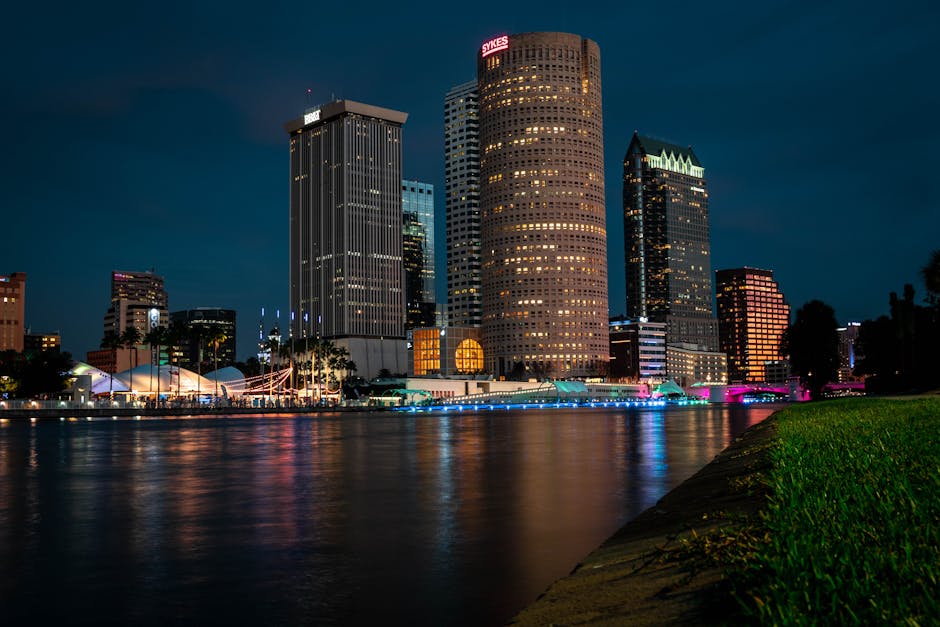
Hyper-Local Valuation: The Impact of Waterfront Scarcity
Waterfront properties remain the cornerstone of the Tampa portfolio, yet the definition of ‘prime’ is expanding. According to the National Law Review, Tampa’s waterfront has emerged as a primary luxury market, driven by limited supply and high institutional interest. The traditional preference for Bayshore Boulevard and Davis Islands is now supplemented by a demand for deep-water access in areas that offer more privacy and larger lot sizes. This scarcity creates a natural floor for valuations, shielding these assets from the fluctuations seen in inland suburban markets.
Investors and primary residents alike are scrutinizing the nuances of coastal construction more than ever. The valuation of a waterfront property is increasingly tied to its elevation and the quality of its seawall, rather than just the interior finishes. In an environment where replacement costs for high-end docks and shoreline stabilization are rising, a well-maintained exterior infrastructure can add significant premiums to the final sale price. Buyers are advised to verify all riparian rights and environmental easements before committing to a purchase in these competitive corridors.
Furthermore, the interaction between the urban core and the waterfront is evolving. The proximity to new downtown developments has made certain coastal pockets more desirable for those who require immediate access to the city’s business hubs while maintaining a maritime lifestyle. This duality is a key driver for the current average list price of over $3.1 million, as buyers are willing to pay a premium for the convenience of a short commute paired with the exclusivity of a water-facing backyard.
Neighborhood Dynamics and the Shift Toward Infill Luxury
While the water attracts global attention, the inland neighborhoods are seeing a different kind of renaissance. Established areas in South Tampa and the burgeoning luxury corridors in the Heights are experiencing a surge in custom infill projects. A prime example is the activity around North Florida Avenue and Grady Avenue, where properties like 6304 N Florida Avenue, priced at $2,200,000, demonstrate the viability of luxury outside the traditional waterfront enclave. These homes often offer a more contemporary architectural language that appeals to the tech-focused and entrepreneurial demographic moving into the region.
The move toward these neighborhoods is often driven by a desire for more land and less restrictive zoning compared to the historic districts. Buyers are finding value in large-scale residential lots that allow for expansive outdoor living areas, which have become a non-negotiable feature in the post-2020 market. This trend is also visible in the commercial sale sector, where land along Dr. Martin Luther King Jr. Boulevard is being repositioned for high-end mixed-use or multi-generational estates. The diversification of property types—from land to commercial sale to residential—provides a more resilient foundation for the local economy.
For the senior advisor, advising a buyer in these areas involves a deep dive into the neighborhood’s 10-year trajectory. The value proposition here is often linked to the growth of local amenities: boutique dining, private social clubs, and high-end fitness concepts. As these neighborhoods mature, the delta between ‘fringe luxury’ and ‘established luxury’ narrows, providing an opportunity for early-entry capital appreciation. It is essential to compare the price-per-square-foot of these infill projects against the older inventory on Davis Islands to truly gauge the relative value on offer.
The Checklist: Critical Due Diligence for the Tampa Luxury Buyer
Acquiring a high-value asset in a maturing market requires a systematic approach to verification. The following points should form the core of your pre-contract investigation to ensure the property aligns with both your lifestyle requirements and your long-term financial goals.
- Verify the structural integrity of all coastal fortifications, including seawalls and pilings, with a specialized marine engineering report.
- Review the property’s elevation certificate and the latest flood zone mapping to understand the implications for future insurance premiums and renovation limits.
- Analyze the surrounding zoning for both residential and commercial parcels to identify potential developments that could impact your privacy or views.
- Examine the history of custom builder performance in the neighborhood to ensure the asset was constructed to the highest standards of the era.
- Assess the home’s technological infrastructure, focusing on the scalability of smart home systems and the redundancy of its power supply.
- Evaluate the tax assessment history and potential for future adjustments, especially for properties that have undergone significant recent improvements.
The Condo Surge and Urban Core Transformation
Tampa is currently in what experts call an early-stage luxury condo market. This is a critical distinction for the savvy investor to understand. Unlike more saturated markets in South Florida, Tampa’s high-end vertical living options are still coming online, offering a first-mover advantage for those who prefer the turnkey nature of a luxury tower. Insights from Tampa Bay Business & Wealth highlight that the demand for these units is driven by a desire for managed amenities and proximity to the city’s growing cultural institutions.
These developments are not just about the units themselves, but the ecosystems they create. Many new projects integrate high-end hospitality brands, providing residents with access to five-star services that were previously unavailable in the Tampa market. This shift toward service-oriented living is attracting a different profile of buyer: the global traveler who spends only part of the year in Florida and requires a residence that can be effortlessly managed in their absence. The vertical market also offers a more predictable valuation model, as the price-per-square-foot is closely tied to the specific floor and view corridor.
However, the rapid pace of condo development necessitates a careful review of the association’s financial health and the long-term maintenance plan. As the market matures, the differentiation between ‘luxury-lite’ and ‘ultra-luxury’ will become more apparent. Discerning buyers should prioritize projects that offer exclusive features like private elevators, oversized terraces, and high-performance glass systems designed to withstand the tropical climate while maximizing panoramic views of the bay.
Economic Resilience Against National Volatility
While much of the United States has seen a pullback in luxury sales due to interest rate sensitivity and general economic uncertainty, the Tampa Bay market continues to demonstrate remarkable strength. Data from The Business Journals indicates that local luxury sales have remained robust despite national declines. This resilience is anchored by a persistent influx of wealth from high-tax states, which has created a permanent shift in the buyer pool. The current inventory of 120 properties is meeting a demand that is less sensitive to mortgage rates and more focused on the preservation of capital in tangible assets.
The local economy has also diversified significantly. Beyond real estate and tourism, Tampa has become a hub for finance, technology, and specialized healthcare. This professional growth supports the luxury market by creating a steady stream of high-earning local buyers who are moving up into the $2M+ bracket. The presence of these buyers provides a liquidity layer that is often missing in purely seasonal markets, ensuring that properties can be transacted with relative ease even during broader market shifts. The focus remains on quality over quantity, as evidenced by the high average list price of over $3 million.
For those looking to position themselves in the market, the current climate offers a unique window. While prices are not declining, the frantic bidding wars of previous years have subsided into a more professional negotiation environment. This allows for more thorough inspections and a more measured decision-making process. Buyers who can navigate this landscape with clear data and a long-term perspective are finding that Tampa offers one of the most compelling risk-adjusted real estate opportunities in the country today, as noted in the latest Florida Trend real estate reports.
Forward Outlook: Decision-Useful Guidance
Navigating the Tampa luxury market in 2026 requires more than a casual interest; it demands an analytical approach to neighborhood-level data and a keen understanding of global capital flows. Whether you are looking at the historic charm of South Tampa or the modern towers of the urban core, the fundamental drivers of value remain the same: scarcity, utility, and infrastructure. The market is increasingly rewarding those who prioritize long-term structural value over transient design trends. As the city continues to climb the ranks of global destinations, the window for securing these legacy assets at current valuations is likely narrowing.
If you are considering an acquisition or looking to understand how your current holdings fit into this evolving landscape, now is the time for a professional consultation. Success in this market is built on precise timing and access to off-market opportunities that never reach the public portals. We invite you to browse our current listings to see the standard of inventory available today. To discuss a tailored strategy for your specific real estate objectives, please contact one of our advisors today for a private and comprehensive market briefing.
Your next move in Tampa luxury
Get current inventory, pricing guidance, and private-tour support from our brokerage team.
Source highlights
- Tampa Bay’s most expensive luxury home sales of 2025 – Tampa Bay Times
- Tampa’s Price Record Is $22.5 Million. This Huge Estate Is Asking $115 Million. – WSJ
- Tampa Bay luxury market grows stronger despite national declines – The Business Journals
- Why Tampa remains an early-stage luxury condo market – Tampa Bay Business & Wealth
- Florida Trend Real Estate – Florida Trend
- Tampa Bay’s Waterfront Emerges as a Primary Luxury Real Estate Market – The National Law Review
- Things To Do In Tampa This Weekend: Fun Festivals & Events In Tampa This Weekend – That's So Tampa
- Things To Do In St Pete This Weekend: Best Festivals & Events Going On In St Petersburg – I Love the Burg
