


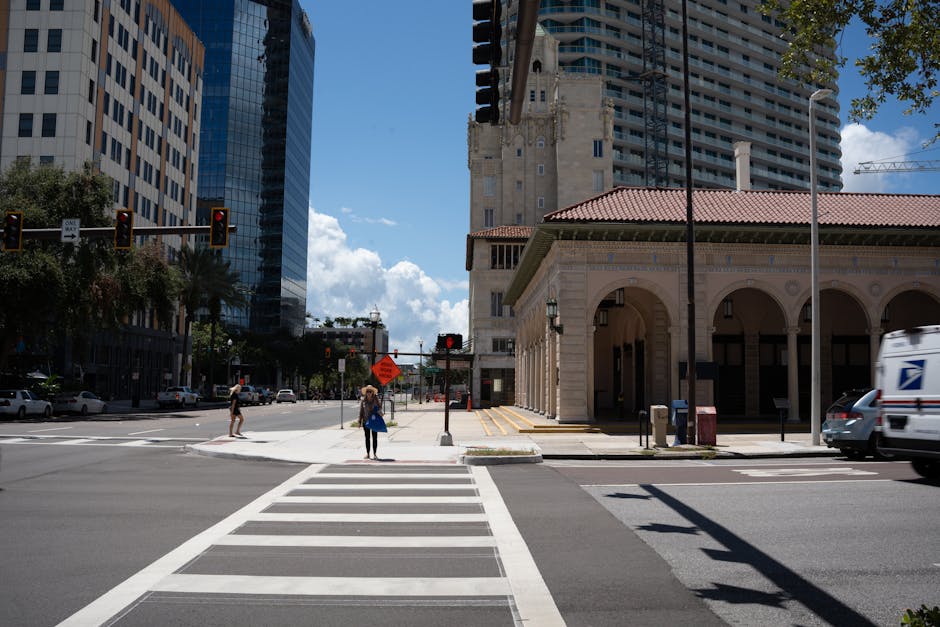
The Paradigm Shift in Tampa’s Premium Real Estate
The architecture of Tampa’s high-end property sector has fundamentally transformed over the past thirty-six months. What was previously categorized as an accessible secondary market has rapidly evolved into a primary destination for affluent buyers demanding uncompromising quality. This structural shift is supported by recent inventory metrics indicating an average list price exceeding three million dollars across active premium listings. Buyers from traditional wealth centers are no longer approaching the region seeking value alternatives; they are arriving with precise expectations for legacy assets, accelerating a pronounced pricing recalibration at the top of the market.
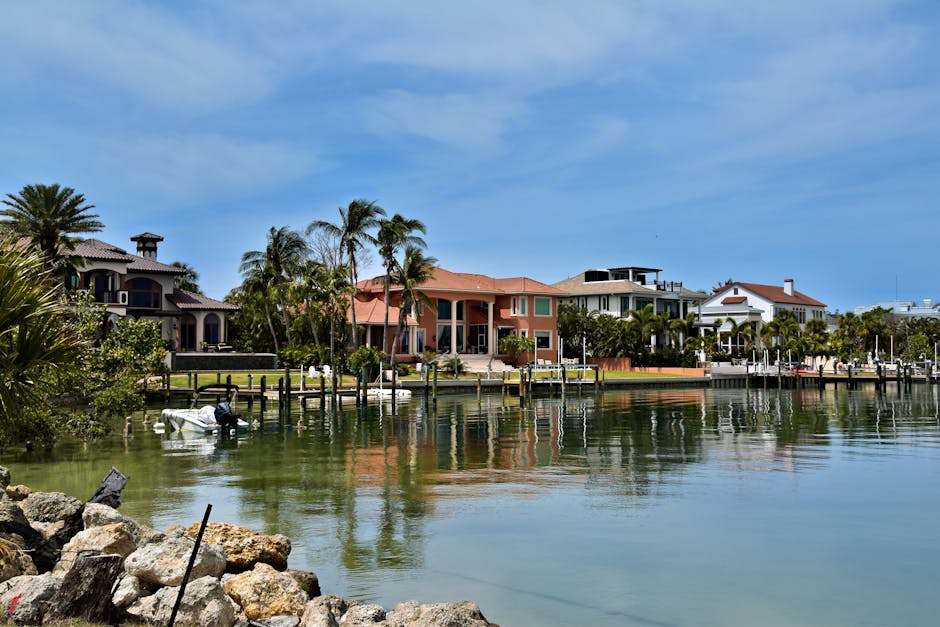
This upward trajectory is visible in the pricing milestones currently being tested. According to recent reporting from The Wall Street Journal on Tampa’s pricing records, while the established high mark sits near twenty-two million dollars, aspirational listings are now entering the market at over one hundred million. This dramatic expansion of the pricing ceiling signals profound confidence among sellers of legacy estates, particularly those possessing significant acreage or deep-water access. For incoming buyers, this necessitates a more analytical approach to valuation.
Consequently, the pace of acquisition has shifted from speculative haste to calculated deliberation. High-net-worth individuals are evaluating their options with a focus on long-term wealth preservation. They are analyzing underlying land value, structural integrity, and neighborhood trajectory before committing capital. The presence of roughly one hundred and twenty active luxury listings provides a moderate inventory baseline, but the most exceptional properties trade rapidly, often before broad market syndication.

Waterfront Estates and the Geographic Distribution of Wealth
The geographic concentration of premium property is highly specific, with coastal and canal-front corridors commanding the most aggressive premiums. Historic areas like Davis Islands and the established enclaves of South Tampa maintain their status as the most coveted residential addresses. These neighborhoods offer a distinct combination of mature canopy streets, historical provenance, and proximity to the urban core. The rise of the region’s waterfront properties emerging as a primary focus for institutional-level wealth underscores the premium placed on navigable water access and sweeping bay views.
Evaluating a waterfront asset requires distinguishing between open-bay exposure and protected canal frontage. Open-bay properties deliver expansive sightlines and prevailing breezes, though they require sophisticated seawall engineering to manage tidal energy. Conversely, protected canals offer secure dockage for significant vessels and a private living environment. Buyers must align maritime requirements with the specific characteristics of the lot, understanding that the value of the dirt often surpasses the structure sitting upon it.
Beyond the immediate city limits, the migration of wealth is reshaping adjacent submarkets. Corporate leadership and founders are increasingly looking at the broader regional landscape, with executives frequently choosing broader regional hubs like St. Petersburg for their primary residences. This dispersion indicates that criteria for premium living are broadening, focusing on walkability, cultural access, and bespoke architecture.
The Evolution of the Vertical Luxury Market
While expansive single-family estates historically dominated the local premium sector, the skyline is currently experiencing a sophisticated vertical transformation. The development of ultra-luxury condominiums along the Water Street corridor and Bayshore Boulevard caters to a demographic prioritizing frictionless living. Despite rapid development, analysts continue to view the region as an early-stage luxury condo market, offering significant upside potential compared to the mature vertical markets of Miami or New York.
The value proposition of these new developments extends far beyond the square footage of the individual unit. Developers are integrating comprehensive lifestyle services, including private dining, advanced wellness facilities, and dedicated concierge teams. For the affluent buyer, this represents a highly efficient living solution that requires minimal localized management, making it an ideal primary residence or a sophisticated secondary holding.
Assessing these vertical assets requires a meticulous review of the homeowner association’s financial health, the developer’s track record for delivering promised amenities, and the long-term impact of surrounding construction on existing view corridors. Buyers should demand clarity on assessment schedules and reserve funding, as the ongoing maintenance of highly amenitized buildings significantly impacts the total cost of ownership.
Analytical Due Diligence for High-Value Acquisitions
Securing a premium property in this environment demands a rigorous approach to due diligence. The aesthetic appeal of a residence must be weighed against its structural resilience, infrastructural capacity, and regulatory compliance. Buyers should assemble a team of specialists to empirically verify the condition and potential of the asset before finalizing the acquisition.
Relying solely on standard inspection protocols is insufficient for properties of this caliber. The following criteria represent the fundamental baseline for evaluating high-value real estate in the current market environment:
- Assess structural elevation certificates and verify any localized flood zone modifications.
- Evaluate the provenance and permitting history of major renovations, particularly within historic districts like Hyde Park.
- Analyze the immediate access to deep-water canals, confirming precise draft restrictions for yacht-ready parcels.
- Review forthcoming municipal infrastructure improvements or commercial developments that could alter long-term neighborhood valuation.
- Examine recent off-market and closed comparable sales within a tight half-mile radius to establish a definitive baseline for asset value.
By systematically verifying these elements, buyers mitigate risk and establish a highly informed negotiating position. Understanding the precise capabilities and limitations of a property ensures that the final acquisition aligns flawlessly with both immediate lifestyle requirements and long-term portfolio strategies.
The Influence of Civic Infrastructure and Cultural Density
The valuation of premium real estate is inextricably linked to the surrounding civic and cultural infrastructure. Tampa’s urban core is experiencing a sustained period of intense capital investment, resulting in a significantly enhanced cultural landscape. The density of high-caliber dining, private social clubs, and professional sports venues has created an environment that attracts and retains affluent residents demanding sophisticated local programming.
This heightened level of civic engagement directly impacts the functionality of the urban environment. During peak seasons, the convergence of major events creates a dynamic atmosphere. For instance, heavy traffic and elevated civic activity frequently surround the downtown corridors as the calendar fills with regional festivals and cultural exhibitions. Savvy buyers map their primary routes to ensure their daily routines remain insulated from these periods of high density.
Ultimately, proximity to these cultural amenities serves as a primary driver of sustained property appreciation. Estates and penthouses located within immediate, walkable reach of these enhanced districts consistently command premium valuations and exhibit stronger resistance to broader market fluctuations. The convenience of accessing top-tier cultural capital without compromising privacy remains a compelling argument for localized investment.
Structuring the Acquisition and Executing the Transaction
Navigating the acquisition of a multimillion-dollar asset requires moving beyond basic transactional mechanics and employing strategic negotiation frameworks. High-end transactions frequently involve complex contingencies, intricate holding structures, and strict privacy requirements. Buyers must clarify their capital deployment strategy early in the process, as the ability to execute quickly and quietly provides a distinct competitive advantage over purchasers relying on traditional financing timelines.
The current median list price sitting near two and a half million dollars indicates a robust middle tier within the luxury segment, but properties exhibiting unique architectural significance routinely detach from these baseline metrics. When targeting these exceptional assets, the negotiation should focus less on marginal price reductions and more on controlling the terms of the transaction. This includes dictating the timeline for extensive inspections, structuring post-occupancy agreements, or requiring the completion of specific structural enhancements prior to closing.
Furthermore, discretion remains paramount. Many of the most significant transactions occur completely off-market, requiring an advisory team with deep local relationships and immediate access to unlisted inventory. Engaging with an advisor who understands the nuanced motivations of ultra-high-net-worth sellers allows buyers to structure offers that address complex liquidity needs or timeline constraints, facilitating a smoother and more favorable acquisition process.
Initiating Your Market Strategy
The current environment presents a distinct opportunity for decisive, well-capitalized buyers to secure generational assets in one of the nation’s most rapidly maturing luxury markets. Success requires abandoning generic search strategies in favor of a highly analytical, relationship-driven approach to asset identification and acquisition. Thorough market knowledge, combined with precise execution, separates a standard transaction from a strategic portfolio addition.
Whether you are seeking a prominent waterfront estate or a highly amenitized penthouse in the urban core, understanding the local micro-dynamics is the first step toward a successful acquisition. We invite you to browse our curated portfolio of listings to gain a clearer perspective on the caliber of properties currently available. The properties that trade at this echelon demand meticulous representation and an unwavering commitment to your specific strategic objectives.
To begin formulating your distinct acquisition strategy, we encourage you to contact a senior advisor today. Our team provides the analytical rigor, market intelligence, and absolute discretion necessary to navigate the complexities of this premium property sector effectively.
Your next move in Tampa luxury
Get current inventory, pricing guidance, and private-tour support from our brokerage team.
Source highlights
- Tampa’s Price Record Is $22.5 Million. This Huge Estate Is Asking $115 Million. – WSJ
- Tampa Bay’s most expensive luxury home sales of 2025 – Tampa Bay Times
- Column: Why executives keep choosing St. Pete – The Business Journals
- Why Tampa remains an early-stage luxury condo market – Tampa Bay Business & Wealth
- Florida Trend Real Estate – Florida Trend
- Tampa Bay’s Waterfront Emerges as a Primary Luxury Real Estate Market – The National Law Review
- Things To Do In Tampa This Weekend: Best Festivals & Events Going On – That's So Tampa
- 40+ Best Things to Do in Tampa Bay this Month: Events and MORE! – Tampa Bay Date Night Guide
