



The Evolution of Primary Waterfront Acquisition
The Tampa luxury sector has undergone a fundamental transformation, transitioning from a seasonal secondary market into a primary destination for national capital and high-net-worth individuals. This evolution is most visible along the waterfront corridors of Davis Islands and Harbour Island, where demand for substantial primary residences has outpaced traditional vacation home interest. Modern buyers are no longer prioritizing mere proximity to the water; they are seeking sophisticated architectural integration and hardened infrastructure capable of supporting a year-round coastal lifestyle. This structural shift is cementing the region’s status as a top-tier residential hub for those departing higher-tax jurisdictions.
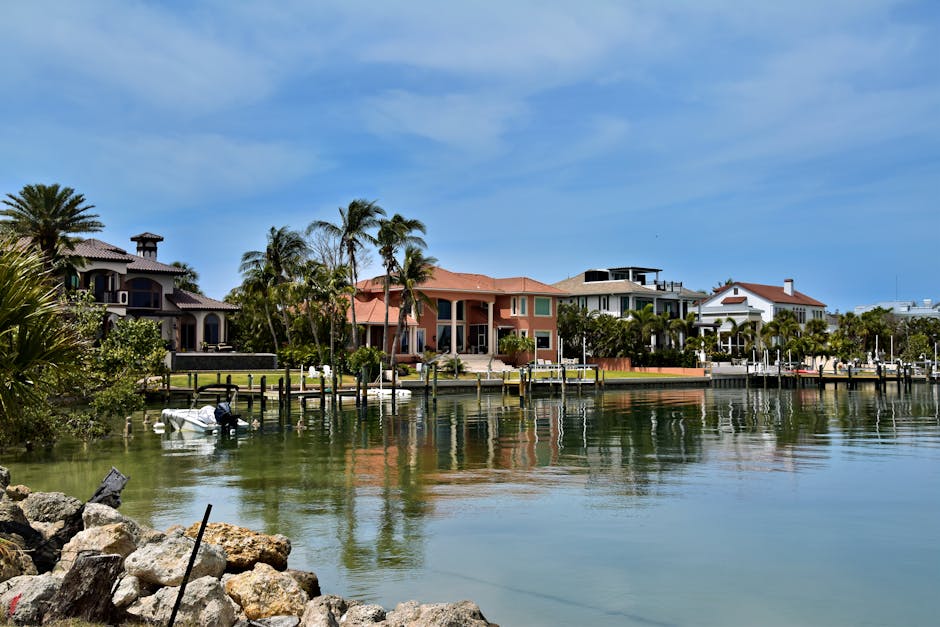
As documented by the National Law Review, the emergence of Tampa’s waterfront as a primary market is supported by significant investments in both private estates and public infrastructure. This maturity is reflected in the quality of new construction, which now emphasizes sustainability and long-term durability. For the private advisor, the focus has shifted from simple aesthetics to evaluating the technical specifications of a property, ensuring that the asset can withstand the environmental demands of the Gulf Coast while providing the privacy required by high-profile residents. Analyzing the current listings for sale reveals a clear preference for these high-specification builds.
Executive Migration and the Corporate Footprint
The influx of C-suite executives and venture-backed founders into the Tampa Bay area is a primary driver of the current market velocity. This trend is not merely anecdotal; it is a calculated response to the region’s business-friendly environment and the expanding corporate footprint in downtown Tampa and nearby St. Petersburg. Executives are increasingly choosing this region for its balance of lifestyle and professional connectivity, often relocating entire management teams to leverage the local talent pool and infrastructure. The decision-making process for these buyers is heavily influenced by proximity to private aviation hubs and top-tier educational institutions.
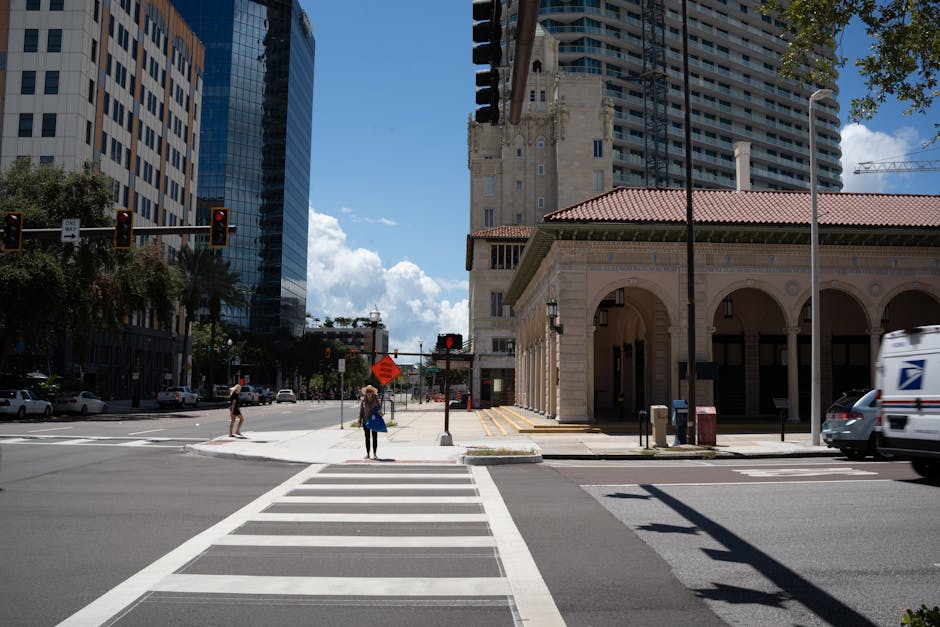
Recent reports from The Business Journals highlight why decision-makers are favoring this side of the bay, citing the ease of doing business and the lifestyle parity with major financial centers. In neighborhoods like South Tampa and Palma Ceia, the competition for trophy properties remains intense as inventory levels struggle to keep pace with the influx of permanent residents. This scarcity has led to a rise in off-market transactions, where discretion and established networks are the primary currency for successful acquisition. Buyers at this level are advised to engage with specialists who understand the nuances of non-public inventory.
Benchmarking Value in an Early-Stage Condo Market
While single-family estates remain the cornerstone of the local market, the vertical luxury segment is entering a new phase of maturity. The development along Bayshore Boulevard and the Water Street district has introduced a level of service and amenity-driven living previously reserved for markets like Miami or New York. However, Tampa remains in what analysts call an early-stage luxury condo market. This presents a unique window for buyers to secure prime positions in landmark buildings before the segment reaches full saturation. The value proposition here lies in the combination of panoramic views and the low-maintenance lifestyle of high-rise living.
According to research from Tampa Bay Business & Wealth, the local vertical market is characterized by a high percentage of end-user buyers rather than speculative investors. This stability is a key differentiator for the region, reducing the volatility often associated with high-end condominium developments. When comparing vertical options to traditional estates in areas like Beach Park or Culbreath Isles, buyers must weigh the advantages of full-service concierge support against the privacy and land value of a detached residence. Each path requires a different set of due diligence priorities, particularly regarding association governance and long-term capital improvement plans.
The High-End Acquisition Due Diligence Framework
Navigating the acquisition of a multi-million dollar asset in Tampa requires a rigorous framework that extends beyond standard inspections. The sophistication of the local market means that savvy buyers must evaluate properties through the lens of long-term utility and risk mitigation. For instance, when considering a waterfront estate, the integrity of the seawall and the elevation of the living areas are paramount. Similarly, for inland properties in historic districts like Hyde Park, understanding the constraints of architectural preservation is essential for any planned renovations. Verification of these factors should be completed early in the negotiation phase.
- Evaluation of shoreline armoring and coastal construction control lines for waterfront assets.
- Verification of integrated smart home infrastructure and fiber-optic connectivity for remote executive operations.
- Review of private school enrollment availability and transport logistics from the specific neighborhood.
- Analysis of recent comparable sales within a narrow radius to ensure pricing alignment with actual closed data.
- Assessment of neighborhood accessibility during major local events to understand traffic patterns and privacy impacts.
- Audit of Homeowners Association (HOA) financial health and historical assessment patterns for vertical residences.
Pricing Psychology and Inventory Velocity
Current market data shows a median list price for luxury properties at approximately $2,490,000, with average prices climbing toward the $3,165,369 mark. This gap indicates a significant concentration of ultra-high-end inventory that skews the average, while the median remains a more accurate reflection of the broader luxury segment. Buyers should be aware that the most desirable properties—those with modern floor plans and updated systems—often move quickly, while dated inventory may linger. Understanding this pricing psychology is critical when formulating an offer that is both competitive and grounded in current market realities.
The record-breaking interest in the region is exemplified by the recent listing of massive estates, such as those covered by the Wall Street Journal, where asking prices have reached unprecedented levels. While these trophy assets represent the apex of the market, they set a new ceiling for the entire region, influencing valuations in surrounding neighborhoods. For those looking to enter the market, the strategy should involve a careful balance of identifying intrinsic value and recognizing the premium commanded by unique locations or historical significance. This is where professional guidance becomes indispensable to avoid over-leveraging in a fast-moving environment.
Infrastructure, Connectivity, and Local Dynamics
Living in the heart of a rapidly growing city like Tampa requires an understanding of how local infrastructure and events impact daily life. From the professional sports presence to the high-profile festivals that draw national crowds, the city’s activity levels are a double-edged sword for luxury residents. In neighborhoods like Westshore or Downtown, accessibility can vary significantly depending on the local calendar. Prospective buyers are encouraged to investigate how the city manages these dynamics, particularly regarding traffic flow and residential privacy during peak periods. Staying informed on these patterns is part of being a well-integrated local resident.
Resources such as That’s So Tampa provide a regular pulse on the city’s movement, which can be useful for planning around major neighborhood disturbances or social opportunities. A property that offers easy egress to the airport and major thoroughfares without being exposed to the noise of the city’s commercial hubs is the ideal. As the city continues to expand its footprint, the premium on centrally located but quiet enclaves will only increase. Identifying these specific pockets requires a deep familiarity with the street-level nuances of the region, which goes far beyond what any automated market report can provide.
Securing Your Position in the Tampa Corridor
The decision to acquire a luxury asset in Tampa is as much about positioning as it is about the property itself. As the market continues to mature and attract global attention, the window for securing prime waterfront or historic estates is narrowing. Success in this environment requires a proactive approach, backed by real-time data and a clear understanding of the local residential landscape. Whether you are relocating for corporate purposes or seeking a permanent coastal retreat, the goal is to find a residence that aligns with your specific lifestyle requirements while offering long-term investment stability. The current inventory presents a diverse range of opportunities for the discerning buyer who is ready to move with precision.
Navigating these complexities is best handled with the assistance of a dedicated advisor who can provide neighborhood-level implications and practical takeaways for every transaction. We invite you to explore the current inventory of high-end homes to gauge the market’s current offerings and identify properties that meet your criteria. Once you have a sense of the available options, reach out to contact an advisor who can provide the analytical brief necessary to make an informed decision and secure your future in one of Florida’s most dynamic luxury markets.
Your next move in Tampa luxury
Get current inventory, pricing guidance, and private-tour support from our brokerage team.
Source highlights
- Tampa’s Price Record Is $22.5 Million. This Huge Estate Is Asking $115 Million. – WSJ
- Tampa Bay’s most expensive luxury home sales of 2025 – Tampa Bay Times
- Column: Why executives keep choosing St. Pete – The Business Journals
- Why Tampa remains an early-stage luxury condo market – Tampa Bay Business & Wealth
- Florida Trend Real Estate – Florida Trend
- Tampa Bay’s Waterfront Emerges as a Primary Luxury Real Estate Market – The National Law Review
- Things To Do In Tampa This Weekend: Best Festivals & Events Going On – That's So Tampa
- Things To Do In St Pete This Weekend: Best Festivals & Events Going On In St Petersburg – I Love the Burg
