


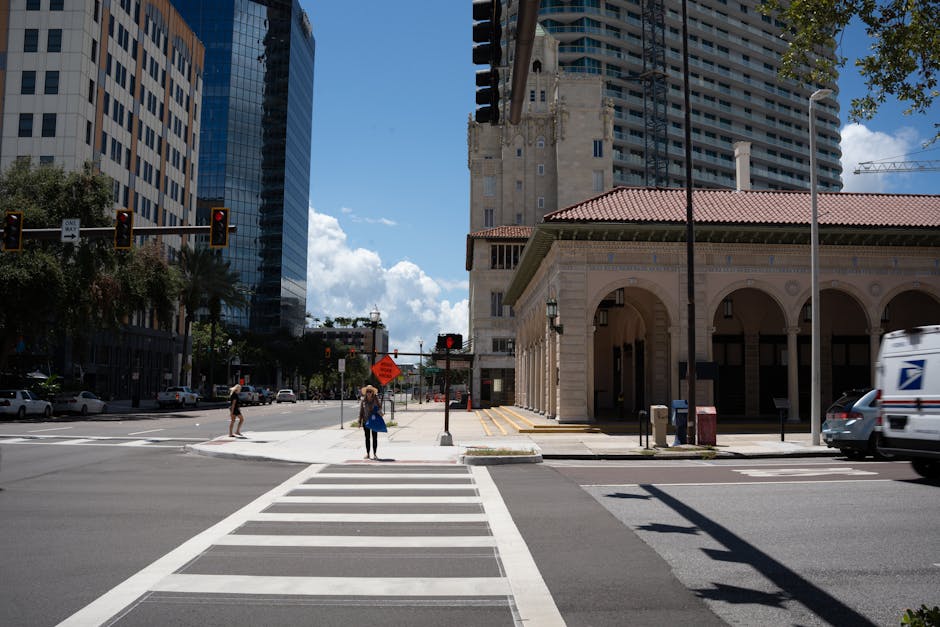
The Maturation of Tampa’s Waterfront Corridors
The geography of Tampa’s high-end residential market is undergoing a fundamental shift. Historically viewed through a lens of seasonal occupancy, neighborhoods such as Davis Islands and Bayshore Boulevard have transitioned into established primary residence hubs. This evolution is driven by a persistent influx of domestic capital and a growing preference for walkable urban-coastal density. Unlike traditional resort markets, Tampa’s luxury core maintains its valuation through infrastructure stability and a diverse professional base, rather than purely discretionary spending.

As the waterfront emerges as a primary market, we are seeing a compression in inventory for oversized lots. Buyers are no longer merely looking for a view; they are prioritizing structural resilience and proximity to the private aviation facilities and commercial districts of Westshore. This demand has pushed the median list price in the luxury tier to approximately $2,490,000, reflecting a market that is increasingly priced for permanent relocation rather than secondary investment.
Valuation Discrepancies and Market Liquidity
Sophisticated buyers must distinguish between aspirational pricing and historical benchmarks. While recent headlines focus on massive estates asking nine-figure sums, the actual record for a closed sale in Tampa stands at $22.5 million. The gap between these figures highlights a specific tension in the current landscape: a shortage of ultra-prime inventory versus a cautious buyer pool that is sensitive to over-leveraging. Current pricing records are being challenged, but liquidity remains concentrated in the $2 million to $5 million range, where properties like those on North Florida Avenue offer a different value proposition than the legacy estates of South Tampa.
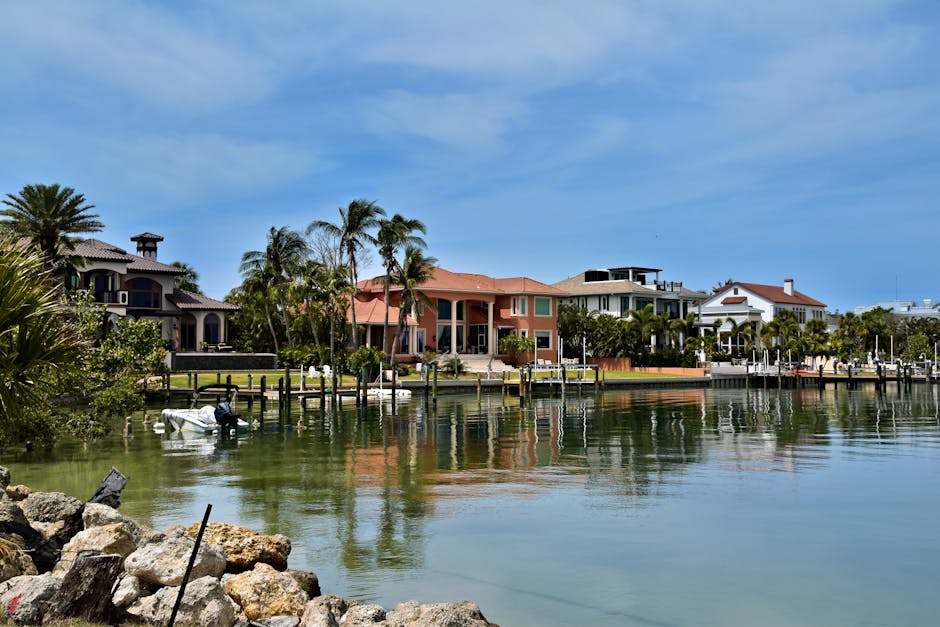
Analyzing the average list price of $3,165,369 across active luxury inventory reveals a market that is heavily weighted toward new construction and significant renovations. For the advisor, the challenge lies in identifying which properties justify their premium through architectural integrity rather than cosmetic staging. Buyers are increasingly utilizing independent appraisals and environmental assessments as standard components of their due diligence, moving away from the rapid-fire acquisition pace seen in previous cycles. This return to fundamental analysis is a healthy indicator of market maturity.
Critical Factors for High-End Site Selection
Selecting a property in the current environment requires a multi-layered approach that accounts for more than just aesthetics. As the density of the urban core increases, the following variables have become decisive factors in long-term capital preservation and residential utility. Investors and primary residents should weigh these elements before committing to a specific corridor or property type.
- Elevation and Flood Mitigation: Assessing recent structural upgrades and local drainage improvements in areas like Beach Park.
- Development Pipeline: Verifying adjacent zoning to ensure that protected views or neighborhood character will not be compromised by future density.
- Commute Logistics: Analyzing the impact of major events and urban traffic patterns on daily movement to and from executive centers.
- Historical Preservation Rules: Understanding the limitations on renovation for properties within the Hyde Park historic district.
- Basis Analysis: Comparing the cost of acquisition plus renovation against the replacement cost of new construction in the same sub-market.
Each of these factors contributes to the overall risk profile of an acquisition. While a property may appear competitively priced, the hidden costs of compliance or future environmental mitigation can significantly alter the net return. We advise a thorough review of the broader real estate trends in Florida to understand how statewide policy shifts—particularly regarding insurance and building codes—impact local valuations.
The Executive Migration: Inter-City Dynamics
A notable trend is the movement of high-level executives between St. Petersburg and Tampa. While Tampa remains the traditional seat of finance and logistics, St. Petersburg has attracted a younger demographic of leadership within the tech and creative sectors. The reasons executives continue choosing St. Pete often revolve around the lifestyle amenities and walkability of its downtown core, but Tampa maintains a competitive edge for those requiring larger residential footprints and proximity to top-tier private education.
This inter-city fluidity has created a unique micro-market where luxury buyers are comparing Hyde Park brownstones to St. Petersburg high-rises. The decision often hinges on the frequency of travel and the need for a dedicated office environment. In Tampa, the availability of land in areas like Grady Avenue allows for the construction of expansive home offices and multi-generational suites that are harder to find in the more constrained St. Petersburg market. Understanding these behavioral nuances is essential for predicting which sub-markets will see the most consistent appreciation over the next five years.
The Trajectory of the Luxury Condominium Market
Tampa is currently in an early-stage luxury condo market, a phase characterized by the introduction of branded residences and high-service vertical living. Historically, the city’s affluent buyers preferred single-family estates, but the convenience of ‘lock-and-leave’ lifestyle options is gaining traction. The early-stage luxury condo market provides an entry point for those looking to transition from traditional homes without sacrificing the amenities of a five-star hotel. This shift is most visible in the Water Street and Downtown districts, where new towers are redefining the skyline.
For the buyer, the vertical market offers a different set of considerations, including HOA structures, common area management, and long-term assessment risks. However, the price per square foot in these new developments often exceeds that of established single-family neighborhoods, signaling a shift in how value is calculated in the urban core. We anticipate that as more units are delivered, the secondary market for these high-end condos will become a significant driver of overall luxury transaction volume in the region.
Logistical Realities and Urban Growth
Living in a growing metropolitan area requires an understanding of the logistical challenges that accompany success. Tampa’s calendar is increasingly populated with major events that impact movement and accessibility. For instance, the weekend traffic advisories issued by the city are a proxy for the increasing density of the South Tampa and Downtown corridors. These patterns influence residential desirability; properties with multiple access points or those located outside of primary event choke-points are seeing increased interest from local buyers who understand the seasonal rhythms of the city.
This growth is not limited to the residential sector. Commercial development in the Westshore district and the expansion of medical facilities in the downtown core are providing a solid economic foundation for residential prices. When evaluating a property, we look beyond the immediate neighborhood to see how these commercial investments will impact future demand. The stability of a luxury market is often tied to the underlying strength of its local economy, and Tampa’s current trajectory suggests a robust mid-to-long-term outlook for high-end assets.
Strategic Entry and Portfolio Alignment
Success in the Tampa luxury market is rarely the result of following the crowd. It requires a disciplined approach to valuation and an intimate knowledge of neighborhood-level movements. Whether comparing a modern build in Beach Park to a historic estate in Hyde Park, the decision should be guided by a clear understanding of your long-term residency goals and a realistic assessment of market liquidity. As inventory remains tight, with only 120 active luxury units, the ability to act with precision and comprehensive data is more critical than ever.
We encourage you to perform a detailed search of our current listings to identify properties that align with your specific criteria for elevation, lot size, and architectural style. Once you have identified potential assets, the next step is a private consultation to discuss the nuances of the local landscape. Our advisors provide the analytical depth required to navigate complex transactions with confidence. Contact an advisor today to begin a strategic review of your real estate objectives in the Tampa Bay area.
Your next move in Tampa luxury
Get current inventory, pricing guidance, and private-tour support from our brokerage team.
Source highlights
- Tampa’s Price Record Is $22.5 Million. This Huge Estate Is Asking $115 Million. – WSJ
- Tampa Bay’s most expensive luxury home sales of 2025 – Tampa Bay Times
- Column: Why executives keep choosing St. Pete – The Business Journals
- Why Tampa remains an early-stage luxury condo market – Tampa Bay Business & Wealth
- Florida Trend Real Estate – Florida Trend
- Tampa Bay’s Waterfront Emerges as a Primary Luxury Real Estate Market – The National Law Review
- Things To Do In Tampa This Weekend: Best Festivals & Events Going On – That's So Tampa
- Things To Do In St Pete This Weekend: Best Festivals & Events Going On In St Petersburg – I Love the Burg
