


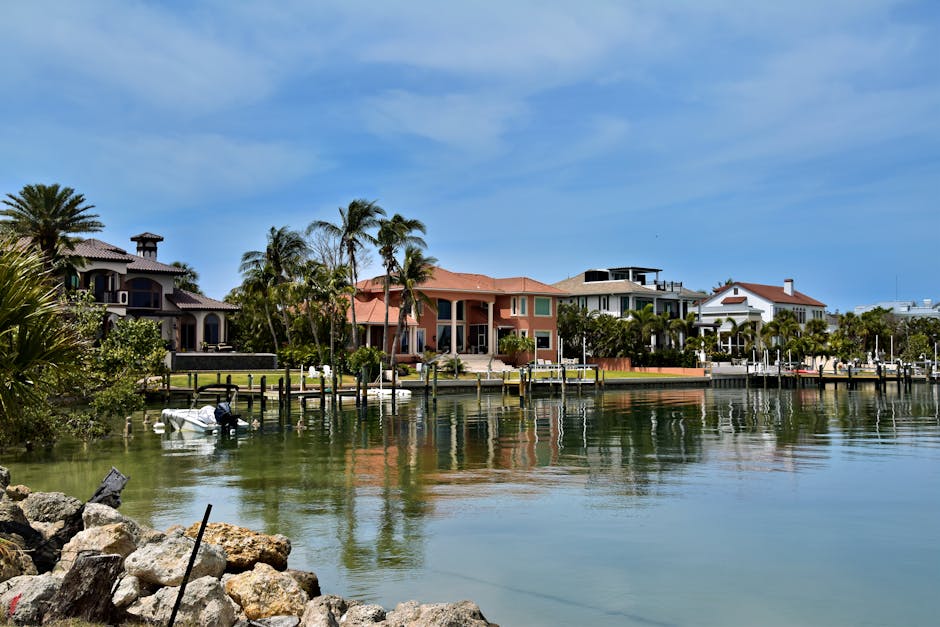
The Established Baseline for High-End Tampa Assets
The current landscape of the Tampa luxury market is defined by a distinct stabilization of value at the $2,490,000 median price point. With approximately 120 active luxury listings currently available, the market is no longer operating under the frenetic conditions seen in previous cycles. Instead, buyers are encountering a more measured environment where the average list price has settled near $3,168,660. This shift reflects a sophisticated buyer base that prioritizes long-term utility and structural integrity over speculative gains. High-profile properties such as those found on Troutwater Lane, currently positioned around $2,650,000, serve as benchmarks for what a mid-seven-figure investment yields in the current climate.
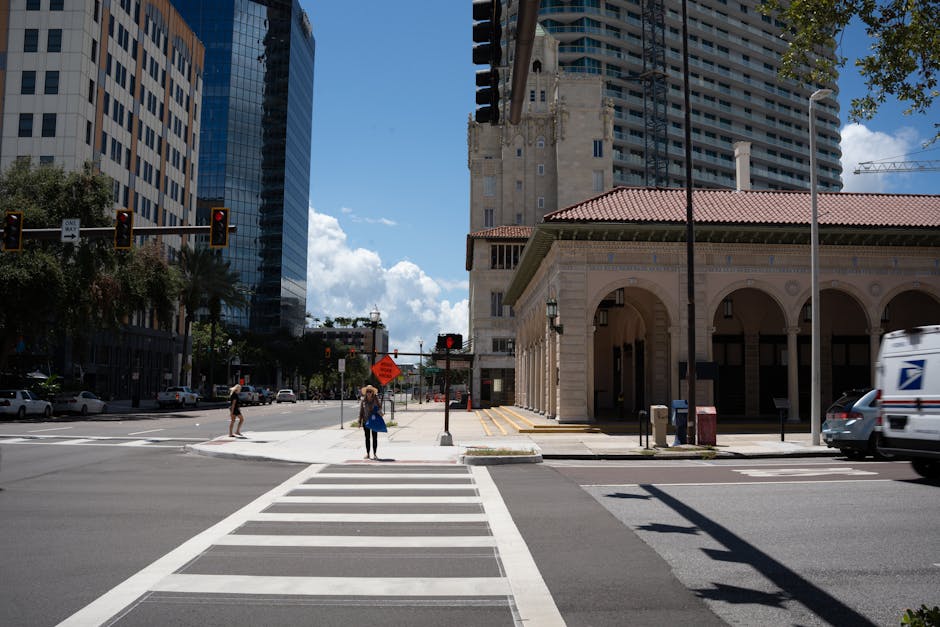
Data indicates that while inventory remains relatively tight compared to historical norms, the quality of available stock has improved. Modern construction standards and renovated estates are increasingly common in the $2 million to $5 million range. This tier of the market is particularly active because it represents the sweet spot for professional executives and families relocating for the region’s burgeoning tech and healthcare sectors. The demand is not merely for square footage, but for architectural relevance and proximity to established corridors such as South Tampa and the Westshore district. Analysts are watching these figures closely to determine if the current plateau represents a temporary pause or a new permanent floor for the region’s premium zip-less neighborhoods.
The upper echelon of the market continues to see outliers that push regional boundaries, such as the massive estate recently profiled by the Wall Street Journal, which carries a record-breaking nine-figure asking price. While such listings grab headlines, the bulk of institutional and private wealth is focused on properties between $2 million and $7 million. This range offers the best balance of liquid value and residential utility. Successful acquisitions in this tier require a deep understanding of local land value versus the replacement cost of high-end finishes, especially as labor and material costs remain elevated.
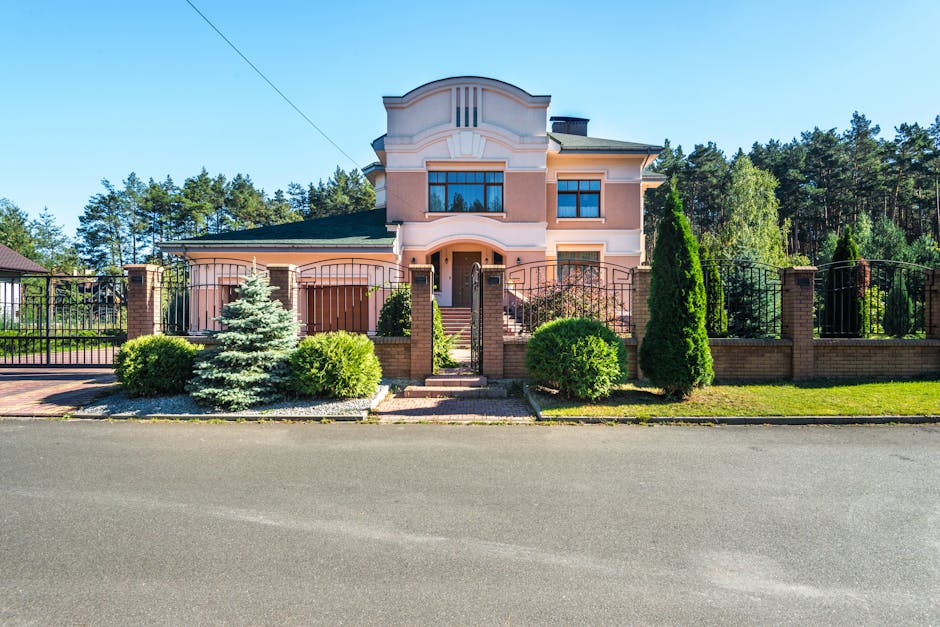
Waterfront Estates as Primary Residential Hubs
There has been a fundamental shift in how waterfront property is utilized in the Tampa Bay area. Historically viewed as seasonal retreats or secondary vacation homes, these assets are increasingly being acquired as primary residences. This transition is documented in recent reports from The National Law Review, which highlights the emergence of the regional waterfront as a primary luxury market. Buyers are looking for properties that accommodate full-time work-from-home requirements, including dedicated office suites and high-bandwidth connectivity, without sacrificing the riparian lifestyle that defines the Gulf Coast.
Neighborhoods like Davis Islands and Harbor Island are at the forefront of this movement. The proximity to the urban core while maintaining a secluded, coastal atmosphere is a combination that continues to drive competition. In these areas, the focus is on the seawall integrity and the depth of the water at the dock. Serious buyers are prioritizing properties that have already undergone significant mitigation for modern weather standards. This trend is visible in the recent sales of waterfront luxury now offered at adjusted price points, a strategy seen in high-end listings by firms like Haute Living. The valuation is no longer just about the view; it is about the long-term viability of the site.
As waterfront inventory remains scarce, buyers are looking at properties that offer a mix of legacy value and modern efficiency. The market is seeing a rise in tear-down activity on premium lots, where older structures are being replaced by elevated, storm-resistant modern designs. This has created a bifurcated market where the land itself often carries more than 50% of the total property value. Navigating this requires a advisor who understands riparian rights and the nuances of the local permitting process, ensuring that the investment is protected against both environmental and regulatory changes.
The Executive Migration Toward St. Petersburg and South Tampa
A notable trend in the regional market is the consistent choice made by corporate executives to relocate to St. Petersburg and established South Tampa corridors. According to a recent analysis by The Business Journals, executives are increasingly drawn to the cultural density and lifestyle amenities of the Pinellas side of the bay, as well as the historic prestige of South Tampa. This cross-bay movement has created a robust secondary market for high-end condos and single-family estates that offer a turn-key experience for those with demanding professional schedules.
South Tampa remains a stronghold for those seeking traditional luxury. Properties near the Florida Avenue corridor, including commercial-residential hybrids or large land parcels like the $2.9 million listing on MLK Boulevard, indicate a diversifying interest in how luxury space is utilized. Buyers are moving away from purely residential enclaves and looking for locations that provide easier commutes to the airport and the business districts. This is a practical shift; time is the ultimate luxury for this demographic, and location is the primary tool used to reclaim it.
The migration patterns also suggest a preference for communities that offer a sense of permanence. Unlike some transient luxury markets, the Tampa-St. Pete corridor attracts those looking to establish roots for a decade or more. This long-term perspective influences everything from the choice of architectural style—moving away from trendy aesthetics toward timeless Mediterranean or Coastal Modern—to the scrutiny of local school districts and private club access. The market is responding by offering more full-service luxury options that cater to this desire for stability and comprehensive lifestyle integration.
Strategic Due Diligence for High-Value Acquisitions
In a market where the average sale often exceeds $3 million, the standard inspection process is insufficient. Analytical buyers must employ a multi-layered approach to due diligence that accounts for both the physical structure and the regional economic context. Verification of seawall age, the presence of impact-rated glazing, and the elevation of mechanical systems are now non-negotiable data points. Furthermore, understanding the tax implications of recent assessments is critical for managing the carrying costs of these significant assets.
- Verify the structural elevation certificates against current and projected flood maps to ensure long-term insurability.
- Assess the age and material of the roofing system, as premium insurance carriers are increasingly strict about replacement cycles.
- Evaluate the capacity of on-site smart home systems to integrate with future technological updates without requiring invasive retrofitting.
- Examine the dockage rights and water depth at mean low tide for waterfront properties to ensure compatibility with specific vessel requirements.
- Review the neighborhood’s recent historical price per square foot trends to identify outliers that may affect future resale liquidity.
Beyond the physical property, buyers should consider the neighborhood’s development pipeline. Major infrastructure projects or large-scale commercial developments can significantly impact both the quiet enjoyment and the future value of a residential estate. The current supply-side dynamics, influenced by new construction and fluctuating mortgage rates—which recently fell to 6.09% as noted by Tampa Bay Business & Wealth—play a crucial role in timing an acquisition. A strategic buyer looks for the intersection of favorable financing and motivated inventory.
Inventory Constraints and the Rise of New Construction
While the number of active listings has remained stable, the demand for ‘new-to-market’ product continues to outpace supply. This has led to a surge in high-end new construction projects that aim to provide the modern amenities today’s buyers demand. From expansive floor plans to integrated outdoor living spaces, these new builds are setting a new standard for luxury in the region. The $2,200,000 listing on N Florida Avenue is a prime example of how modern development is breathing new life into established areas, offering a product that meets the needs of a contemporary buyer while respecting the local context.
The scarcity of prime land in areas like South Tampa and Davis Islands has forced developers to be more creative. We are seeing a trend toward smaller, more curated developments that offer a high level of personalization. These boutique projects often sell out before completion, as buyers are eager to secure a place in these highly desirable neighborhoods. This competitive environment underscores the importance of having a connected advisor who can provide early access to off-market opportunities and upcoming projects before they reach the public portals.
Despite the rise in new construction, the resale market for well-maintained legacy estates remains strong. These properties often offer larger lot sizes and a level of craftsmanship that is difficult to replicate in modern builds. The key for sellers in this segment is to ensure their property is presented with the same level of modern convenience as a new build. This may involve pre-sale renovations or smart home upgrades that bridge the gap between historic charm and modern functionality. For buyers, these properties represent a unique opportunity to own a piece of Tampa’s history with the potential for significant value-add through strategic improvements.
Analyzing the Most Expensive Sales of the Current Cycle
Reflecting on the most expensive luxury home sales of 2025, as cataloged by the Tampa Bay Times, provides a clear picture of where value is truly concentrated. The top of the market is dominated by estates that offer a combination of historical significance, architectural rarity, and expansive waterfront access. These sales serve as the high-water marks for the region, setting the ceiling for valuations and influencing the pricing strategies for the entire luxury tier. Understanding the common denominators among these record-breaking sales is essential for any serious market participant.
One consistent theme among these high-value sales is the emphasis on privacy and security. Estates that offer gated access, advanced surveillance systems, and a layout that prioritizes secluded living areas are consistently fetching premiums. This is a direct response to the increasing desire for a private sanctuary among high-net-worth individuals. Whether it’s a sprawling inland estate or a protected waterfront parcel, the ability to control one’s environment is a major driver of value. This trend is expected to continue as the region grows and urban density increases.
Finally, the long-term appreciation of Tampa luxury real estate remains supported by the broader economic growth of the region. With major corporate relocations, significant investment in infrastructure, and a consistently high ranking in quality-of-life indices, the fundamentals of the market are sound. Buyers are not just purchasing a home; they are acquiring an asset in one of the country’s most resilient and upwardly mobile real estate markets. Successful navigation of this landscape requires an analytical perspective and a commitment to rigorous due diligence.
Navigating the Final Decision in a Competitive Landscape
Choosing the right luxury asset in Tampa requires more than just a preference for a specific architectural style or neighborhood. It demands a holistic view of the market, combining live inventory data with an understanding of regional economic shifts. With the median list price holding steady and inventory levels remaining controlled, the power lies with the buyer who is prepared to act decisively based on sound data. Whether you are comparing waterfront estates in Venetian Isles or executive homes in South Tampa, the goal is to secure a property that offers both lifestyle fulfillment and long-term financial stability.
As you move from consideration to acquisition, the value of an expert advisor cannot be overstated. From identifying off-market opportunities to negotiating complex contingencies, the right guidance ensures that your interests are protected at every stage of the transaction. The current market offers a unique window for those looking to establish a permanent presence in one of Florida’s most prestigious regions. We invite you to utilize our local expertise and data-driven insights to refine your search and execute your next high-value real estate strategy.
To explore the most current selection of premium estates and executive residences, browse our curated listings or contact an advisor to schedule a private consultation. Our team is prepared to provide the specific neighborhood-level analysis and market movement data required to navigate the Tampa luxury market with confidence.
Your next move in Tampa luxury
Get current inventory, pricing guidance, and private-tour support from our brokerage team.
Source highlights
- Column: Why executives keep choosing St. Pete – The Business Journals
- Tampa’s Price Record Is $22.5 Million. This Huge Estate Is Asking $115 Million. – WSJ
- Tampa Bay’s most expensive luxury home sales of 2025 – Tampa Bay Times
- Mortgage rates fall to 6.09% as new construction lifts Tampa supply – Tampa Bay Business & Wealth
- Tampa Bay’s Waterfront Emerges as a Primary Luxury Real Estate Market – The National Law Review
- Jennifer Zales Unveils Venetian Isles Waterfront Luxury Now Offered At A New Price – Haute Living
- Things To Do In St Pete This Weekend: Best Festivals & Events Going On In St Petersburg – I Love the Burg
- Things to do with kids this weekend in Tampa, FL – That's So Tampa
