


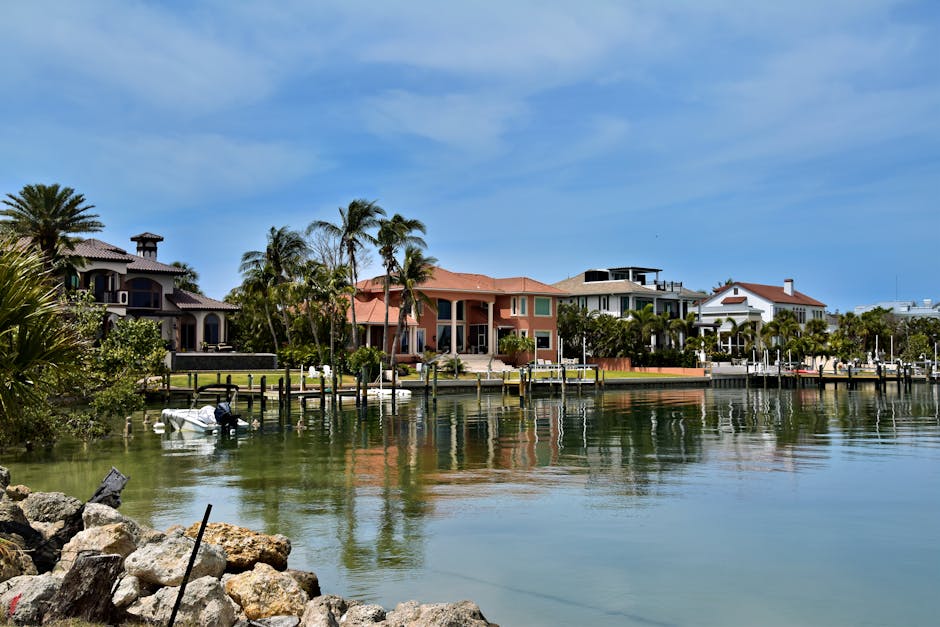
Current State of the Tampa Luxury Sector
As of May 2026, the Tampa luxury market maintains a disciplined yet active profile. With approximately 120 high-end properties currently available, the inventory remains tight relative to the sustained demand from domestic relocations. The median list price for these premium assets has settled at $2,490,000, while the average list price has climbed to $3,168,660, reflecting a concentration of ultra-high-net-worth estates entering the market. This pricing data indicates a market that has matured beyond speculative growth, transitioning into a stable environment for long-term capital preservation.
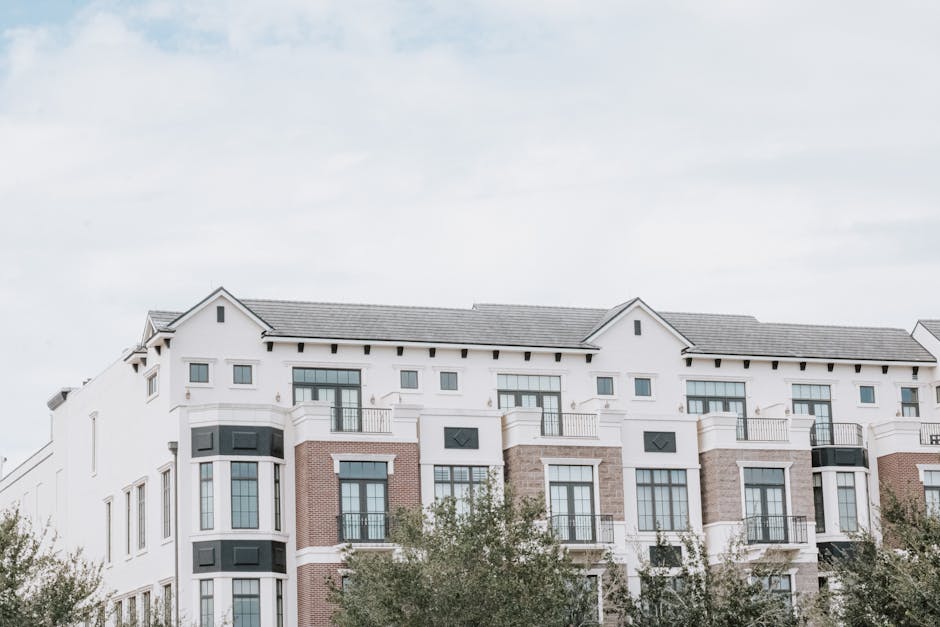
Market movement is particularly evident in price ceilings. While the local record previously sat at $22.5 million, we are now seeing ambitious listings that challenge national benchmarks. For instance, a significant estate has recently requested a valuation of $115 million, as noted by the Wall Street Journal. This escalation suggests that global capital is increasingly viewing Tampa not just as a regional preference but as a primary destination for significant architectural investments. Buyers should view these high-water marks as indicators of neighborhood confidence rather than outliers.
For those currently evaluating opportunities, the focus should remain on the underlying fundamentals of each property. We are observing a divergence between legacy estates and modern, high-performance builds. Properties like those found on Troutwater Lane, priced near the $2.65 million mark, represent a specific tier of luxury that balances privacy with proximity to the core. Analyzing these subsets requires a look at recent sales data from the Tampa Bay Times to ensure that current offers align with verified market velocity. Decision-making in this climate favors the patient advisor who prioritizes asset quality over immediate acquisition.
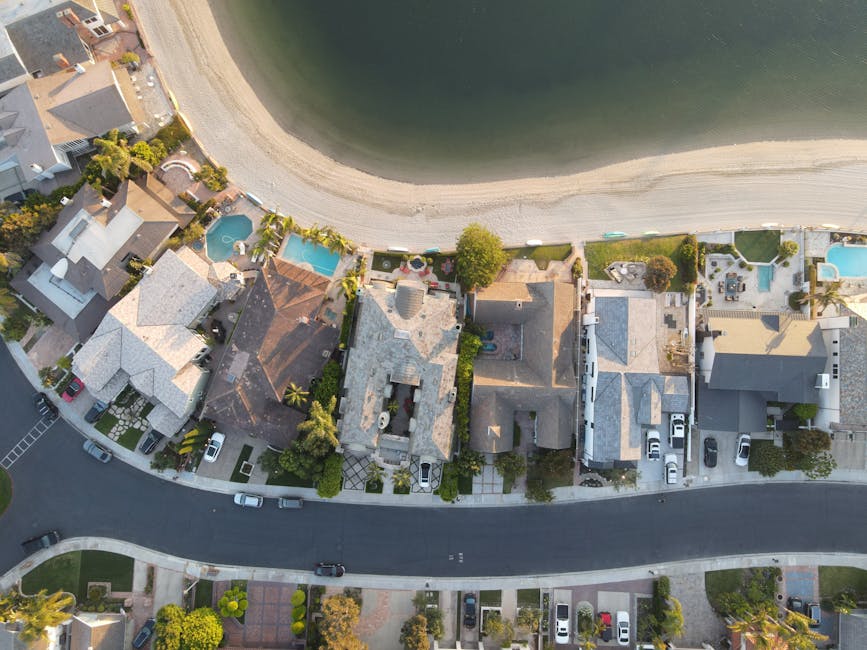
The Evolution of Primary Waterfront Real Estate
Tampa’s waterfront has undergone a fundamental transformation in its utility and valuation. Areas such as Davis Islands and Bayshore Boulevard are no longer considered secondary residences or seasonal retreats; they have emerged as primary hubs for the region’s elite. This shift is documented in reports by the National Law Review, which highlights the emergence of the waterfront as a core luxury market. The appeal lies in the rare combination of deep-water access and immediate connectivity to the financial districts in Downtown Tampa.
When comparing waterfront options, buyers must differentiate between open-bay views and canal-front privacy. Davis Islands offers a nautical lifestyle that is difficult to replicate elsewhere in the state, while the historic stretch of Bayshore provides a level of prestige and architectural diversity that remains a benchmark for the region. The infrastructure improvements in these areas, including enhanced seawall standards and elevation adjustments, have become critical points of verification during the due diligence process. Waterfront assets are increasingly judged by their resiliency as much as their aesthetic appeal.
Strategic buyers are also looking toward the North Florida Avenue corridor and areas surrounding Martin Luther King Jr. Boulevard for larger lot sizes that accommodate expansive private compounds. While these locations may lack direct bay access, they offer a level of seclusion and square footage that is increasingly scarce in traditional waterfront enclaves. Evaluating these alternatives involves a trade-off between coastal proximity and the ability to curate a fully customized environment. We recommend a thorough review of existing LISTINGS URL to understand how lot size and location currently correlate with asking prices in these diversifying sub-markets.
Executive Relocation Patterns: Tampa vs. St. Petersburg
The movement of corporate leadership into the Tampa Bay region is a primary driver of the current market cycle. There is a distinct trend of executives choosing St. Petersburg for its specific mix of cultural density and professional accessibility. According to the Business Journals, St. Petersburg’s appeal to executives is rooted in its highly walkable downtown and robust arts scene. This has created a competitive dynamic between the two sides of the bay, with each offering a different value proposition for high-income earners.
Tampa remains the preferred choice for those who prioritize proximity to traditional corporate headquarters and the major transportation hubs. The convenience of Westshore and the ease of access to private aviation make South Tampa a logical anchor for many. Conversely, St. Petersburg is attracting a younger demographic of entrepreneurs and tech leaders who favor the more relaxed, yet sophisticated, atmosphere of Snell Isle or Old Northeast. Understanding these nuances is essential for buyers who are not just looking for a residence, but for a community that aligns with their professional and social trajectories.
The decision between these markets often comes down to the frequency of travel and the desired pace of daily life. While Tampa offers a faster-moving environment with higher commercial density, St. Petersburg provides a curated urban experience that is increasingly rare in Florida. Both markets are seeing a surge in demand for turnkey properties that require zero renovation. This preference for move-in-ready homes has pushed the prices of renovated historic properties in areas like Hyde Park and Beach Park to record levels, as the time-cost of construction becomes a larger factor for busy executives.
Evaluating High-End Assets: A Checklist for the Sophisticated Buyer
Navigating the luxury market requires more than an appreciation for finishes and floor plans. A structured approach to due diligence ensures that the acquisition remains a sound financial instrument. Use the following points to guide your next site visit:
- Verify the age and condition of all mechanical systems, prioritizing high-efficiency HVAC units and smart-home integration.
- Assess the elevation certificates and current flood insurance requirements to understand long-term carrying costs.
- Review the building materials for coastal resilience, specifically impact-rated windows and reinforced roofing systems.
- Analyze the neighborhood’s development pipeline to ensure that future construction will not impede views or privacy.
- Evaluate the homeowner association (HOA) health, including reserve funds and recent special assessments in condo environments.
- Consult with a local advisor to review recent off-market transactions that may not be reflected in public databases.
Decoding the Early-Stage Luxury Condo Market
While Tampa has traditionally been a market dominated by single-family estates, the vertical luxury segment is entering a period of significant growth. Industry analysts at Tampa Bay Business & Wealth describe the city as an early-stage luxury condo market. This means there is still room for appreciation as new towers redefine the skyline. These developments are catering to a buyer who seeks the convenience of managed living without sacrificing the amenities or scale of a traditional house.
The current surge in condo interest is concentrated in Water Street and the Westshore district. These units often feature expansive terraces, private elevators, and concierge services that rival five-star hotels. For the buyer, the challenge is to differentiate between projects that offer genuine luxury and those that are simply priced at a premium. Factors such as ceiling height, acoustical insulation between units, and the quality of common area finishes are the true markers of value in this sector. The maturation of this market will likely lead to more specialized offerings, including boutique buildings with fewer units and higher levels of personalization.
Investing in the condo market at this stage requires a careful look at the developer’s track record and the long-term viability of the surrounding infrastructure. As more high-rise projects reach completion, the competition for the best views and floor plans will intensify. Buyers should also consider the demographic shift toward permanent residency in these buildings, which fosters a more stable community environment compared to traditional vacation rentals. This trend is a positive indicator for the long-term value of vertical real estate in Tampa’s urban core.
Inventory Scarcity and New Development Dynamics
Despite the presence of new high-rise options, the market for large-scale, single-family lots remains characterized by scarcity. The difficulty of finding buildable land in established neighborhoods like Palma Ceia or Culbreath Isles has led many buyers to consider custom renovations or teardowns. This strategy requires a significant investment of time and a deep understanding of local zoning regulations. For those who prefer a more direct path, the limited number of newly constructed homes on the market are commanding substantial premiums due to the immediate utility they provide.
We are seeing a particular interest in properties that offer unique architectural styles, moving away from the Mediterranean revival that once dominated the area. Modern farmhouse, mid-century modern, and coastal contemporary designs are increasingly favored for their clean lines and integration of indoor and outdoor living spaces. These homes are designed to take advantage of the local climate, which remains a primary draw for buyers moving from colder latitudes. Even with the occasional rain, as seen in the May 2026 weather forecast, the ability to utilize outdoor kitchens and covered lanais year-round remains a core requirement for the luxury buyer.
Prospective owners should also be aware of the localized traffic patterns and event-driven congestion that can affect daily life in the most desirable areas. Local authorities often issue traffic advisories for major events in Downtown Tampa, which can impact accessibility for residents in nearby luxury enclaves. Being informed about the rhythm of the city is part of the transition into the Tampa market. A senior advisor can provide context on which neighborhoods offer the best balance of tranquility and access to the city’s various festivals and professional sports venues.
Practical Guidance for the 2026 Buyer
Success in Tampa’s 2026 luxury market depends on a combination of data-backed analysis and local intuition. Buyers must look beyond the initial presentation of a property to understand its role within a broader investment portfolio. This involves verifying historical price movements, assessing the quality of recent upgrades, and anticipating how the neighborhood will evolve over the next decade. The current median list price of $2,490,000 serves as a useful baseline, but the true value of an asset is found in its unique characteristics and its ability to meet the specific needs of its inhabitants.
The transition from the research phase to an active search requires a partner who understands the nuances of the Tampa Bay landscape. Whether you are focused on the historic charm of South Tampa or the modern height of the downtown core, the right guidance ensures that your acquisition is handled with the necessary discretion and precision. For a more detailed look at the current opportunities and to receive a tailored analysis of the market, we invite you to browse our latest LISTINGS URL and CONTACT URL to speak with a senior advisor who can assist in refining your strategy.
Your next move in Tampa luxury
Get current inventory, pricing guidance, and private-tour support from our brokerage team.
Source highlights
- Column: Why executives keep choosing St. Pete – The Business Journals
- Tampa’s Price Record Is $22.5 Million. This Huge Estate Is Asking $115 Million. – WSJ
- Tampa Bay’s most expensive luxury home sales of 2025 – Tampa Bay Times
- Why Tampa remains an early-stage luxury condo market – Tampa Bay Business & Wealth
- Florida Trend Real Estate – Florida Trend
- Tampa Bay’s Waterfront Emerges as a Primary Luxury Real Estate Market – The National Law Review
- Things To Do In St Pete This Weekend: Best Festivals & Events Going On In St Petersburg – I Love the Burg
- Things to do with kids this weekend in Tampa, FL – That's So Tampa
