


The Strategic Shift in Tampa’s Luxury Perimeter
The Tampa luxury real estate market has undergone a fundamental transformation, transitioning from a seasonal interest to a primary residency hub for high-net-worth individuals. This shift is driven by a significant influx of corporate leaders and business owners who are prioritizing the region’s robust economic climate and sophisticated residential offerings. As documented by The Business Journals, executives are increasingly selecting the Tampa Bay area for its logistical advantages and the high caliber of local infrastructure. This migration is not merely about relocation but is a calculated move toward long-term capital preservation in a market that remains resilient against national volatility.
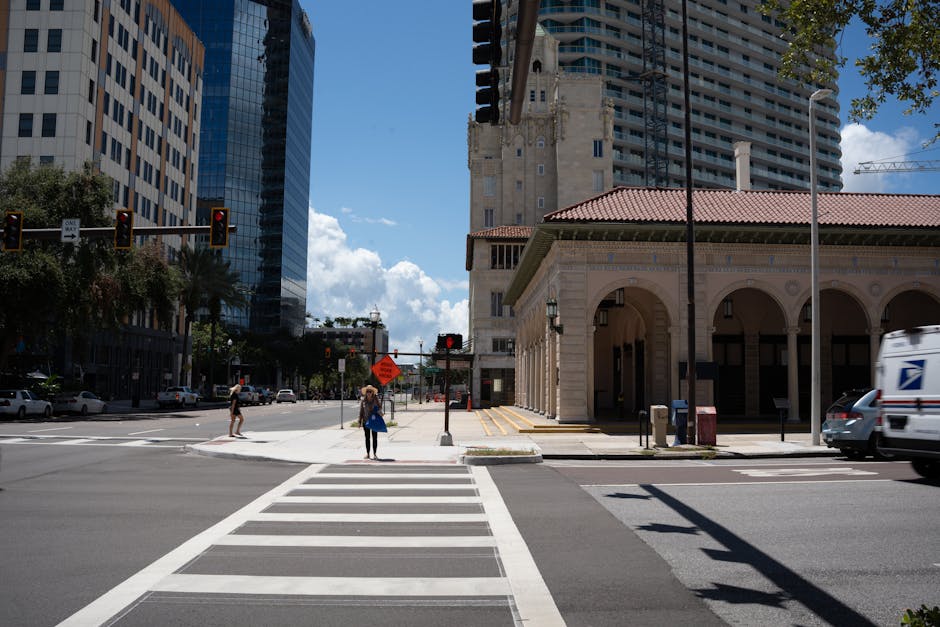
Current development patterns indicate a focused expansion in areas like Water Street and the historic corridors of South Tampa. Unlike previous cycles, the present growth is underpinned by substantial commercial investment, creating a self-sustaining ecosystem where luxury residential values are bolstered by proximity to world-class dining, boutique retail, and institutional-grade office space. This synergy ensures that properties in these districts maintain their desirability regardless of broader economic fluctuations, as they offer a functional integration of work and life that is increasingly rare in more established metropolitan centers.
The benchmark for high-end properties has also ascended, with record-breaking listings setting new expectations for the market. A notable example is the emergence of trophy estates that command attention on a global scale, such as the massive property featured by the Wall Street Journal, which underscores the growing appetite for rare, ultra-premium acreage within the city limits. Investors are no longer just looking for a residence; they are seeking legacy assets that provide both physical security and architectural significance.
Current Inventory Dynamics and Price Stability
Analysis of the current MLS data reveals a tight but high-quality inventory, with approximately 120 active luxury listings. The median list price has stabilized around $2,490,000, while the average list price has reached $3,160,319, reflecting the presence of several high-value estates that skew the mean. This price stability is a testament to the disciplined approach of Tampa sellers and the continued demand from buyers who are often transacting with significant cash positions, minimizing the impact of debt markets on final sale prices.
Inventory levels in prime neighborhoods like Davis Islands and Beach Park remain historically low, creating a competitive environment for move-in-ready assets. Buyers are showing a marked preference for new construction or recently renovated properties that meet modern standards for energy efficiency and smart-home integration. The recent trend toward large-scale residential compounds is evident in recent transactions, where multiple lots are consolidated to create expansive private sanctuaries. This behavior suggests a long-term commitment to the area, as buyers invest heavily in custom improvements that prioritize privacy and functionality.
Market velocity remains steady, with well-priced properties in top-tier locations moving quickly. While the broader real estate market has seen cooling in some segments, the luxury tier in Tampa continues to perform with a level of independence. The profile of the typical buyer has evolved to include a younger demographic of tech-focused entrepreneurs and medical professionals who value efficiency and aesthetic precision. This demographic shift is influencing property design, with a move away from traditional Mediterranean styles toward cleaner, more contemporary lines that maximize natural light and open-concept living.
Critical Considerations for Waterfront Acquisitions
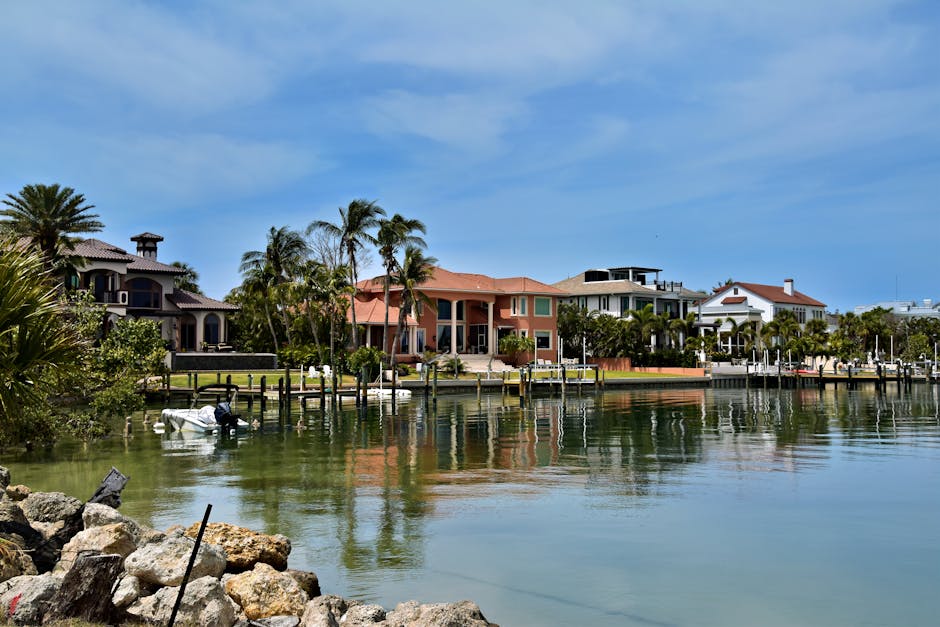
As highlighted by the National Law Review, Tampa’s waterfront has emerged as a primary luxury market, requiring a more sophisticated approach to due diligence. Potential owners must evaluate properties not just for their view, but for the engineering and legal frameworks that support them. This involves a rigorous assessment of seawall integrity, riparian rights, and elevation certificates, which are essential for long-term viability and insurance optimization. Buyers are increasingly seeking properties that offer deep-water access and substantial dockage, particularly those that can accommodate larger vessels without tidal restrictions.
Valuation for waterfront property is increasingly detached from inland comparables, as the scarcity of buildable bayfront land reaches a critical point. Locations such as Palma Ceia and South Tampa’s coastal edges are seeing high demand for teardown opportunities, where the value lies almost entirely in the land and its orientation. For buyers, the decision-making process must include a detailed analysis of local zoning ordinances and environmental regulations, which can significantly impact the timeline and cost of any planned improvements or expansions.
The investment in waterfront assets is also a hedge against urban density, providing a natural buffer and a sense of openness that is highly prized in a growing city. As the metropolitan area expands, these coastal pockets remain the most insulated from commercial encroachment, preserving the residential character that defines the high-end experience. Sophisticated buyers are focusing on the orientation of the property to the sun and prevailing breezes, factors that influence both the enjoyment of the outdoor space and the long-term maintenance of the structure.
- Verify the structural integrity of the seawall and any existing marine permitting.
- Assess the elevation of the primary living space relative to current flood maps.
- Compare the price per square foot against recent off-market transactions in the immediate block.
- Review the property’s historical appreciation compared to non-waterfront assets in the same neighborhood.
- Evaluate the proximity to private aviation facilities and high-end logistical hubs.
- Analyze the smart-home and security infrastructure for scalability and redundancy.
The Regional Executive Migration and St. Petersburg Influence
The relationship between Tampa and St. Petersburg has become more integrated, with executives often viewing the two cities as a singular market for luxury options. While South Tampa remains the traditional seat of power, the St. Pete waterfront and downtown districts offer a distinct alternative that appeals to those seeking a more walkable, urban-resort lifestyle. This cross-pollination of buyers has led to a more balanced luxury landscape across the bay, where a listing in one city is frequently compared to its counterpart across the bridge based on amenity sets and commute times.
This regional synergy is particularly visible during major events like Tampa Riverfest, where the cultural and social connectivity of the area is on full display. These gatherings serve as informal networking hubs for the region’s elite, reinforcing the social fabric that underpins the luxury market. Buyers are often drawn to the area not just for the individual home, but for the lifestyle continuity that exists between the two cities, including shared country clubs, yachting circles, and philanthropic organizations.
Understanding the nuances between these neighborhoods is critical for an informed acquisition. For instance, the privacy afforded by a secluded estate in Beach Park offers a different value proposition than the high-visibility prestige of a penthouse in Water Street. Mapping these preferences against the logistical needs of a modern professional—such as access to the Tampa International Airport or the Westshore business district—is a fundamental part of the advisor-led search process. The market now demands a level of granularity that goes beyond simple square footage or bedroom counts.
Market Velocity and Financing in the High-Net-Worth Segment
Despite the prevailing narrative regarding interest rates, the luxury segment has seen a positive shift as mortgage rates have moderated to approximately 6.09%. According to Tampa Bay Business & Wealth, this decline has encouraged a new wave of construction and supply, providing more options for buyers who were previously on the sidelines. While many top-tier transactions remain cash-heavy, the availability of more favorable financing terms has improved the overall liquidity of the market, allowing for smoother trade-up activity among local residents.
Transactional data from 2025, as reported by the Tampa Bay Times, shows that the most expensive sales were often characterized by their uniqueness and lack of comparable substitutes. This “scarcity premium” is a driving force in the current environment, where buyers are willing to pay significantly above previous benchmarks for properties that offer something truly exceptional. This could be anything from a rare double-lot on the open bay to a historically significant mansion that has been meticulously restored to modern standards.
The current market velocity suggests that buyers should be prepared to act with precision. Pre-market opportunities and off-market listings represent a significant portion of the luxury volume, often requiring a direct connection to a well-integrated advisor. For sellers, the key to a successful exit lies in professional presentation and a data-backed pricing strategy that acknowledges the sophisticated nature of the contemporary buyer. The goal is no longer just to sell a home, but to market a high-performing asset within a competitive global context.
Long-Term Appreciation and Infrastructure Development
The long-term outlook for Tampa luxury real estate is intrinsically linked to the city’s aggressive infrastructure and urban planning initiatives. Investments in the riverwalk expansion, improved transit corridors, and the continuous enhancement of the airport facilities are direct contributors to residential value. These projects signal a commitment to maintaining the city’s status as a top-tier destination for investment and residency. Buyers who focus on these growth corridors are likely to see the strongest appreciation, as the surrounding amenities continue to mature and attract further high-end development.
Furthermore, the diversification of the local economy—with strong growth in fintech, cybersecurity, and specialized healthcare—provides a stable foundation for the housing market. This economic diversity reduces the risk associated with any single industry and ensures a steady pool of qualified buyers for luxury assets. The maturity of the market is also reflected in the professionalization of the supporting services, from high-end interior designers and landscape architects to specialized legal and financial advisors who understand the complexities of high-value real estate transactions.
Navigating the complexities of the current Tampa market requires a strategic mindset and a focus on decision-useful data. Whether evaluating a contemporary waterfront estate or a classic residence in a historic district, the emphasis should be on quality, location, and the property’s ability to serve as a primary base for both professional and personal pursuits. The current environment offers a unique window for buyers to secure prime assets before the next wave of regional expansion further compresses inventory and elevates entry points.
Success in the current luxury landscape requires more than just a search for properties; it requires a deep understanding of neighborhood dynamics, engineering standards, and market timing. To move beyond general market observations and begin a targeted search for your next primary residence or investment asset, we invite you to browse our curated LISTINGS URL. For a private consultation regarding your specific portfolio needs or to discuss off-market opportunities in South Tampa and Davis Islands, please CONTACT URL our senior advisory team today.
Your next move in Tampa luxury
Get current inventory, pricing guidance, and private-tour support from our brokerage team.
Source highlights
- Column: Why executives keep choosing St. Pete – The Business Journals
- Tampa’s Price Record Is $22.5 Million. This Huge Estate Is Asking $115 Million. – WSJ
- Tampa Bay’s most expensive luxury home sales of 2025 – Tampa Bay Times
- Mortgage rates fall to 6.09% as new construction lifts Tampa supply – Tampa Bay Business & Wealth
- Jennifer Zales Unveils Venetian Isles Waterfront Luxury Now Offered At A New Price – Haute Living
- Tampa Bay’s Waterfront Emerges as a Primary Luxury Real Estate Market – The National Law Review
- Things To Do In Tampa This Weekend: Best Festivals & Events Going On – That's So Tampa
- Riverfest and other events take over Tampa this weekend | What to know before you go – wtsp.com



