


The Maturity of the Tampa Bay Luxury Corridor
The transition of Tampa from a seasonal retreat to a primary destination for high-net-worth individuals is no longer a forecast; it is a documented reality. For decades, the region was viewed through the lens of secondary market dynamics, where inventory fluctuated based on external economic cycles. Today, the landscape is defined by institutional-grade infrastructure and a permanent shift in buyer demographics. This evolution is perhaps most visible in the recent surge of ultra-high-end listings, exemplified by estates reaching for historic price points previously reserved for Miami or Palm Beach.
Data from the latest Wall Street Journal reports highlights this shift, noting that while the previous price record stood at twenty-two million dollars, new market entrants are testing the hundred-million-dollar threshold. This escalation reflects a newfound confidence in the region’s long-term capital appreciation. Sophisticated buyers are increasingly prioritizing the region’s stability, favoring the balance between privacy and urban accessibility. The current median list price of approximately two and a half million dollars across the luxury segment provides a baseline, yet the ceiling continues to rise as the global spotlight remains fixed on the Gulf Coast.
Understanding this movement requires looking beyond mere transaction volume. The underlying strength of the market is found in the diversification of property types and the professionalization of the local real estate ecosystem. Whether analyzing the gated enclaves of South Tampa or the emerging skyline in the downtown core, the common thread is a demand for uncompromising quality. For those navigating the current inventory of luxury homes for sale, the focus has shifted from finding a seasonal escape to securing a cornerstone asset within a primary residential hub.
Decoding the Waterfront Premium and Infrastructure Resilience
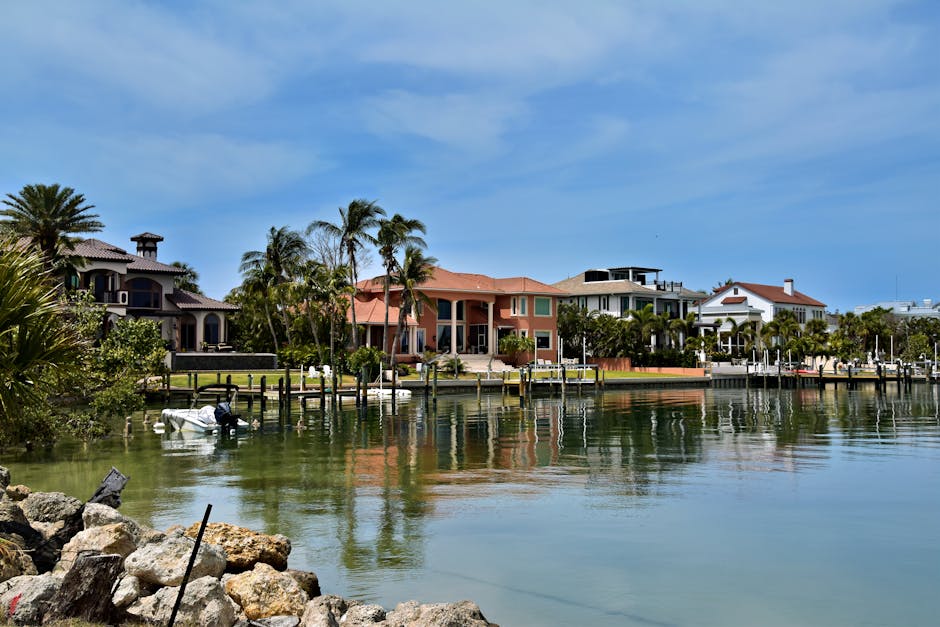
Waterfront property remains the most significant driver of value in the Tampa market, but the criteria for evaluating these assets have become significantly more rigorous. Traditional markers of prestige, such as expansive views and deep-water access, are now secondary to technical specifications and structural integrity. High-net-worth buyers are scrutinizing seawall construction, elevation certificates, and flood mitigation strategies with the same intensity they apply to interior finishes. This analytical approach is a hallmark of the mature buyer, who recognizes that long-term value preservation is inextricably linked to physical resilience.
As noted in the National Law Review, Tampa Bay’s waterfront has emerged as a primary luxury market, drawing attention from legal and financial advisors who specialize in high-stakes acquisitions. Areas like Davis Islands and Culbreath Isles continue to command a premium due to their limited supply and established reputations. However, the definition of waterfront luxury is expanding to include sophisticated bayfront estates that integrate modern engineering with timeless Mediterranean or Coastal Contemporary aesthetics. The scarcity of buildable land in these areas ensures that existing inventory retains a high level of exclusivity.
Beyond the immediate property lines, the broader infrastructure of neighborhoods like Beach Park and Palma Ceia plays a critical role in valuation. The proximity to high-end social clubs, private educational institutions, and the expanding Riverwalk extension provides a framework of convenience that supports premium pricing. Advisors now suggest that buyers evaluate not just the lot, but the neighborhood’s master plan for the next decade. In a market where average list prices exceed three million dollars, the difference between a good investment and a superior one often lies in these micro-location nuances.
Vertical Evolution: The Rise of High-Design Condominiums
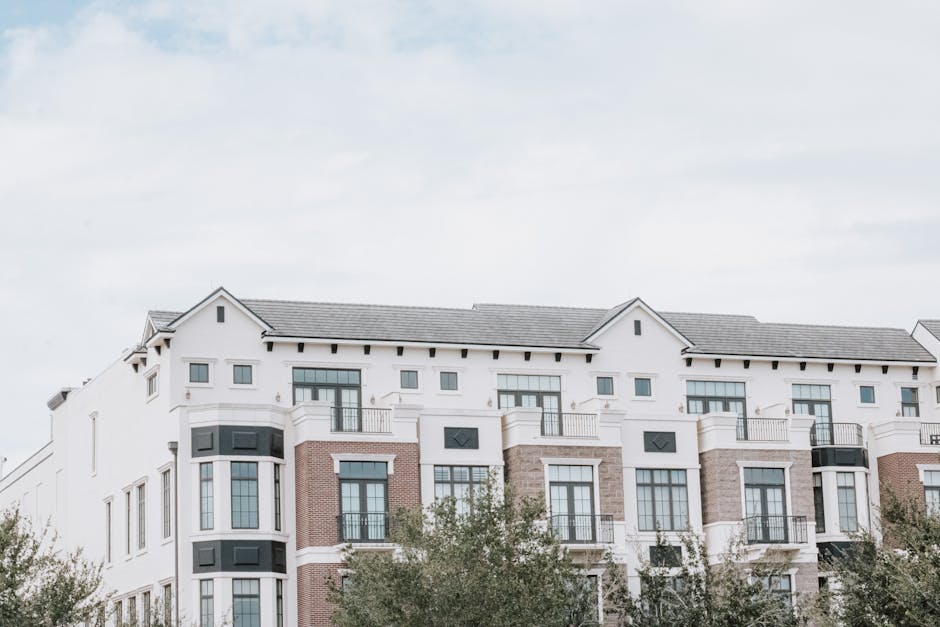
The traditional preference for single-family estates is being balanced by a rapid expansion in the luxury condominium sector. This trend is driven by a desire for maintenance-free living without sacrificing the amenities or square footage of a suburban home. Downtown Tampa and the Westshore Marina District have seen a significant influx of high-rise developments that cater specifically to this demand. These projects are not merely residential buildings; they are lifestyle ecosystems that provide 24-hour concierge services, private wellness centers, and climate-controlled storage for art and wine collections.
Industry insights from Tampa Bay Business & Wealth suggest that while the market is maturing, it remains in an early stage compared to other global metropolises. This presents a unique window for buyers to secure prime positioning in flagship developments before the next wave of price appreciation. Modern condominiums in the region are increasingly being designed by world-renowned architects, bringing a level of aesthetic sophistication that was previously absent from the skyline. For the executive or the frequent traveler, the ‘lock-and-leave’ capability of these residences offers a compelling alternative to the responsibilities of estate ownership.
When comparing vertical living to traditional estates, buyers must consider the trade-offs in privacy and autonomy. While a condominium offers communal security and social connectivity, a single-family home in South Tampa provides a private sanctuary and long-term land value. The decision-making process often hinges on the buyer’s stage of life and their specific requirements for entertaining and hosting. Regardless of the choice, the inventory currently reflects a market that is deeply invested in providing diverse options for the affluent resident.
Essential Due Diligence for the High-Net-Worth Buyer
Acquiring a luxury asset in Tampa requires a more comprehensive strategy than a standard residential purchase. The complexity of local regulations, combined with the unique environmental factors of a coastal city, necessitates a disciplined approach to due diligence. It is essential to engage a team of experts—including specialized inspectors, maritime engineers, and land-use consultants—to verify the viability of a property before proceeding to closing. This level of scrutiny ensures that the investment is protected against unforeseen liabilities and structural concerns.
- Verification of seawall age and structural integrity for all bayfront properties.
- Detailed review of elevation certificates and recent changes to flood zone mapping.
- Assessment of HOA reserve studies and historical assessment data for condominiums.
- Evaluation of private school enrollment queues and neighborhood security protocols.
- Comprehensive audit of smart-home integration and proprietary technology systems.
- Validation of permitting history for all substantial renovations or additions.
Each of these points represents a critical intersection of lifestyle and financial security. For instance, a beautifully renovated home in Hyde Park may lose value if the permitting for its expansion was not correctly finalized. Similarly, the long-term cost of maintaining a private dock can be substantial if the underlying sea bed has shifted. By addressing these factors early in the negotiation phase, buyers can leverage data to secure more favorable terms or, if necessary, pivot to a more suitable asset. This analytical rigor is what distinguishes a professional acquisition from a reactive purchase.
Executive Relocation and the St. Petersburg Synergy
The growth of the Tampa luxury market is inseparable from the economic activity occurring across the bay in St. Petersburg. The region is increasingly functioning as a unified economic engine, with high-level executives choosing to live in one city while operating businesses in the other. This cross-bay connectivity has created a broader search area for luxury buyers, who now routinely compare the historic charm of Old Northeast with the modern prestige of Bayshore Boulevard. The decision often comes down to the specific ‘vibe’ of the neighborhood and the logistical requirements of the owner’s professional life.
As highlighted in The Business Journals, executives are drawn to the region’s tax-friendly environment and the high quality of life. This influx of corporate leadership brings a sophisticated demand for services and amenities that further elevates the real estate market. These buyers are typically looking for homes that can serve as both a private retreat and a professional hub, with dedicated home offices, high-speed fiber connectivity, and spaces suitable for intimate networking events. The synergy between the two cities ensures that the luxury market remains resilient even during broader economic shifts.
This regional cohesion is also reflected in the cultural and recreational offerings available to residents. Whether it is attending a championship sporting event or participating in a high-profile charity gala, the affluent community in Tampa Bay moves fluidly between both sides of the bridge. For a prospective owner, this means the value of their property is tied not just to their immediate surroundings, but to the continued growth and prestige of the entire metropolitan area. Tracking these macro-trends is essential for any buyer looking to maintain a competitive edge in the local market.
Cultural Gravity and the Local Social Fabric
A luxury home is more than its architectural specifications; it is a gateway to the community’s social and cultural pulse. Tampa’s calendar is increasingly filled with world-class events that attract international attention, from large-scale festivals to exclusive gallery openings. These events serve as the backdrop for the region’s social life, providing opportunities for residents to engage with their peers in a sophisticated setting. Understanding the rhythm of the city is part of the advisor’s role in helping a buyer integrate into their new environment.
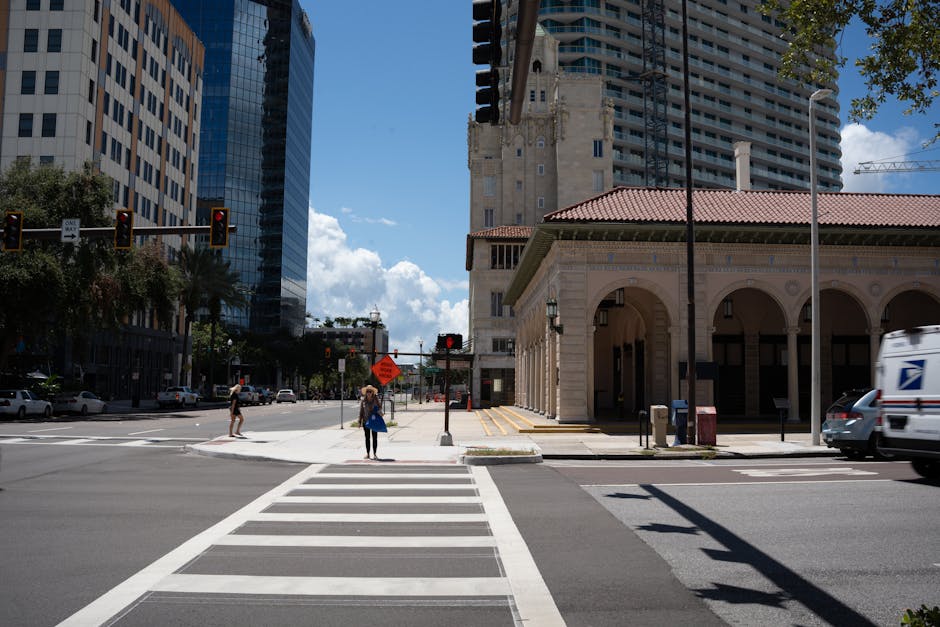
Local news outlets like Fox 13 Tampa Bay frequently cover the major festivals and downtown gatherings that define the local experience. Events such as Riverfest transform the downtown waterfront into a hub of activity, showcasing the city’s investment in public spaces. For the luxury homeowner, these amenities are an extension of their own property, providing a vibrant urban core just minutes from their front door. This balance of private luxury and public vibrancy is a key factor in why the region remains a top choice for those relocating from traditional hubs like New York or Chicago.
Furthermore, the growth of the culinary scene and high-end retail has added another layer of sophistication to the market. The emergence of Michelin-recognized dining and luxury shopping districts ensures that residents have access to the same level of service and products they would find in any global city. This maturity in the service economy supports higher property values and makes the region more attractive to a discerning international clientele. When evaluating a potential home, consider the proximity to these cultural anchors as a vital component of the long-term lifestyle value.
Strategic Acquisition in a Mature Market
In the current environment, successful real estate acquisition requires a blend of market data and local intuition. With a limited inventory of high-quality assets and a consistent stream of qualified buyers, the most desirable properties often move quickly. This necessitates a proactive approach, where buyers are prepared to act decisively when the right opportunity arises. Working with a seasoned advisor who understands the nuances of neighborhood-level movements and off-market opportunities is the most effective way to navigate this landscape. The goal is not simply to purchase a house, but to secure a position in a market that is fundamentally transforming.
The data suggests that while the pace of appreciation may normalize, the floor for luxury pricing has been permanently raised. Buyers should focus on assets that offer unique, non-reproducible characteristics—such as oversized lots in South Tampa or rare penthouses with unobstructed bay views. These features provide a built-in hedge against market volatility and ensure that the property remains highly liquid in the future. As the region continues to evolve, those who have secured prime real estate will be well-positioned to benefit from the ongoing development of Tampa Bay as a premier global destination.
Navigating the complexities of this market requires a partner who can provide analytical clarity and discreet service. Whether you are seeking a historic estate or a modern waterfront masterpiece, the right guidance is essential to achieving your objectives. We invite you to explore our curated selection of luxury homes for sale and discover the opportunities currently available in the region. For a private consultation regarding your specific requirements or to discuss the latest market movements, please contact our advisory team today. Our focus is on providing the strategic insight necessary to ensure your next acquisition is a sound and rewarding investment.
Your next move in Tampa luxury
Get current inventory, pricing guidance, and private-tour support from our brokerage team.
Source highlights
- Column: Why executives keep choosing St. Pete – The Business Journals
- Tampa’s Price Record Is $22.5 Million. This Huge Estate Is Asking $115 Million. – WSJ
- Tampa Bay’s most expensive luxury home sales of 2025 – Tampa Bay Times
- Why Tampa remains an early-stage luxury condo market – Tampa Bay Business & Wealth
- Tampa Bay’s Waterfront Emerges as a Primary Luxury Real Estate Market – The National Law Review
- Florida Trend Real Estate – Florida Trend
- Things To Do In Tampa This Weekend: Best Festivals & Events Going On – That's So Tampa
- Riverfest and other events take over Tampa this weekend | What to know before you go – wtsp.com



