


The Institutionalization of the Tampa Bay Property Market
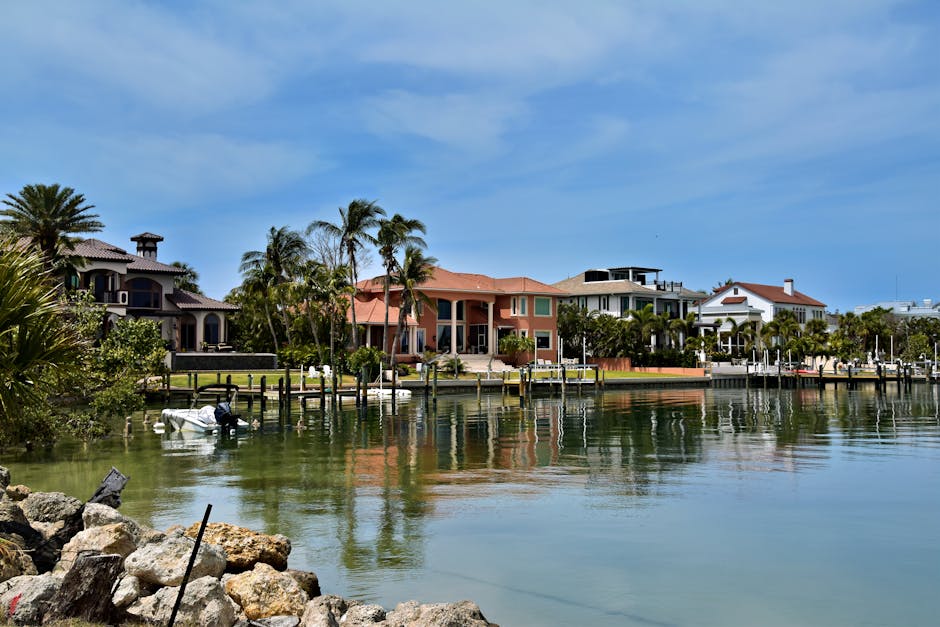
For decades, the luxury sector in West Central Florida was categorized by national analysts as a secondary or even tertiary market, primarily driven by seasonal demand and retirees. However, recent data confirms a fundamental shift. According to The National Law Review, Tampa Bay’s waterfront has officially emerged as a primary luxury real estate market. This transition is characterized by year-round residency from high-earning professionals, a diversifying local economy, and a significant increase in the complexity of transactions. The current inventory of 120 active luxury listings represents a sophisticated pool of assets that cater to a global buyer profile rather than just regional interest.
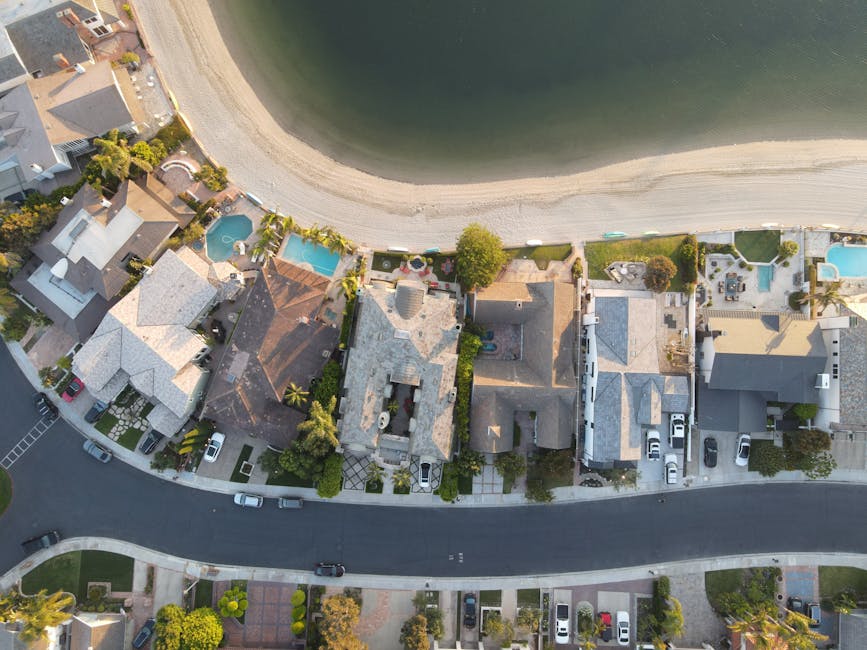
This maturation is visible in the physical transformation of neighborhoods like Davis Islands and Bayshore Boulevard. The entry of institutional capital and the arrival of high-net-worth individuals from the Northeast and West Coast have pushed developers to adopt architectural standards previously reserved for Miami or New York. We are seeing a move away from traditional Mediterranean revival toward modern, resilient designs that prioritize floor-to-ceiling glass, advanced automation, and integrated wellness spaces. This is no longer a market of speculation; it is a market of established value where the median list price has solidified at $2,498,800, reflecting a baseline of quality that is consistently met across the region.
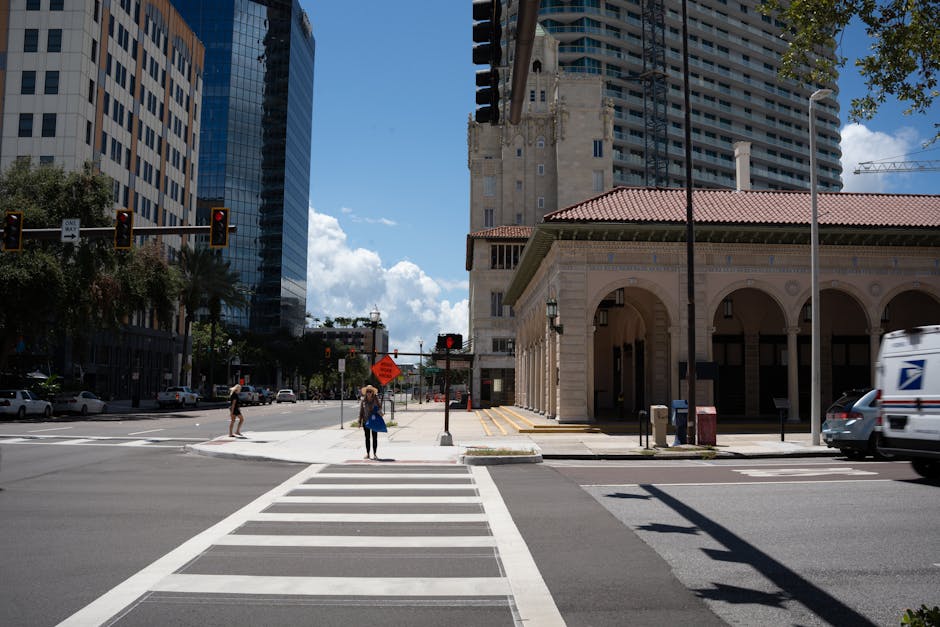
Buyers in this segment are now prioritizing proximity to the Water Street district and the Westshore business corridor, recognizing that real estate value is increasingly tied to the urban core’s revitalization. The influx of wealth has brought a new level of scrutiny to property inspections and appraisals. Advisors are now expected to provide detailed analysis on everything from seawall integrity to the impact of upcoming municipal infrastructure projects. As the market continues to professionalize, the gap between generic residential offerings and true luxury assets is widening, making precise data more critical than ever for successful acquisition strategies.
Price Velocity and the One Hundred Million Dollar Threshold
The pricing ceiling in Tampa has undergone a radical reassessment. While the average list price currently sits at $3,172,412, the upper echelons of the market are exploring territory that was unthinkable five years ago. A notable example is the massive estate currently listed for $115 million, a figure that dwarfs the previous city record of $22.5 million. As reported by the Wall Street Journal, this asking price signals a new era of confidence in the region’s ability to support trophy assets. It serves as a psychological anchor, recalibrating expectations for waterfront estates across the entire Bay area.
This velocity is not limited to a single outlier. Across the region, we are seeing a compression of days-on-market for well-priced, turn-key properties. The demand for immediate occupancy is high, as many relocating executives do not have the two-to-three-year window required for custom construction. This has led to a premium on recently completed homes in areas such as Culbreath Isles and Beach Park. Investors and residents alike are closely monitoring these benchmarks to gauge the sustainability of current valuations. When a market moves from a record of $22 million to an asking price of $115 million, it necessitates a deep dive into the underlying economic drivers, including corporate relocations and the lack of comparable inventory in other coastal states.
Furthermore, the commercial sale and land sectors are seeing parallel growth. With a limited supply of developable waterfront, land value has become the primary driver of total asset appreciation. In neighborhoods like Old Northeast in St. Petersburg and the various peninsulas of South Tampa, older structures are frequently being cleared to make way for estates that maximize the lot’s potential. This trend ensures that the average list price remains on an upward trajectory, as the density of high-value improvements per square foot continues to rise. For those looking to enter the market, understanding the delta between land value and improvement value is the first step in identifying a resilient investment.
Executive Migration and the St. Petersburg Corporate Pull
While Tampa remains the traditional hub for finance and law, St. Petersburg has become an increasingly attractive destination for C-suite executives and tech founders. This shift is not merely about lifestyle; it is a strategic move toward a more integrated work-life environment. The Business Journals note that the choice of St. Pete by top-tier professionals is driven by the city’s walkability, the arts scene, and the concentration of emerging industries. This has created a symbiotic relationship between the two sides of the bay, where a single luxury buyer might compare a historic estate in South Tampa with a modern penthouse in downtown St. Petersburg.
Neighborhoods like Snell Isle and Venetian Isles are benefiting from this cross-bay interest. Buyers are attracted to the privacy of these enclaves while maintaining rapid access to the corporate offices in both downtowns. This geographic flexibility is a hallmark of the modern Tampa Bay buyer. They are looking for properties that function as both a private sanctuary and a home base for professional activity. Consequently, we are seeing a rise in the demand for auxiliary spaces—sophisticated home offices with high-grade connectivity and separate entrances for staff or consulting teams. The ‘executive suite’ is no longer an office downtown; it is an integrated component of the residential floor plan.
The cultural calendar also plays a role in where these buyers choose to anchor themselves. From the annual Riverfest in downtown Tampa to the various festivals along the St. Pete pier, the region offers a level of engagement that rivals much larger metropolitan areas. Events such as those highlighted by wtsp.com provide the social fabric that many relocating families seek. This lifestyle infrastructure, combined with favorable tax conditions, creates a compelling case for permanent relocation rather than temporary stays. For the advisor, this means the conversation often starts with schools and social clubs before ever reaching the specifics of a kitchen or master suite.
Critical Due Diligence for High-Value Acquisitions
Navigating the luxury market requires a rigorous approach to verification that goes beyond aesthetic appeal. In a coastal environment, the technical specifications of a property are often more important than the finishes. Investors should focus on the structural integrity and legal standing of any asset before proceeding to contract. The following checklist outlines the essential components of a sophisticated property evaluation in the current market environment:
- Verification of riparian rights and submerged land leases for all waterfront parcels.
- Comprehensive elevation survey and analysis of the existing flood mitigation systems.
- Inspection of seawall age, material composition, and remaining life expectancy.
- Assessment of smart-home infrastructure, specifically cybersecurity and perimeter defense.
- Audit of recent local sales data to determine the current cost-per-square-foot of land.
- Review of maritime accessibility, including mean low water depth for vessel draft requirements.
- Evaluation of the building envelope’s resistance to wind and moisture in accordance with updated codes.
The Evolution of the Luxury Condo Sector
Tampa is currently witnessing the early stages of a true luxury condominium market. Historically, the area was dominated by mid-tier towers that lacked the services and amenities found in Miami or West Palm Beach. This is changing rapidly. As discussed in Tampa Bay Business & Wealth, the market is moving toward ultra-high-end developments that offer concierge-level living. These new projects are not just apartments; they are vertical estates with massive floor plans, private elevators, and expansive outdoor terraces that overlook the Bay.
This shift is particularly appealing to the ‘lock-and-leave’ buyer who desires the prestige of a South Tampa address without the maintenance requirements of a large waterfront estate. The success of projects along Bayshore Boulevard and in the Water Street district has proven that there is a deep appetite for luxury at height. These buyers are looking for 24-hour security, valet services, and curated amenities like private wine cellars and wellness centers. The transition to this level of service-oriented living is a key indicator of a market’s maturity. It reflects a buyer who values time as much as space and is willing to pay a premium for a frictionless living experience.
However, the early-stage nature of this market means that discernment is required. Not all towers claiming ‘luxury’ status provide the level of privacy and construction quality expected by seasoned investors. It is vital to evaluate the developer’s track record, the architectural firm’s experience with high-rise structures, and the long-term viability of the HOA’s financial reserves. As more towers enter the skyline, the differentiation will come from the quality of the management and the exclusivity of the resident community. For those looking at luxury homes for sale, the choice between a land-based estate and a premium penthouse has never been more balanced in terms of investment potential.
Waterfront Assets and Environmental Risk Management
Waterfront living is the cornerstone of the Tampa luxury experience, but it requires a sophisticated understanding of environmental variables. The primary market designation brings with it a higher standard for resilience. Modern buyers are looking for homes built at elevations that exceed minimum requirements, utilizing materials that can withstand the salt-air environment. This ‘hardened’ approach to luxury is becoming a standard feature in new constructions in Venetian Isles and on the various islands surrounding the city core. This trend is reinforced by recent price adjustments in the area, as reported by Haute Living, where high-end waterfront properties are being recalibrated to reflect current market conditions and property enhancements.
The value of a waterfront home is increasingly tied to its ability to manage these environmental factors without compromising on design. We are seeing innovative uses of natural stone, high-performance alloys, and specialized glass that provide protection while maintaining the aesthetic flow between indoor and outdoor spaces. The infinity-edge pool and the multi-level dock are standard, but the real value lies in the invisible engineering—the drainage systems, the backup power generators, and the reinforced foundations. A buyer today is as likely to ask about the generator’s fuel capacity as they are about the brand of the kitchen appliances.
Additionally, the legal landscape surrounding waterfront property is becoming more complex. Issues such as dock permitting, shoreline stabilization, and mangrove protection require expert guidance. A minor oversight in these areas can result in significant delays or unexpected costs. Investors must work with advisors who understand the local regulatory environment and can navigate the various permitting agencies. When these technical hurdles are managed correctly, a waterfront asset in Tampa remains one of the most desirable and stable investments in the Florida real estate market, offering both lifestyle benefits and long-term capital appreciation.
Strategic Outlook for the Tampa Bay Luxury Market
The trajectory for Tampa Bay real estate remains positive, supported by a fundamental imbalance between supply and demand. With only 120 active luxury listings against a backdrop of increasing corporate interest, the competition for top-tier assets will remain high. The shift toward a primary market status is a permanent change, not a temporary spike. As more executives discover the advantages of the St. Pete and Tampa corridors, we expect to see continued upward pressure on prices for the most desirable enclaves. The key for buyers is to act with precision, utilizing data-backed insights to identify properties that offer both immediate utility and long-term resilience.
Success in this market requires a move away from emotional decision-making toward an analytical approach. Understanding the nuances of different neighborhoods, the technical requirements of waterfront property, and the shifting preferences of the executive class is essential. Whether you are considering a historic renovation in Old Northeast or a modern masterpiece on Davis Islands, the fundamentals of value remain the same: location, construction quality, and maritime access. As the region continues to set new records and attract global attention, the opportunities for sophisticated investors are significant.
For a detailed analysis of the current inventory or to discuss a specific acquisition strategy, we invite you to explore our curated collection of listings. Our team provides the analytical brief and neighborhood-level implications necessary for making informed decisions in this high-stakes environment. To schedule a private consultation and review how the current market movements affect your portfolio, please contact an advisor today. We provide the discrete, data-driven guidance required by the most discerning buyers in the Tampa Bay area.
Your next move in Tampa luxury
Get current inventory, pricing guidance, and private-tour support from our brokerage team.
Source highlights
- Column: Why executives keep choosing St. Pete – The Business Journals
- Tampa’s Price Record Is $22.5 Million. This Huge Estate Is Asking $115 Million. – WSJ
- Tampa Bay’s most expensive luxury home sales of 2025 – Tampa Bay Times
- Why Tampa remains an early-stage luxury condo market – Tampa Bay Business & Wealth
- Jennifer Zales Unveils Venetian Isles Waterfront Luxury Now Offered At A New Price – Haute Living
- Tampa Bay’s Waterfront Emerges as a Primary Luxury Real Estate Market – The National Law Review
- Things To Do In Tampa This Weekend: Best Festivals & Events Going On – That's So Tampa
- Riverfest and other events take over Tampa this weekend | What to know before you go – wtsp.com



