


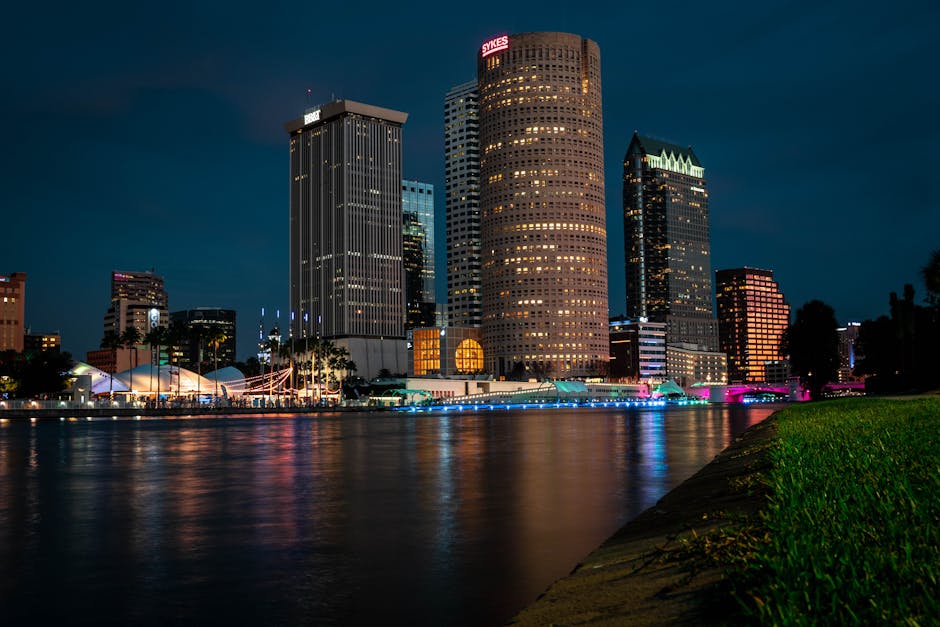
The Tampa luxury real estate landscape has transitioned from a period of rapid appreciation to one of sophisticated maturation. For the institutional-grade buyer or the relocating executive, the current environment demands a move beyond surface-level aesthetics toward a rigorous evaluation of neighborhood-level economics and long-term asset resilience. As we move through 2026, the distinction between ‘commodity luxury’ and ‘bespoke legacy assets’ has never been more pronounced, with market participants prioritizing privacy, security, and proximity to emerging economic hubs.
The Executive Migration: Why St. Petersburg is Gaining Ground
One of the most significant shifts in regional capital allocation is the increasing preference for St. Petersburg among high-level executives. While South Tampa remains the traditional bastion of prestige, the urban core of St. Petersburg offers a density of professional networking and cultural amenities that appeals to the modern C-suite. According to recent reports on why executives keep choosing St. Pete, the city’s ability to blend a walkable lifestyle with a robust business environment is a primary driver of this trend.
For buyers, this migration suggests that the regional market is becoming more polycentric. The demand for luxury housing is no longer confined to a single corridor but is instead following the movement of intellectual and financial capital across the bay. This shift necessitates a broader search strategy that considers both the historic charm of Tampa’s established neighborhoods and the sleek, modern infrastructure being developed in St. Petersburg’s high-growth districts. Analyzing these cross-bay dynamics is essential for identifying properties with the highest potential for sustained value retention.
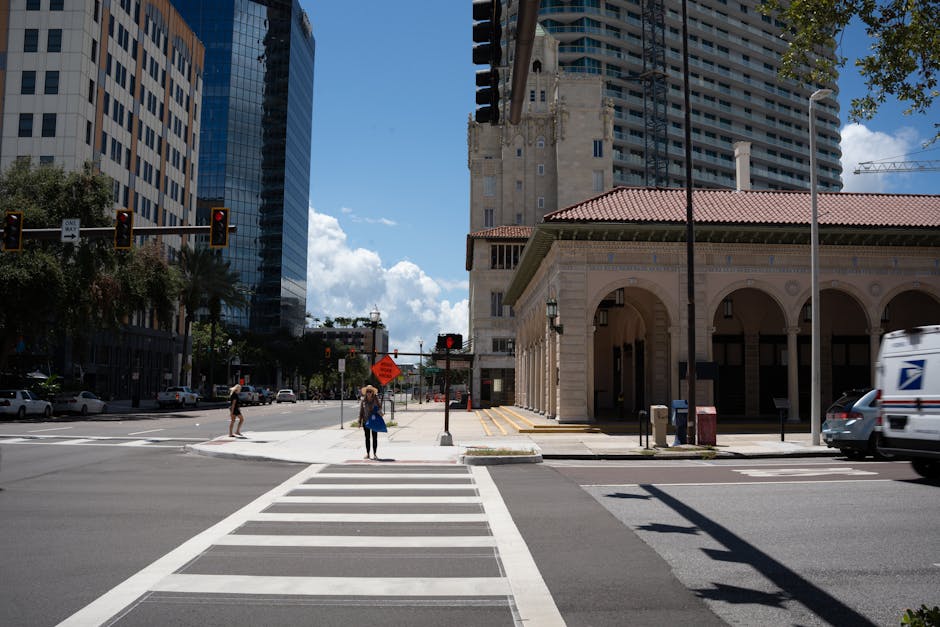
The Nine-Figure Ceiling: Analyzing the Ultra-Luxury Stratosphere
The entry of institutional-grade estates into the Tampa market has shattered previous pricing records, signaling a new era of ultra-luxury. While the region’s price record historically hovered around $22.5 million, the emergence of properties with asks exceeding $100 million has captured national attention. As noted by the Wall Street Journal, these ‘trophy assets’ represent a fundamental change in the scale of Tampa’s residential offerings. These are not merely homes; they are sovereign-level holdings that command unique positions in the global real estate market.
For the affluent buyer, the rise of the nine-figure estate highlights the scarcity of large-scale waterfront acreage. In a market where 120 luxury properties are currently active, these singular listings represent a tiny fraction of inventory but set the psychological floor for the entire upper tier. When evaluating such significant investments, one must look beyond the square footage to the intrinsic land value and the rarity of the site. Such properties are often the only way to secure substantial privacy in an increasingly densely populated coastal region.
Maturing Vertical Living: The Shift in Condo Dynamics
Tampa has traditionally been a market dominated by single-family estates, but the luxury condominium sector is rapidly reaching a state of maturity. Historically considered an early-stage market for vertical living, the influx of branded residences and high-service towers has changed the calculation for many high-net-worth individuals. Insights from Tampa Bay Business & Wealth explain why the region is shedding its early-stage status, as buyers increasingly prioritize the security and efficiency of vertical assets over the maintenance requirements of traditional waterfront homes.
This maturation is particularly evident in the downtown and Westshore corridors, where new developments are offering amenities that rival those found in major global gateways. The decision between a custom-built estate and a high-floor penthouse often comes down to lifestyle flexibility. For the frequent traveler or the dual-resident owner, the ‘lock-and-leave’ capability of a managed residence provides a level of peace of mind that is difficult to replicate in a standalone property. As inventory in this segment expands, the focus for buyers is shifting toward the quality of the management association and the exclusivity of common spaces.
- Review the last five years of seawall maintenance and elevation certificates for waterfront assets.
- Analyze the proximity to private aviation hubs like Tampa International or Peter O. Knight.
- Evaluate the density of surrounding development to ensure long-term privacy and view corridors.
- Verify the status of any active neighborhood deed restrictions or historic preservation mandates.
- Assess the integration of smart-home infrastructure and off-grid power resilience.
- Compare the historical price-per-square-foot trends against the broader 2025 luxury sale data.
Waterfront Resilience and Tactical Pricing in Venetian Isles
In the current market, waterfront properties remain the most resilient asset class, but they require the most tactical approach to pricing. Recent movements in areas like Venetian Isles demonstrate how inventory adjustments can create strategic opportunities for buyers. As featured in Haute Living, even the most desirable waterfront enclaves are seeing price recalibrations that favor the prepared investor. These adjustments are often not a sign of weakness, but a return to fundamental value after a period of speculative excess.
When evaluating these waterfront assets, it is critical to look beyond the immediate dockage to the long-term viability of the shoreline. The most successful buyers in this segment are those who conduct deep due diligence on elevation and marine infrastructure. As we analyze the most expensive sales of 2025 and 2026, a clear pattern emerges: properties with deep-water access and robust modern construction command a significant premium over older, non-resilient homes. In the luxury tier, ‘average’ is no longer sufficient; the market only rewards excellence in both location and engineering.
Inventory Velocity: Navigating a $2.5 Million Median
The current MLS data provides a clear picture of the market’s velocity and health. With approximately 120 active luxury listings and a median list price of $2,498,800, the market is well-balanced. However, the average list price of $3,172,412 reveals the significant weight of ultra-high-end inventory at the top of the scale. This discrepancy suggests that while ‘entry-level’ luxury is stabilizing, the high-end bespoke market remains a realm of its own, where pricing is driven by scarcity and individual property provenance rather than broad market averages.
For buyers, this means that the window of opportunity is narrow for the most desirable properties. High-quality inventory in prime locations continues to move relatively quickly, while properties with deferred maintenance or less-than-ideal locations are seeing longer days on market. Success in this environment requires a proactive stance and a deep understanding of neighborhood-level micro-trends. Monitoring the movement of assets like the ones found on Tampa’s luxury home listings is essential for maintaining a real-time perspective on what constitutes fair value in the current cycle.
Social Synergy and the Cultural Ecosystem
The value of a luxury residence is inextricably linked to the cultural and social ecosystem that surrounds it. Tampa’s investment in public spaces and world-class events has created a lifestyle infrastructure that supports long-term property values. Major regional highlights such as Riverfest and other downtown festivals are not just entertainment; they are indicators of a city’s vibrancy and economic health. These events draw international attention and reinforce the region’s status as a top-tier destination for global capital.
A neighborhood that can sustain a Michelin-recognized culinary scene, high-end retail, and major artistic programming is a neighborhood that will likely see continued demand from affluent buyers. Whether it is the seasonal festivals in St. Pete or the consistent growth of the Water Street district, the social fabric of Tampa Bay is becoming more refined and interconnected. When you buy into these areas, you are not just acquiring a home; you are securing a position within a community that is actively shaping the future of the Florida coast. This cultural synergy is the final piece of the puzzle for any comprehensive real estate strategy.
Navigating a market of this complexity requires more than just access to data; it requires the perspective of a seasoned advisor who understands the nuances of capital movement and neighborhood evolution. Whether you are looking to divest a legacy estate or acquire a strategic waterfront asset, the decision-making process must be clinical and data-driven. We invite you to explore our curated selection of properties and contact an advisor to discuss how we can assist in aligning your real estate portfolio with the emerging realities of the 2026 Tampa market.
Your next move in Tampa luxury
Get current inventory, pricing guidance, and private-tour support from our brokerage team.
Source highlights
- Column: Why executives keep choosing St. Pete – The Business Journals
- Tampa’s Price Record Is $22.5 Million. This Huge Estate Is Asking $115 Million. – WSJ
- Tampa Bay’s most expensive luxury home sales of 2025 – Tampa Bay Times
- Why Tampa remains an early-stage luxury condo market – Tampa Bay Business & Wealth
- Jennifer Zales Unveils Venetian Isles Waterfront Luxury Now Offered At A New Price – Haute Living
- Florida Trend Real Estate – Florida Trend
- Things To Do In Tampa This Weekend: Best Festivals & Events Going On – That's So Tampa
- Riverfest and other events take over Tampa this weekend | What to know before you go – wtsp.com



