


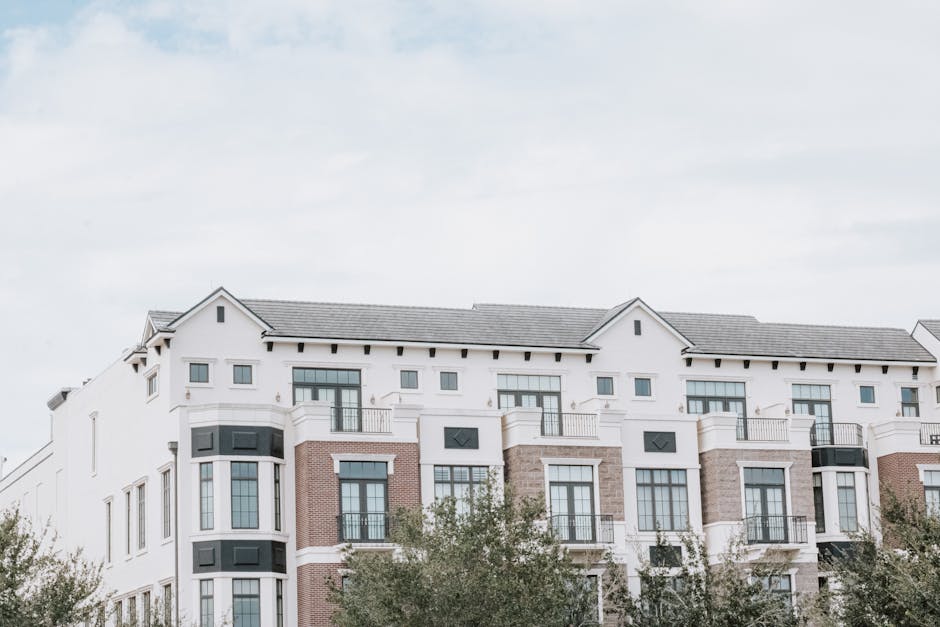
The Institutionalization of Tampa Luxury Real Estate
Tampa’s residential luxury sector has transitioned from a regional interest to a primary destination for national and international capital. This shift is underscored by the recent listing of a significant estate with an asking price of $115 million, a figure that substantially eclipses the previous city record of $22.5 million. As reported by the Wall Street Journal, such listings signal a new era of confidence in the local market infrastructure. For buyers, this maturity means that while entry points have risen, the long-term stability of the asset class is increasingly supported by high-net-worth migration and consistent corporate expansion into the Westshore and Downtown districts.

Navigating this landscape requires a move away from speculative purchasing toward a strategy focused on asset quality and site-specific advantages. The market is no longer driven by rapid appreciation alone but by the fundamental value of primary residences for an affluent demographic that prioritizes proximity to cultural hubs and professional centers. This institutionalization is reflected in the steady growth of the LISTINGS URL, where median list prices now hover around $2,500,000, reflecting a deliberate recalibration of what constitutes luxury in the current economic cycle. Acquisitions in this bracket are increasingly viewed through the lens of capital preservation rather than short-term gain.
The resilience of the local sector is particularly notable when contrasted with national trends. While other metropolitan areas have seen cooling periods, the Business Journals have noted that Tampa’s luxury market grows stronger despite broader declines. This strength is rooted in a limited inventory of high-quality, move-in-ready properties and a buyer pool that is less sensitive to interest rate fluctuations and more focused on the scarcity of premium waterfront or historic acreage. Understanding the specific movement within South Tampa and the surrounding islands is essential for any advisor-led acquisition strategy in 2026.
South Tampa and the Nuances of Waterfront Premiums
South Tampa remains the epicenter of high-end demand, yet the value proposition varies significantly between established enclaves like Hyde Park and the newer developments along Westshore. Davis Islands, in particular, continues to command a premium due to its unique combination of deep-water access and a secluded, residential atmosphere. The recent sales data from the Tampa Bay Times highlights that waterfront estates on the island represent some of the most expensive transactions of the previous year, underscoring the enduring appeal of the shoreline. Buyers are increasingly discerning about the quality of seawalls, dockage capacity, and the specific architectural integrity of the structures they acquire.
Hyde Park offers a different investment profile, centered on historic preservation and walkability to the high-end retail of Hyde Park Village. Here, the premium is placed on the provenance of the home and its integration into the historic fabric of the neighborhood. While waterfront views are less common in the interior of Hyde Park, the proximity to Bayshore Boulevard provides a comparable lifestyle benefit that maintains property values even during market shifts. The distinction between these two areas is critical for buyers who must choose between the privacy of an island estate and the social connectivity of a historic district.
Beyond the immediate waterfront, areas like Culbreath Isles and Sunset Park offer more modern architectural footprints and larger lot sizes. These neighborhoods have become increasingly popular for families seeking primary residences that provide more square footage than the historic cottages of the core. As inventory remains tight, with only 120 active luxury listings across the region, identifying value in these secondary South Tampa neighborhoods requires a nuanced understanding of school district boundaries and recent municipal infrastructure improvements. The ability to distinguish between a property’s intrinsic value and its aesthetic staging is where professional guidance becomes indispensable.
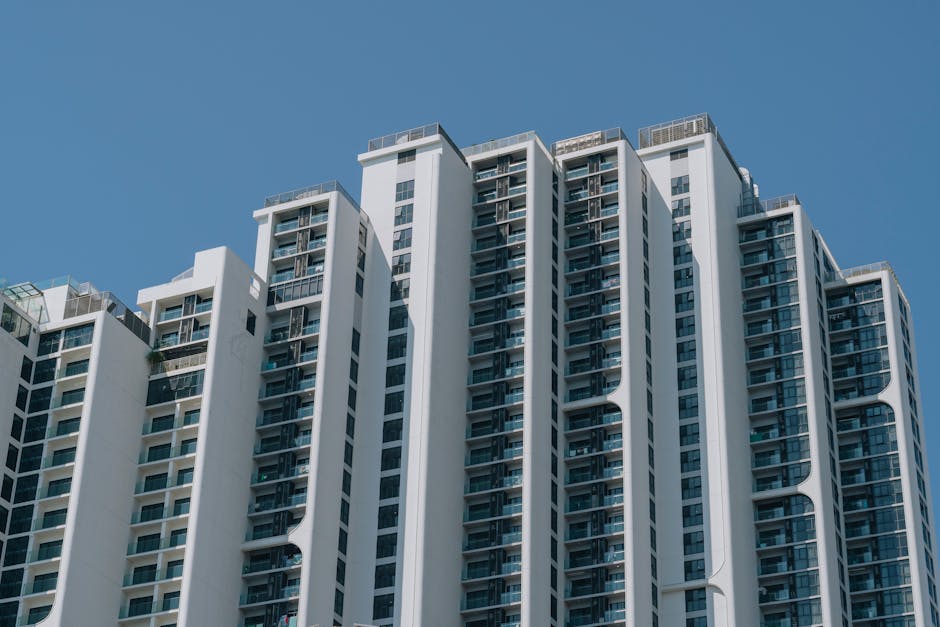
The Vertical Shift: Assessing the Luxury Condo Market
Tampa is traditionally a single-family home market, but the emergence of a sophisticated high-rise sector is fundamentally changing the skyline and the buyer profile. The development of Water Street and the expansion of the Westshore marina district have introduced a level of service and amenity that was previously unavailable in the region. According to Tampa Bay Business & Wealth, Tampa remains an early-stage luxury condo market, which suggests significant room for growth compared to more saturated markets like Miami. For the primary resident, these vertical communities offer a low-maintenance lifestyle with concierge services that cater to a global schedule.
This shift toward vertical living is not merely about convenience; it is about connectivity. Many high-net-worth individuals are opting for luxury condos in Downtown Tampa to be within walking distance of the city’s evolving financial and cultural amenities. The integration of high-end hospitality brands into residential towers has set a new standard for luxury, where the distinction between home and a five-star hotel is increasingly blurred. Buyers in this segment should focus on the reputation of the developer and the long-term viability of the homeowners association, as these factors will dictate future resale value in an expanding market.
Despite the growth in the condo sector, the preference for single-family residences remains strong among established Tampa families. The decision between vertical and horizontal luxury often comes down to the intended use of the property. Those seeking a primary base for regional operations may prefer the security and central location of a downtown tower, while those with deep roots in the community typically opt for the privacy of a traditional estate. In either case, the focus remains on high-quality finishes and an environment that supports both professional productivity and personal wellness.
Strategic Diligence: A Buyer’s Framework
Acquiring a high-value asset in the Tampa market requires a rigorous approach to due diligence that extends beyond the standard inspection. Given the coastal geography, environmental factors must be the primary consideration in any valuation. This includes a detailed assessment of elevation levels and the specific flood mitigation measures integrated into the property’s design. As climate resilience becomes a central theme in global real estate, properties that demonstrate proactive engineering will likely maintain higher valuation premiums over time.
- Verification of elevation certificates and current flood zone designations.
- Evaluation of architectural provenance and the quality of recent structural renovations.
- Assessment of smart-home integration and energy-efficient building systems.
- Review of seawall integrity and riparian rights for waterfront parcels.
- Analysis of historical appreciation rates within the specific neighborhood enclave.
- Verification of proximity to essential infrastructure, including private aviation and healthcare.
Beyond the physical structure, the legal and zoning context of a property can significantly impact its future utility. In historic districts like Hyde Park or Seminole Heights, renovation restrictions can be stringent, requiring a specialized understanding of local preservation guidelines. Conversely, in newer developments, architectural review boards may dictate everything from landscape design to exterior lighting. Buyers must ensure that their vision for the property aligns with these regulatory frameworks before committing to a purchase. This level of scrutiny ensures that the acquisition remains a flexible asset that can adapt to the buyer’s evolving needs.
Infrastructure, Connectivity, and Urban Flow
The value of real estate is inextricably linked to the infrastructure that surrounds it. Tampa’s growth has necessitated significant investments in transportation and urban planning, which in turn influence property values in adjacent neighborhoods. High-traffic events and seasonal festivals, while culturally enriching, can impact local accessibility. For example, the City of Tampa frequently issues traffic advisories for major events that can alter the flow of the downtown core and South Tampa corridors. Discerning buyers look for properties that offer multiple points of ingress and egress, ensuring that the vibrancy of the city does not translate into personal inconvenience.
Connectivity to the Tampa International Airport and private aviation terminals like Sheltair or Signature Flight Support is a non-negotiable requirement for many high-level executives. The ability to transition from a private residence to a flight in under twenty minutes is a significant factor in the desirability of neighborhoods like Beach Park and Culbreath Isles. As the city continues to attract more corporate headquarters, the premium on these well-connected enclaves is expected to rise. The strategic buyer evaluates a home not just as a static structure, but as a node within a broader network of professional and personal mobility.
Furthermore, the development of the Tampa Riverwalk and the expansion of green spaces have created a new hierarchy of desirability. Properties that offer direct access to these pedestrian corridors are seeing a surge in demand, as they provide a lifestyle that combines urban energy with outdoor recreation. This focus on wellness and walkability is a hallmark of the modern luxury buyer, who values the ability to engage with the city’s environment without the necessity of a vehicle. Understanding these shifts in urban flow is essential for predicting which areas will outperform the broader market in the coming decade.
Resilience and Modernization as Core Valuation Metrics
In the 2026 market, luxury is increasingly defined by the invisible systems that support a home’s functionality. Smart-home automation has moved from a novelty to a standard expectation, with buyers looking for integrated systems that manage security, climate, and energy consumption with minimal user intervention. High-end properties are now expected to feature dedicated home offices with enterprise-grade connectivity, reflecting the permanent shift toward hybrid professional environments. When evaluating a potential acquisition, the age and sophistication of these internal systems are just as critical as the aesthetic finishes.
Resilience is the other side of the modernization coin. In Florida, this means building to standards that exceed local codes to ensure long-term durability. Concrete construction, impact-resistant glass, and elevated living spaces are no longer optional features in the high-end segment; they are fundamental requirements for risk mitigation. Buyers are increasingly asking for detailed records of how a home has performed during previous weather events, using this data as a proxy for the quality of the original construction. A resilient home is a secure investment, providing peace of mind that is reflected in the property’s appraisal and insurance profile.
Finally, the concept of luxury has expanded to include the environmental footprint of the home. Solar integration, high-efficiency HVAC systems, and sustainable building materials are becoming more prevalent in the custom home market. While these features contribute to lower operating costs, their primary value in the luxury sector is the alignment with the buyer’s personal values and the future-proofing of the asset. As regulations around building efficiency continue to evolve, properties that are already ahead of the curve will command a premium in the resale market, making modernization a strategic necessity rather than an optional upgrade.
Advisor-Led Acquisition Strategies
The complexities of the current Tampa market demand a sophisticated approach to acquisition that goes beyond simply browsing available inventory. With an average list price exceeding $3.2 million and a highly competitive environment for the best parcels, buyers must rely on an advisor who can provide deep-level market intelligence and access to off-market opportunities. The role of the advisor has shifted from a facilitator of transactions to a strategic partner who can analyze neighborhood-level data and project future growth patterns. This analytical brief serves as a starting point for a more detailed conversation regarding your specific investment goals and lifestyle requirements.
Success in this market is found by those who can move quickly on high-quality assets while maintaining a disciplined approach to valuation. By focusing on the fundamentals of location, resilience, and infrastructure, buyers can secure properties that will serve as both a sanctuary and a stable component of a broader wealth management strategy. Whether you are looking for a historic estate in Hyde Park or a modern masterpiece on the waterfront, the key is to prioritize assets that offer long-term intrinsic value over those that merely follow temporary trends.
To navigate the nuances of the current inventory and identify the properties that align with your strategic objectives, we invite you to explore our curated collection of active LISTINGS URL. Our team provides the data-backed guidance and local expertise necessary to execute complex transactions with confidence. For a confidential consultation regarding the acquisition or disposition of high-value real estate in the Tampa region, please CONTACT URL to speak with a senior advisor who understands the unique requirements of the luxury market.
Your next move in Tampa luxury
Get current inventory, pricing guidance, and private-tour support from our brokerage team.
Source highlights
- Tampa’s Price Record Is $22.5 Million. This Huge Estate Is Asking $115 Million. – WSJ
- Tampa Bay’s most expensive luxury home sales of 2025 – Tampa Bay Times
- Tampa Bay luxury market grows stronger despite national declines – The Business Journals
- Why Tampa remains an early-stage luxury condo market – Tampa Bay Business & Wealth
- Tampa Bay’s Waterfront Emerges as a Primary Luxury Real Estate Market – The National Law Review
- Florida Trend Real Estate – Florida Trend
- Things To Do In St Pete This Weekend: Best Festivals & Events Going On In St Petersburg – I Love the Burg
- Tampa weekend events: Concerts, festivals and downtown family fun — What to know before you go – FOX 13 Tampa Bay



