


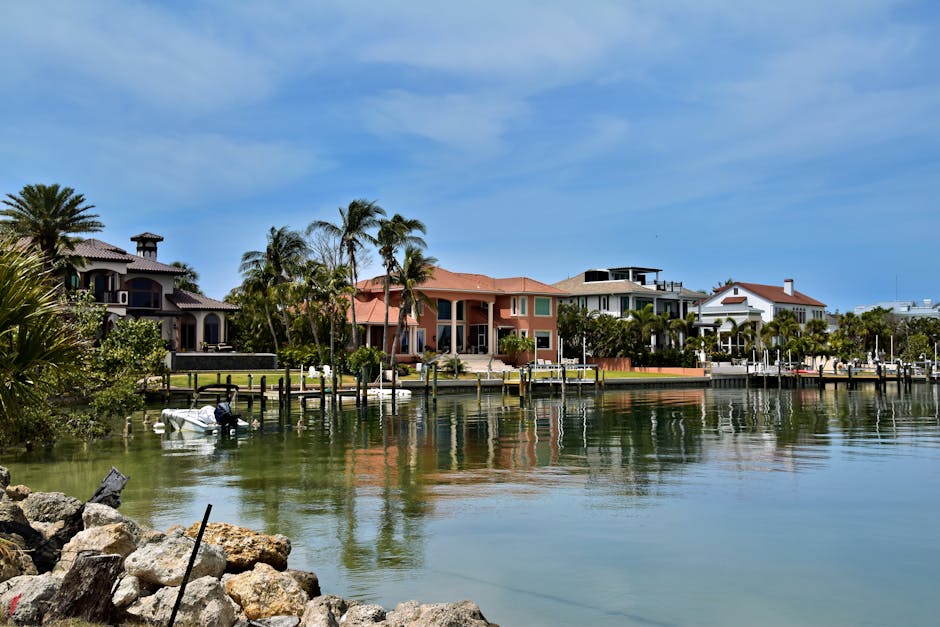
The Transition to a Primary Residency Hub
The Tampa luxury real estate sector is currently undergoing a profound structural shift, moving away from its historical designation as a secondary vacation market toward a sophisticated primary residency hub. This maturation is evidenced by the increasing entry of high-net-worth individuals who are choosing the region for its robust infrastructure and favorable tax climate rather than mere seasonal utility. Recent data suggests that Tampa Bay’s luxury market grows stronger even as other national markets experience significant pullbacks, indicating a localized resilience driven by genuine migration and capital relocation.
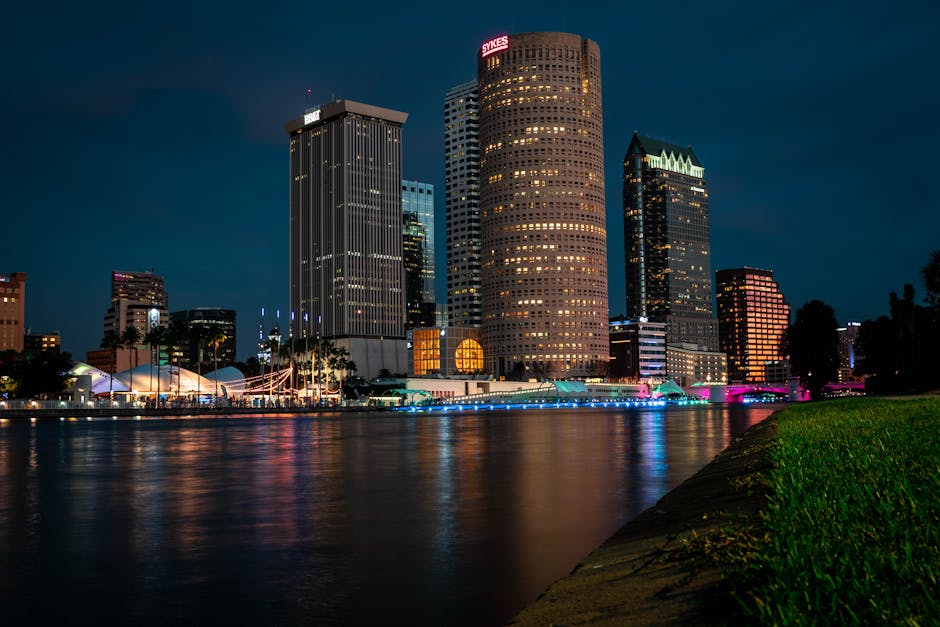
As the market scales, the benchmarks for what defines a trophy property are being rewritten. While the regional price record currently sits at $22.5 million, the introduction of estates with valuations exceeding $100 million signals a new tier of global ambition. Investors and residents are no longer just looking for proximity to the water; they are demanding architectural integrity, advanced security, and comprehensive smart-home integration. This shift requires a more analytical approach to acquisition, focusing on long-term asset stability rather than short-term market fluctuations. The current median list price of approximately $2.5 million reflects a healthy floor for high-end residential stock, yet the average price of $3.3 million highlights the significant weight of ultra-luxury listings pulling the ceiling higher.
Understanding this trajectory is essential for buyers who are evaluating the region against other Florida metros. Tampa offers a more grounded, community-focused environment than the high-intensity corridors of South Florida, yet it provides the same access to elite amenities and global connectivity. This balance is a primary driver for the current inventory of 120 active luxury units. Serious participants in this market are increasingly looking at properties not just as residences, but as significant components of a diversified wealth strategy, necessitating a deep understanding of neighborhood-level micro-trends and municipal development plans.
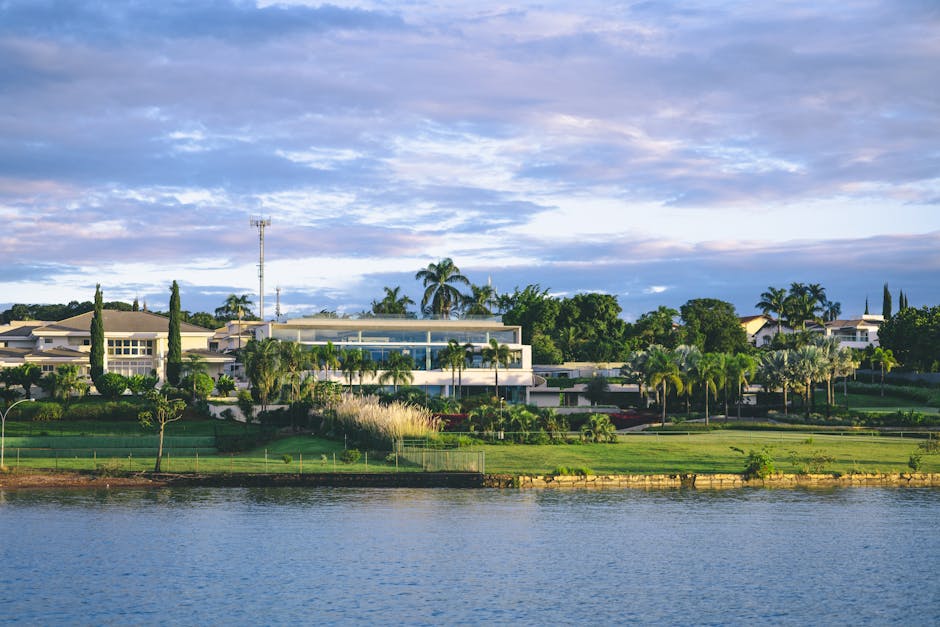
Scarcity and Valuation of South Tampa Waterfront
Waterfront inventory in South Tampa remains the most aggressive asset class in the region, defined by extreme scarcity and high barriers to entry. Areas like Davis Islands and Beach Park continue to command premiums because the supply of developable land is finite. The emergence of Tampa Bay’s waterfront as a primary luxury real estate market has changed the valuation models used by appraisers and advisors alike. No longer is a seawall just a functional boundary; it is a critical piece of infrastructure that must be audited for longevity and elevation compliance.
Buyers targeting these enclaves must distinguish between deep-water access for larger vessels and shallow-water basins that limit maritime utility. In Sunset Park and Culbreath Isles, the integrity of the canal systems and the age of existing seawalls are pivotal negotiation points. The market is seeing a trend where older structures are being acquired primarily for their land value, with buyers immediately initiating custom builds that adhere to modern Florida building codes and higher elevation requirements. This process, while intensive, ensures that the new residential stock is resilient against environmental variables while maximizing bay views and privacy.
Furthermore, the logistical nuances of South Tampa living—such as the proximity to elite private schools and the ease of access to the Westshore business district—add layers of value that are not immediately apparent in a standard listing sheet. The preference for wide-water views over canal-frontage is currently driving a price divergence, with open-bay estates commanding exponentially higher per-square-foot rates. When reviewing the LISTINGS URL, it is important to correlate price points with specific lot orientations and riparian rights to ensure the investment aligns with both lifestyle needs and resale expectations.
Technical Diligence for High-Value Acquisitions
Acquiring an estate in the multi-million dollar range requires a specialized due diligence process that goes beyond standard home inspections. In the current environment, buyers must be proactive in verifying the technical specifications of a property, particularly regarding environmental mitigation and structural engineering. The following checklist provides a framework for the initial assessment phase to ensure all critical variables are accounted for prior to entering the contract stage.
- Verification of riparian rights and existing dock permits through municipal records.
- Comprehensive elevation certificate review to determine flood insurance premiums and mitigation requirements.
- Assessment of seawall integrity, including tie-back systems and cap condition, by a marine engineer.
- Review of neighborhood-specific deed restrictions and architectural review committee (ARC) mandates.
- Analysis of recent soil boring tests for properties intended for substantial expansion or new construction.
- Audit of smart-home infrastructure, specifically focusing on cybersecurity and integrated systems compatibility.
Beyond the physical structure, understanding the local governance and future infrastructure projects is vital. For instance, planned improvements to drainage systems or road expansions in core areas can significantly impact property values and quality of life. High-tier buyers should also consider the impact of local event density; for example, the city of Tampa traffic advisories during major festivals or sporting events can influence the accessibility of certain waterfront neighborhoods. A senior advisor can provide context on which areas offer the best balance of seclusion and connectivity during peak activity periods.
High-Rise Maturation: Beyond the Seasonal Condo
While single-family estates remain the traditional choice for Tampa’s affluent, the vertical market is seeing unprecedented growth. Tampa has historically been viewed as an early-stage luxury condo market, but the delivery of new ultra-luxury towers along Bayshore Boulevard and within Water Street has fundamentally changed this perception. These developments are no longer just offering square footage; they are providing managed lifestyles with service levels that rival five-star hotels.
The decision to move into a high-rise in Tampa is often driven by a desire for a low-maintenance, secure environment without sacrificing the amenities of a large estate. Modern towers now feature private elevator entries, expansive outdoor terraces with summer kitchens, and sophisticated climate-controlled storage for wine and art collections. This shift is attracting a younger demographic of executives and entrepreneurs who value the proximity to the city’s evolving dining and cultural scene. The integration of commercial and residential spaces in districts like Water Street has created a truly walkable luxury environment that was previously unavailable in the region.
However, the high-rise market requires a different set of evaluation criteria. Potential residents must scrutinize the developer’s track record, the health of the association’s reserves, and the specifics of the building’s amenity management. Unlike a single-family home, the value of a condo is closely tied to the collective maintenance of the building and the exclusivity of its resident services. As more inventory comes online, differentiation through design and service will be the primary drivers of appreciation in this segment.
Micro-Market Analysis: Davis Islands and Westshore Yacht Club
A granular look at Tampa’s elite neighborhoods reveals distinct personalities and investment profiles. Davis Islands remains the pinnacle for many, offering a unique blend of aviation and maritime access via its private airport and yacht club. The absence of traditional through-traffic creates a quiet, village-like atmosphere that is highly coveted. Properties here range from historic Mediterranean Revivals to cutting-edge contemporary glass estates, with the most significant demand centered on the outer loops of the islands which provide unobstructed views of the open bay and the downtown skyline.
Conversely, the Westshore Yacht Club offers a more curated, gated-community experience. This area appeals to buyers who prioritize security and a club-centric lifestyle, with a focus on townhomes and single-family residences that share access to high-end fitness facilities, pools, and dining. While it offers a different feel than the historic streets of South Tampa, its proximity to the bridge and the airport makes it an ideal choice for those who travel frequently for business. Each of these micro-markets responds differently to economic shifts, making it imperative to consult with a local expert via the CONTACT URL before finalizing a location strategy.
Furthermore, areas like Sunset Park and Belmar Shore are seeing a renaissance as buyers seek larger lots that allow for expansive one-story modern floor plans. The movement of capital into these neighborhoods is visible in the volume of new construction and the rapid turnover of premium inventory. For those monitoring Florida real estate trends, it is clear that the preference for “new” is currently outweighing historical charm in terms of price-per-square-foot, though well-maintained architectural gems still hold significant prestige.
Navigating the Competitive Landscape of Modern Estates
The current landscape of the Tampa luxury market is characterized by a sophisticated buyer pool that is well-informed and decisive. With 120 active luxury listings, the competition for the highest-quality assets is intense. Properties that are priced correctly and presented with a focus on technical excellence tend to move quickly, while those with deferred maintenance or unrealistic valuations are being overlooked. The recent WSJ reporting on Tampa’s price records highlights that the global spotlight is firmly on the region, bringing an influx of out-of-state capital that is less sensitive to local interest rate fluctuations and more focused on the long-term lifestyle and tax benefits of a Florida residency.
Effective acquisition in this environment requires more than just capital; it requires a network of professionals including tax advisors, marine engineers, and specialized real estate consultants. Buyers must be prepared to act with agility, often participating in off-market transactions that never reach the public portals. These private sales are increasingly common in the ultra-luxury tier, where sellers prioritize privacy and buyers seek exclusivity. Success in this market is defined by the ability to identify value where others see complexity, whether that is a lot with superior maritime positioning or a high-rise unit with unique architectural features.
The future of Tampa real estate is inextricably linked to its continued infrastructure development and its ability to attract high-value industries. As the city continues to evolve into a global destination, the luxury residential market will follow suit, with higher standards of design, sustainability, and service. Whether you are seeking a bayfront estate on Davis Islands or a sophisticated penthouse overlooking Water Street, the fundamental principles of quality and scarcity will remain the most reliable guides for your investment. To explore current opportunities or to discuss a tailored acquisition strategy, please browse our curated selection of listings and contact an advisor for a private consultation.
Your next move in Tampa luxury
Get current inventory, pricing guidance, and private-tour support from our brokerage team.
Source highlights
- Tampa’s Price Record Is $22.5 Million. This Huge Estate Is Asking $115 Million. – WSJ
- Tampa Bay’s most expensive luxury home sales of 2025 – Tampa Bay Times
- Tampa Bay luxury market grows stronger despite national declines – The Business Journals
- Why Tampa remains an early-stage luxury condo market – Tampa Bay Business & Wealth
- Tampa Bay’s Waterfront Emerges as a Primary Luxury Real Estate Market – The National Law Review
- Florida Trend Real Estate – Florida Trend
- Things To Do In St Pete This Weekend: Best Festivals & Events Going On In St Petersburg – I Love the Burg
- Tampa weekend events: Concerts, festivals and downtown family fun — What to know before you go – FOX 13 Tampa Bay



