


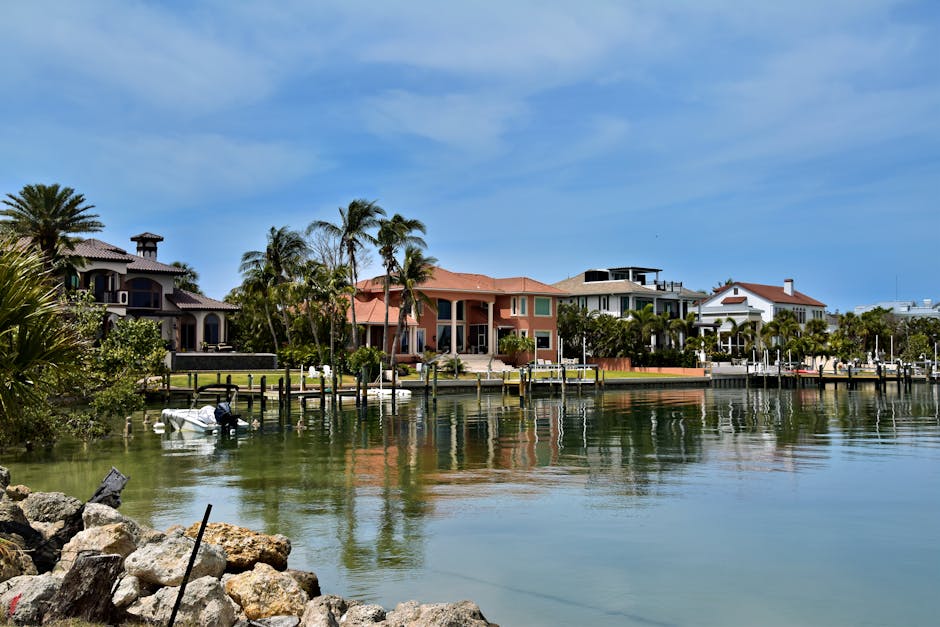
The Evolution of Tampa as a Primary Luxury Destination
The Tampa real estate landscape has undergone a fundamental transformation, moving from a regional interest point to a primary destination for high-net-worth individuals. This shift is characterized by a departure from seasonal occupancy toward year-round residency, driven by a combination of infrastructure investment and a robust local economy. For the sophisticated buyer, understanding this transition is critical when evaluating long-term value. The city is no longer viewed as a secondary option to more established coastal markets; instead, it is competing directly for national capital. This maturity is reflected in the current inventory, where the quality of construction and architectural significance now matches international standards.

Evidence of this market maturity is found in recent high-profile transactions and listings that have reset local expectations. While the previous record for a residential sale in the area stood at $22.5 million, the market is currently witnessing valuations that far exceed this mark. According to reports from the Wall Street Journal, a massive estate in the region is currently testing the ceiling with a nine-figure asking price. This indicates a significant level of confidence among sellers and developers regarding the area’s ability to attract and sustain extreme wealth. For buyers, this means the ‘early entry’ phase has closed, and the market has entered a period of sustained, institutional-grade growth.
As the waterfront emerges as a primary market, the demand for sophisticated amenities and security has intensified. Buyers are increasingly prioritizing properties that offer not just views, but comprehensive infrastructure and privacy. This trend is highlighted in a recent analysis by the National Law Review, which notes that Tampa’s waterfront is now being treated with the same analytical rigor as Miami or Palm Beach. Understanding the legal and environmental nuances of these coastal acquisitions is now a standard part of the advisory process for affluent families moving into the region.

Inventory Dynamics and Pricing Trajectories
Current market data reveals a nuanced environment for luxury acquisitions. With 120 active luxury listings and a median list price of $2.5 million, the inventory remains selective. The average list price, currently exceeding $3.3 million, reflects a heavy concentration of ultra-high-end properties that skew the traditional market averages. For a buyer, this means that while the entry point for luxury remains accessible compared to Southern California or New York, the top tier of the market is moving rapidly. Discerning between ‘priced for the market’ and ‘aspirational pricing’ requires a deep dive into recent comparable sales and local neighborhood micro-trends.
Resilience has been a hallmark of the local sector. Even as national real estate trends have shown signs of cooling or correction, the local market has remained remarkably stable. Data from The Business Journals confirms that the luxury market here grows stronger despite national declines, bolstered by consistent domestic migration and the influx of financial services firms. This creates a supply-constrained environment, particularly in high-demand areas such as Davis Islands and Beach Park, where buildable land is virtually non-existent and the focus has shifted to substantial renovations or total reconstructions.
The pricing behavior in the residential and land sectors also points to a strategic long-term hold mentality among current owners. Many of the most desirable properties are held by owners who are not under pressure to sell, which maintains a high floor for valuations. This makes timing the market less about finding a bargain and more about securing access to off-market or newly listed inventory before it reaches a wider audience. Investors and primary residents alike are looking at the active luxury listings as a hedge against volatility elsewhere, trusting in the tangible value of Florida’s west coast real estate.
Neighborhood-Level Analysis: From Davis Islands to Hyde Park
Location remains the primary driver of value, but the definition of ‘prime’ is expanding. Davis Islands continues to be the preferred choice for those seeking the highest level of privacy and deep-water access. The island’s geography allows for a secluded environment while remaining minutes from the urban core. Recent sales here have consistently outperformed other waterfront districts, specifically for properties that offer unobstructed bay views and modern dockage capabilities. Buyers in this area are typically prioritizing the ability to keep significant maritime assets at their residence, a factor that adds a premium to any coastal listing.
Conversely, Hyde Park and the historic districts offer a different value proposition centered on architectural heritage and walkability. The demand for historic preservation coupled with modern internal infrastructure has created a niche market for ‘restomod’ homes—properties that maintain their classic exterior aesthetic while featuring state-of-the-art kitchens, smart home automation, and energy-efficient systems. The appeal here is the immediate proximity to upscale retail and dining, which aligns with the preferences of younger affluent buyers who value a more connected, less isolated environment. This neighborhood-level movement is detailed in various Florida Trend Real Estate reports that track the urban-historic resurgence.
Emerging areas like Culbreath Isles and Beach Park are also seeing a surge in activity as buyers seek larger lot sizes that are difficult to find in the more dense historic neighborhoods. These areas offer a suburban feel with the benefits of a gated community or high-security environment, making them ideal for families. The decision between these areas often comes down to a trade-off between the prestige of an island address and the utility of a larger, more private inland estate. Assessing these trade-offs requires a strategic perspective on how the property will be utilized on a daily basis, rather than just its potential for appreciation.
Critical Due Diligence for Luxury Acquisitions
Purchasing at the multi-million dollar level requires a more rigorous due diligence process than standard residential transactions. The complexity of high-end builds—often involving custom materials, intricate seawalls, and advanced environmental systems—demands a specialized approach to inspection and verification. For waterfront properties, the condition of the maritime infrastructure is often as important as the home itself. Buyers must account for the long-term maintenance of seawalls and the regulatory environment surrounding dock permits and water depths, which can vary significantly from one street to the next.
- Verification of seawall integrity and remaining service life via specialized engineering reports.
- Analysis of elevation certificates and the impact on long-term insurance premiums and structural requirements.
- Review of historic preservation easements in neighborhoods like Hyde Park and Seminole Heights.
- Evaluation of smart-home system compatibility and the security of integrated IoT devices.
- Assessment of privacy setbacks and potential neighboring developments that could impact future views.
- Confirmation of deep-water access and bridge clearances for specific yacht classes.
Beyond the physical structure, the financial and logistical aspects of the transaction should be handled with discretion. High-net-worth buyers frequently utilize specialized entities for acquisition to maintain privacy and manage liability. Understanding the tax implications of a Florida residency versus other states is also a common factor in the decision-making process. While the state’s tax-friendly environment is a well-known draw, the specific benefits for estate planning and asset protection should be reviewed with professional advisors prior to entering into a contract.
The Shifting Preference for Vertical Living
A notable trend in the Tampa market is the increasing acceptance of high-end condominiums as a primary residence. Historically, the local luxury market was dominated by single-family estates, but a new wave of developments has introduced a level of service and amenity that was previously unavailable. These properties cater to the ‘lock-and-leave’ mindset, appealing to those who travel frequently or prefer the security and convenience of a fully managed building. The rise of these developments is changing the skyline and the way affluent residents interact with the city center.
The condo market is still in its early stages of development compared to other metropolitan areas, which presents a unique window for buyers. According to Tampa Bay Business & Wealth, the city remains an early-stage luxury condo market, meaning there is still significant room for growth in terms of both inventory and service levels. Current projects are incorporating features like private elevators, expansive terraces with outdoor kitchens, and 24-hour concierge services that rival those found in world-class hotels. For many, the trade-off of less land for more service and a better view is becoming increasingly attractive.
As these vertical communities mature, they are also fostering a new type of social ecosystem. Residents benefit from shared amenities like high-end fitness centers, private screening rooms, and exclusive lounges, creating a community feel that is different from a traditional gated street. This trend is particularly evident in the Water Street and Westshore Marina areas, where the focus is on a curated lifestyle that integrates residential living with high-end retail and wellness options. This shift towards an amenity-rich, low-maintenance lifestyle is a key indicator of where the luxury market is heading over the next decade.
Navigating Market Entry and Timing
Deciding when to enter the market requires a balance of data and intuition. While some buyers wait for a significant downturn, the reality of the Tampa market is one of persistent demand. The influx of new residents and businesses creates a steady stream of buyers, ensuring that high-quality properties move quickly. Strategic entry is more about identifying the right asset than waiting for a market-wide price drop. High-quality properties in A-plus locations rarely see significant devaluation, even during broader economic shifts, due to their scarcity and the profile of the owners.
Logistics also play a role in timing. The city hosts numerous high-profile events that can impact property access and market activity. For instance, according to the City of Tampa, major seasonal activities and infrastructure projects can lead to traffic advisories that savvy buyers should consider when scheduling private viewings. Understanding the local rhythm—knowing when the city is most active and when it is most quiet—can provide a clearer perspective on what living in a specific neighborhood will actually feel like year-round.
Ultimately, the decision to acquire luxury real estate in Tampa should be viewed through a long-term lens. The city is currently in a high-growth phase, with significant public and private investment continuing to flow into the region. This suggests that the current price points, while high by historical standards, are likely to be viewed as reasonable in the coming years as the city continues its ascent. For those positioned to make a move, the focus should remain on properties that offer enduring value: superior location, exceptional build quality, and the ability to adapt to future lifestyle needs.
The Path Forward for the Discerning Buyer
Successfully navigating this market requires more than just a search for a property; it requires a comprehensive strategy that accounts for market timing, neighborhood micro-trends, and rigorous due diligence. The transition of Tampa into a global luxury hub is well underway, and the opportunities available today reflect a market that is both mature and still possessing significant upside. By focusing on the fundamentals—waterfront access, architectural integrity, and long-term infrastructure—buyers can secure assets that will serve as both a sanctuary and a sound investment. The current inventory offers a range of options from historic estates to modern vertical residences, each with its own set of advantages for the affluent family.
Selecting the right property is a significant decision that benefits from professional guidance and a deep understanding of the local landscape. We invite you to explore the current inventory and consider the implications of these market shifts on your personal real estate goals. To begin your search or to discuss the nuances of a specific neighborhood, we encourage you to browse our curated luxury homes for sale. When you are ready for a detailed consultation regarding your next acquisition, please contact an advisor to receive the personalized service and technical expertise required in today’s sophisticated market.
Your next move in Tampa luxury
Get current inventory, pricing guidance, and private-tour support from our brokerage team.
Source highlights
- Tampa’s Price Record Is $22.5 Million. This Huge Estate Is Asking $115 Million. – WSJ
- Tampa Bay’s most expensive luxury home sales of 2025 – Tampa Bay Times
- Tampa Bay luxury market grows stronger despite national declines – The Business Journals
- Why Tampa remains an early-stage luxury condo market – Tampa Bay Business & Wealth
- Tampa Bay’s Waterfront Emerges as a Primary Luxury Real Estate Market – The National Law Review
- Florida Trend Real Estate – Florida Trend
- Tampa weekend events: Concerts, festivals and downtown family fun — What to know before you go – FOX 13 Tampa Bay
- From Blues to BBQ: Tampa’s can’t-miss events this weekend – WMNF 88.5 FM



