


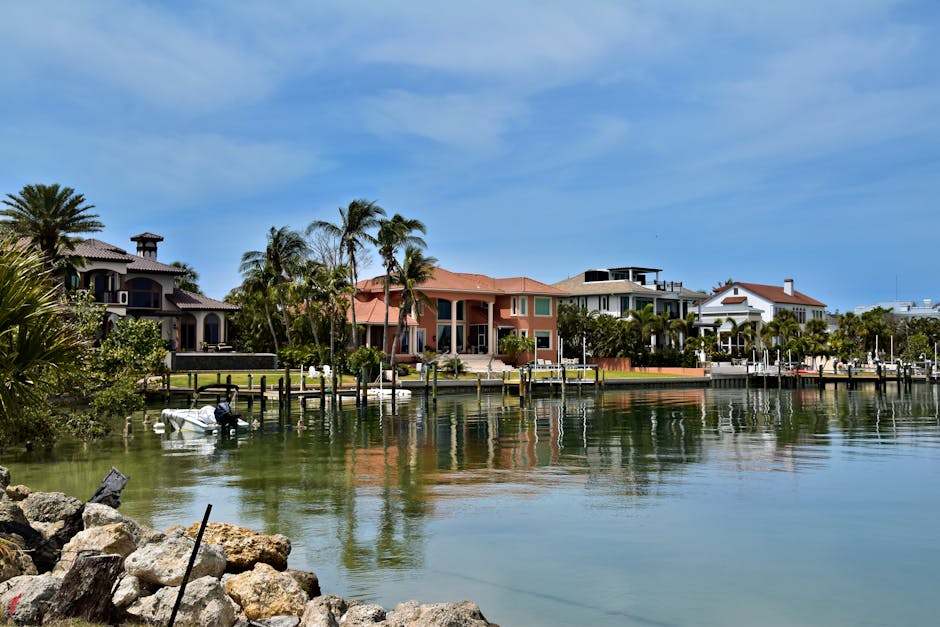
The Transition to Primary Market Dominance
The Tampa Bay luxury sector has undergone a fundamental transformation, evolving from a secondary vacation destination into a preferred primary residence hub for high-net-worth individuals. This shift is driven by a sophisticated buyer demographic seeking long-term stability rather than seasonal occupancy. Recent data confirms that Tampa’s waterfront is emerging as a primary luxury market, competing directly with traditional strongholds like Miami and Palm Beach for executive-level relocations.
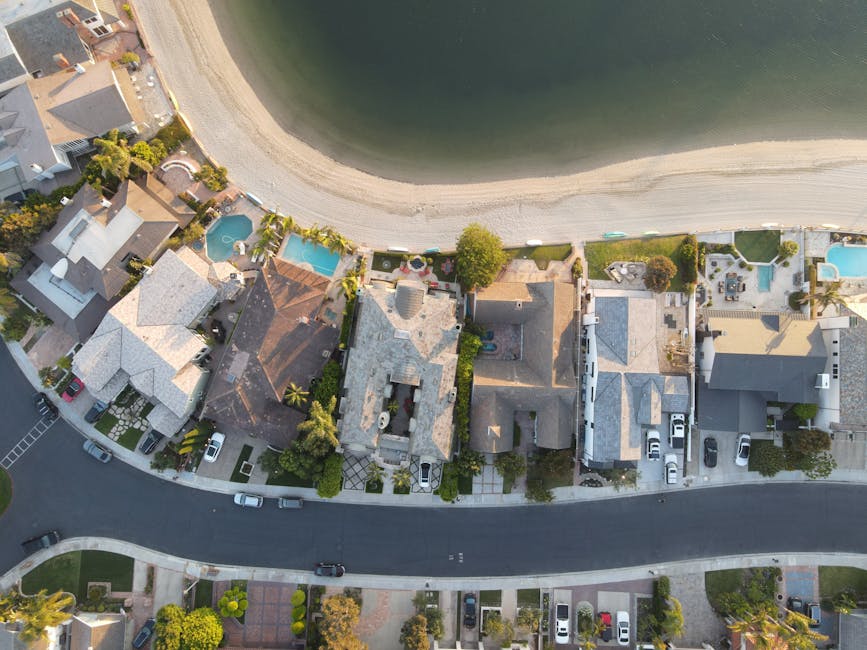
Unlike previous cycles, the current demand is anchored by permanent domestic migration from the Northeast and West Coast. Buyers are prioritizing substantial square footage, advanced home office infrastructure, and proximity to the region’s growing private education corridor. This behavioral change has resulted in a significant reduction in typical holding periods, as families settle into South Tampa and Davis Islands for the long term, further constraining the available inventory of turn-key estates.
Deciphering the $2.5 Million Median Baseline
As of late April 2026, the baseline for entry into the high-end segment has solidified, with a median list price resting at approximately $2,500,000. While historical averages were once anchored much lower, the influx of capital has created a new floor for properties that offer modern amenities and coastal resilience. The current active luxury count remains lean at 120 units, a figure that necessitates a proactive approach for those seeking specific architectural styles or lot sizes in established neighborhoods like Beach Park or Culbreath Isles.

Market participants should note that the average list price has climbed to over $3,308,000, skewed by a handful of ultra-high-end listings that redefine the local ceiling. For instance, recent activity on Troutwater Lane and Florida Avenue illustrates the appetite for both classic residential builds and significant land opportunities. These figures represent more than just price appreciation; they reflect a qualitative upgrade in the region’s housing stock, as older structures are replaced by bespoke estates designed to meet modern structural standards.
The $115 Million Estate and New Price Ceilings
The local market recently gained international attention with a record-shattering listing that has recalibrated expectations across the waterfront. While Tampa’s previous price record stood at $22.5 million, a huge estate is now asking $115 million, signaling a massive leap in what the market believes the region can support. This benchmark is not merely an outlier; it acts as a catalyst for other sellers in elite enclaves like Davis Islands and Belleair to re-evaluate the scarcity value of their own holdings.
This escalation follows a year of intense activity where Tampa Bay’s most expensive luxury sales of 2025 paved the way for current valuations. When a single asset breaks the nine-figure mark, it creates a trickle-down effect on appraisals throughout the high-end corridor. Strategic buyers are now forced to look beyond traditional comparables and instead focus on the replacement cost of rare waterfront acreage, which is increasingly difficult to secure as buildable land becomes nearly non-existent in the metropolitan core.
Essential Acquisition Checklist
Successful navigation of the current landscape requires more than just capital; it demands a rigorous due diligence framework. Before committing to a high-value asset, buyers should verify the following technical and environmental factors:
- Confirm the current FEMA flood zone designation and verify the height of the finished first floor relative to the base flood elevation.
- Audit the integrity of existing sea walls and dockage permits, especially in deep-water channels.
- Review historical neighborhood appreciation rates to distinguish between speculative bubbles and sustained equity growth.
- Verify proximity to executive travel hubs and private aviation facilities to ensure seamless regional mobility.
- Analyze the property’s architectural continuity with surrounding estates to protect long-term resale value.
Each of these points serves as a safeguard against the complexities of coastal ownership. For example, understanding riparian rights in specific Tampa pockets can be the difference between a functional waterfront lifestyle and a restricted view. Advisors recommend that these checks be performed well before the contract stage to ensure a clean closing process.
The Rise of Vertical Luxury: Condos as Primary Estates
While single-family homes traditionally dominated the luxury conversation, the vertical market is now reaching maturity. Many affluent buyers are opting for high-rise living to avoid the maintenance burdens of coastal estates while maintaining the square footage typical of a detached residence. Insights from local experts explain why Tampa remains an early-stage luxury condo market with significant runway for growth compared to more saturated Florida cities.
The current generation of luxury condominiums along Bayshore Boulevard and the Water Street district offers amenities that rival five-star resorts, including private elevators, 24-hour concierge service, and advanced air filtration systems. These buildings are attracting a demographic that values security and lock-and-leave convenience. For those weighing these options, comparing the cost per square foot against traditional waterfront estates is essential, as the premium for height and view often competes directly with the value of land in neighborhoods like South Tampa.
Coastal Engineering and Waterfront Resilience
Ownership in the Tampa market now requires a keen understanding of coastal engineering. With climate considerations moving to the forefront of real estate discussions, the resilience of a property has become a primary valuation driver. Modern luxury builds are increasingly utilizing reinforced concrete construction and high-impact glazing that exceeds current building codes. These features are no longer optional extras; they are fundamental components of a property’s long-term asset protection strategy.
Prospective owners are encouraged to consult with specialists to evaluate drainage systems and soil stability before acquisition. According to reports from Florida Trend, the emphasis on sustainable development is reshaping how architects approach waterfront design in the state. By prioritizing resilient infrastructure, owners can mitigate the rising costs of insurance and ensure their investment remains viable through shifting environmental standards.
Strategic Entry: The Advisor’s Approach to Selection
Entering the Tampa market at this stage requires a move away from emotional decision-making toward an analytical briefly. Successful buyers treat their residence as a core component of their wealth portfolio, evaluating neighborhood-level implications and long-term supply dynamics. The scarcity of high-quality inventory means that off-market acquisitions are becoming more common, often requiring deep local connections to identify opportunities before they reach the public MLS.
The current market strength persists even as other national markets experience cooling trends, making Tampa a resilient outlier. To navigate these complexities effectively, it is critical to work with an advisor who understands the nuances of Davis Islands, Beach Park, and the surrounding waterfront corridors. We recommend that you browse our curated LISTINGS URL to understand the current inventory depth and CONTACT URL an advisor to discuss your specific requirements for a primary estate in the 2026 market.
Your next move in Tampa luxury
Get current inventory, pricing guidance, and private-tour support from our brokerage team.
Source highlights
- Tampa’s Price Record Is $22.5 Million. This Huge Estate Is Asking $115 Million. – WSJ
- Tampa Bay’s most expensive luxury home sales of 2025 – Tampa Bay Times
- Tampa Bay luxury market grows stronger despite national declines – The Business Journals
- Why Tampa remains an early-stage luxury condo market – Tampa Bay Business & Wealth
- Tampa Bay’s Waterfront Emerges as a Primary Luxury Real Estate Market – The National Law Review
- Florida Trend Real Estate – Florida Trend
- Tampa weekend events: Concerts, festivals and downtown family fun — What to know before you go – FOX 13 Tampa Bay
- From Blues to BBQ: Tampa’s can’t-miss events this weekend – WMNF 88.5 FM



