


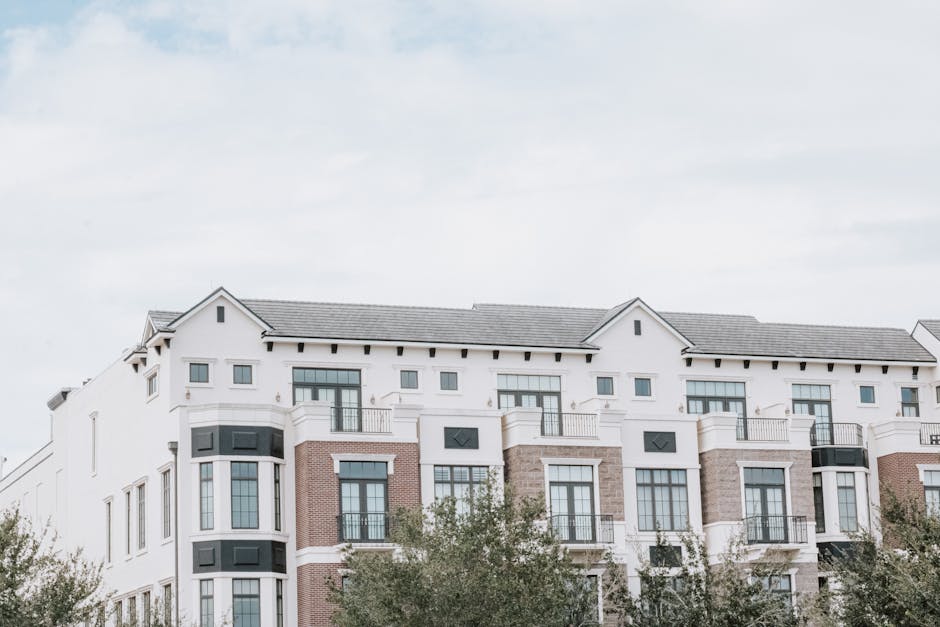
The Transition to a Mature Primary Luxury Market
The Tampa luxury sector has undergone a fundamental structural shift, moving away from its historical status as a secondary vacation market toward a sophisticated primary residence hub. Unlike previous cycles driven by speculative investment, the current trajectory is anchored by a permanent influx of high-net-worth professionals and corporate relocations. This migration is reflected in a median list price that now holds steady at $2,500,000, signaling a level of market maturity that commands serious attention from long-term capital allocators.

While many metropolitan areas across the country have experienced volatility, data indicates that the Tampa Bay luxury market grows stronger despite national declines. This resilience is attributed to a scarcity of inventory in premier neighborhoods and a significant upgrade in the quality of local infrastructure. Buyers are no longer looking for temporary seasonal retreats; they are seeking high-specification primary estates that offer both privacy and proximity to the city’s burgeoning commercial centers.
Current inventory levels show approximately 120 active luxury listings, with an average list price exceeding $3.2 million. This concentration of value within a relatively small selection of properties underscores the importance of precision in selection. In this environment, value is found not in broad market movements, but in identifying specific assets that possess enduring architectural integrity and superior site placement within the most established residential corridors.

Analyzing South Tampa and the Bayshore Corridor
South Tampa remains the epicenter of high-end valuation, characterized by its deep-rooted social infrastructure and immediate access to the waterfront. Neighborhoods such as Culbreath Isles and Beach Park continue to command premiums due to their limited turnover and significant lot sizes. The appeal of these areas is driven by a desire for a traditional residential feel that is increasingly rare in urban centers, combined with the convenience of a short commute to the Westshore business district.
Bayshore Boulevard, famously home to the world’s longest continuous sidewalk, has evolved from a scenic thoroughfare into a high-density luxury residential spine. The vertical migration here is notable; ultra-luxury condominiums are now competing directly with single-family estates in terms of price per square foot. These developments offer a high-service environment that appeals to buyers prioritizing security and lifestyle amenities over traditional yard space, effectively creating a new asset class within the local market.
Further south, Hyde Park offers a different value proposition, where historical preservation meets modern sophistication. The walkability of Hyde Park Village has created a unique micro-market where property values are insulated by the high demand for a traditional neighborhood experience. For the sophisticated buyer, these areas represent a stable store of value, provided the property has been modernized to meet current standards for technology and efficiency while respecting the neighborhood’s aesthetic legacy.
Risk Mitigation for High-Value Acquisitions
Entering the market at a multi-million-dollar price point requires a rigorous due diligence process that extends beyond a standard inspection. The complexity of Florida’s coastal environment and the evolving regulatory landscape necessitate a proactive approach to risk assessment. Buyers should focus on structural resilience and the long-term viability of the asset in the context of both market trends and environmental factors.
To ensure a sound investment, consider the following critical evaluation points before finalizing an offer:
- Verify the elevation certificate and current flood insurance requirements against recent FEMA mapping updates.
- Audit the property’s historical permit records to ensure all renovations meet current high-velocity hurricane zone building codes.
- Assess the proximity to upcoming infrastructure projects, such as bridge expansions or new commercial developments, that may impact traffic patterns.
- Evaluate the long-term maintenance requirements of specialized amenities like infinity-edge pools, advanced home automation, and climate-controlled wine storage.
- Review the architectural consistency of the immediate streetscape to protect against future value dilution from incompatible new construction.
In addition to physical attributes, understanding the behavioral trends of other high-net-worth buyers in the area is essential. Many are now prioritizing properties that offer integrated wellness spaces and dual home offices, reflecting the permanent shift toward hybrid professional lifestyles. Properties that lack these features may require significant capital expenditure to remain competitive in the resale market over the next decade.
The Evolution of Waterfront Integrity
The definition of a primary waterfront market has shifted significantly. As noted by the National Law Review, Tampa Bay’s waterfront is emerging as a primary luxury real estate market rather than a seasonal one. This change is critical for valuation; primary waterfront homes are built to higher standards of durability and functionality than older weekend cottages, reflecting a commitment to long-term residency.
Davis Islands serves as the prime example of this evolution. Its proximity to downtown, combined with deep-water canal access and a private airport, makes it one of the most desirable residential locations in the Southeast. The inventory on the island is increasingly dominated by modern architectural masterpieces that leverage high-tech glazing and reinforced concrete structures. These homes are designed to withstand the elements while providing seamless indoor-outdoor living, which remains the most sought-after feature in the Tampa market.
When evaluating waterfront assets, the distinction between open-bay views and protected canal access is paramount. While open-bay properties offer dramatic vistas, they also face more direct exposure. Protected canals, particularly those in areas like Snell Isle or Shore Acres (just across the bridge), provide a more sheltered environment for maritime activities while still offering the lifestyle benefits of being on the water. A senior advisor will always recommend a thorough analysis of seawall integrity and dockage capacity as part of the initial site assessment.
Navigating the $100 Million Ceiling
The upper reaches of the Tampa market are currently testing new price ceilings that were unthinkable just five years ago. Currently, Tampa’s price record is $22.5 million, but a massive estate is now asking $115 million. This discrepancy highlights a market in transition, where trophy assets are being priced based on national and global comparables rather than local historical data.
For the sophisticated investor, these outlier listings serve as a barometer for market confidence. While the $115 million asking price may seem aggressive, it reflects the growing belief that Tampa can support institutional-grade residential assets. However, the majority of the luxury activity remains concentrated in the $3 million to $10 million range, where the most liquid inventory exists. Buyers should remain cautious of “aspirational pricing” and focus on closed sales data from the past twelve months to determine true market value.
Strategic allocation in this environment requires identifying properties that offer a unique combination of land value and irreplaceable positioning. A large lot in a neighborhood where five-to-ten-thousand-square-foot homes are the norm is inherently more defensive than a highly customized home on a standard-sized lot. The focus should always be on the underlying asset’s rarity and the potential for future appreciation as the city continues to attract global interest.
Lifestyle Infrastructure and Asset Longevity
The long-term value of a residential asset is increasingly tied to the quality of the surrounding lifestyle infrastructure. Tampa has seen a significant investment in cultural and recreational amenities, which supports higher property valuations in the urban core. From the expansion of the Riverwalk to the development of Water Street, the city is creating a cohesive environment that appeals to a diverse range of affluent residents.
Monitoring local programming can provide insights into neighborhood trajectory. For instance, staying informed via Spectrum Bay News 9 regarding weekend events and downtown traffic management helps buyers understand the seasonal flow and accessibility of various districts. A neighborhood that maintains its tranquility during major city events while still being close to the action is often the most desirable for a primary residence.
Educational institutions and private clubs also play a critical role in sustaining demand. The presence of top-tier schools in South Tampa is a major driver for families, while private social and athletic clubs provide the networking opportunities that many high-level executives require. These institutions act as anchors, ensuring that even during market cooling periods, demand for the most well-located properties remains robust.
Decision-Useful Directives for the 2026 Buyer
The current market requires a more analytical approach than in years past. The era of rapid, across-the-board appreciation has given way to a more nuanced environment where selection and timing are everything. Successful buyers are those who prioritize structural quality and neighborhood integrity over cosmetic trends. It is essential to look past the staging and focus on the fundamental bones of the property and its orientation within the community.
Comparison shopping is critical, particularly when evaluating new construction versus renovated historical estates. A new build may offer the latest technology and energy efficiency, but a meticulously restored home in a premier location like Old Northeast or Hyde Park may offer a level of character and land value that a new development cannot replicate. Investors should weigh the immediate utility of a move-in-ready home against the long-term potential of a property that allows for personal customization over time.
Ultimately, the Tampa luxury market offers a compelling value proposition for those who understand its local nuances. With a growing economy, favorable tax environment, and a rapidly improving infrastructure, the city is well-positioned for continued growth. Navigating this landscape effectively requires a partner who understands the data and the lifestyle implications of every transaction. We invite you to browse our exclusive listings or contact an advisor today to discuss your specific requirements and strategic objectives in this market.
Your next move in Tampa luxury
Get current inventory, pricing guidance, and private-tour support from our brokerage team.
Source highlights
- Tampa’s Price Record Is $22.5 Million. This Huge Estate Is Asking $115 Million. – WSJ
- Tampa Bay’s most expensive luxury home sales of 2025 – Tampa Bay Times
- Tampa Bay luxury market grows stronger despite national declines – The Business Journals
- Why Tampa remains an early-stage luxury condo market – Tampa Bay Business & Wealth
- Tampa Bay’s Waterfront Emerges as a Primary Luxury Real Estate Market – The National Law Review
- Florida Trend Real Estate – Florida Trend
- Tampa weekend events: Concerts, festivals and downtown family fun — What to know before you go – FOX 13 Tampa Bay
- Things to do with kids this weekend in Tampa, FL – That's So Tampa



