


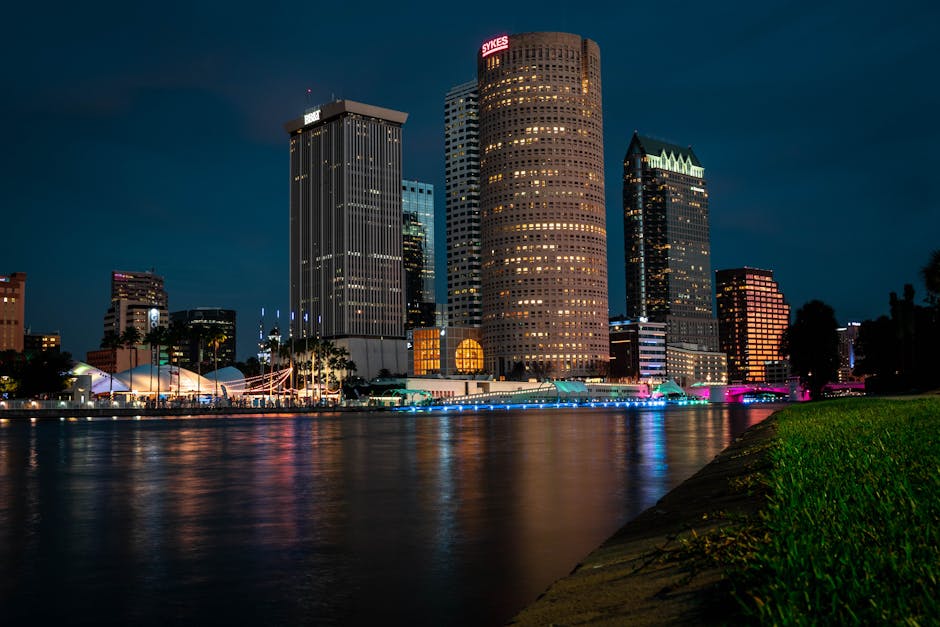
The Institutionalization of Tampa’s Waterfront
Tampa has historically been categorized as a secondary market, characterized by seasonal ebbs and flows. However, the current data indicates a fundamental shift toward institutional stability. The waterfront sector is no longer just a collection of vacation properties; it has emerged as a primary luxury real estate market. This transition is driven by a sophisticated demographic of permanent residents who prioritize long-term utility and proximity to an expanding professional core. For the private advisor, this means valuing properties based on their capacity to serve as multi-generational assets rather than speculative investments.
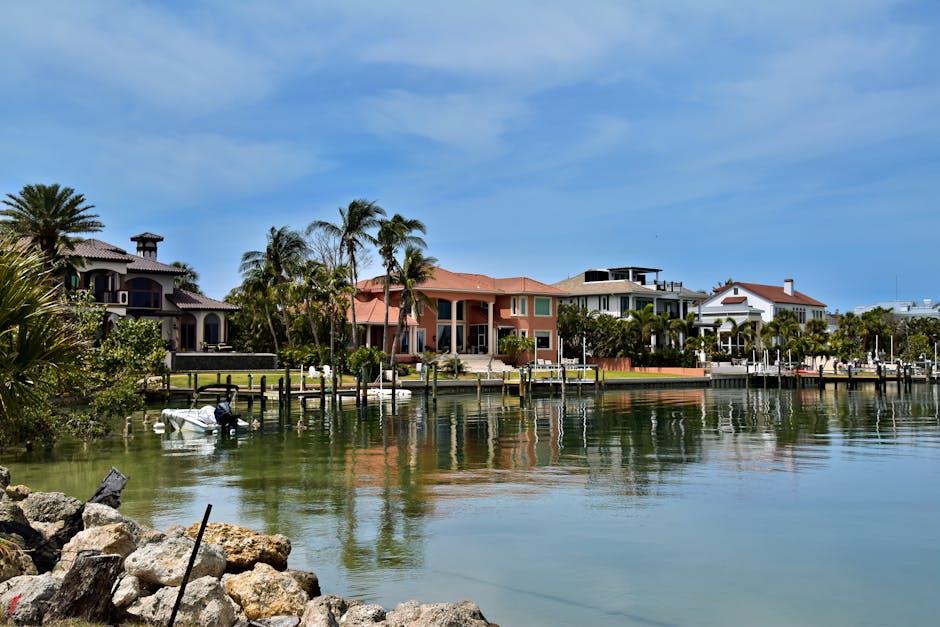
As highlighted by The National Law Review, Tampa Bay’s waterfront is now competing on a global stage. The concentration of wealth along Bayshore Boulevard and the surrounding peninsulas is forcing a re-evaluation of land value. Acquisitions in these areas are increasingly complex, involving intricate riparian rights and strict adherence to evolving coastal construction standards. Buyers are no longer just purchasing a view; they are securing a position in a limited geographical footprint that is seeing unprecedented demand from out-of-state capital.
This institutionalization is further evidenced by the caliber of architecture appearing in neighborhoods like Beach Park and Culbreath Isles. We are seeing a move away from generic Mediterranean revivals toward bespoke modernism and coastal contemporary designs. These structures are built to withstand both the elements and the scrutiny of discerning collectors. The focus has shifted toward building science, integrated smart-home ecosystems, and LEED-certified materials, reflecting a more mature and environmentally conscious buyer profile.
Market Resilience and Pricing Realities
While national real estate headlines often focus on volatility and cooling demand, the Tampa luxury sector continues to demonstrate remarkable resilience. The current inventory consists of approximately 120 active luxury listings, with a median list price established at $2,500,000. The average list price of $3,293,462 suggests a significant weight toward ultra-high-net-worth properties at the top of the pyramid. This discrepancy between median and average prices indicates a healthy, tiered market where entry-level luxury remains accessible while the ceiling continues to expand.
Recent reporting from The Business Journals confirms that the Tampa Bay luxury market is growing stronger despite broader national declines. This divergence is attributed to several local economic engines, including a favorable tax environment and a robust influx of technology and medical sector leadership. Buyers are increasingly analytical, focusing on price-per-square-foot metrics and historical appreciation rates rather than emotional appeal. In this environment, transparency and data-backed valuations are the primary currencies of successful transactions.
For those navigating the current inventory, it is essential to distinguish between aspirationally priced properties and those aligned with recent comparable sales. The emergence of “whisper listings” and off-market opportunities has become more prevalent as sellers prioritize privacy and qualified exposure. Navigating this landscape requires an advisor who is deeply embedded in the local network, as the most strategic acquisitions often never reach the public portals. Success in the 2026 market is defined by agility and the ability to execute on properties that offer both immediate utility and long-term equity protection.
The Strategic Rise of High-End Condominiums
Tampa’s vertical skyline is undergoing a transformation that mirrors the evolution of major metropolitan centers like Miami or New York. However, experts suggest that Tampa remains an early-stage luxury condo market. According to Tampa Bay Business & Wealth, the current development pipeline is focused on delivering a level of service and amenity that was previously unavailable in the region. This include 24-hour concierge services, private elevators, and expansive outdoor living spaces that blur the lines between traditional estate living and the convenience of a high-rise.
The shift toward luxury condominiums is particularly attractive to the “lock-and-leave” demographic and those looking to downsize from sprawling estates without compromising on finish quality. Areas like Water Street and the Westshore Marina District are leading this charge, providing a walkable urban experience that integrates high-end retail and dining. For buyers, the decision often comes down to a trade-off between the privacy of a detached home on Davis Islands and the service-heavy, maintenance-free environment of a premium tower. We advise clients to look closely at the depth of the developer’s track record and the long-term viability of the homeowners’ association reserves before committing.
Essential Due Diligence for Luxury Acquisitions
Navigating a multi-million dollar transaction requires a rigorous approach to due diligence that goes beyond the standard home inspection. In the current environment, several specific factors should be prioritized to ensure a sound investment.
- Verification of elevation certificates and current flood insurance premium projections under revised FEMA guidelines.
- Comprehensive assessment of HVAC and building envelope integrity, particularly for properties exposed to salt-air environments.
- Analysis of surrounding land-use permits to identify potential future developments that could impact privacy or views.
- Review of property-specific tax assessments to project post-sale adjustments and long-term carrying costs.
- Validation of shoreline stabilization structures and dockage permits for waterfront estates.
Analyzing the Market Ceiling: From TROUTWATER to Massive Estates
The price ceiling in Tampa is being aggressively challenged by a new tier of ultra-luxury estates. While active inventory features exceptional properties like those on Troutwater Lane priced at $2,650,000, the market has seen entry into the nine-figure territory. As reported by The Wall Street Journal, a massive estate recently hit the market with an asking price of $115 million, dwarfing the previous record of $22.5 million. While such an outlier doesn’t redefine the average, it significantly shifts the perception of what is possible in the region.
This “halo effect” benefits sellers in high-demand pockets like South Tampa and Davis Islands. When a single property reaches such heights, it provides a psychological anchor for other high-end listings, validating the region’s status as a top-tier destination for global capital. For buyers, however, this means that “value” is increasingly found in the micro-neighborhoods where the gap between current pricing and the new ceiling is widest. Areas like Seminole Heights are seeing luxury-level renovations of historic structures, such as the $2,200,000 listings on Florida Avenue, demonstrating that the appetite for quality transcends traditional boundaries.
Cultural Maturation and Urban Connectivity
The value of real estate is inextricably linked to the vitality of its surrounding community. Tampa’s cultural calendar has matured significantly, offering a level of engagement that rivals much larger cities. Whether it is large-scale music festivals or niche community gatherings like the Tampa Purples You K-Pop festival, the city is fostering a diverse and active environment. This cultural density is a key driver for the primary residents who are now choosing Tampa over more seasonal alternatives.
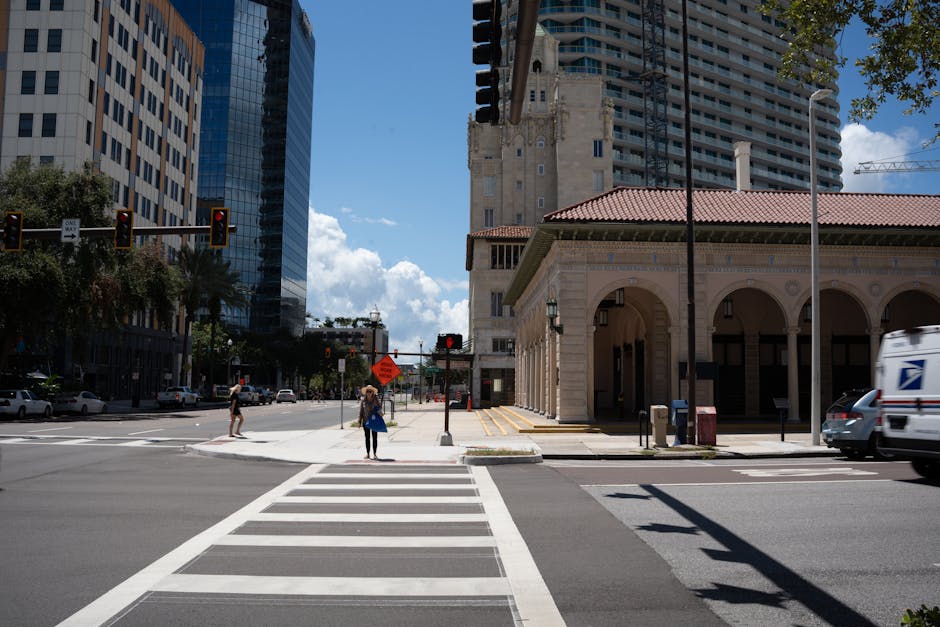
Infrastructure also remains a critical component of the value proposition. Monitoring city-led initiatives, such as the traffic advisories from the City of Tampa regarding major downtown events, provides insight into the city’s ability to manage growth. A city that can effectively host thousands for concerts and festivals while maintaining its livability is a city that protects its real estate values. This balance of excitement and functionality is exactly what modern luxury buyers are seeking when they transition their primary residency to the Florida coast.
Strategic Entry and the Advisory Role
Success in the current market requires a shift from viewing real estate as a commodity to treating it as a strategic component of a broader wealth management strategy. The days of rapid, uncritical appreciation have been replaced by a more nuanced environment where selection is paramount. Buyers must analyze everything from sea-level rise projections to the long-term impact of commercial corridor revitalizations. This analytical approach ensures that every acquisition is backed by more than just aesthetic preference.
As we move through the second quarter of 2026, the scarcity of truly exceptional inventory remains the primary challenge. For those ready to move forward, the focus should be on identifying properties that offer a unique combination of location, construction quality, and architectural significance. We encourage you to browse our curated listings to understand the current range of opportunities. When you are ready for a deeper dive into the data or a private tour of off-market inventory, please contact an advisor to schedule a confidential consultation.
Your next move in Tampa luxury
Get current inventory, pricing guidance, and private-tour support from our brokerage team.
Source highlights
- Tampa’s Price Record Is $22.5 Million. This Huge Estate Is Asking $115 Million. – WSJ
- Tampa Bay’s most expensive luxury home sales of 2025 – Tampa Bay Times
- Tampa Bay luxury market grows stronger despite national declines – The Business Journals
- Why Tampa remains an early-stage luxury condo market – Tampa Bay Business & Wealth
- Tampa Bay’s Waterfront Emerges as a Primary Luxury Real Estate Market – The National Law Review
- Florida Trend Real Estate – Florida Trend
- Tampa Purples You: K-Pop Fan Festival (BTS ARMY Meetup Weekend) 💜 – That's So Tampa
- Tampa weekend events: Concerts, festivals and downtown family fun — What to know before you go – FOX 13 Tampa Bay



