


Evaluating the Current Trajectory of Tampa Real Estate
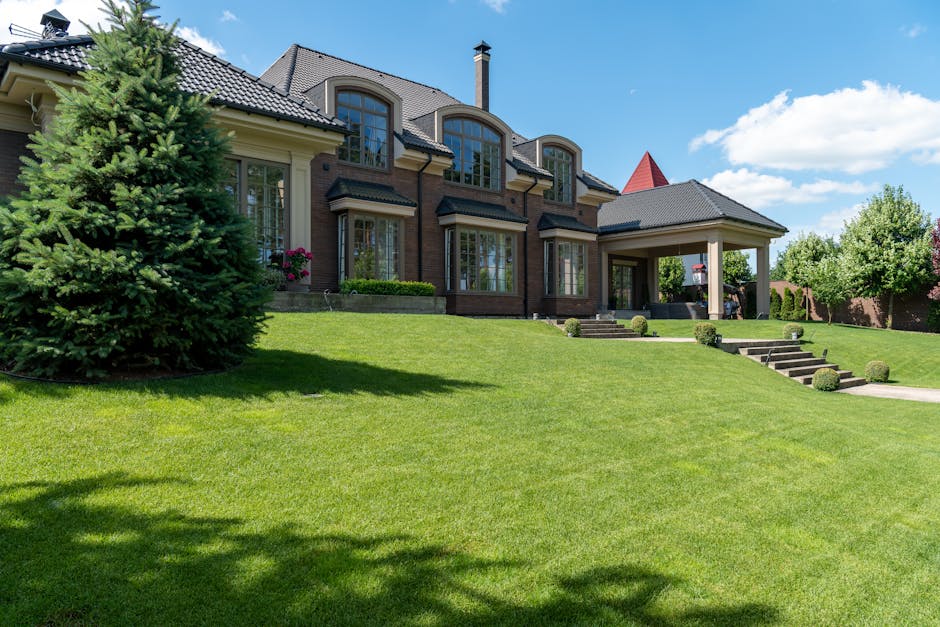
The Tampa premium property sector continues to demonstrate remarkable resilience and sustained demand, maintaining a distinct trajectory independent of broader national trends. Currently, the market holds approximately 120 active listings, presenting a balanced environment for sophisticated buyers who are prepared to act decisively. The median list price sits comfortably at two and a half million dollars, while the average approaches the three point three million mark, reflecting the diverse range of available assets—from historic restorations to modern architectural statements. This pricing landscape necessitates a meticulous approach to valuation, ensuring that acquisitions are grounded in empirical data rather than speculative enthusiasm. Analyzing the spread between median and average prices reveals a concentration of highly-valued, generational estates that occasionally enter the market, skewing the upper data points and indicating sustained high-net-worth activity.

Market dynamics in this tier are heavily influenced by a sustained influx of out-of-state capital, fundamentally altering the competitive baseline and elevating the standard for move-in-ready properties. Buyers are increasingly discerning, prioritizing properties that require minimal immediate renovation while offering comprehensive technological integration and structural robusticity. This shift is evident in the stabilization of days-on-market for aggressively priced, impeccably finished estates, contrasting sharply with extended listing periods for properties requiring substantial capital improvements. As noted in recent analyses of Tampa Bay’s most expensive home sales, the upper echelon of the market responds strongly to distinct architectural pedigree, irreplicable geographic positions, and uncompromising build quality. Sellers who understand this paradigm are achieving strong outcomes, while those misaligned with current buyer expectations face prolonged market exposure.
Consequently, navigating this environment requires a departure from traditional, generalized search methodologies. Buyers must employ advanced analytical frameworks to assess micro-market conditions, understanding that pricing metrics can diverge significantly even within adjacent streets in highly coveted neighborhoods like Golfview or Palma Ceia. The focus must remain on establishing intrinsic value, factoring in land scarcity, replacement construction costs, and the specific desirability of the micro-enclave. Engaging with the market requires a clear understanding of these localized forces, preventing overexposure and ensuring capital is deployed efficiently.
Analyzing Waterfront Versus Inland Estate Dynamics
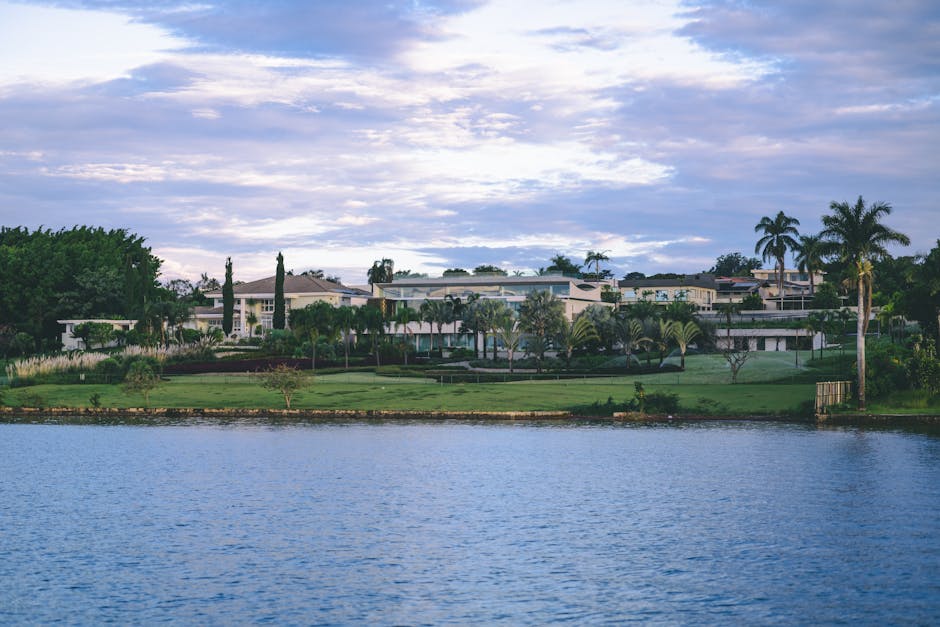
Geographic positioning remains the paramount driver of premium valuations in Tampa. The dichotomy between coastal access and inland acreage forces buyers to establish clear lifestyle and asset allocation priorities early in the acquisition process. Properties situated along the open bay or deep-water canals, particularly in established areas like Davis Islands, Culbreath Isles, and Beach Park, command significant premiums due to inherent scarcity and the sustained desirability of direct maritime access. As highlighted by the National Law Review, waterfront exposure has firmly emerged as a primary sector within the broader regional market, dictating highly specific valuation models, risk assessment protocols, and long-term retention strategies.
Conversely, established inland enclaves such as Hyde Park, Parkland Estates, and Virginia Park offer an entirely different value proposition, characterized by expansive lot dimensions, mature oak tree canopies, and historic architectural significance. These areas appeal to buyers prioritizing privacy, walkability to specialized boutique retail, and the permanence of established community infrastructure over immediate water access. The valuation of these properties relies heavily on lot topography, historical preservation status, and the seamless integration of modern amenities within classic, historically significant structural footprints. The scarcity of double-lot parcels in these areas creates intense, albeit quiet, competition among buyers.
The decision between these two distinct environments extends well beyond simple aesthetic preference; it involves complex considerations regarding long-term maintenance logistics, insurance parameters, and lifestyle cadence. Waterfront properties demand rigorous scrutiny of marine infrastructure—specifically sea walls, deep-water docks, and heavy-capacity lift systems—while inland estates require careful evaluation of historical zoning restrictions, tree canopy maintenance requirements, and drainage efficacy. Understanding these distinct operational realities is crucial for aligning an acquisition with long-term ownership expectations and mitigating future capital expenditures.
The Urban Shift: High-Rise Acquisitions and Urban Enclaves
The rapid evolution of Tampa’s downtown core, specifically the strategic development of the Water Street district, has introduced a compelling and highly sought-after new asset class to the premium market. High-rise condominium acquisitions represent a fundamental shift towards integrated, low-maintenance urban living, appealing directly to buyers who value immediate proximity to cultural institutions, commercial centers, and sophisticated dining establishments. This sector operates on entirely distinct valuation metrics compared to single-family homes, prioritizing floor-to-ceiling volumes, unobstructed view corridors over the bay or skyline, and the exclusivity of building amenities over sheer square footage.
Navigating the high-rise market requires a highly nuanced understanding of developer reputation, structural engineering quality, building capitalization, and the long-term financial viability of homeowner association structures. As discussed in recent coverage examining why Tampa remains an evolving condominium market, buyers are evaluating these vertical estates not just as residences, but as fully serviced lifestyle hubs. The seamless integration of high-end hospitality services, dedicated wellness facilities, secure parking infrastructure, and advanced technological integration directly correlates with unit valuation and long-term asset retention.
Furthermore, the urban shift strongly influences the broader residential landscape, creating localized appreciation in transitional neighborhoods immediately adjacent to the urban core. Areas that offer rapid access to downtown amenities while maintaining a quieter residential scale are experiencing heightened interest and subsequent redevelopment. Evaluating these transitional zones requires foresight into municipal development plans, traffic mitigation strategies, and infrastructure investments, ensuring that a premium acquisition benefits from ongoing urban refinement rather than being isolated from it.
Due Diligence Protocols for High-Value Transactions
The inherent complexity of premium property acquisitions necessitates an uncompromising, multi-tiered approach to due diligence. Standard residential inspection protocols are wholly insufficient for assessing the sophisticated mechanical, structural, and environmental systems inherent in these high-value estates. Buyers must assemble a specialized, multidisciplinary team capable of executing a granular analysis of the asset, effectively mitigating risk prior to any significant capital deployment. This process is not merely about identifying minor defects; it is fundamentally about establishing a comprehensive baseline for the property’s operational health, future maintenance requirements, and long-term structural viability.
A rigorous, preemptive verification strategy forms the bedrock of a secure transaction. Advisors must facilitate a methodical evaluation process, shielding the buyer from unforeseen liabilities, specialized zoning restrictions, and structural deficiencies that could significantly compromise the integrity of the investment. This level of scrutiny ensures that the acquisition aligns perfectly with the buyer’s operational expectations.
Prior to finalizing any high-value acquisition, buyers should mandate the implementation of the following comprehensive verification protocol:
- Assess specific neighborhood zoning ordinances and future municipal development plans that could impact views or density.
- Evaluate waterfront elevation, current sea wall integrity, and localized coastal resilience measures against rising water levels.
- Analyze recent comparable sales data strictly within the immediate enclave to ensure accurate micro-market valuation.
- Review homeowner association reserve funds, special assessment histories, and architectural oversight guidelines.
- Commission specialized inspections for premium mechanical systems, smart-home integrations, and foundational structural components.
Neighborhood Infrastructure and Cultural Access
The intrinsic value of a premium property is inextricably linked to the quality of its surrounding infrastructure and its connectivity to the region’s cultural hubs. Sophisticated buyers evaluate neighborhoods not simply on current aesthetic appeal, but on the enduring quality of local institutions, daily traffic cadence, and seamless integration with the broader cultural fabric of the area. Effortless access to premier educational facilities, specialized healthcare networks, and high-level culinary experiences are non-negotiable criteria that consistently support property values and ensure sustained desirability across various economic market cycles.
Furthermore, proximity to established cultural programming, professional sports venues, and community events significantly enhances the daily ownership experience. Tampa’s rapidly evolving event calendar, offering everything from sophisticated culinary festivals to established musical performances—such as the widely attended blues and barbecue festivals prevalent during the spring season—provides a critical layer of civic engagement that buyers actively seek out. This level of integration with the local culture transforms an isolated residential estate into a connected, vital component of a broader, thriving community environment.
Evaluating these essential macro-factors requires a localized, nuanced understanding of regional traffic patterns, seasonal fluctuations in population density, and the long-term trajectory of public municipal investments. Advisors must provide absolute clarity on how these external variables will directly impact the daily reality of ownership, ensuring that the acquired property functions seamlessly within the buyer’s required operational and lifestyle parameters, protecting both capital and quality of life.
Navigating the Acquisition Process with Precision
Executing a seamless acquisition in a complex, high-stakes market demands far more than passive observation; it requires strategic foresight, disciplined negotiation tactics, and an unwavering commitment to objective, empirical data. The primary role of a senior advisor is to distil overwhelming market noise into clear, actionable intelligence, providing a definitive pathway from initial property identification through to final closing. This sophisticated process involves structuring offers that reflect genuine market value while maintaining all necessary contingencies to vigorously protect the buyer’s position throughout the extensive diligence period.
As the local market continues to recalibrate to changing national economic indicators, prioritizing properties with uncompromised fundamentals—proven geographic locations, undeniable structural integrity, and thoughtful, timeless architectural design—will consistently yield the most secure long-term outcomes. Buyers must remain fiercely objective, resisting the common urge to compromise on essential search criteria simply due to perceived limitations in current active inventory. A disciplined, highly methodical approach, supported by rigorous data analysis and expert strategic guidance, remains the only reliable method for securing premier assets in this competitive environment.
For those prepared to engage strategically with the market, maintaining an active, real-time awareness of current inventory is absolutely essential. We encourage you to explore our current portfolio of premium listings to establish a clear baseline for your architectural and geographic preferences. When you are ready to initiate a targeted, data-driven acquisition strategy, contact our advisory team to schedule a comprehensive and strictly confidential consultation regarding your real estate objectives.
Your next move in Tampa luxury
Get current inventory, pricing guidance, and private-tour support from our brokerage team.
Source highlights
- Tampa Bay’s most expensive luxury home sales of 2025 – Tampa Bay Times
- Tampa Bay luxury market grows stronger despite national declines – The Business Journals
- Why Tampa remains an early-stage luxury condo market – Tampa Bay Business & Wealth
- Tampa Bay’s Waterfront Emerges as a Primary Luxury Real Estate Market – The National Law Review
- Florida Trend Real Estate – Florida Trend
- New Signature Real Estate Team Emerges Across Tampa Bay: The Nick Janovsky Group Launches with Premier Sotheby’s International Realty – citybiz
- Things To Do In Tampa This Weekend: Best Festivals & Events Going On – That's So Tampa
- Tampa weekend events: Concerts, festivals and downtown family fun — What to know before you go – FOX 13 Tampa Bay



