



The Evolution of Tampa as a Primary Luxury Investment Capital
Tampa has transitioned from a high-growth secondary market into a primary destination for global capital and high-net-worth individuals seeking permanent residency. This shift is not merely anecdotal; it is substantiated by a $675 million surge in investment, positioning the city as one of Florida’s most significant luxury hubs. Unlike previous cycles driven by speculative interest, the current environment is defined by established families and corporate executives relocating for the long term. This influx has fundamentally altered the inventory landscape, where the demand for high-specification architectural builds now consistently outpaces traditional Mediterranean-style estates.
The maturity of the local infrastructure, particularly around the Water Street district and the expansion of private aviation facilities, has created a ecosystem that supports ultra-high-net-worth lifestyle requirements. For the sophisticated buyer, understanding this shift is critical. Acquisitions in 2026 are less about seasonal use and more about wealth preservation and lifestyle integration. According to reports from Haute Residence, Tampa’s emergence as a top-tier investment destination is underpinned by a diversification of the local economy that shields it from the volatility often seen in more tourist-dependent regions of the state.
Current market conditions reflect a refined inventory of approximately 120 active luxury listings. While the quantity remains limited, the quality of the available stock has improved significantly. Buyers should note that the average list price has climbed to over $3.2 million, reflecting a trend toward larger, more technologically advanced homes. Properties like those on Troutwater Lane or Gardner Road represent the current standard for premium residential assets, offering a blend of privacy and modern amenities that were previously scarce in the local market. Navigating this landscape requires a deep understanding of neighborhood-level micro-trends rather than relying on broad city-wide data.
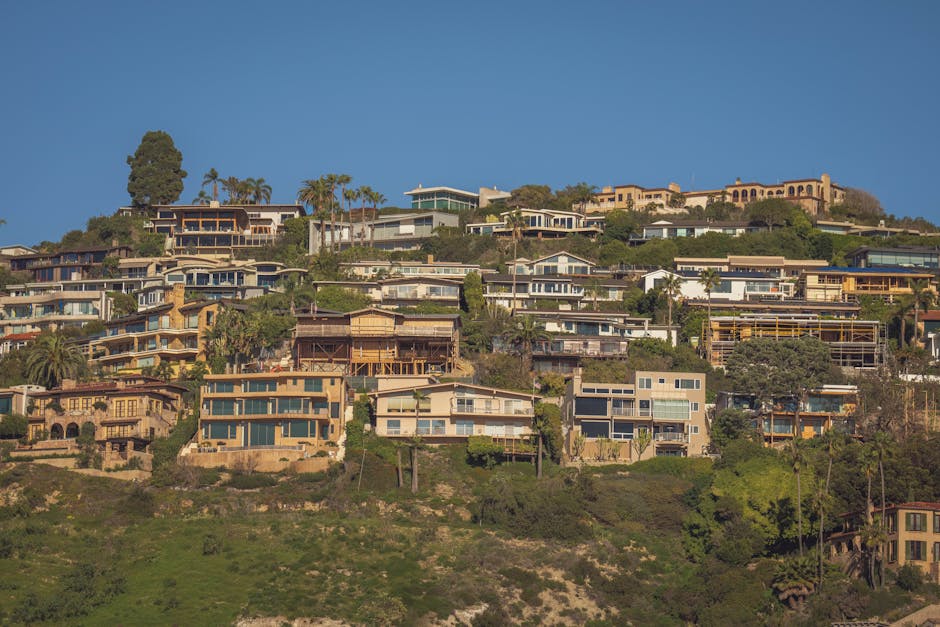
Waterfront Dynamics and the Primary Market Shift
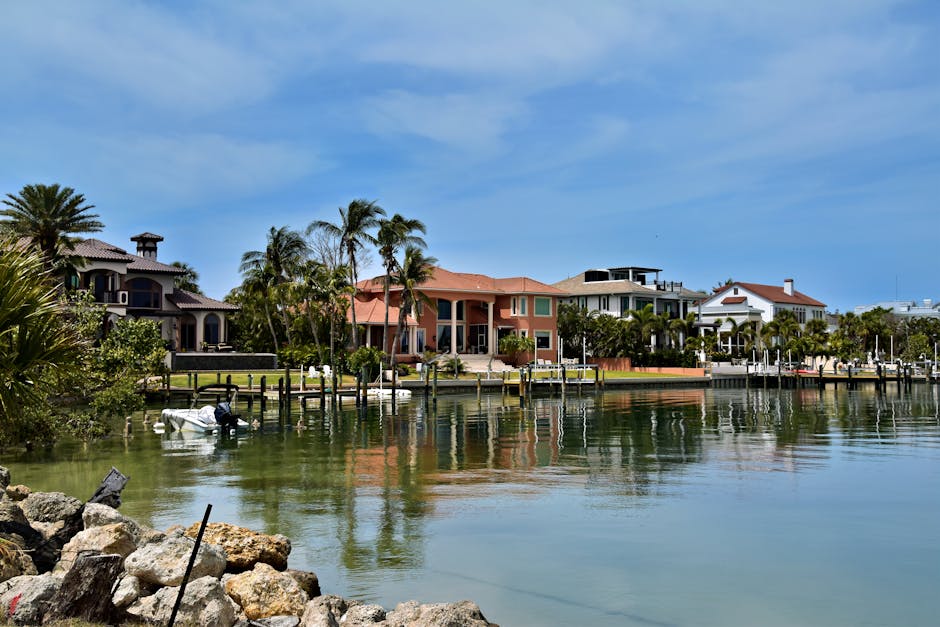
The allure of the Tampa waterfront has reached a new pinnacle, with coastal and canal-front properties now categorized as ‘primary’ rather than ‘vacation’ assets. This distinction is vital for valuation and long-term appreciation. As documented by The National Law Review, Tampa’s waterfront has emerged as a primary real estate market, driven by significant legal and infrastructural investments that ensure long-term viability and protection for high-value properties. The focus has shifted toward Davis Islands and Bayshore Boulevard, where deep-water access and proximity to the urban core command the highest premiums.
Investors are increasingly scrutinizing seawall integrity, riparian rights, and elevation standards. In the 2026 market, a waterfront property is judged as much by its environmental resilience as by its aesthetic appeal. Buyers are moving away from older, low-lying structures in favor of modern builds that incorporate advanced flood mitigation and sustainable materials. This ‘flight to quality’ has created a two-tier market where resilient, newer homes on the water trade at a significant spread compared to older, legacy properties that require extensive retrofitting. The premium for ready-to-move-in waterfront estates continues to grow as construction costs and permitting timelines for new builds remain elevated.
Furthermore, the behavioral shift of the modern buyer emphasizes privacy and security. High-end properties in neighborhoods like Beach Park or Culbreath Isles are being designed with integrated smart-home security systems and gated entry points as standard features. This focus on security is a direct response to the increasing profile of Tampa as a global city. While the median list price remains around $2.5 million, waterfront estates frequently exceed the $10 million threshold, particularly those offering unobstructed views of Hillsborough Bay. For those looking to enter this segment, it is essential to browse current listings with an eye toward these specific structural and security advantages.
Analyzing Inventory: From Luxury Condos to Custom Estates
While the single-family estate remains the pinnacle of the Tampa market, the luxury condo segment has matured significantly. Historically, Tampa was viewed as an early-stage market for high-rise living, but the completion of several ultra-luxury towers has changed that perception. Buyers now have the option of vertical living that rivals the services of top-tier buildings in New York or Miami. However, the decision between a high-rise residence and a custom estate depends heavily on the buyer’s requirement for land and autonomy. The scarcity of available land in prime areas like Hyde Park has made existing land parcels exceptionally valuable, often trading at a premium for their potential as future build sites.
The current inventory context shows a healthy mix of property types, including residential, commercial sale, and land. This variety allows for a strategic approach to portfolio building within the local market. For instance, acquiring a modern residence on Florida Avenue may offer different long-term benefits compared to a canal-front home on Troutwater Lane. Sophisticated buyers are increasingly looking at the potential for land assembly in established neighborhoods, reflecting a long-term view of the city’s density and growth. This analytical approach to real estate as a multi-generational asset is a hallmark of the current buyer profile in Tampa.
Data from Florida Trend indicates that the luxury market continues to grow even when national trends show signs of cooling. This resilience is attributed to the lack of oversupply in the high-end segment. Unlike other Florida cities that saw massive speculative building, Tampa’s luxury development has remained relatively disciplined. This controlled growth ensures that the 120 active luxury listings represent a stable inventory that is unlikely to face significant downward pressure. For buyers, this provides a level of confidence in the underlying value of their acquisition.
Strategic Due Diligence for High-End Acquisitions
Entering the Tampa luxury market requires a rigorous due diligence process that goes beyond standard home inspections. Given the environmental factors and the age of some legacy neighborhoods, buyers must be proactive in verifying the structural and legal standing of a property. This includes understanding the nuances of local zoning changes and the long-term plans for neighborhood development. As Tampa continues to evolve, being adjacent to a major planned development can significantly impact property value, both positively and negatively.
- Verify seawall and dock age and structural integrity with a specialized marine engineering report.
- Review the elevation certificate and recent FEMA map updates to assess future flood insurance implications.
- Confirm the status of all building permits for any renovations or additions made by previous owners.
- Analyze neighborhood-specific traffic patterns and proximity to emerging commercial corridors.
- Evaluate the HVAC and smart-home integration systems for energy efficiency and future-proofing.
Each of these points represents a potential area of risk or opportunity. For example, a property with a recently replaced seawall and a high elevation certificate is a much lower risk than a legacy home at a lower price point that requires immediate capital expenditure. Similarly, understanding the buyer behavior in specific pockets—such as the preference for walkability in Hyde Park versus the desire for secluded privacy in South Tampa—can guide an investor toward the right asset for their specific needs.
Market Resilience and National Comparisons
The Tampa Bay luxury market has demonstrated remarkable strength, often outperforming national trends during periods of economic adjustment. While other major markets have seen declines in volume and pricing, Tampa has maintained a steady trajectory. As reported by The Business Journals, the region’s luxury sector grows stronger despite national declines, a testament to the local economy’s robustness and the continuous influx of wealth. This decoupling from the national average makes Tampa an attractive destination for capital seeking a safe harbor.
The pricing structure in Tampa also remains competitive when compared to other luxury enclaves such as Palm Beach or Naples. With a median list price of $2.5 million, buyers can often secure a more substantial property or a better location in Tampa than they would in more saturated South Florida markets. This value proposition, combined with the city’s superior connectivity and business-friendly environment, continues to drive demand. Buyers are increasingly seeing Tampa not just as an alternative to South Florida, but as a preferred choice for those who value a more authentic, community-focused luxury environment.
Historical context also plays a role in the current market’s stability. Notable high-end sales, such as those detailed in the Tampa Bay Times for the most expensive sales of 2025, provide a benchmark for current valuations. These record-breaking transactions confirm that there is deep liquidity at the highest end of the market. For the senior buyer advisor, these data points are essential for justifying entry prices and projecting future growth. The focus remains on identifying properties that offer a unique combination of location, architecture, and resilience.
Conclusion and Advisor Guidance
Navigating the 2026 Tampa luxury market requires a balance of data-driven analysis and local intuition. As the city continues to attract global attention, the windows of opportunity for prime assets are becoming shorter. Successful acquisitions are characterized by early identification of value and a streamlined due diligence process. Whether your interest lies in the historic charm of a renovated estate or the modern precision of a new waterfront build, the fundamentals of the market remain strong. The shift toward primary residency ensures that these investments are backed by real demand and significant capital commitment.
The current weather conditions, with temperatures reaching into the low 30s Celsius (late 80s Fahrenheit) and clear skies, highlight the year-round appeal of the Tampa lifestyle. This consistent climate is a major driver for those relocating from more volatile northern regions. As you evaluate your options, consider the long-term implications of each neighborhood’s growth trajectory and the structural integrity of the individual assets. The goal is to secure a property that serves as both a private sanctuary and a resilient financial asset.
To begin your search for a premium residence that aligns with these strategic insights, we invite you to explore our curated listings of the most significant homes currently available. For a private consultation regarding market movement or to discuss a specific property in detail, please contact an advisor today. Our team provides the analytical brief and neighborhood-level expertise required to navigate high-stakes acquisitions with confidence.
Your next move in Tampa luxury
Get current inventory, pricing guidance, and private-tour support from our brokerage team.
Source highlights
- Tampa Bay’s most expensive luxury home sales of 2025 – Tampa Bay Times
- Why Tampa remains an early-stage luxury condo market – Tampa Bay Business & Wealth
- Tampa Bay luxury market grows stronger despite national declines – The Business Journals
- Florida Trend Real Estate – Florida Trend
- Tampa Bay’s Waterfront Emerges as a Primary Luxury Real Estate Market – The National Law Review
- Inside Tampa’s $675 Million Surge: How the City Became Florida’s New Luxury Investment Capital – hauteresidence.com
- Things To Do In Tampa This Weekend: Best Festivals & Events Going On – That's So Tampa
- Tampa weekend events: Concerts, festivals and downtown family fun — What to know before you go – FOX 13 Tampa Bay



