


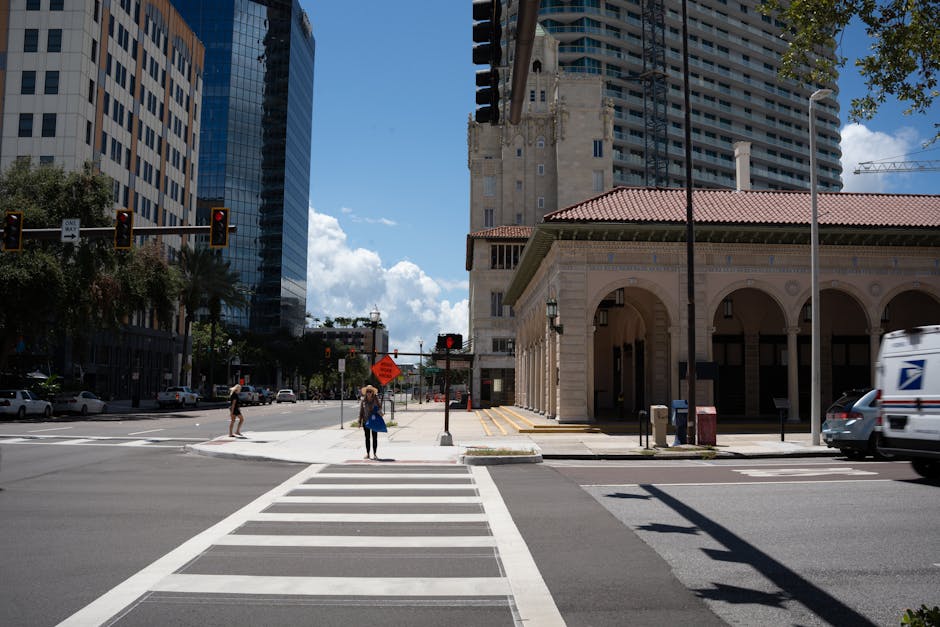
The Resilience of Tampa High-End Inventory
As we navigate the second quarter of 2026, the Tampa luxury real estate market continues to demonstrate a unique decoupling from broader national trends. While other major metropolitan areas have seen a cooling of activity due to macroeconomic shifts, the local high-end sector remains robust, supported by a consistent influx of private wealth and a limited supply of premier assets. Currently, the market holds approximately 120 active luxury listings, a figure that reflects a highly curated inventory where quality and location command significant premiums. The median list price has stabilized at approximately $2,500,000, illustrating the sustained appetite for high-caliber properties in South Tampa and the surrounding coastal enclaves.
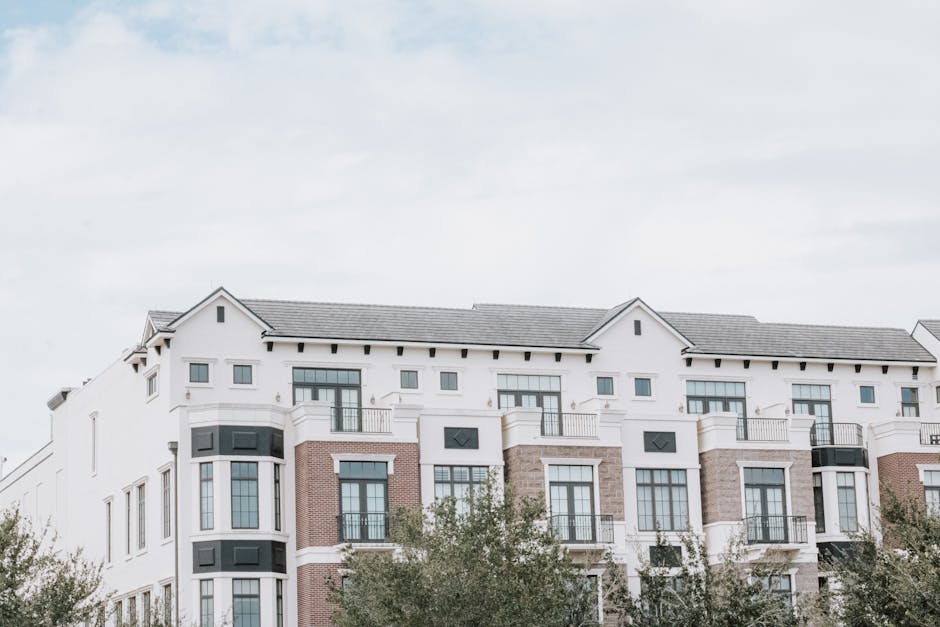
Sophisticated buyers are no longer viewing Tampa as a secondary or seasonal destination. Instead, we are observing a fundamental transition toward primary residency among high-net-worth individuals who prioritize equity preservation and lifestyle integration. This shift is substantiated by data showing that Tampa Bay luxury market grows stronger despite national declines, reinforcing the region’s status as a safe harbor for real estate investment. For the advisor, the focus has moved from simple transaction management to deep-dive valuation analysis, ensuring that acquisitions align with long-term portfolio goals.
Market velocity remains high for properties that check every box: architectural significance, modern infrastructure, and proximity to Tampa’s evolving cultural core. We see significant movement in neighborhoods such as Culbreath Isles and Beach Park, where larger lot sizes allow for the expansive estates currently in demand. Understanding the nuances of these micro-markets is essential for navigating the current landscape, where the average list price has reached $3,276,037, often driven by record-breaking sales in the most exclusive waterfront corridors.
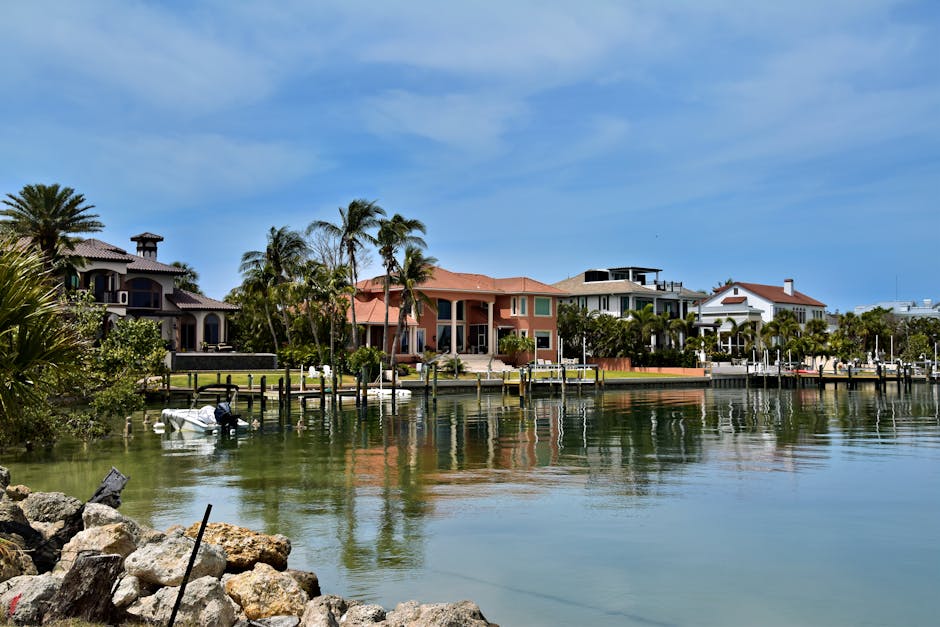
Waterfront Dominance and the Evolution of Primary Residences
Waterfront assets have long been the gold standard of the Tampa market, but the nature of these acquisitions is changing. Buyers are increasingly focused on the technical aspects of coastal living, including updated seawall integrity, riparian rights, and elevation standards. The emergence of Tampa’s waterfront as a primary luxury market has been highlighted by the National Law Review, which notes the region’s ascent into the top tier of Florida’s investment destinations. This is not merely about the view; it is about the scarcity of deep-water access and the logistical advantages of the Tampa Bay basin.
On Davis Islands and along Bayshore Boulevard, we are seeing a trend toward substantial renovations and new constructions that utilize cutting-edge sustainable materials. The affluent buyer in 2026 is looking for a legacy property that can withstand the elements while providing a seamless indoor-outdoor living experience. This demand has pushed the prices of unobstructed bay-front lots to new heights, making strategic timing and off-market networking more critical than ever before. When reviewing the latest listings for sale, it is clear that the premium for waterfront proximity remains the most significant driver of value in the region.
Furthermore, the integration of smart-home technology and high-efficiency climate control systems has become standard in this segment. Buyers are conducting more rigorous due diligence, often employing independent consultants to verify the structural health of properties before moving to contract. As an advisor, I recommend looking beyond the aesthetic appeal to the underlying engineering of these estates. A property on North Florida Avenue or Gardner Road may offer significant value, but its long-term performance depends on the quality of its foundational infrastructure and its adherence to modern building codes.
Strategic Diligence in the Acquisition Process
In a market where the median entry point for luxury is $2.5 million, the margin for error in the acquisition process is slim. Successful buyers in 2026 are those who approach the market with a quantitative mindset, leveraging data to inform their negotiations. This involves more than just looking at comparable sales; it requires an understanding of lot value versus improvement value, as well as the potential impact of future municipal developments. The current inventory of 120 homes represents a diverse range of styles, from historic Mediterranean Revivals in Hyde Park to ultra-modern glass towers in the Water Street district.
Navigating these options requires a structured approach to evaluation. Buyers should prioritize properties that offer both immediate utility and clear paths to future appreciation. This often means identifying under-valued assets in high-growth pockets or securing prime locations before public announcements of nearby infrastructure improvements. We encourage our clients to consult with a dedicated advisor who can provide the necessary context on neighborhood-level market movements and upcoming inventory that has not yet hit the public MLS.
- Verification of riparian rights and deep-water dockage permits for all bayfront properties.
- Review of historical preservation restrictions in designated South Tampa districts.
- Comprehensive analysis of elevation certificates and updated flood mitigation systems.
- Assessment of private school waitlists and proximity to elite educational institutions.
- Evaluation of recent architectural enhancements and their impact on insurance premiums.
- Strategic review of neighboring land use to ensure long-term privacy and view corridors.
The $675 Million Surge: Tampa as an Investment Capital
Perhaps the most significant development in the current market is the massive influx of capital directed toward high-end residential and mixed-use projects. According to recent reports, there has been a $675 million surge in luxury investment, cementing Tampa’s position as Florida’s new capital for sophisticated investors. This capital isn’t just coming from individual home purchases; it represents a broader institutional confidence in the city’s economic trajectory and its ability to attract and retain top-tier talent and residents.
This investment is manifesting in the proliferation of ultra-luxury condo developments that offer amenities previously only found in Miami or New York. For many, these vertical estates represent a more convenient alternative to the traditional single-family mansion. The market for early-stage luxury condos is particularly active, as buyers look to secure positions in buildings that will define the skyline for the next decade. These developments are often situated near major event hubs, providing residents with easy access to the city’s best festivals and high-end dining experiences.
Investment at this scale also has a stabilizing effect on property values across the board. When hundreds of millions of dollars are committed to the local infrastructure, it signals to individual buyers that their investment is backed by significant market momentum. We are seeing this play out in the steady climb of the average list price, which reflects the higher tier of finishes and services now expected by the Tampa buyer. This is a mature market that rewards those who can distinguish between fleeting trends and lasting value.
Navigating South Tampa’s Architectural Shifts
South Tampa remains the epicenter of the region’s luxury activity, characterized by its walkable neighborhoods and canopy-lined streets. However, the architectural language of the area is undergoing a subtle but distinct shift. While the traditional Southern estate and Mediterranean villa remain popular, there is an increasing move toward contemporary designs that emphasize light, volume, and clean lines. This transition is evident in areas like Palma Ceia and Sunset Park, where new builds are challenging traditional aesthetic norms while maintaining the high standards of the local community.
For buyers, this diversity of style offers more choices but also requires a more discerning eye. It is important to evaluate how a modern design fits within the context of a established neighborhood to ensure future liquidity. Our analysis suggests that properties that successfully blend modern convenience with timeless proportions tend to hold their value best during market cycles. We also see a high level of interest in properties that offer flex-space for home offices and wellness suites, reflecting the post-pandemic evolution of what a primary residence must provide.
Furthermore, the local events calendar continues to drive interest in these core neighborhoods. From elite social gatherings to high-profile charity events, the cultural life of South Tampa is a major draw for those relocating from larger metros. Keeping an eye on upcoming festivals and events can provide a sense of the community’s vitality and the lifestyle benefits of living in the heart of the city. These factors, combined with top-rated schools and private clubs, make South Tampa a perennial favorite for the luxury buyer.
Selecting Assets for Long-Term Equity Growth
As we look toward the remainder of 2026, the strategy for luxury acquisition should be focused on asset quality and site specificity. In a market with 120 active listings, the ability to filter out the noise and focus on properties with unique, non-reproducible characteristics is paramount. Whether it is an oversized lot on a quiet cul-de-sac in Troutwater Lane or a rare historic restoration on a brick-paved street, these are the assets that stand the test of time. The current average list price of over $3.2 million is a testament to the fact that the most desirable properties are held in strong hands and require a sophisticated approach to secure.
Buyers should also be aware of the broader regional trends discussed in Florida Trend, which highlight the importance of sustainable development and infrastructure growth in maintaining real estate values. Tampa is no longer a hidden gem; it is a globally recognized destination for capital and talent. This means that the competition for the best homes will remain high, and the requirement for professional advisory services will only increase.
Ultimately, the decision to acquire a luxury property in Tampa should be based on a combination of rigorous data analysis and an appreciation for the local lifestyle. By focusing on the fundamentals—location, build quality, and market timing—buyers can navigate this complex environment with confidence. We remain committed to providing the neighborhood-level insights and private advisory services necessary to facilitate successful transactions in this premier market.
Navigating a market of this caliber requires a partner who understands the nuance of the local landscape and the technical requirements of high-end acquisitions. Whether you are seeking a primary residence on the bay or a strategic investment in the city’s emerging vertical neighborhoods, our team provides the analytical brief and market access you require. We invite you to explore our current selection of curated listings and contact our advisory team to discuss your specific objectives in the Tampa luxury sector.
Your next move in Tampa luxury
Get current inventory, pricing guidance, and private-tour support from our brokerage team.
Source highlights
- Tampa Bay’s most expensive luxury home sales of 2025 – Tampa Bay Times
- Tampa Bay luxury market grows stronger despite national declines – The Business Journals
- Why Tampa remains an early-stage luxury condo market – Tampa Bay Business & Wealth
- Tampa Bay’s Waterfront Emerges as a Primary Luxury Real Estate Market – The National Law Review
- Florida Trend Real Estate – Florida Trend
- Inside Tampa’s $675 Million Surge: How the City Became Florida’s New Luxury Investment Capital – hauteresidence.com
- Things To Do In Tampa This Weekend: Best Festivals & Events Going On – That's So Tampa
- Tampa weekend events: Concerts, festivals and downtown family fun — What to know before you go – FOX 13 Tampa Bay



