


The Shift to a Primary Luxury Investment Capital
Tampa’s ascent as a major destination for high-net-worth capital is no longer a speculative trend; it is a fundamental market shift. Recent data indicates a staggering $675 million surge in high-end investment, positioning the city as Florida’s newest capital for strategic real estate placement. While other national markets have faced stagnation or decline, the local landscape has remained resilient, buoyed by domestic migration from traditional financial hubs and a rapidly expanding corporate infrastructure. This influx of capital is driving demand for assets that offer both long-term stability and immediate utility.
For the sophisticated buyer, understanding this velocity is critical. The market is transitioning from a seasonal or secondary destination to a primary hub for global investors. This movement is documented in recent reports detailing how Tampa’s investment capital surge is reshaping the urban core and surrounding luxury enclaves. We are seeing a departure from broad speculation toward targeted acquisitions in neighborhoods with established scarcity and high barriers to entry.
The resilience of the local market is further evidenced by its performance against national cooling trends. According to The Business Journals, Tampa Bay’s luxury segment continues to grow stronger even as other high-profile markets recalibrate. This strength is anchored by a diverse economic base and a quality of life that increasingly rivals more established coastal cities in Southeast Florida, yet retains a more favorable entry point for large-scale residential estates.
Waterfront Assets as a Primary Market Foundation
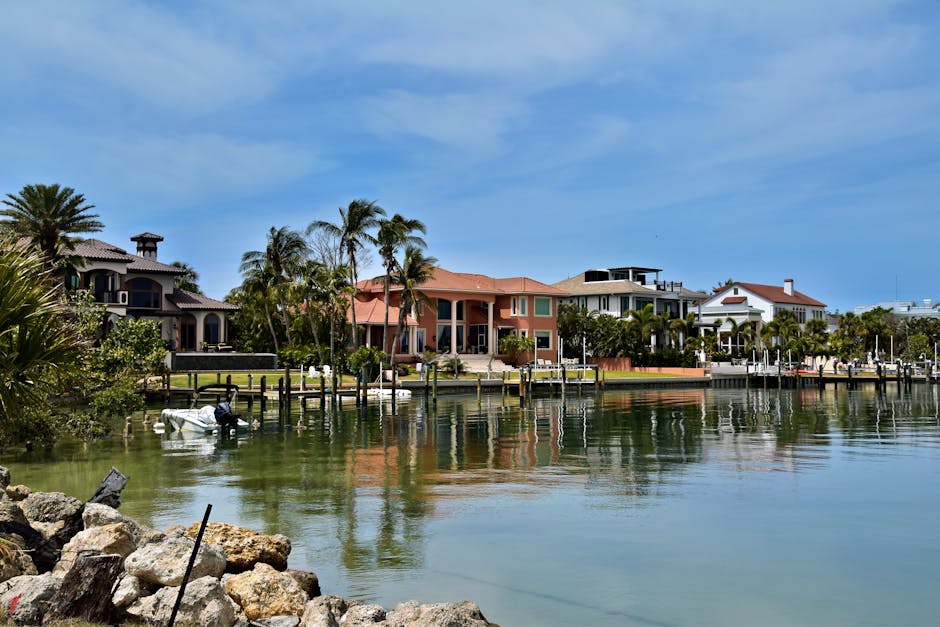
Historically, waterfront properties in Tampa were viewed through the lens of leisure or seasonal use. However, the current cycle has seen these assets emerge as primary residences for the city’s executive class. The transition of the waterfront into a primary market has significant implications for valuation and long-term appreciation. As inventory remains constrained, properties with deep-water access or significant bay frontage are increasingly treated as blue-chip commodities rather than mere residential holdings.
This evolution is supported by recent legal and developmental shifts. Analysis from The National Law Review highlights how the waterfront has emerged as a primary luxury real estate market, driven by infrastructure improvements and the densification of the urban waterfront. For buyers, this means that proximity to the water is no longer just about the view; it is about securing a position in the city’s most limited and defended asset class.
In neighborhoods like Davis Islands and Beach Park, we are observing a trend toward architectural modernization. Older ranch-style homes are being replaced by multi-story, flood-resilient structures that maximize both square footage and aesthetic appeal. This modernization is not just a matter of taste but a strategic response to evolving building codes and insurance requirements, ensuring that today’s luxury builds are equipped to handle the environmental realities of coastal living for decades to come.
The Early-Stage Luxury Condo Opportunity
While Tampa has long been a city of single-family estates, the vertical luxury segment is undergoing a rapid maturation. We are currently in what analysts describe as an early-stage luxury condo market. Unlike the oversaturated markets in Miami or New York, the supply of high-end, full-service towers in Tampa remains relatively low compared to the demand from downsizers and professional relocations. This creates a unique window for early entry into developments that offer amenities previously unavailable in the region.
The strategic value of this segment is explored by Tampa Bay Business & Wealth, which notes that the city’s vertical growth is still in its infancy. For the buyer who prioritizes security, concierge services, and proximity to the cultural district of Water Street or the Channel District, these vertical assets represent a low-maintenance alternative to the traditional estate. The integration of high-end retail and Michelin-recognized dining within walking distance of these residences is a new paradigm for Tampa luxury.
Investors should note that the pricing per square foot in these premium towers is beginning to reflect their scarcity. As more global brands enter the market, the distinction between ‘standard’ and ‘ultra-luxury’ becomes clearer. Evaluating these opportunities requires a focus on developer track record, service levels, and the long-term viability of the surrounding district’s master plan. We recommend prioritizing projects that emphasize architectural significance and robust common-area programming.
Strategic Buyer Considerations for the Tampa Market
Navigating a market with a median list price of $2,499,000 requires more than just capital; it requires a data-driven strategy. Buyers must distinguish between properties that are priced according to current market velocity and those that carry a premium based on temporary trends. In areas like South Tampa, the value is often found in the land and the school district, whereas in the estate markets of Odessa or Westchase, value is derived from acreage and private amenities.
The following checklist serves as a baseline for any high-end acquisition in the current environment:
- Verify the finished floor elevation and latest flood zone designations to ensure long-term insurability and resale value.
- Assess the proximity to the city’s major development corridors, such as Water Street and the Westshore district, which drive regional appreciation.
- Audit the Homeowners Association (HOA) or Community Development District (CDD) financials for any planned assessments or capital improvements.
- Evaluate the riparian rights and dockage capabilities for any waterfront property to confirm suitability for specific vessel drafts.
- Review the architectural history and any protected status for properties in historic districts like Hyde Park or Seminole Heights.
- Analyze the surrounding property turnover rate to determine the liquidity of the specific micro-neighborhood.
Applying these filters allows a buyer to move past the aesthetic appeal of a property and into a rigorous assessment of its investment quality. At this level of the market, the difference between a high-performing asset and a stagnant one often lies in the details of the site’s infrastructure and legal standing. We advise our clients to look beyond the staging and focus on the structural and regulatory fundamentals that define lasting value.
Neighborhood Nuances: From Urban Core to Rural Estates
The diversity of Tampa’s luxury offerings allows for a wide range of lifestyles, from the urban vibrancy of Downtown to the equestrian-leaning privacy of the northern suburbs. South Tampa remains the most coveted destination for those seeking proximity to top-tier private education and the iconic Bayshore Boulevard. Here, the market is characterized by a mix of historic charm and cutting-edge new construction, with buyers often competing for limited lots in neighborhoods like Palma Ceia and Sunset Park.
Conversely, the northern markets, including areas near Gardner Road and Troutwater Lane, offer a different value proposition. These sub-markets cater to buyers seeking significant acreage and privacy that is simply unavailable in the urban core. Recent sales, such as the $3,000,000 transaction on Gardner Road, underscore the growing appetite for ‘lifestyle estates’ that can accommodate custom amenities like private sports courts, detached guest houses, and extensive outdoor living spaces. These properties often serve as family legacy holdings rather than mere residences.
Understanding these micro-market dynamics is essential for aligning an acquisition with your long-term goals. For instance, the high-velocity sales in Seminole Heights—where properties on N Florida Avenue are seeing significant redevelopment—offer a different risk-reward profile than the established stability of Davis Islands. Our role is to provide the neighborhood-level implications that a standard market report might overlook, ensuring that your investment is positioned in a sub-market that matches your desired exit strategy.
Inventory Dynamics and Market Velocity
With an active luxury inventory hovering around 120 units and an average list price exceeding $3.2 million, the Tampa market remains tight. This limited supply creates a competitive environment where off-market opportunities and pre-construction access are paramount. Buyers should be prepared to act with precision when a property meeting their criteria becomes available. The ‘wait and see’ approach often results in missing out on the most desirable assets, particularly those with unique waterfront positioning or historic significance.
Current market behavior suggests that while the pace of price increases has stabilized compared to the post-pandemic surge, the floor for luxury pricing has moved permanently higher. The high-end sales of 2025, as reported by Tampa Bay Times, indicate that there is still significant depth in the ultra-luxury segment. Properties that are correctly priced and professionally marketed are moving quickly, often to cash buyers who prioritize speed and certainty over financing contingencies.
This inventory environment requires a proactive stance. Utilizing resources like Florida Trend Real Estate can provide a broader view of the regional movements that impact local inventory. When you are competing in a market with only 120 high-end choices, having a direct line to the most relevant listings and an understanding of the underlying seller motivations is the only way to secure a superior position.
The Cultural Velocity of the Tampa Bay Region
The investment in Tampa real estate is also an investment in a city that is rapidly expanding its cultural and social calendar. The influx of tens of thousands of visitors for events—from high-profile concerts to international festivals—contributes to the city’s overall economic health and desirability. This weekend alone, the region is preparing for a significant K-Pop event, highlighting Tampa’s ability to attract diverse, large-scale entertainment that drives traffic and visibility to the downtown core, according to FOX 13 Tampa Bay. This cultural velocity is a key component of the ‘lifestyle premium’ that buyers are willing to pay for in 2026.
Whether it is the festivals in St. Pete or the blues and BBQ events in Tampa’s historic districts, there is a consistent pulse of activity that keeps the region at the forefront of the Florida conversation. This vibrancy ensures that the city remains a destination not just for capital, but for people seeking a complete urban experience. As an advisor, I see the social calendar as a leading indicator of a neighborhood’s long-term appeal; a city that stays active is a city where real estate values remain resilient.
As you evaluate your next move in the Tampa market, consider the balance between property fundamentals and the cultural trajectory of the area. The most successful acquisitions are those that align with both the data-backed investment brief and the practical realities of daily life in a high-velocity metropolitan area. To begin your search for the right asset, we invite you to browse our current luxury listings and then contact a private advisor to discuss your specific requirements and strategic objectives. Our team is dedicated to providing the sophisticated guidance needed to navigate this complex market with confidence.
Your next move in Tampa luxury
Get current inventory, pricing guidance, and private-tour support from our brokerage team.
Source highlights
- Tampa Bay’s most expensive luxury home sales of 2025 – Tampa Bay Times
- Tampa Bay luxury market grows stronger despite national declines – The Business Journals
- Why Tampa remains an early-stage luxury condo market – Tampa Bay Business & Wealth
- Tampa Bay’s Waterfront Emerges as a Primary Luxury Real Estate Market – The National Law Review
- Florida Trend Real Estate – Florida Trend
- Inside Tampa’s $675 Million Surge: How the City Became Florida’s New Luxury Investment Capital – hauteresidence.com
- Things To Do In Tampa This Weekend: Best Festivals & Events Going On – That's So Tampa
- Tampa officials expect heavy traffic, tens of thousands of visitors over a packed K-Pop weekend – wtsp.com



