


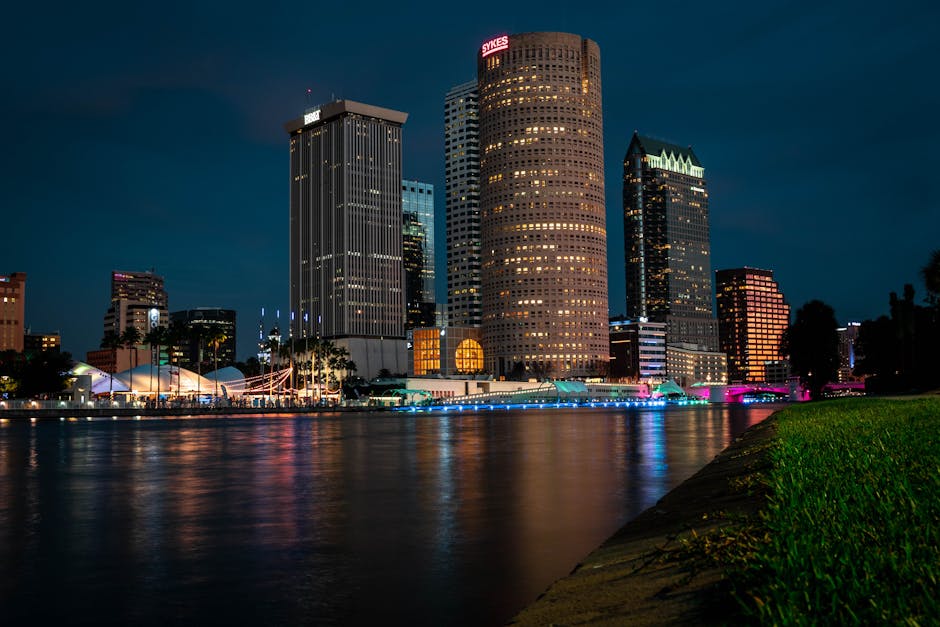
The Shift from Emerging to Established: Tampa’s New Market Ceiling
For several years, the Tampa luxury real estate sector was characterized by its relative value compared to South Florida’s more saturated markets. However, the data from early 2026 suggests a fundamental shift in this narrative. Tampa is no longer merely a secondary alternative; it has matured into a primary destination for domestic and international capital. With a current median list price for luxury inventory holding firm at $2,499,000 and an average price exceeding $3,247,000, the market has established a new floor that reflects its increased desirability and limited inventory of truly high-caliber assets.
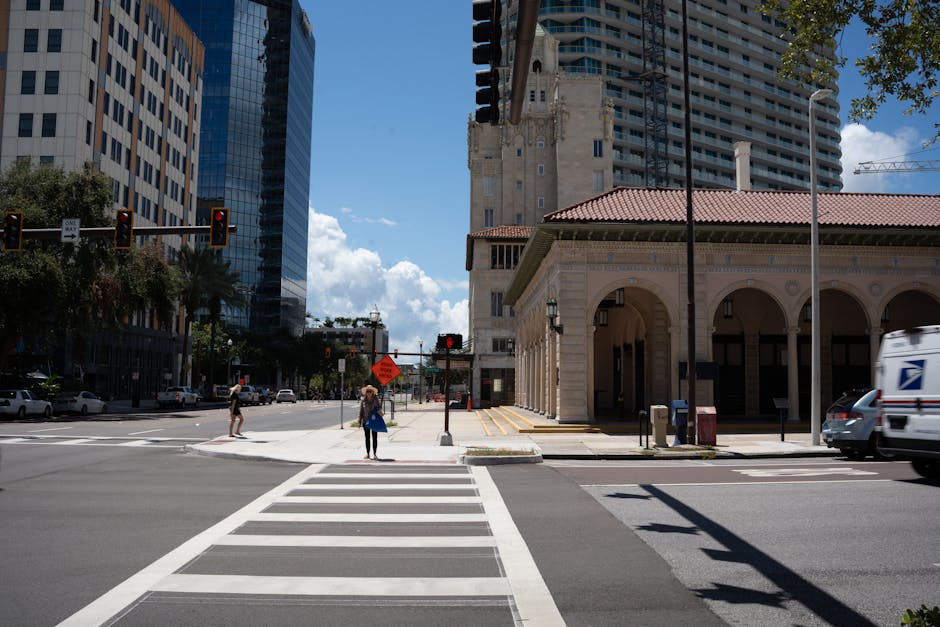
Sophisticated buyers are currently navigating a landscape where quality is more important than sheer volume. While the active luxury count sits at 120 properties, the distinction between ‘commodity luxury’ and ‘legacy assets’ has never been sharper. Market participants are increasingly focusing on architectural integrity, advanced smart-home integration, and long-term land value. This transition is evident in the record-breaking figures reported in Tampa Bay’s most expensive luxury home sales of 2025, which set the stage for the current pricing stability we observe today.
The maturation of the market is also driven by a shift in buyer demographics. We are seeing a move away from transient investors toward permanent residents who are deeply integrated into the local economy. This ‘sticky’ capital provides a buffer against national market volatility. When evaluating current opportunities, such as a $2.65 million estate in Troutwater Lane or a $3 million acquisition on Gardner Road, advisors are looking past aesthetic finishes to the underlying fundamental health of the micro-market. The focus has moved from ‘where can I get more space’ to ‘where can I secure an appreciating asset in an established enclave.’
Waterfront Dynamics: Navigating the Primary Market Reality
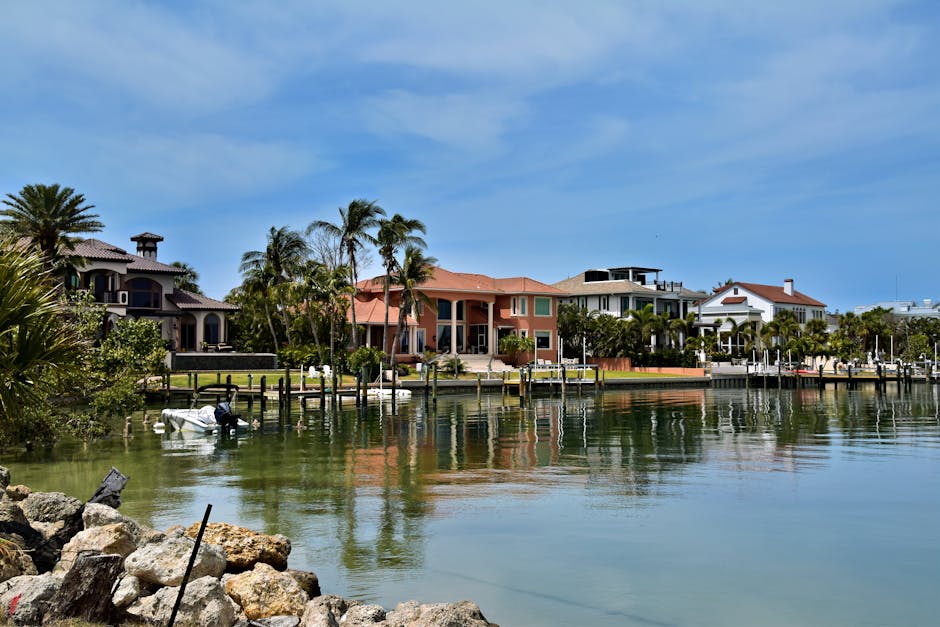
Waterfront property in Tampa remains the most resilient and sought-after segment of the luxury market. However, the definition of value in this category has expanded beyond the view itself. Buyers are now prioritizing property elevation, seawall integrity, and the sophistication of flood-mitigation systems. The evolution of the shoreline has transitioned these properties into what many legal and financial analysts consider a primary real estate market, as noted in recent insights from The National Law Review regarding Tampa Bay’s emerging waterfront status. This designation implies a level of liquidity and institutional interest that was previously reserved for cities like Miami or New York.
Bayshore Boulevard and Davis Islands continue to command the highest premiums, not just for their proximity to the water, but for their historical significance and infrastructure. Buyers in these areas are often looking for specific attributes: deep-water dockage for larger vessels, unobstructed vistas of the downtown skyline, and the prestige of a South Tampa address. The scarcity of available land on the water has led to a surge in land-value acquisitions, where buyers are willing to pay significant sums for the lot alone, viewing the existing structure as secondary to the location’s potential.
As the waterfront market matures, we are observing a higher level of scrutiny during the due diligence phase. It is no longer enough to have a prime location; the engineering of the home must be able to withstand the long-term environmental factors associated with Gulf Coast living. Sophisticated advisors are now bringing in coastal engineers and specialist surveyors early in the negotiation process. This rigorous approach ensures that the acquisition remains a viable long-term hold, preserving capital in a segment of the market where the entry price is often well north of $5 million.
The Rise of Managed Luxury: Assessing the Condo Sector
Tampa’s vertical skyline has undergone a radical transformation, particularly with the development of the Water Street district. The luxury condo market here is unique because it is still in what many experts consider an early stage of its lifecycle. According to analysis by Tampa Bay Business & Wealth, this sector offers significant upside as the city continues to densify and attract high-net-worth individuals who prefer the security and amenities of a managed residence. The appeal of ‘lock-and-leave’ living is particularly strong among buyers who maintain multiple residences globally.
The new generation of Tampa condos is defined by service. Concierge levels that rival five-star hotels, private wellness centers, and exclusive social clubs are now standard requirements for the city’s top-tier developments. For the analytical buyer, these units represent more than just a home; they are a lifestyle investment that offers a predictable cost of ownership. The management of these buildings is a critical factor in the valuation, as the health of the HOA and the quality of the service staff directly impact the resale value and liquidity of the asset.
When comparing a high-end condo in Hyde Park or Water Street to a single-family home in South Tampa, buyers must weigh the convenience of managed services against the privacy of a detached estate. Often, the decision comes down to the intended use of the property. For those who prioritize urban walkability and immediate access to fine dining and cultural venues, the managed luxury sector provides a compelling case for capital deployment. This segment has shown remarkable resilience even as national trends saw a cooling in urban density, proving that Tampa’s growth is fundamentally tied to its local appeal.
Due Diligence Checklist for High-Value Acquisitions
Acquiring a luxury asset in the current Tampa market requires a disciplined approach that goes beyond standard inspections. To ensure your capital is protected, we recommend the following benchmarks during your evaluation process:
- Verification of the elevation certificate and a detailed review of current and proposed flood zone changes.
- Structural analysis of seawalls and dockage infrastructure for all waterfront parcels.
- Comprehensive audit of HOA financial health and long-term capital improvement plans for managed residences.
- Comparative analysis of recent off-market sales to determine true neighborhood-level liquidity.
- Review of local zoning and development plans to identify potential impacts on privacy or views.
- Assessment of smart-home systems and the scalability of existing technical infrastructure.
By adhering to this level of scrutiny, buyers can differentiate between a property that simply looks impressive and one that serves as a robust financial asset. In a market where the median list price is $2,499,000, the cost of overlooking a technical detail can be significant. Our team prioritizes these analytical metrics to provide our clients with a clear-eyed view of their potential investment.
Neighborhood Rotation: Identifying New Nodes of Growth
While South Tampa and Davis Islands remain the traditional pillars of luxury, we are seeing a strategic rotation of capital into emerging enclaves. Areas like Westshore and parts of the Seminole Heights corridor are attracting a different type of buyer—one who is looking for larger lot sizes or unique architectural opportunities. For instance, the $2.2 million listing on N Florida Avenue represents a growing interest in areas that offer proximity to the city’s commercial hubs while maintaining a distinct neighborhood character. This rotation is a sign of a healthy, diversifying city where luxury is no longer confined to a single geographic strip.
The expansion of luxury into these areas is often preceded by commercial investment. As high-end retail and private medical practices move into new corridors, residential values inevitably follow. Savvy buyers are tracking these infrastructure shifts to identify where the next ‘blue chip’ neighborhood will emerge. This is a classic arbitrage opportunity: identifying areas that possess the fundamental requirements of luxury—security, accessibility, and high-quality construction—before the broader market price reflects those benefits.
Furthermore, the inventory in these rotating neighborhoods often provides more flexibility for customization. In Hyde Park, you may be limited by historical preservation rules; in newer luxury nodes, buyers can implement cutting-edge modern designs and expansive outdoor living spaces. This trade-off between tradition and innovation is a key theme in 2026. Buyers must decide whether they want the established prestige of a legacy neighborhood or the creative freedom of an emerging luxury district, both of which are currently viable paths for wealth preservation.
Cultural Infrastructure and Asset Liquidity
A luxury market is only as strong as the city that supports it. Tampa’s aggressive investment in cultural infrastructure—from performing arts centers to major international events—has created a lifestyle ecosystem that supports high property values. The recent surge in tourism and massive events, such as the heavily attended K-Pop weekend and various festivals, demonstrates the city’s ability to host global audiences. These events drive demand for short-term luxury rentals and increase the city’s visibility, which in turn fuels the residential market.
For a buyer, this cultural vibrancy translates into liquidity. A city that people want to visit is a city where people want to live. When the local event calendar is packed with high-end festivals and concerts, as highlighted by That’s So Tampa’s weekly briefings, it signals a healthy, active population and a robust local economy. This is a critical factor for anyone considering the resale potential of a multimillion-dollar property. The presence of these amenities ensures that there will always be a pool of qualified buyers looking to enter the market.
We advise our clients to look at the ‘lifestyle density’ of a property’s location. How far is the home from the Riverwalk? What is the proximity to the city’s top-tier private clubs and sports venues? In 2026, luxury is measured by the ease of access to these experiences. As Tampa continues to attract tens of thousands of visitors for its cultural offerings, the properties located within the gravitational pull of these centers will continue to command a premium and maintain higher levels of liquidity than more isolated suburban estates.
Strategic Positioning: Entry and Exit Timelines
In a market with a $3.2 million average list price, timing and positioning are everything. We are currently in a phase of the cycle where patience is rewarded. With 120 luxury homes currently on the market, buyers have the leverage to be selective and negotiate from a position of data-backed strength. However, the window for ‘early-entry’ pricing in the condo and emerging neighborhood sectors is closing as the city’s reputation continues to grow nationally. We recommend a three-to-five-year outlook for most luxury acquisitions in Tampa to realize significant appreciation while enjoying the utility of the asset.
For sellers, the strategy is equally nuanced. Presenting a property as a lifestyle solution rather than just a structure is essential. This means highlighting the specific Tampa context: the proximity to elite schools, the resilience of the construction, and the integration into the city’s cultural fabric. The market is discerning; properties that are over-leveraged or lack specific luxury fundamentals are seeing longer days on market, while ‘perfect’ assets are still moving quickly. Understanding your property’s place in the current inventory is the first step toward a successful exit.
Whether you are looking to deploy capital into a new primary residence or seeking to diversify your portfolio with a high-end waterfront holding, the current Tampa market offers a sophisticated array of options. The key is to move past the hype and focus on the analytical briefs that define true value. By leveraging our local expertise and deep understanding of buyer behavior, you can navigate this maturing market with confidence and precision. We invite you to explore our current curated LISTINGS URL to see how these market dynamics are manifesting in real-time inventory.
As the Tampa luxury landscape continues to professionalize and expand, having a dedicated advisor who understands the neighborhood-level implications of every market movement is essential. Our team provides the specific, data-driven guidance required to make informed decisions in this high-stakes environment. To discuss your specific requirements or to receive a private briefing on off-market opportunities, please CONTACT URL an advisor today.
Your next move in Tampa luxury
Get current inventory, pricing guidance, and private-tour support from our brokerage team.
Source highlights
- Tampa Bay’s most expensive luxury home sales of 2025 – Tampa Bay Times
- Tampa Bay luxury market grows stronger despite national declines – The Business Journals
- Why Tampa remains an early-stage luxury condo market – Tampa Bay Business & Wealth
- Tampa Bay’s Waterfront Emerges as a Primary Luxury Real Estate Market – The National Law Review
- Florida Trend Real Estate – Florida Trend
- Inside Tampa’s $675 Million Surge: How the City Became Florida’s New Luxury Investment Capital – hauteresidence.com
- Things To Do In Tampa This Weekend: Best Festivals & Events Going On – That's So Tampa
- Tampa officials expect heavy traffic, tens of thousands of visitors over a packed K-Pop weekend – wtsp.com



