


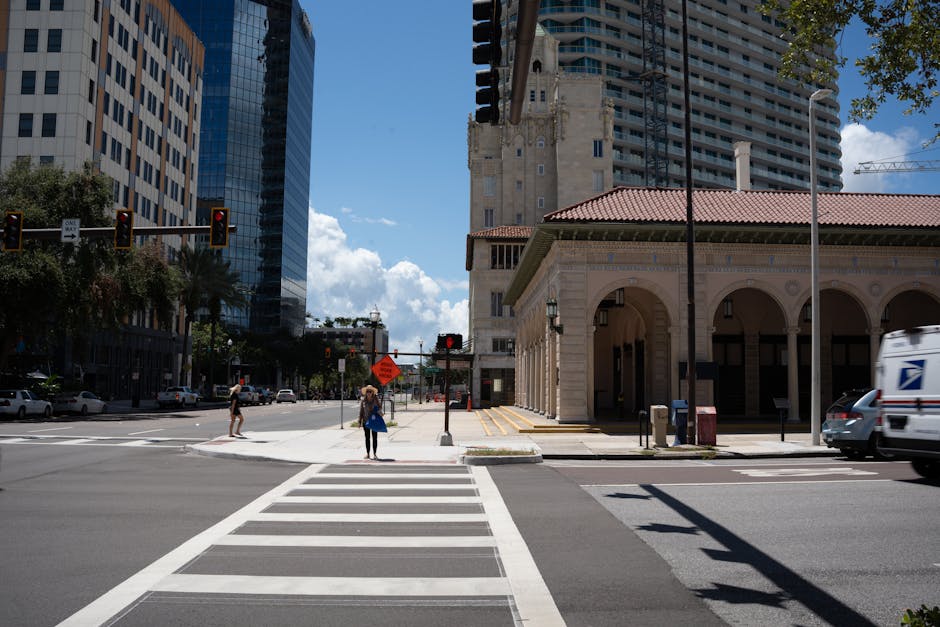
The Transition from Seasonal Interest to Primary Market Dominance
Tampa has undergone a fundamental shift in its residential profile, evolving from a secondary seasonal destination into a primary capital for high-net-worth individuals. This transition is underscored by recent data showing a median list price of $2,499,000 within the luxury segment, reflecting a market that is pricing in long-term stability and infrastructure growth rather than speculative volatility. Sophisticated buyers are increasingly prioritizing the region for its institutional-grade amenities and the permanence of its professional and cultural landscape.
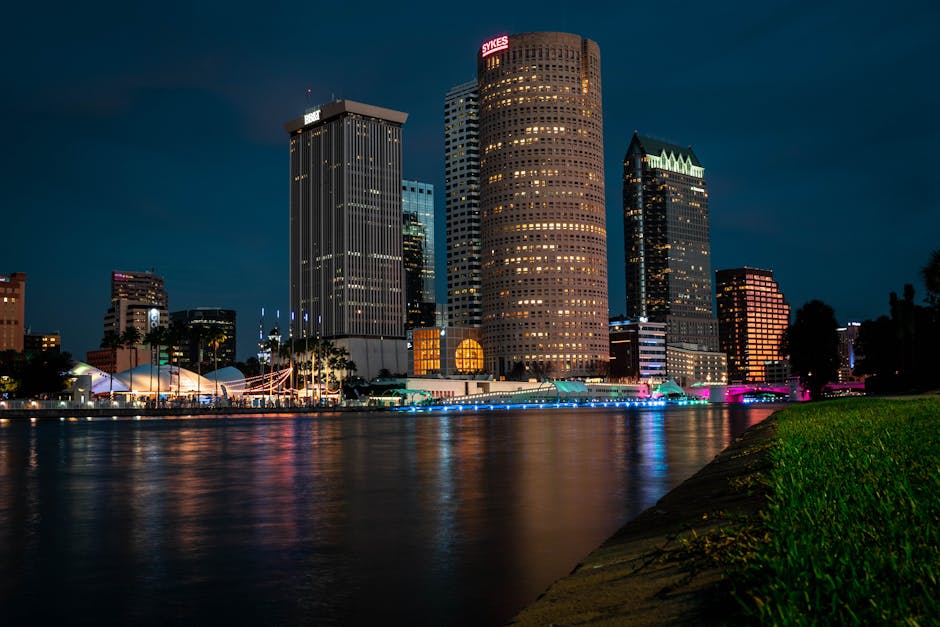
While national trends have seen fluctuations, the local sector has demonstrated remarkable resilience. According to reports from The Business Journals, the Tampa Bay luxury market continues to grow stronger despite broader national declines. This strength is driven by a genuine inventory squeeze at the top tier, where only 120 active luxury listings currently compete for a growing pool of domestic and international capital. For the advisor, the focus has shifted from finding a deal to securing a rare asset before it exits the private market.
Understanding the current average list price of $3,247,370 requires an analysis of the ‘primary residence’ mindset. Buyers are no longer looking for mere vacation outposts; they are looking for properties capable of supporting year-round lifestyles, including integrated home offices, advanced wellness suites, and proximity to elite private education. This shift has elevated the floor for what constitutes a luxury asset in areas like South Tampa and the surrounding waterfront corridors.
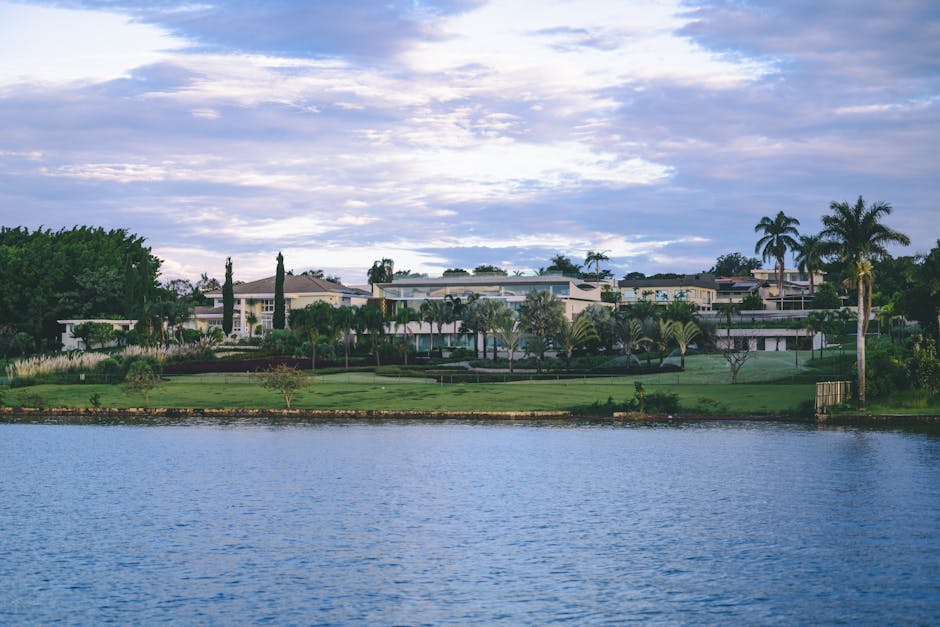
Evaluating the Waterfront Premium in South Tampa and Davis Islands
The scarcity of deep-water access remains the most significant driver of value in the Tampa region. As The National Law Review notes, Tampa’s waterfront has emerged as a primary luxury real estate market, moving beyond recreational use into a category of protected wealth. Properties on Davis Islands or along Bayshore Boulevard are frequently transacted off-market, reflecting their status as legacy assets that rarely return to the public MLS.
When assessing waterfront opportunities, such as those found on Troutwater Lane, buyers must move beyond aesthetic appeal and focus on the structural integrity of the shoreline. Seawall height, riparian rights, and navigable depth are the metrics that define the long-term appreciation potential of these parcels. The premium for direct bay access continues to widen compared to canal-front properties, as the demand for larger vessel dockage outpaces the available shoreline in established neighborhoods.
The Infrastructure of Value: Urban Luxury and the Condo Evolution
Tampa is currently in what experts describe as an early-stage luxury condo market. This provides a unique window for capital allocation before the sector reaches the maturity levels seen in Miami or Palm Beach. Data from Tampa Bay Business & Wealth highlights why this vertical expansion is critical for the city’s urban core. New developments are bringing a level of service—concierge-driven living, private elevators, and integrated smart technology—that was previously reserved for single-family estates.
The move toward vertical living is not merely a preference for views; it is a response to the desire for a turn-key lifestyle. For many high-net-worth individuals, the ability to ‘lock and leave’ an urban penthouse is a strategic advantage. This trend is particularly evident in Water Street and the Westshore district, where new high-rises are attracting a demographic that values proximity to the city’s emerging Michelin-recognized dining scene and professional sports infrastructure.
Due Diligence for High-Net-Worth Acquisitions
- Verify seawall and cap integrity through specialized marine engineering inspections.
- Analyze the elevation certificate to determine long-term insurance mitigation strategies.
- Review riparian rights and dockage permits to ensure compatibility with specific vessel requirements.
- Assess the neighborhood’s historical absorption rate for properties priced above the $2.5 million threshold.
- Evaluate the proximity to planned infrastructure projects that may impact future privacy or noise levels.
- Confirm the status of any transferable tax exemptions or historical designations on the property.
Market Dynamics: Understanding the $675 Million Investment Surge
The recent influx of capital into the region is not incidental; it is the result of a coordinated expansion of the city’s economic base. As reported by Haute Residence, Tampa has seen a $675 million surge in investment, solidifying its position as Florida’s newest luxury capital. This volume of investment provides a safety net for residential values, as commercial and infrastructure growth typically precedes sustained residential appreciation.
Buyers should look at the distribution of this capital across the city. It is being directed into mixed-use developments, medical research facilities, and logistics hubs, which in turn brings a new tier of executive leadership to the area. This professional migration is the engine behind the demand for properties like those on Gardner Road or North Florida Avenue, where large-lot availability allows for custom estate construction that rivals the traditional corridors of South Tampa.
Comparing Neighborhood Profiles: Beach Park vs. Westshore Yacht Club
Deciding between established neighborhoods requires a granular look at lifestyle trade-offs. Beach Park offers some of the most consistent high-value inventory in the region, characterized by mature tree canopies and a variety of architectural styles ranging from Mediterranean Revival to ultra-modern glass structures. The appeal here is often found in the privacy afforded by deeper lots and less through-traffic compared to the more central South Tampa blocks.
In contrast, the Westshore Yacht Club provides a gated, community-centric environment with integrated amenities such as private clubhouses and marina access. This is often the preferred choice for those who prioritize security and a social ecosystem within their immediate residential footprint. Both areas have seen significant movement in 2025, contributing to the list of most expensive luxury home sales in the bay area. Comparing these neighborhoods requires an advisor who understands the subtle differences in the ‘micro-market’ behavior of each street.
Operationalizing the Purchase: Timeline and Negotiation Strategies
In a market with only 120 active luxury listings, the traditional negotiation period has compressed. Sellers at the $2.5 million to $5 million level are increasingly sophisticated, often requiring proof of funds or pre-clearance before a showing is even scheduled. This necessitates a proactive approach where the buyer’s advisory team has already completed preliminary due diligence on the target neighborhood’s recent comps and historical performance.
Timing the entry into the Tampa market is less about seasonality and more about inventory cycles. While the ‘packed weekend’ events—ranging from K-Pop festivals to major downtown gatherings—bring thousands of visitors, the serious residential activity often happens in the quiet windows between these public pulses. Buyers who are prepared to move quickly on off-market opportunities will find themselves at a distinct advantage in a landscape where quality inventory is the primary constraint.
Navigating the complexities of the current market requires a strategic partner who understands that a high-value acquisition is more than a residence; it is a critical component of a broader portfolio. To explore the current inventory of exclusive estates and waterfront parcels, we invite you to browse our curated listings or contact an advisor to discuss your specific requirements for a private acquisition in the Tampa region.
Your next move in Tampa luxury
Get current inventory, pricing guidance, and private-tour support from our brokerage team.
Source highlights
- Tampa Bay’s most expensive luxury home sales of 2025 – Tampa Bay Times
- Tampa Bay luxury market grows stronger despite national declines – The Business Journals
- Why Tampa remains an early-stage luxury condo market – Tampa Bay Business & Wealth
- Tampa Bay’s Waterfront Emerges as a Primary Luxury Real Estate Market – The National Law Review
- Florida Trend Real Estate – Florida Trend
- Inside Tampa’s $675 Million Surge: How the City Became Florida’s New Luxury Investment Capital – hauteresidence.com
- Things To Do In Tampa This Weekend: Best Festivals & Events Going On – That's So Tampa
- Things To Do In St Pete This Weekend: Best Festivals & Events Going On In St Petersburg – I Love the Burg



