


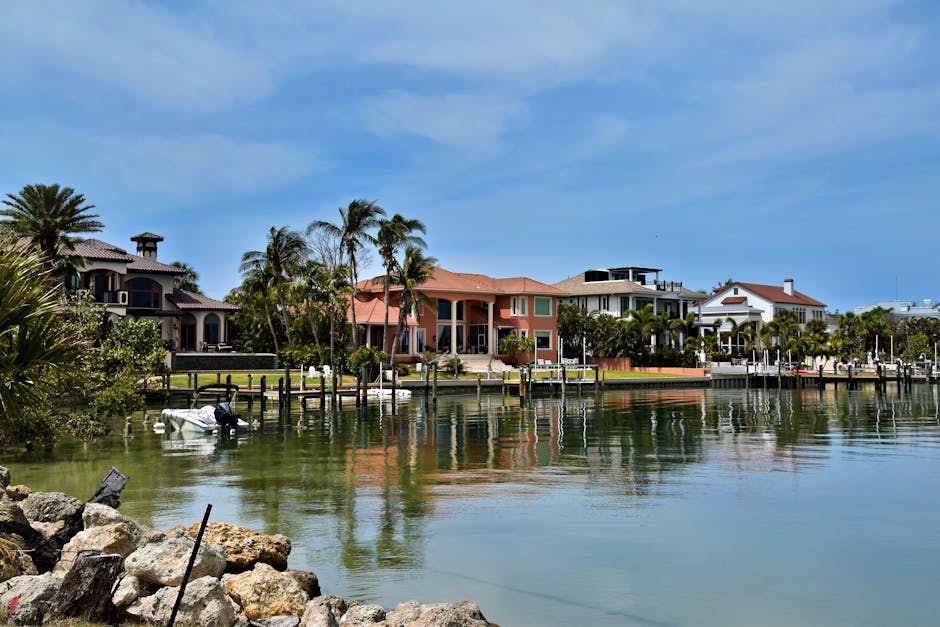
The Maturation of Tampa’s Waterfront Sector
The transition of the Tampa Bay waterfront from a seasonal getaway to a primary residential destination marks a significant shift in the region’s economic landscape. Historically, high-end acquisitions along the coast were often secondary or tertiary assets, used sparingly during the winter months. Today, the demand profile has shifted toward permanent relocation, driven by a desire for robust infrastructure, proximity to growing corporate hubs, and a climate that supports year-round outdoor utility. This evolution requires a different set of evaluation criteria for buyers who now view these properties as their central base of operations rather than a weekend retreat.
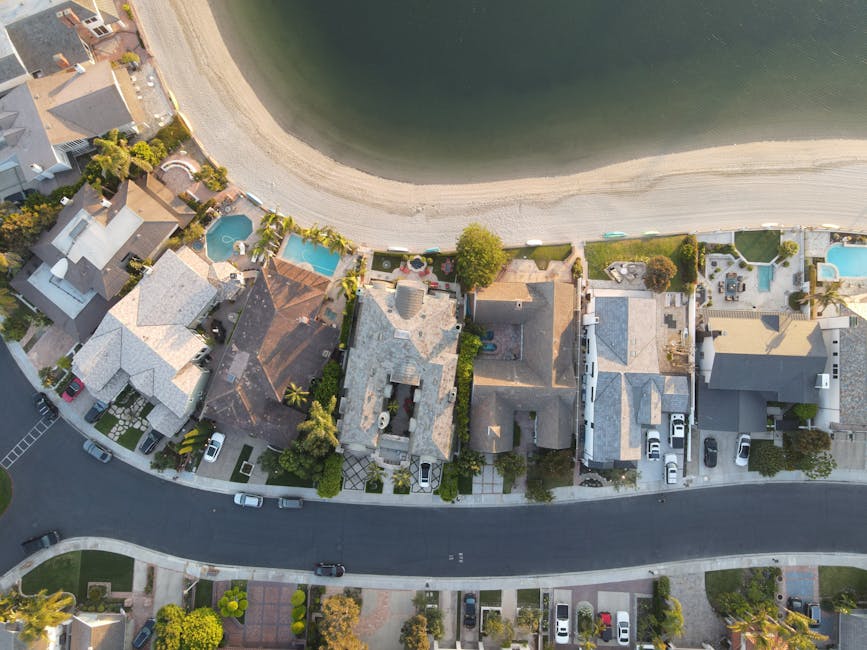
Data from the National Law Review confirms that Tampa’s waterfront is emerging as a primary luxury real estate market, reflecting a broader trend of capital migration toward the Sunbelt. Unlike many national markets currently experiencing cooling periods, Tampa has maintained a resilient posture due to its limited inventory and the specific nature of its coastal geography. Buyers are no longer just looking for a view; they are looking for properties that can accommodate the complexities of modern, full-time living, including integrated home offices and advanced storm mitigation systems.
This shift is evidenced by the scale of recent transactions. In 2025, we saw record-breaking sales that underscored the confidence institutional and private wealth has in the region. These aren’t speculative buys; they are long-term commitments to the local ecosystem. When evaluating the market, it is essential to distinguish between the aesthetic appeal of a property and its functional capacity as a primary residence. High-net-worth individuals are increasingly focused on the structural integrity of sea walls and the elevation of living spaces, moving beyond surface-level finishes to prioritize long-term durability.
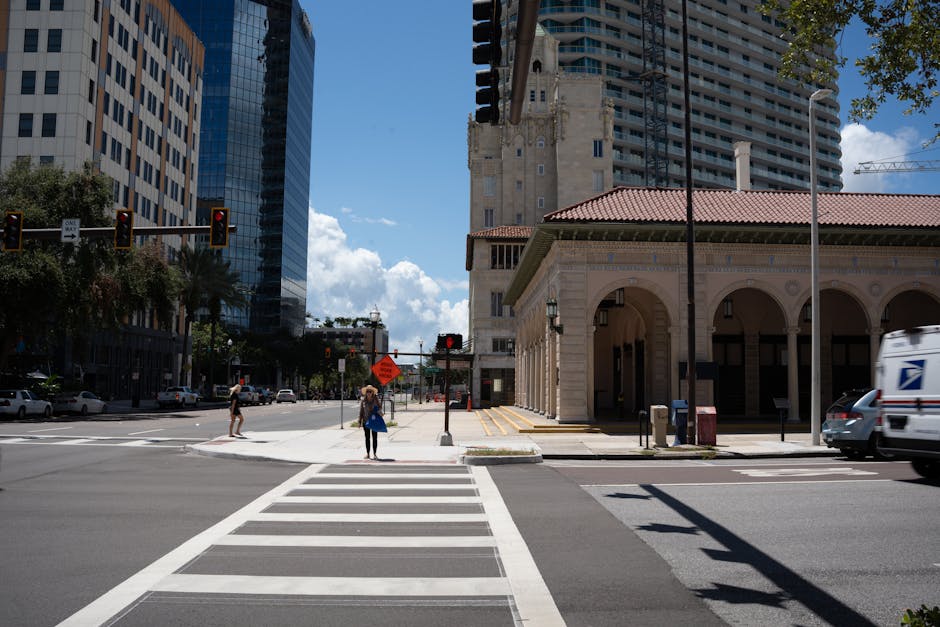
As we observe the current inventory of 120 active luxury listings, the median list price of $2,499,000 serves as a baseline for entry into the high-end segment. However, the average list price of $3,247,370 suggests that the top tier of the market is pulling the ceiling higher, particularly in neighborhoods like Davis Islands and Beach Park. For the advisor, the challenge lies in identifying which properties offer the necessary resilience to sustain their value as the primary residence trend continues to accelerate over the next decade.
Analyzing the Early-Stage Luxury Condo Segment
While single-family estates have long dominated the conversation, the high-end condominium market is currently in what experts call an early-stage development cycle. For the sophisticated investor, this represents a window of opportunity before the market reaches full saturation. Managed luxury assets offer a level of convenience and security that is particularly attractive to those who travel frequently but maintain Tampa as their primary legal and social residence. These developments are bringing a level of service and amenity-driven living that was previously reserved for global hubs like New York or Miami.
According to Tampa Bay Business & Wealth, the region remains an early-stage luxury condo market, which allows for a more favorable entry point compared to more mature coastal cities. Projects in areas such as Bayshore and the Channel District are redefining the skyline, offering vertical living with expansive views of the bay. These units often feature floor-to-ceiling glass and outdoor terraces that effectively blend indoor and outdoor living, a key requirement for those relocating from northern latitudes who wish to maximize their exposure to the local climate.
The appeal of the luxury condo segment often lies in its predictability. Maintenance-free living allows owners to focus on their professional and social obligations without the overhead of managing a traditional estate. However, due diligence remains paramount. Potential buyers should investigate the track record of the developers and the long-term financial health of the homeowners’ associations. In a growing market, the quality of construction and the exclusivity of the service staff will be the primary drivers of appreciation as more supply enters the pipeline in the coming years.
Recent market movement suggests that as single-family inventory remains constrained, buyers are increasingly open to high-rise alternatives that offer similar square footage. We are seeing a trend where buyers are consolidating multiple properties into a single, high-specification condo that serves as a central hub. This behavior indicates a maturing perspective on what constitutes a luxury asset in Tampa, moving away from the sprawling lawn in favor of the sophisticated, managed environment found in the city’s newest towers.
Inventory Scarcity and Pricing Benchmarks
The current state of the Tampa luxury market is defined by a persistent supply-demand imbalance. With only 120 active listings in the premium category, the competition for trophy assets remains intense. This scarcity is a protective layer for existing property values, as the lack of new land in established neighborhoods like Hyde Park and Culbreath Isles prevents the kind of oversupply that can lead to market volatility. Buyers in this environment must be prepared to move decisively when a property meeting their specifications becomes available, as the average days on market for well-priced, high-quality homes continues to remain below national averages.
Comparing the median list price of nearly $2.5 million against the average of over $3.2 million reveals a market that is increasingly skewed toward ultra-luxury transactions. Properties such as those on Gardner Road or Florida Avenue highlight the diversity of the current inventory, ranging from sprawling suburban estates to architecturally significant urban residences. This variety allows buyers to choose a property type that aligns with their specific lifestyle needs, whether they require deep-water dockage for a yacht or proximity to the city’s burgeoning professional and cultural centers.
Market resilience is further supported by the influx of wealth from outside the state. As reported by The Business Journals, Tampa Bay’s luxury market has grown stronger despite national declines, a testament to the region’s enduring appeal. This strength is rooted in the fundamental value proposition of Florida’s Gulf Coast: a combination of tax advantages, high-quality infrastructure, and a lifestyle that is difficult to replicate elsewhere. For buyers, this means that while entry prices are high, the risk of significant devaluation is mitigated by the sustained demand from a global buyer pool.
Strategic buyers are also looking at the land value of existing properties. In many high-demand neighborhoods, the value of the lot itself accounts for a significant portion of the total asset price. This has led to a rise in custom construction, where buyers acquire older homes purely for the location and replace them with modern, resilient structures. For those navigating this path, understanding local zoning regulations and the cost of premium construction materials is essential to ensuring the final project remains a viable investment in a shifting economic climate.
Essential Due Diligence for Waterfront Acquisitions
Acquiring a waterfront property in Tampa requires a more rigorous level of scrutiny than inland assets. The technical aspects of coastal ownership can significantly impact both the utility and the future resale value of the home. Prospective owners must look beyond the aesthetic appeal of the water and consider the underlying physical and legal realities of the site. This process begins with a thorough understanding of the specific conditions of the shoreline and the regulations that govern its use.
- Verification of riparian rights and property boundaries extending into the water.
- Structural assessment of sea walls, including tie-backs and cap integrity.
- Analysis of finished floor elevations relative to updated flood maps.
- Evaluation of water depth at mean low tide for vessel draft compatibility.
- Review of local setback requirements for docks and custom boat lifts.
- Investigation of any deed restrictions or HOA rules regarding waterfront modifications.
A comprehensive inspection should include a specialized marine survey for any existing docks or boat lifts. These structures are subject to constant environmental stress and can be costly to repair or replace if not properly maintained. Furthermore, understanding the draft depth is critical for boat owners; what appears to be deep water may have limited accessibility during specific tidal cycles. Ensuring that the property can accommodate your specific marine requirements is a foundational step in the acquisition process.
Finally, environmental regulations and permitting for any shoreline work can be complex. Buyers should consult with experts who understand the local permitting environment, as changes to the waterfront often require approval from multiple agencies. Being proactive in this research during the contingency period can prevent significant headaches after closing. A well-vetted waterfront property is not just a home; it is a complex infrastructure asset that requires ongoing stewardship and a clear understanding of its physical environment.
Behavioral Shifts in High-Net-Worth Relocation
The profile of the typical Tampa luxury buyer has undergone a dramatic transformation over the last five years. We are seeing a younger, more mobile demographic of wealth, often tied to the technology and financial services sectors, relocating to the area. These individuals are bringing a different set of expectations regarding home automation, sustainability, and architectural style. The traditional Mediterranean-style mansion is increasingly making way for modern, clean-lined designs that emphasize transparency and a seamless connection to the outdoor environment.
This shift is not merely aesthetic; it is reflective of a broader lifestyle change. The Tampa Bay Times has documented the most expensive luxury home sales, noting that the top transactions often involve properties that offer a high degree of privacy and integrated wellness amenities. Buyers are looking for environments that support their physical and mental health, with dedicated spaces for exercise, meditation, and high-performance home offices. This “resort-at-home” mentality is a direct result of the increased time spent within the primary residence.
Furthermore, the social calendar of the region has become a major draw for those deciding where to plant their roots. Events like the major festivals in Tampa and St. Petersburg provide a rich cultural backdrop that rivals more established metropolitan areas. Whether it is the best festivals and events happening downtown or the sophisticated dining scene in South Tampa, the city offers a lifestyle that is both active and refined. This cultural density is a key factor in why high-net-worth individuals are choosing Tampa over more isolated coastal enclaves.
As these buyers integrate into the community, they are also becoming active participants in the local economy and philanthropy. This deepening of ties further stabilizes the luxury real estate market, as it creates a self-reinforcing cycle of investment and growth. When you buy a home in Tampa today, you are joining a community of driven, successful individuals who are actively shaping the future of the city. For the private advisor, understanding these social and cultural drivers is just as important as knowing the latest market statistics.
Strategic Considerations for Long-Term Appreciation
Deciding where to allocate capital in the Tampa market requires a long-term perspective. While immediate lifestyle needs are important, a sophisticated buyer must also consider the liquidity and appreciation potential of their asset. Neighborhoods that have a history of stability, such as Davis Islands or Hyde Park, often provide the most reliable returns. These areas benefit from a combination of historical significance, excellent schools, and proximity to the city’s commercial core, making them perennially attractive to the buyer pool.
However, there is also value to be found in emerging pockets of the city. Areas like Westshore and parts of South Tampa are seeing significant reinvestment as old stock is replaced by modern builds. When considering these areas, it is important to look at the broader neighborhood trajectory. Are the neighboring properties also being upgraded? Is there new commercial infrastructure being built nearby? These indicators can provide clues as to whether an area is on the verge of a significant value increase. The goal is to find the balance between current enjoyment and future financial security.
Property type is another critical variable. While residential homes are the primary focus for most, there is also interest in land and commercial sales within the luxury segment. Acquiring a significant parcel of land in a prime location is perhaps the most secure way to hedge against inflation and market volatility. Land is the one thing they are not making more of in South Tampa, and owning a piece of the city’s most desirable geography is a classic wealth preservation strategy. Whether you intend to build immediately or hold for the future, the value of the dirt remains the ultimate floor for your investment.
In the current environment, the role of the advisor is to provide the data and the local context necessary to make an informed decision. This means looking beyond the listing photos and understanding the nuances of each street and each block. Tampa is a city of neighborhoods, and each has its own unique character and market dynamics. By taking a methodical, analytical approach to the search process, buyers can find properties that not only meet their high standards for living but also serve as a cornerstone of their financial portfolio for years to come.
Browse Current Opportunities and Consult an Advisor
The Tampa luxury market continues to offer exceptional opportunities for those who understand its unique dynamics. Whether you are seeking a modern waterfront estate with deep-water access or a sophisticated managed residence in the heart of the city, the current inventory provides a range of high-specification options. To begin your search and gain access to the most exclusive properties in the region, we invite you to browse our current luxury listings. For a private consultation to discuss your specific requirements and receive tailored market insights, please contact an advisor today. Our team is dedicated to providing the technical expertise and local knowledge necessary to navigate your next acquisition with confidence and precision.
Your next move in Tampa luxury
Get current inventory, pricing guidance, and private-tour support from our brokerage team.
Source highlights
- Tampa Bay’s most expensive luxury home sales of 2025 – Tampa Bay Times
- Tampa Bay luxury market grows stronger despite national declines – The Business Journals
- Why Tampa remains an early-stage luxury condo market – Tampa Bay Business & Wealth
- Tampa Bay’s Waterfront Emerges as a Primary Luxury Real Estate Market – The National Law Review
- Florida Trend Real Estate – Florida Trend
- New Signature Real Estate Team Emerges Across Tampa Bay: The Nick Janovsky Group Launches with Premier Sotheby’s International Realty – citybiz
- Things To Do In Tampa This Weekend: Best Festivals & Events Going On – That's So Tampa
- Things To Do In St Pete This Weekend: Best Festivals & Events Going On In St Petersburg – I Love the Burg



