


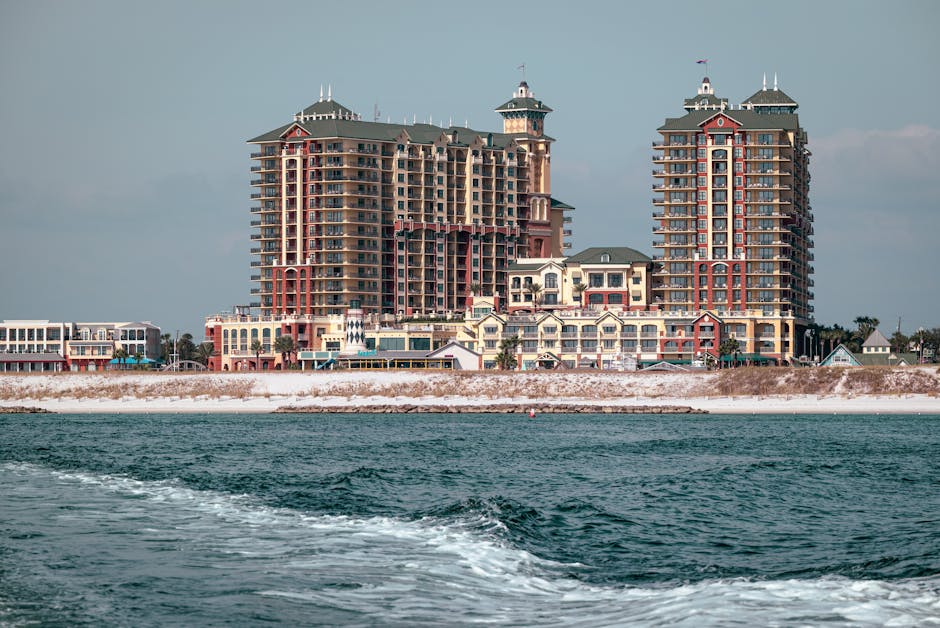
The Transformation of Tampa Waterfront into a Primary Destination
The historical perception of Tampa as a seasonal or secondary market has been permanently retired. Current market movements indicate that the local waterfront is now being treated as a primary residence hub by domestic and international capital alike. This shift is not merely anecdotal; it is supported by a fundamental change in how high-net-worth individuals are allocating their real estate portfolios within Florida. As detailed by The National Law Review, the region’s coastal properties are seeing a surge in year-round occupancy, moving away from the vacation-home model that once defined the area.
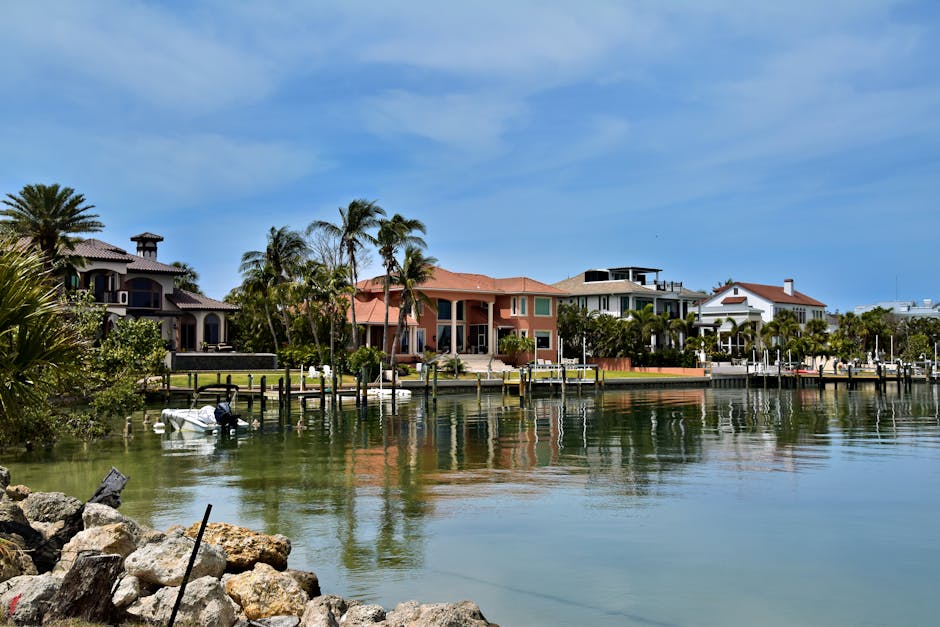
Buyers are increasingly prioritizing properties that offer a balance between sophisticated urban access and private coastal frontage. This transition has led to a compression of cap rates for investment-grade residential assets and a significant increase in the price-per-square-foot in established neighborhoods. In South Tampa and on Davis Islands, the entry-level price point for a modern waterfront estate has moved beyond the reach of the casual investor, requiring a more calculated approach to acquisition. The infrastructure improvements around the harbor have further solidified this area as the epicenter of luxury living in the Gulf Coast region.
Institutional quality developments are now mirroring the residential demand, creating a self-sustaining ecosystem of high-end retail and private services. This evolution ensures that the value proposition of a waterfront home here is anchored by more than just the view; it is anchored by a functional, high-performance lifestyle. Advisors are now seeing buyers move from markets like New York and California not just for the tax advantages, but for the maturing cultural and professional landscape that rival any major metropolitan center.
The Maturing Luxury Condo Landscape and Urban Density
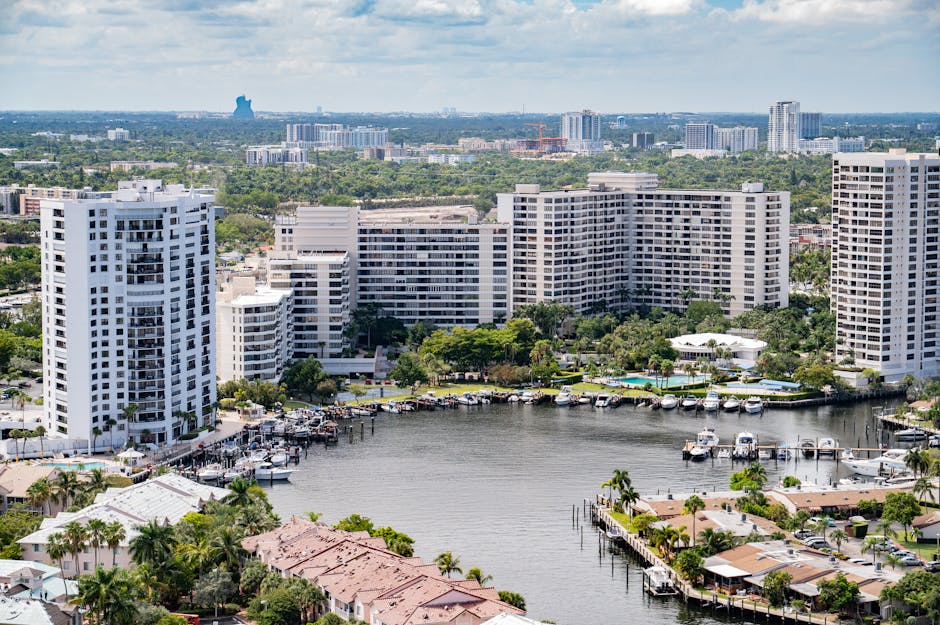
While the single-family estate remains a staple of the local market, the emergence of a high-density luxury condo sector is the defining story of the mid-2020s. Projects in Water Street and the Westshore district have introduced a level of vertical living previously unseen in the region. According to insights from Tampa Bay Business & Wealth, the city is still technically in an early-stage luxury condo cycle, which presents a unique window for early-mover advantages in premium buildings. The focus for many buyers has shifted toward full-service amenities that mitigate the logistical burdens of traditional homeownership.
Comparing these vertical options to traditional estates in Hyde Park or Culbreath Isles requires a deep dive into lifestyle efficiency. Modern high-rises offer advanced climate control systems, 24-hour security, and integrated smart-home technology that is often difficult to retroactively install in older, historic waterfront properties. However, the trade-off remains privacy and total control over the land. We are seeing a bifurcated market where younger professionals gravitate toward the vibrancy of the urban core, while established families continue to defend their positions in the more secluded neighborhoods of South Tampa.
The development of these condo projects is also influencing the surrounding single-family values. As the urban core becomes more dense and prestigious, the surrounding historic neighborhoods gain value through proximity to world-class dining and cultural institutions. This “halo effect” is a critical metric for buyers to monitor when deciding between a new-build unit and a legacy property. Strategic advisors often suggest looking at the long-term utility of the space, especially as the city continues to expand its footprint and infrastructure.
Inventory Scarcity and the Price of Scarcity
The current state of luxury inventory in the market is characterized by a persistent lack of high-quality supply. With only 120 active luxury listings currently available, the competition for trophy properties remains intense. The median list price has stabilized around $2,500,000, but the average list price of $3,301,397 reveals the heavy weighting of the upper-tier market. When a property like 2 Troutwater Ln or 7705 Gardner Road enters the market, it is often vetted by multiple pre-qualified parties within the first 48 hours, highlighting the need for buyers to be positioned for immediate action.
Scarcity is particularly acute for properties that do not require significant renovation. Modern, turnkey estates are commanding a premium that far exceeds the cost of construction and land combined, simply because of the time-value of moving in immediately. For many affluent buyers, the two-year wait for a custom build is an unacceptable delay, leading to bidding wars on recently completed architectural masterpieces. This environment rewards those who have deep relationships with advisors who can identify off-market opportunities before they hit the public portals.
Furthermore, the diversification of property types—from residential estates to large-scale land holdings—shows that the buyer profile is becoming more sophisticated. Some are looking at land as a long-term hedge, while others are focusing on commercial-sale opportunities within the luxury residential sphere. Understanding the nuances of these different asset classes is essential for anyone looking to deploy significant capital in the current environment. Analyzing the recent records in the Tampa Bay Times underscores that the ceiling for high-end transactions is continually being pushed upward.
- Verify the structural integrity of seawalls and dockage for vessels over 50 feet.
- Assess the impact of recent and upcoming FEMA flood map revisions on insurance premiums.
- Evaluate the density of surrounding short-term rental activity to ensure long-term privacy.
- Analyze the proximity to private aviation hubs such as Tampa International and Peter O. Knight.
- Review the architectural consistency and historical preservation mandates of the specific neighborhood.
- Inspect the home’s integration with high-speed fiber connectivity and backup power systems.
Regional Expansion and Comparative Value Analysis
While the focus remains on the core Tampa market, the broader regional expansion cannot be ignored. The development of massive residential communities in nearby areas is providing a pressure valve for the increasing demand. For instance, developers in Sarasota are proposing over 300 single-family homes in Lakewood Ranch, as reported by The Business Journals. This regional growth actually enhances the value of central Tampa properties, as the city further establishes itself as the employment and entertainment capital of the Florida Gulf Coast.
Buyers often compare the suburban sprawl of these newer developments with the established prestige of South Tampa. While the former offers more square footage for the dollar, the latter provides the irreplaceable value of location and historical significance. When analyzing a portfolio, it is often wise to balance a high-growth suburban asset with a stable, high-value urban residence. This regional perspective allows for a more comprehensive understanding of where the “path of progress” is moving and how to position one’s real estate holdings accordingly.
The interconnectedness of the Tampa, St. Petersburg, and Sarasota markets is stronger than ever. Many buyers work in one city while living in another, leading to a more unified luxury corridor. This trend is supported by improved transportation links and the continued migration of major corporations to the area. Monitoring broader state-wide trends via Florida Trend provides the necessary macro-context to understand how regional shifts affect local property values in neighborhoods like Beach Park or Palma Ceia.
Urban Maturity and the Impact of Large-Scale Events
The logistical reality of living in a rapidly growing city is another factor that savvy buyers must consider. Large-scale events, such as the major K-Pop weekends and festivals, often draw tens of thousands of visitors to the downtown area. According to wtsp.com, these events create significant traffic and logistical challenges. For the luxury buyer, this means choosing a location that offers easy egress and ingress even during peak tourist or event seasons. Davis Islands and Westshore remain popular specifically because they offer a buffer from the downtown congestion while remaining minutes away from the activity.
This urban maturity is a double-edged sword; it brings the amenities and culture that affluent residents desire, but it also introduces the complexities of a major city. Managing these factors requires an advisor who understands the micro-movements of traffic and neighborhood accessibility. The ability to navigate the city seamlessly is a luxury in itself, and it is a primary consideration for those who value their time as much as their privacy. Selecting a residence that allows for a quiet retreat without sacrificing urban convenience is the hallmark of a successful acquisition.
The long-term planning of city officials to manage this growth is a positive sign for property values. Investments in transit and public spaces ensure that the city remains livable even as it becomes more dense. For buyers, the presence of these events is a signal of a healthy, vibrant economy that will continue to attract high-paying jobs and further investment. The goal is to find the “quiet pocket” within this growth—a property that benefits from the appreciation without being negatively impacted by the daily bustle of a top-tier metropolitan area.
Final Decision-Useful Guidance for the 2026 Market
As we move through the middle of 2026, the strategy for luxury acquisition should remain focused on long-term utility and fundamental value. The days of speculative flipping in the high-end sector have largely been replaced by a more disciplined approach centered on property quality and location stability. Buyers should prioritize the “un-reproducible” qualities of a property—such as open bay views, oversized corner lots in historic districts, or deep-water dockage—over cosmetic finishes that can be easily replicated. These are the attributes that will hold value regardless of broader market fluctuations.
It is also essential to conduct exhaustive due diligence on the “invisible” factors of a property, including seawall health and digital infrastructure. A property that looks perfect on the surface can have significant underlying costs if these elements have been neglected. Working with a dedicated advisor who has a network of specialized inspectors and engineers is not just a luxury; it is a necessity for protecting one’s investment. The complexity of the current market demands a higher level of scrutiny and a more patient approach to the transaction process.
Successful buyers in this environment are those who stay informed on local movement but are prepared to act decisively when a property meets their core criteria. With limited inventory and a high average list price of $3.3M, the window of opportunity is often small. To stay ahead of the market, it is vital to have your financing and legal teams ready before you begin your search in earnest. Understanding the nuances of the local landscape will allow you to navigate the complexities of 2026 with confidence and clarity.
The Tampa luxury market continues to offer exceptional opportunities for those who understand its evolving dynamics and prioritize long-term value. Whether you are looking for a high-rise sanctuary in the urban core or a sprawling waterfront estate with private dockage, the key is to move with data-backed precision. We invite you to explore the current inventory to identify your next acquisition and reach out to our team to discuss your specific portfolio requirements. To view the most exclusive opportunities currently available, please browse our LISTINGS URL and CONTACT URL to schedule a private consultation with one of our senior advisors.
Your next move in Tampa luxury
Get current inventory, pricing guidance, and private-tour support from our brokerage team.
Source highlights
- Sarasota developer proposes 300 single-family homes in Lakewood Ranch – The Business Journals
- Tampa Bay’s most expensive luxury home sales of 2025 – Tampa Bay Times
- Why Tampa remains an early-stage luxury condo market – Tampa Bay Business & Wealth
- Tampa Bay’s Waterfront Emerges as a Primary Luxury Real Estate Market – The National Law Review
- Florida Trend Real Estate – Florida Trend
- New Signature Real Estate Team Emerges Across Tampa Bay: The Nick Janovsky Group Launches with Premier Sotheby’s International Realty – citybiz
- Things To Do In Tampa This Weekend: Best Festivals & Events Going On – That's So Tampa
- Things To Do In St Pete This Weekend: Best Festivals & Events Going On In St Petersburg – I Love the Burg



