



The Transition to a Primary Luxury Destination
Tampa has undergone a fundamental shift in its real estate identity over the last several years. What was once viewed as a high-growth secondary market for seasonal residents has matured into a primary destination for permanent wealth relocation. This evolution is characterized by a sophisticated buyer profile that prioritizes long-term utility, architectural integrity, and proximity to institutional-grade amenities. The local inventory currently reflects this maturity, with approximately 120 active luxury listings commanding a median list price of $2,500,000. This pricing floor is no longer an anomaly but a baseline for entry into the city’s most established residential pockets.
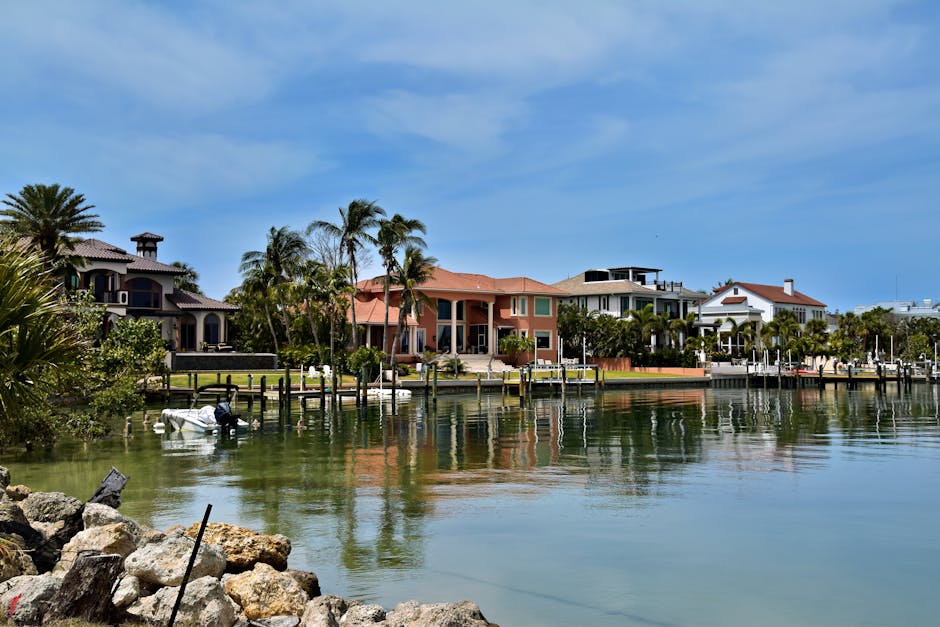
The distinction of being a primary luxury market carries significant implications for valuation and liquidity. Unlike speculative vacation markets, primary markets tend to exhibit greater resilience during broader economic fluctuations due to the high concentration of owner-occupied estates and substantial equity positions. Recent reporting from The National Law Review confirms that Tampa Bay’s waterfront has officially emerged as a primary luxury real estate market, signaling to institutional investors and private advisors that the region has achieved a new tier of stability and demand. This transition is visible in the rapid absorption of inventory in areas where buyers seek a permanent base rather than a transient retreat.
For the discerning advisor, understanding this shift means looking beyond surface-level aesthetics. It requires an analysis of the structural movement of capital from traditional northern hubs into the West Florida corridor. Buyers are no longer just looking for a seasonal escape; they are seeking to establish headquarters for their family and business interests. This is evidenced by the types of properties currently moving, such as the $3,000,000 estate on Gardner Road or the $2,650,000 residence on Troutwater Lane, both of which offer the scale and privacy required for year-round residency. To see the full scope of available inventory in this category, one should browse current luxury listings to understand the diversity of the current stock.
Evaluating the Scarcity of Waterfront Assets
Waterfront property remains the most aggressive driver of valuation within the local market, yet the definition of ‘premium’ is narrowing. Sophisticated buyers are increasingly focused on the quality of the water access and the elevation of the parcel. The premium delta between open bay frontage and canal-front property has widened as buyers place a higher value on unobstructed views and the ability to accommodate deeper draft vessels. This trend is particularly evident in neighborhoods like Davis Islands and Culbreath Isles, where the limited supply of deep-water lots has created a highly competitive environment for the few remaining legacy parcels.
While waterfront sales of 2025 set new benchmarks for the region, as detailed by the Tampa Bay Times, the focus for 2026 has shifted toward the sustainability of these valuations. High-net-worth individuals are performing deeper due diligence on coastal resilience and seawall integrity before committing to record-breaking acquisition prices. This analytical approach to buying has led to a more rationalized market where price is dictated by a combination of rarity, utility, and risk mitigation. The ‘allure of the shore’ is now balanced with a pragmatic assessment of long-term maintenance and protection costs.
Neighborhoods such as Beach Park and Snell Isle continue to see strong demand, but the movement of capital is also flowing toward high-end inland estates that offer comparable privacy without the coastal exposure. The average list price of $3,301,397 reflects a market where the upper echelon of properties—those exceeding 5,000 square feet with significant land value—are skewing the data upward. For those navigating these high-stakes acquisitions, it is essential to contact a private advisor to ensure that the valuation of a specific parcel aligns with the current velocity of the waterfront sub-sector.
The Evolution of the High-Rise Sector
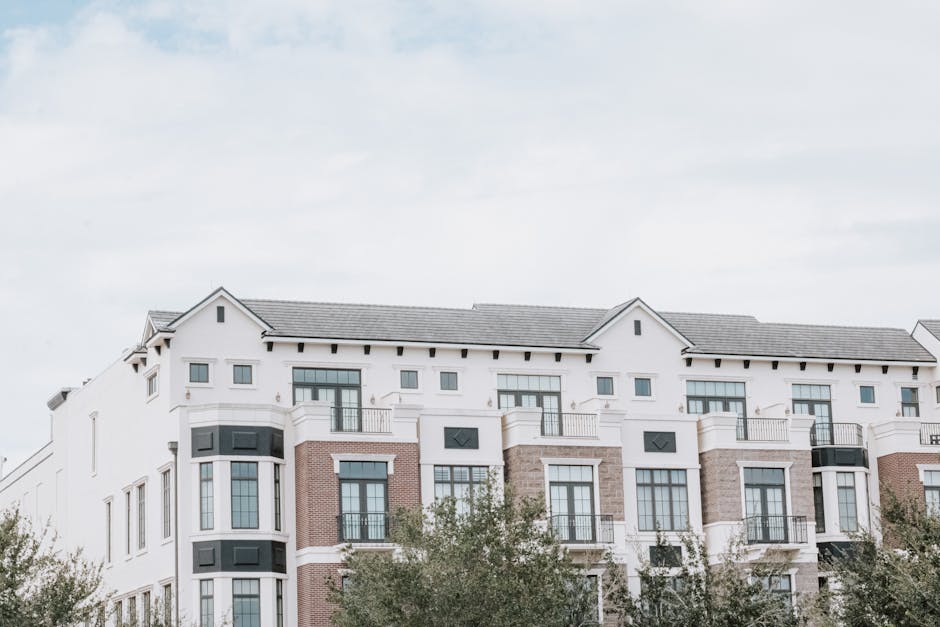
Tampa’s vertical skyline is entering a new phase of development that caters specifically to the requirements of the global luxury buyer. For years, the region lacked the ultra-luxury condominium offerings found in Miami or New York, but that gap is closing rapidly. However, as noted by Tampa Bay Business & Wealth, the city remains an early-stage luxury condo market. This presents a unique window for buyers to secure assets in developments that are redefining the standards for service, security, and amenities in the region.
The move toward high-rise living in Tampa is often driven by a desire for a low-maintenance lifestyle combined with the walkability of urban centers like Water Street and the Westshore District. These ‘vertical estates’ are increasingly offering floor plans that rival single-family homes in square footage, featuring expansive terraces and private elevators. The appeal lies in the integration of residential life with professional and social spheres, allowing for a seamless transition between the boardroom and the home. The current pipeline of projects suggests a continued emphasis on wellness-focused amenities and concierge services that go far beyond standard valet parking.
Comparing the condo market to the single-family estate market requires a nuanced understanding of lifestyle priorities. While a single-family home in Hyde Park offers historical prestige and privacy, a high-rise residence in the downtown core provides an level of security and convenience that is difficult to replicate on a private lot. Investors are closely watching the delivery of these units, as they will likely set the tone for the city’s urban density and overall luxury appeal over the next decade. The institutional growth of the region, as tracked by Florida Trend, suggests that the demand for these centralized luxury hubs will only increase as more corporate entities establish a presence in the bay area.
Strategic Due Diligence for High-Net-Worth Buyers
Acquiring a luxury asset in the current environment requires a departure from traditional residential buying patterns. The complexity of these transactions—often involving multiple entities, historical preservation overlays, or complex environmental regulations—demands a rigorous analytical approach. Buyers must look beyond the staging and the view to evaluate the structural and legal health of the property. In a market where median prices are elevated, the cost of a due diligence oversight can be substantial.
- Verification of seawall age and structural integrity for all waterfront parcels.
- Assessment of historical preservation restrictions in neighborhoods like Hyde Park and Old Seminole Heights.
- Evaluation of the ‘effective age’ of the home’s mechanical systems versus its aesthetic updates.
- Analysis of the immediate sub-pocket’s historical appreciation compared to the city-wide average.
- Review of riparian rights and dock permitting history to ensure future maritime utility.
- Assessment of proximity to future infrastructure projects that could impact noise levels or privacy.
Each of these points represents a critical data node in the decision-making process. For example, a home that appears modernized may still rely on infrastructure that does not meet the standards of a primary luxury residence. Similarly, the legal rights associated with a waterfront lot can vary significantly from one block to the next. A successful acquisition is one where the buyer is fully aware of both the tangible and intangible attributes of the property before the closing date.
Neighborhood Nuance and the Diversification of Value
The Tampa luxury market is not a monolith; it is a collection of distinct sub-markets, each with its own valuation drivers. Davis Islands remains the pinnacle for many due to its island lifestyle and proximity to the downtown core, yet the architectural diversity there is vast. From Mediterranean Revival estates to ultra-modern concrete structures, the island offers a variety of entry points for the high-end buyer. Meanwhile, the brick-lined streets of Hyde Park continue to attract those who value historical context and the ability to walk to high-end retail and dining.
Further west, neighborhoods like Culbreath Isles and Beach Park offer a more suburban feel with larger lot sizes and a high degree of privacy. These areas are particularly popular with families who prioritize security and a sense of community. The movement of developers into neighboring areas, such as the 300-home proposal in Lakewood Ranch, highlights the broader regional demand for high-quality residential environments. This regional pressure often trickles down to Tampa’s core neighborhoods, as buyers seek the proximity to the city’s financial and cultural centers that outlying areas cannot provide.
Understanding the pulse of the city is also a key factor in choosing the right location. The city’s growth is visible in its packed event calendar, from high-profile concerts to festivals that draw tens of thousands. Navigating the local traffic and energy, such as during a packed weekend of festivals and downtown fun, provides a sense of how the city functions at scale. For the primary resident, knowing how a neighborhood interacts with the city’s larger ecosystem is as important as the floor plan of the house itself.
The Role of Market Timing and Inventory Management
With only 120 luxury homes currently on the market, inventory remains tight by historical standards. This scarcity has created a ‘buy-side’ urgency for the highest quality assets, even as interest rate environments fluctuate. For the cash-heavy luxury buyer, the focus is less on financing costs and more on the opportunity cost of missing a rare property. High-quality listings that are priced correctly are moving quickly, while those with structural or aesthetic deficiencies are sitting longer as buyers become more discerning.
Timing an entry into the Tampa market requires a balance of patience and decisiveness. While it may be tempting to wait for a broader market correction, the reality is that the supply of prime waterfront and historic inland lots is finite. The institutional tailwinds—driven by corporate relocations and significant infrastructure investment—provide a floor for valuations that did not exist in previous cycles. Buyers should monitor the velocity of sales in their target neighborhoods to understand when a ‘fair value’ opportunity arises.
Analyzing the average list price of over $3.3 million reveals that the market is currently top-heavy, with a significant portion of the value tied up in ultra-premium estates. This creates a challenging environment for those looking in the $2,000,000 to $3,000,000 range, where competition from both local and out-of-state buyers is most intense. To navigate this landscape effectively, it is necessary to have a clear understanding of your non-negotiables versus your ‘nice-to-haves’ before engaging in a serious search.
Final Considerations for the Sophisticated Buyer
The Tampa luxury market is no longer a secret; it is a globally recognized destination for high-net-worth individuals seeking a combination of value, lifestyle, and growth. Success in this market depends on the ability to separate temporary trends from long-term value drivers. Whether your interest lies in the historic charm of a Hyde Park manor or the modern efficiency of a Water Street penthouse, the fundamental principles of location, scarcity, and quality remain the ultimate arbiters of value.
The path forward involves a meticulous review of current inventory and a strategic partnership with an advisor who understands the jurisdictional nuances of the Tampa Bay area. As the city continues to mature and its skyline expands, those who secure high-quality assets today will be well-positioned to benefit from the region’s continued trajectory as a premier primary market. The data suggests a market that is healthy, rationalized, and ready for the next generation of leadership and investment.
To begin your search for a primary residence or a strategic real estate asset, we invite you to browse our curated selection of listings. For a private consultation regarding market valuation or to discuss a specific property in our portfolio, please contact an advisor today to ensure your next move is backed by local expertise and analytical rigor.
Your next move in Tampa luxury
Get current inventory, pricing guidance, and private-tour support from our brokerage team.
Source highlights
- Sarasota developer proposes 300 single-family homes in Lakewood Ranch – The Business Journals
- Tampa Bay’s most expensive luxury home sales of 2025 – Tampa Bay Times
- Why Tampa remains an early-stage luxury condo market – Tampa Bay Business & Wealth
- Tampa Bay’s Waterfront Emerges as a Primary Luxury Real Estate Market – The National Law Review
- Florida Trend Real Estate – Florida Trend
- New Signature Real Estate Team Emerges Across Tampa Bay: The Nick Janovsky Group Launches with Premier Sotheby’s International Realty – citybiz
- Things To Do In Tampa This Weekend: Best Festivals & Events Going On – That's So Tampa
- Things To Do In St Pete This Weekend: Best Festivals & Events Going On In St Petersburg – I Love the Burg



