


The Transition to a Primary Luxury Market
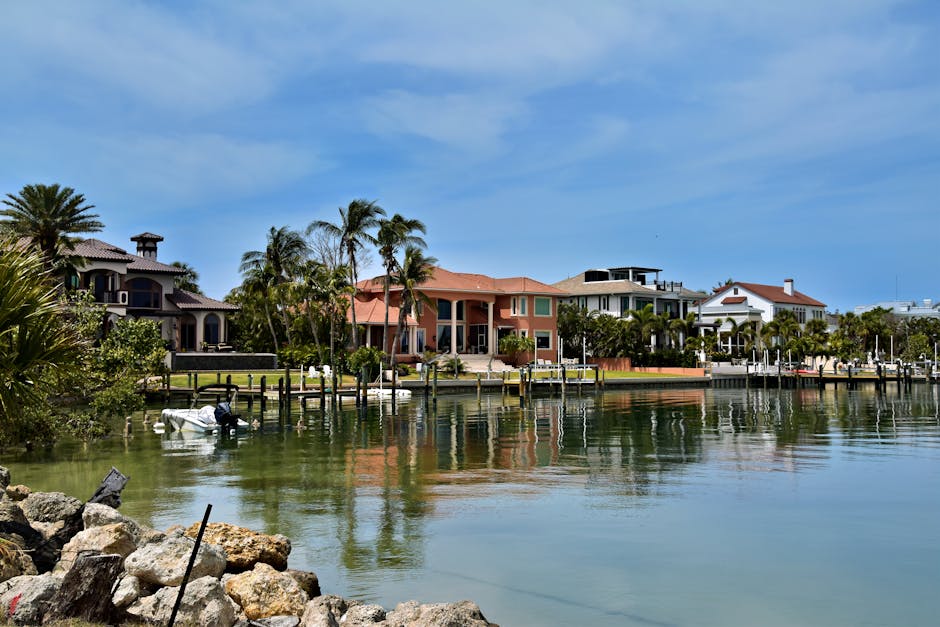
The Tampa Bay luxury real estate landscape has undergone a fundamental structural shift, moving away from its historical classification as a seasonal or secondary market. For the sophisticated buyer, the current environment represents a maturation phase where the region is increasingly viewed as a primary residence destination. This transition is backed by a steady influx of institutional capital and a sustained demand for high-caliber residential assets that offer both utility and long-term value preservation. As noted in recent analysis of the Tampa waterfront emergence, the drive toward waterfront living is no longer merely about leisure; it is about the integration of professional proximity and private sanctuary.
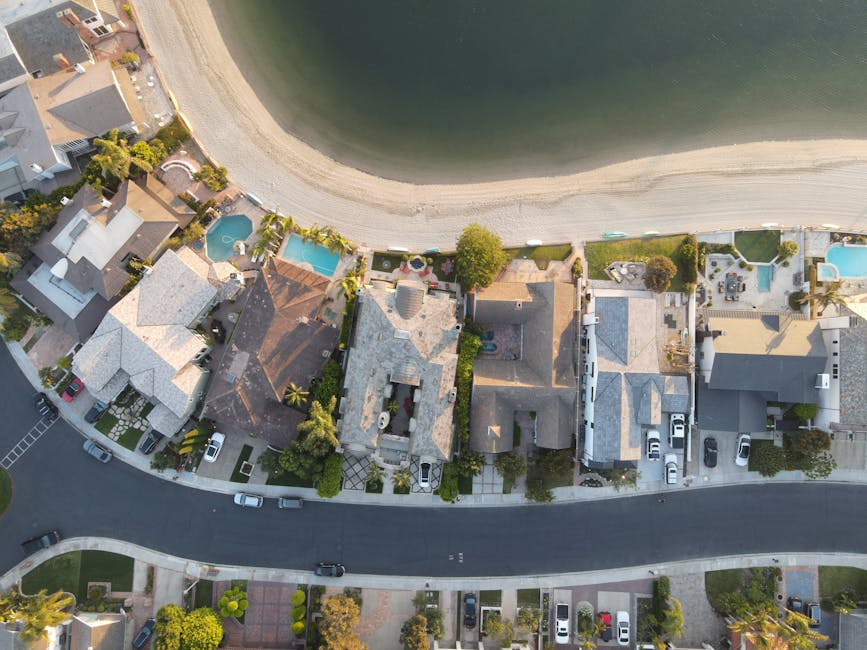
Current inventory metrics reflect this professionalization of the market. With a median list price established at $2,499,000 across the top-tier segment, the entry point for true luxury has solidified. Buyers are no longer navigating a speculative bubble but are instead participating in a market defined by low supply and high-intent demand. The active luxury count of approximately 120 units indicates a curated selection of properties, ranging from modern architectural statements on Davis Islands to expansive estates in the Gardner Road corridor. This scarcity underscores the importance of precision in acquisition strategies, particularly as the average list price climbs toward the $3.2 million mark.
Understanding the nuances of these micro-markets requires more than a cursory glance at general listings. In areas like Beach Park and Culbreath Isles, the focus has shifted toward technological integration and resilient construction. Discerning advisors now prioritize structural integrity and site elevation alongside aesthetic appeal. This analytical approach ensures that capital is deployed into assets that can withstand the evolving environmental and economic pressures of the Gulf Coast, moving beyond superficial metrics to evaluate the true underlying value of a property.

The Evolving Landscape of the High-End Condo Market
The condominium sector in Tampa Bay is currently in what experts define as an early-stage luxury phase. Unlike established markets such as Miami or Naples, Tampa is still defining its high-rise identity, offering a unique window for early entry into prestigious developments. According to insights on early-stage luxury condo markets, the region is seeing a shift toward larger, estate-style floor plans that mirror the square footage of single-family homes but offer the security and amenities of a vertical community. This trend is particularly evident along the Bayshore Boulevard corridor, where new developments are prioritizing privacy and exclusive access.
In nearby St. Petersburg, the definition of luxury is also shifting as the city evolves. The downtown core is witnessing a diversification of residential offerings that cater to a global demographic. As reported by The Business Journals, the evolution of the city’s condo inventory is directly tied to the expansion of its cultural and commercial infrastructure. For the luxury buyer, this means that the choice between a mainland estate and a coastal high-rise is increasingly a matter of lifestyle preference rather than a trade-off in quality or status.
Evaluating these opportunities requires a deep understanding of developer track records and the long-term viability of the surrounding neighborhood. The maturity of the condo market is not just measured by the height of the buildings but by the services provided. Concierge levels, private garage options, and advanced security protocols have become the new standard. Buyers who are accustomed to international luxury standards will find that the latest wave of Tampa developments is finally meeting, and in some cases exceeding, these expectations, making it a critical time to review current LISTINGS URL for emerging opportunities.
Waterfront Due Diligence and Site Specifics
Acquiring waterfront property in Tampa Bay demands a rigorous due diligence process that goes beyond standard inspections. The complexity of maritime law, riparian rights, and coastal construction requirements means that every transaction must be handled with surgical precision. For properties like those found on Troutwater Lane or along the Memorial Highway, understanding the specifics of sea wall maintenance and dock permitting is essential. These physical attributes are not just amenities; they are critical components of the property’s valuation and long-term liquidity.
Environmental considerations are also paramount. Sophisticated buyers are increasingly looking at elevation certificates and historical flood data as part of their initial assessment. This is not about risk aversion but about informed risk management. In the luxury tier, where properties like 7705 Gardner Road represent significant capital investments, the ability to verify the resilience of the building envelope and the site’s drainage capacity is a competitive advantage. Advisors who specialize in this segment provide the data-backed insights necessary to make these determinations with confidence.
- Verify the structural integrity and remaining lifespan of existing sea walls and docks.
- Assess the property’s elevation in relation to updated FEMA maps and local drainage patterns.
- Review riparian rights and potential setbacks for future expansion or renovation.
- Analyze the historical appreciation of waterfront assets in specific micro-neighborhoods.
- Confirm the availability and cost of comprehensive coastal insurance coverage.
The movement of the market is also influenced by the availability of land. As the inventory of existing homes remains tight, the value of prime lots has escalated. Land sales are now a significant portion of the luxury market, with buyers often opting to scrape older structures to make way for custom builds. This trend highlights the intrinsic value of the location over the existing improvements. Navigating this process requires coordination with architects, engineers, and local planning departments to ensure that the vision for a custom estate is achievable within the current regulatory framework.
Buyer Behavior and Market Liquidity
Today’s luxury buyer in Tampa is characterized by a high degree of financial literacy and a preference for data-backed decision-making. The “wait and see” approach has been replaced by a “search and strike” mentality, where buyers are ready to move quickly when an asset meets their specific criteria. This behavior is driven by the realization that quality inventory is finite. Market liquidity in the $3 million-plus segment remains surprisingly robust, supported by a mix of local entrepreneurs and domestic migrants who are prioritizing the Florida business climate and lifestyle.
This shift in behavior is also reflected in the types of properties that are seeing the fastest turnover. Turn-key estates with modern floor plans and high-end finishes are commanding a premium. Buyers are increasingly reluctant to take on major renovation projects, preferring instead to pay for the convenience of immediate occupancy. This has created a bifurcated market where “ready-to-live” properties move quickly, while those requiring updates sit longer on the market, regardless of their location. This trend is a clear indicator that time has become the ultimate luxury for the modern affluent buyer.
According to research from Florida Trend, the broader economic stability of the state continues to act as a tailwind for the real estate sector. The influx of high-net-worth individuals is not just a housing trend but a demographic shift that is altering the commercial and social fabric of the region. As more residents establish their primary base in Tampa, the demand for high-end retail, private education, and exclusive social clubs continues to rise, further cementing the region’s status as a top-tier metropolitan area.
Architectural Trends and Asset Longevity
The architectural language of Tampa’s luxury homes is evolving toward a more sophisticated, contemporary aesthetic. While Mediterranean Revival and traditional styles still hold a place in the market, there is a clear movement toward clean lines, expansive glass, and seamless indoor-outdoor living spaces. These designs are not just about visual appeal; they are functional responses to the Florida climate. Passive cooling techniques, high-performance glazing, and integrated landscaping are becoming standard features in the most desirable new constructions.
Longevity is the core focus of these modern builds. Using materials that can withstand the salt air and high humidity is essential for maintaining the value of the asset. Stone, high-grade concrete, and specialized alloys are replacing more traditional, maintenance-heavy materials. For the long-term investor, the depreciation of the physical structure is a critical factor to consider. Properties that utilize high-performance building materials will naturally maintain their value better than those that rely on superficial finishes. This technical perspective is vital when evaluating the current inventory of LISTINGS URL.
Furthermore, the integration of smart home technology has moved from a novelty to a necessity. However, the focus has shifted from simple automation to integrated systems that manage energy efficiency, security, and air quality. High-end buyers are looking for homes that offer a holistic environment where every system can be monitored and controlled with precision. This level of technical sophistication is now a baseline expectation for any property entering the market at the seven-figure level, and it remains a key differentiator in achieving a successful sale or acquisition.
Navigating the 2026 Competitive Landscape
As we navigate the spring of 2026, the competitive landscape for luxury real estate in Tampa remains tight but navigable for those with the right advisory support. The current weather—consistent highs near 84 degrees—continues to draw prospective buyers from less temperate regions, keeping demand steady. Strategic acquisitions now require a balance of patience and decisiveness. It is essential to monitor market movements closely, as the release of even a single high-profile listing can shift the dynamics of a specific neighborhood.
For those looking to secure a position in this market, the first step is a comprehensive review of the available inventory and a clear definition of investment goals. Whether the objective is a primary residence on the water or a strategic land hold for future development, the approach must be analytical and objective. Avoid the distractions of market hype and focus on the fundamentals: location, build quality, and neighborhood trajectory. This disciplined approach ensures that every transaction is a calculated step toward a larger financial and lifestyle objective.
The complexity of the Tampa Bay market is its greatest attribute, offering a range of opportunities that are as diverse as the region itself. From the historic charm of Hyde Park to the modern luxury of Westshore, the options for sophisticated living are expanding. To successfully navigate this terrain, it is imperative to partner with a senior advisor who understands the intricacies of the local market and can provide the specific guidance needed to make informed decisions. We invite you to explore our current LISTINGS URL and CONTACT URL an advisor today to begin your strategic search.
Your next move in Tampa luxury
Get current inventory, pricing guidance, and private-tour support from our brokerage team.
Source highlights
- Downtown St. Pete's definition of luxury condos shifts as the city evolves – The Business Journals
- Tampa Bay’s most expensive luxury home sales of 2025 – Tampa Bay Times
- Tampa Bay’s Waterfront Emerges as a Primary Luxury Real Estate Market – The National Law Review
- Why Tampa remains an early-stage luxury condo market – Tampa Bay Business & Wealth
- Florida Trend Real Estate – Florida Trend
- New Signature Real Estate Team Emerges Across Tampa Bay: The Nick Janovsky Group Launches with Premier Sotheby’s International Realty – citybiz
- Things to do with kids this weekend in Tampa, FL – That's So Tampa
- Things To Do In St Pete This Weekend: Best Festivals & Events Going On In St Petersburg – I Love the Burg
Turn the market read into a private search.
Use the research, then check live inventory, land opportunities, and off-market fit with a broker before you spend time on the wrong property.



