


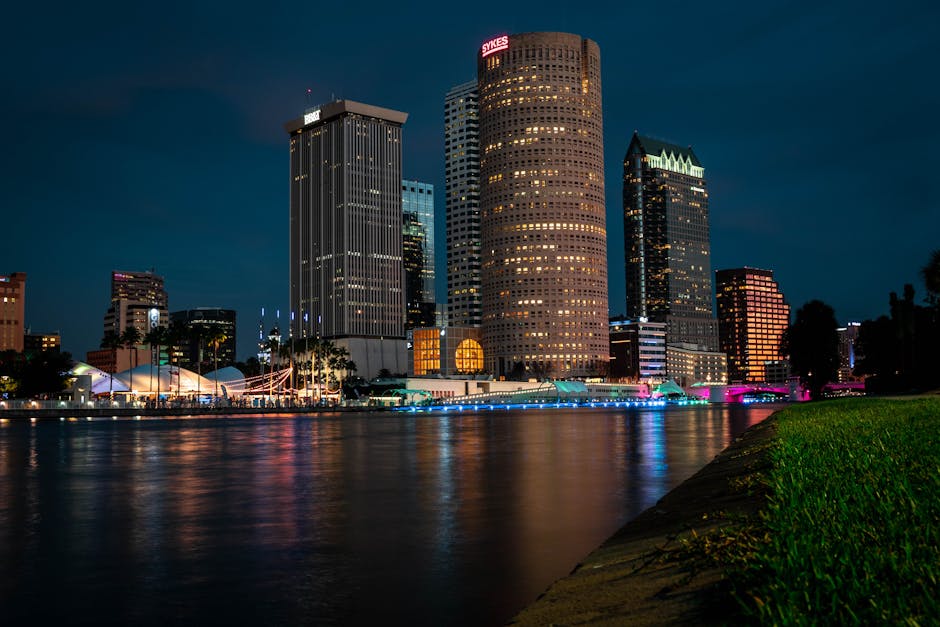
The Transition to a Primary Luxury Market
Tampa has historically been categorized as a secondary or seasonal market, a destination for high-net-worth individuals seeking winter respite rather than permanent residency. However, recent data and structural developments indicate a definitive shift toward primary market status. This evolution is driven by significant infrastructure investments, the expansion of the professional services sector, and a qualitative shift in buyer demographics. Modern buyers are no longer looking for temporary vacation outposts; they are seeking sophisticated, long-term residential assets that support a full-time professional and social calendar.
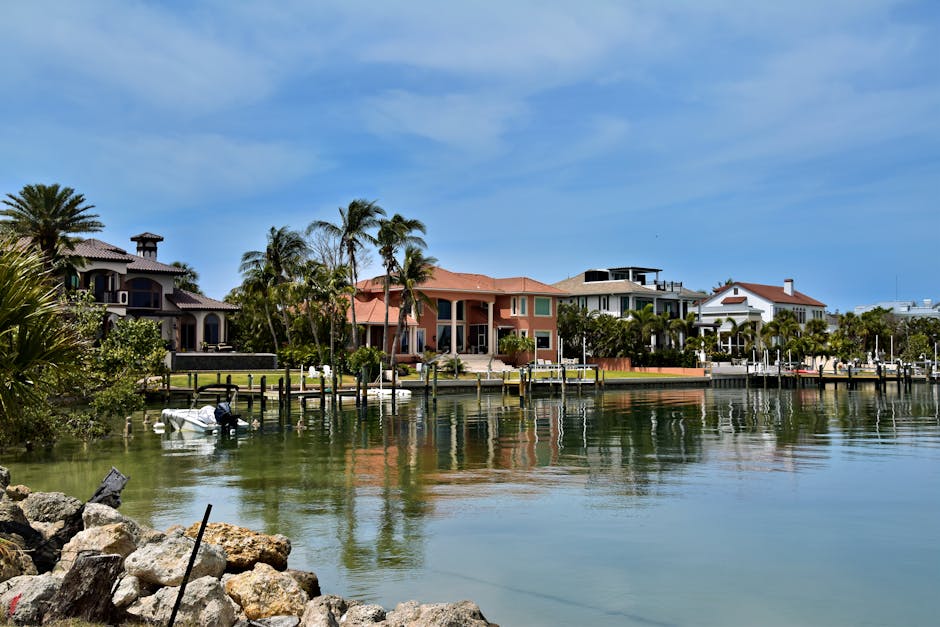
As reported by The National Law Review, the region’s waterfront is emerging as a primary luxury real estate market. This designation is critical for valuation and long-term appreciation. When a market transitions from seasonal to primary, inventory liquidity typically increases, and the volatility associated with discretionary second-home purchases stabilizes. For the sophisticated buyer, this represents a lower-risk entry point compared to purely speculative resort markets, as the underlying demand is supported by local economic growth rather than just national tourism trends.
Waterfront Scarcity and the South Tampa Premium
In South Tampa, the geography dictates a finite supply of developable land, particularly along the coast. Neighborhoods like Davis Islands and Beach Park continue to command the highest premiums due to their proximity to the urban core and deep-water access. We are seeing a trend where older structures are being systematically replaced by modern, storm-resilient estates. Buyers prioritize elevation, advanced smart-home integration, and multi-generational living spaces. The current median list price of $2,499,000 reflects this move toward higher-quality, newly constructed assets that meet contemporary building codes and aesthetic preferences.
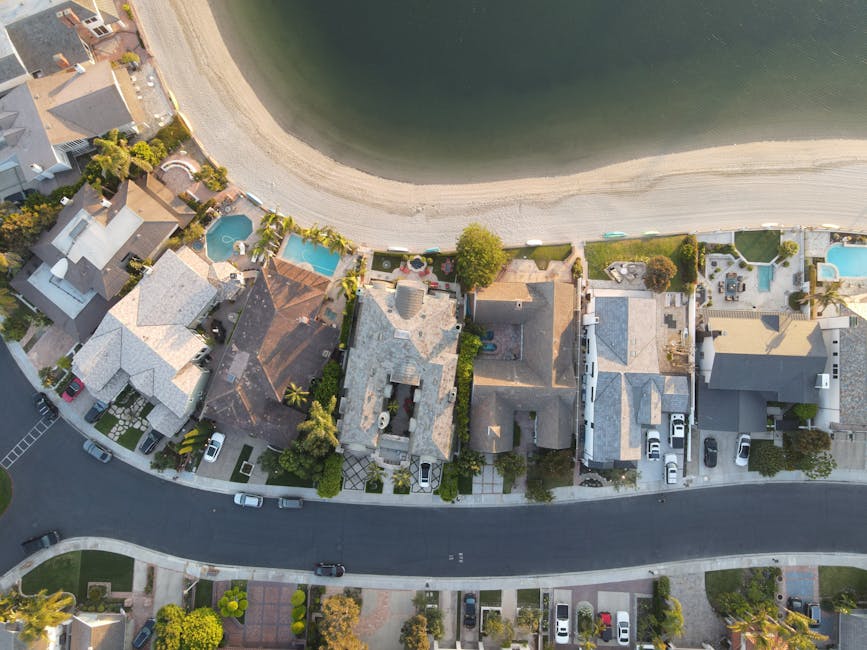
The scarcity of available waterfront lots has forced a competitive environment where off-market transactions are becoming more common. Buyers are often competing for properties like those found on Troutwater Lane or Memorial Highway, where acreage and water frontage are at a premium. This behavior suggests that the intrinsic value of the land is often equal to or greater than the existing improvements. Investors and primary residents alike must analyze the cost-per-square-foot not just on the dwelling, but on the potential for future redevelopment in high-demand pockets where inventory remains constrained at approximately 120 active luxury units.
The Vertical Shift: High-Density Luxury in Water Street and St. Pete
The skyline of the region is undergoing a radical transformation as high-density luxury developments redefine urban living. Areas like Water Street in Tampa and Beach Drive in St. Petersburg have introduced a level of vertical sophistication previously unseen in the region. These developments offer a turnkey lifestyle that appeals to both downsizing local residents and incoming professionals from major metropolitan hubs. The focus has moved from mere square footage to the quality of integrated services, including private concierge, wellness facilities, and curated culinary experiences within the building’s footprint.
According to The Business Journals, the definition of luxury condos is shifting as the city evolves. The emphasis is now on architectural significance and lifestyle connectivity. Buyers are increasingly willing to trade traditional lot size for the convenience of walkable urban districts. This shift is particularly evident in downtown St. Petersburg, where the evolution of the condo market is outpacing traditional residential growth. For buyers, the decision-making process now involves a rigorous comparison between the privacy of a suburban estate and the amenity-rich environment of a high-rise residence.
Checklist: Evaluating High-Value Tampa Assets
When assessing a luxury property in the current market, it is essential to look beyond the aesthetic finishes and evaluate the structural and logistical foundations of the asset. The following points represent the minimum standard for a high-end acquisition in the region:
- Verification of current flood zone designations and the structural integrity of sea walls for waterfront parcels.
- Assessment of smart-home infrastructure, specifically its ability to integrate future technological updates without invasive renovations.
- Analysis of surrounding commercial developments and their potential impact on local traffic patterns and property privacy.
- Review of historical price appreciation within the specific neighborhood, accounting for outlier sales in 2025.
- Evaluation of the property’s architectural provenance and its long-term relevance in an evolving design landscape.
- Confirmation of high-efficiency HVAC and window systems to mitigate the impact of the humid coastal climate.
Navigating Resale Velocity and Inventory Dynamics
The current luxury inventory in Tampa is characterized by a high degree of fragmentation. While the average list price exceeds $3.2 million, the time-on-market varies significantly based on the property’s readiness for occupancy. Move-in ready homes on Gardner Road or similar affluent corridors move at a much higher velocity than those requiring even minor cosmetic updates. This reflects a broader trend among high-net-worth buyers who value time and convenience over the potential cost savings of a renovation project. The premium for ‘new’ is at an all-time high, often resulting in multiple-offer scenarios for pristine assets.
Understanding these dynamics is crucial for sellers as well. A property that is not positioned as a turnkey solution risks stagnating on the market, regardless of its location. Buyers are utilizing data-backed strategies, often referencing Tampa Bay’s most expensive luxury home sales of 2025 to benchmark their offers. This transparency in high-end pricing has created a more efficient market where value is quickly recognized and captured. Strategic acquisition in this environment requires a deep understanding of neighborhood-level movements and the ability to act decisively when a property meets the necessary criteria.
Strategic Acquisition in an Early-Stage Condo Market
Despite the recent surge in vertical development, Tampa remains in the early stages of its luxury condo market compared to established hubs like Miami or New York. This presents a unique opportunity for early-entry capital to benefit from the ongoing maturation of the urban core. The focus of these new developments is often on creating a sense of place, integrating public art, high-end retail, and sustainable green spaces. This holistic approach to development ensures that the residential assets remain desirable as the city continues to densify and attract more institutional investment.
As noted by Florida Trend, the real estate landscape across the state is reacting to shifting migration patterns and economic diversifiers. In Tampa, this is manifesting as a demand for units that provide the space of a single-family home with the security and services of a luxury hotel. Buyers are encouraged to compare the long-term utility of these vertical assets against traditional estates, considering factors such as maintenance costs, insurance premiums, and the lifestyle benefits of living within a managed environment. The decision between vertical and horizontal luxury is increasingly a matter of individual lifestyle preference rather than a purely financial calculation.
Final Considerations for the Sophisticated Buyer
The Tampa luxury market has entered a phase of sustained maturity, characterized by a shift toward primary residency and a demand for higher quality in both construction and service. As the region continues to attract capital and talent, the value of well-positioned waterfront and urban assets is expected to remain resilient. The key to successful navigation in this market is a combination of empirical data analysis and local neighborhood expertise. Buyers should focus on assets that offer a clear path to long-term appreciation while providing the immediate utility required for a full-time residence in a climate that remains attractive year-round, with April temperatures typically averaging in the mid-twenties Celsius.
Selecting the right asset requires more than a casual search; it demands a partnership with an advisor who understands the nuances of the local landscape and the evolving needs of the high-end buyer. Whether you are seeking a secluded waterfront estate on Davis Islands or a sophisticated urban residence in the heart of the city, the current inventory offers a range of options for the discerning investor. We invite you to explore our curated collection of LISTINGS URL to identify properties that align with your strategic objectives. To discuss specific market opportunities or to schedule a private consultation, please CONTACT URL an advisor today.
Your next move in Tampa luxury
Get current inventory, pricing guidance, and private-tour support from our brokerage team.
Source highlights
- Downtown St. Pete's definition of luxury condos shifts as the city evolves – The Business Journals
- Tampa Bay’s most expensive luxury home sales of 2025 – Tampa Bay Times
- Tampa Bay’s Waterfront Emerges as a Primary Luxury Real Estate Market – The National Law Review
- Why Tampa remains an early-stage luxury condo market – Tampa Bay Business & Wealth
- Florida Trend Real Estate – Florida Trend
- New Signature Real Estate Team Emerges Across Tampa Bay: The Nick Janovsky Group Launches with Premier Sotheby’s International Realty – citybiz
- Things to do with kids this weekend in Tampa, FL – That's So Tampa
- Things To Do In St Pete This Weekend: Best Festivals & Events Going On In St Petersburg – I Love the Burg



