


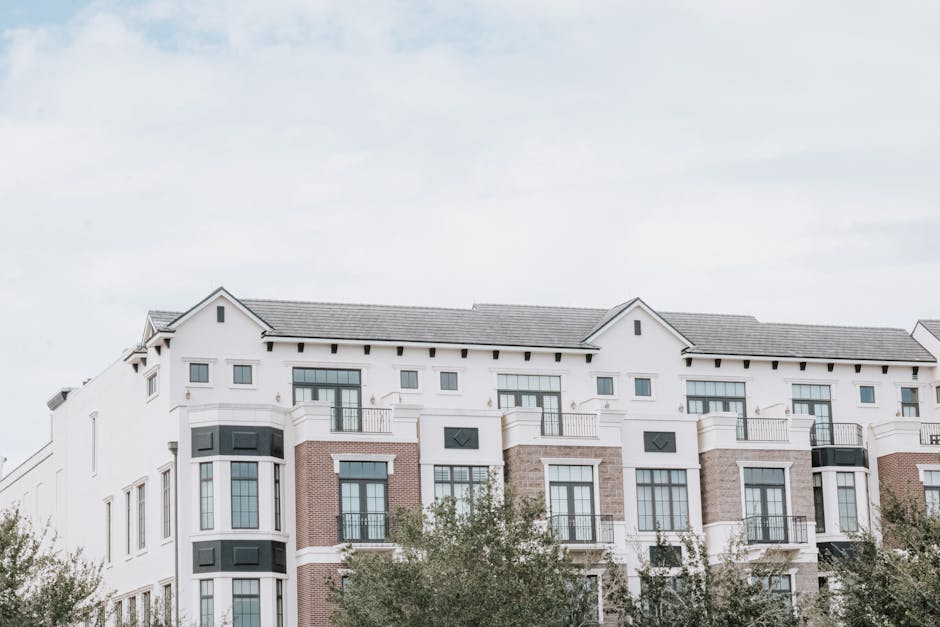
The Transition to Primary Waterfront Estates
The Tampa Bay luxury corridor is currently undergoing a structural shift in buyer intent. Historically viewed as a secondary market for seasonal residents, recent data indicates that the waterfront has emerged as a primary residential destination for high-net-worth individuals. This movement is not merely a trend but a repositioning of the region as a permanent hub for business and high-end residential living. The demand for sprawling family compounds in neighborhoods like Davis Islands and Culbreath Isles has outpaced the available inventory, signaling a long-term commitment from domestic migrants.
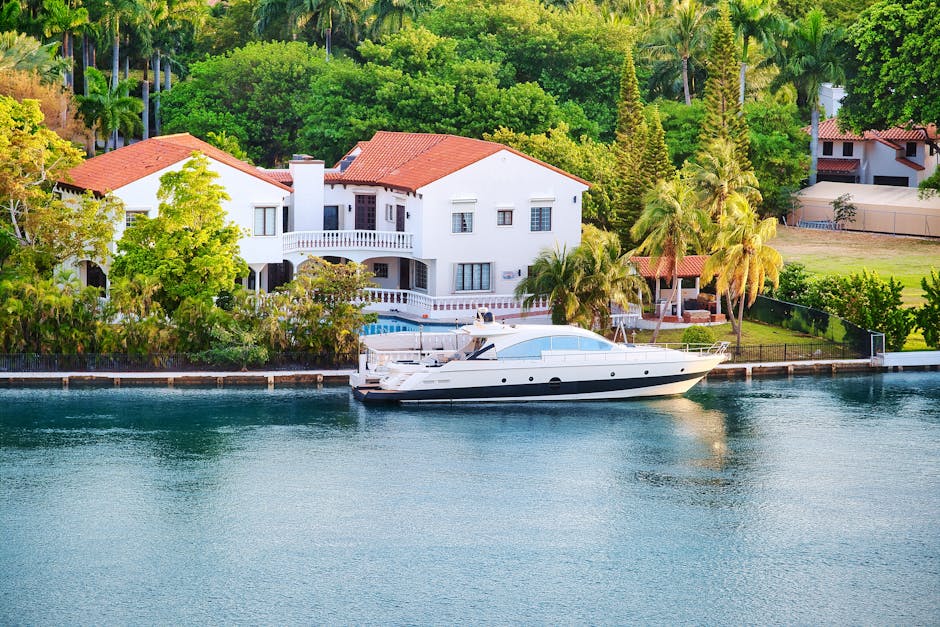
As highlighted by The National Law Review, the emergence of the waterfront as a primary market is driven by a combination of sophisticated infrastructure and the continued growth of professional services in the urban core. Buyers are increasingly prioritizing large-scale renovations or new construction that accommodates year-round occupation, moving away from the smaller footprint lock-and-leave models of previous decades. This shift necessitates a deeper understanding of local coastal construction standards and the long-term implications of maritime proximity.
The current landscape demands that buyers look beyond aesthetics. Strategic acquisitions now focus on properties that offer both privacy and connectivity to the business districts of Downtown Tampa and Water Street. We are seeing a marked increase in the acquisition of older estates for the sole purpose of site redevelopment, ensuring that the next generation of homes meets the rigorous technical and lifestyle requirements of the modern executive. Navigating this competitive space requires an advisor who understands the nuances of site selection and the underlying value of protected views.
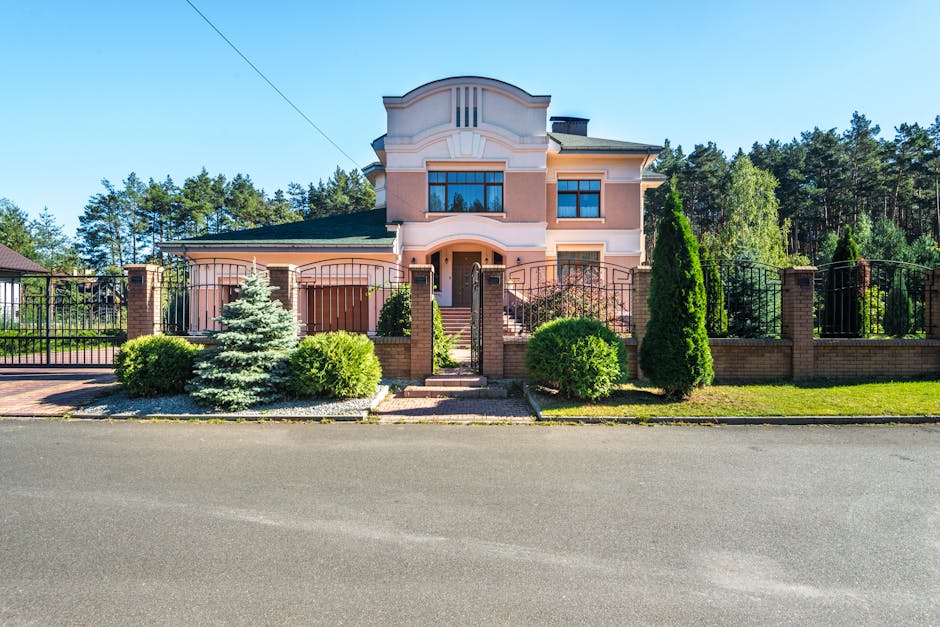
The Evolution of Vertical Luxury in St. Petersburg
While Tampa focuses on horizontal estates, Downtown St. Petersburg is redefining the vertical living experience. The skyline is no longer dominated by traditional retirement units; instead, it is being shaped by high-performance condos that cater to a younger, more active demographic. According to The Business Journals, the definition of luxury in the St. Pete condo market has shifted toward high-service environments with extensive wellness and professional amenities. This evolution reflects the city’s broader transformation into a technology and finance node.
For the strategic investor, these vertical assets represent a different value proposition. The emphasis has moved to ‘sky villas’—units that span multiple floors or offer expansive outdoor terraces that mimic the feel of a single-family home. These developments are often situated within walking distance of the cultural district, providing a lifestyle that balances urban density with the tranquility of the waterfront. Buyers are evaluating these opportunities based on the creditworthiness of the developer and the long-term viability of the building’s management structure.
Assessing these vertical properties requires a critical eye on common area maintenance and the future-proofing of amenities. As more developments reach completion in 2026, the distinction between a standard high-rise and a truly elite residence will be found in the quality of the finish and the exclusivity of the service staff. This is a competitive segment where brand heritage and architectural pedigree are becoming significant drivers of resale value. Understanding the pipeline of upcoming projects is essential for avoiding oversupply risks in specific corridors.
Inventory Metrics and Pricing Realities
The current market data reveals a disciplined pricing environment. With approximately 120 active luxury listings, the median list price has stabilized at $2,499,000, while the average list price remains near $3,275,412. This gap suggests a high concentration of ultra-high-end properties at the top of the market, often exceeding $10,000,000. Examples such as the $3,800,000 estate on Memorial Highway or the $3,000,000 offering on Gardner Road demonstrate the diverse range of inventory available, from secluded inland acreage to coastal retreats.
Prospective buyers should note that while inventory has seen a slight increase, the absorption rate for turnkey properties remains high. Homes that require significant modernization are lingering on the market, creating opportunities for those with the resources to manage extensive renovations. Conversely, brand-new constructions, such as those found on Troutwater Lane, are commanding premium prices due to their adherence to the latest building codes and energy-efficient standards. This bifurcation in the market underscores the importance of accurate valuation based on condition and location-specific demand.
Strategic buyers are currently focusing on neighborhoods with high barrier-to-entry characteristics. Areas that offer deed-restricted privacy or unique geographic advantages, such as South Tampa’s peninsula, continue to show resilience in pricing. The goal is to identify assets where the land value represents a significant portion of the total investment, providing a hedge against market fluctuations. Monitoring the movement of the median price point provides a baseline, but the real opportunities often lie in the granular details of neighborhood-level sales data.
Critical Due Diligence for Tampa Acquisitions
Success in the Tampa luxury sector requires more than a standard inspection. Buyers must perform deep-level due diligence to ensure the long-term integrity of their investment. This is particularly true in coastal areas where environmental factors play a decisive role in property maintenance and insurance costs. Advisors are increasingly recommending specialized consultations for seawall structural integrity and advanced flood mitigation systems prior to closing.
- Verification of seawall height and structural reinforcement status for waterfront lots.
- Assessment of smart-home integration and cybersecurity infrastructure within the residence.
- Review of historical drainage performance and local municipal infrastructure improvements.
- Evaluation of neighboring land use and potential for future density changes.
- Audit of HOA or COA financial reserves and long-term capital improvement plans.
- Confirmation of impact-rated glazing and roof-to-foundation strapping for storm resilience.
Beyond the physical structure, the legal and zoning landscape must be scrutinized. As noted by Florida Trend, the regulatory environment for Florida real estate is continually evolving to address environmental and insurance challenges. Understanding how local zoning ordinances might impact a future expansion or the construction of a guest house is vital. A comprehensive approach to due diligence mitigates risk and ensures that the property can adapt to the buyer’s changing needs over time.
Infrastructure and Regional Connectivity
The long-term value of a luxury property in Tampa is inextricably linked to regional connectivity. The developments shaping the bay in 2026, as discussed by Tampa Bay Business & Wealth, focus on creating seamless links between residential pockets and commercial centers. Projects like the expansion of the Westshore business district and the continued maturation of the Water Street corridor are significant factors in property appreciation. Location choice is now as much about commute efficiency as it is about the view.
Traffic patterns and event-driven congestion are practical considerations for the daily lives of residents. Major events, such as the upcoming Memorial Day weekend takeover announced by WWE, can significantly impact local mobility in the downtown and entertainment districts. Local officials frequently advise on heavy traffic expectations during these periods, as reported by FOX 13 Tampa Bay. Discerning buyers often prefer locations that offer multiple points of egress or are situated just outside the primary event zones to maintain their privacy and ease of movement.
Future infrastructure improvements, including potential transit expansions and bridge enhancements, should be factored into the acquisition strategy. A property that is currently isolated may become highly connected in the next five years, significantly altering its value profile. Conversely, a location currently experiencing high growth may face future density challenges that could impact quiet enjoyment. Evaluating these macro-trends ensures that an acquisition aligns with both immediate lifestyle needs and long-term financial objectives.
The Shift in Buyer Behavior and Demand
The 2026 luxury buyer is characterized by a demand for immediate utility. There is a diminishing appetite for ‘project’ homes among the top tier of buyers, who instead prioritize turnkey residences with professional-grade kitchens, integrated wellness suites, and dedicated home office environments. This preference for move-in-ready assets has created a premium for newly completed or recently renovated estates. The ability to bypass the complexities of the current construction market is seen as a significant luxury in itself.
Buyer behavior is also being influenced by a desire for more discreet luxury. We are seeing a move away from overly ornate architectural styles in favor of clean lines, natural materials, and biophilic design elements that emphasize a connection to the Florida landscape. This ‘quiet luxury’ approach is particularly evident in the high-end markets of Harbour Island and Beach Park, where the focus is on quality of craftsmanship rather than outward display. This aesthetic shift is expected to hold its value better than more transient design trends.
Finally, the role of technology in the home has moved from a novelty to a necessity. High-speed connectivity, off-grid power backups, and advanced security systems are now standard requirements for properties at the $3,000,000+ price point. Buyers are looking for homes that function as self-contained ecosystems, capable of supporting both high-stakes professional work and private family life. This demand for ‘resilient luxury’ is a defining characteristic of the current market cycle and one that sellers must address to remain competitive.
Navigating the complexities of the 2026 Tampa market requires a sophisticated approach to both data and local nuance. Whether you are looking to secure a waterfront estate on the South Tampa peninsula or a high-service residence in the heart of St. Petersburg, the current inventory offers significant opportunities for those prepared to move with precision. We invite you to browse our curated listings of the region’s most exclusive properties. To discuss your specific acquisition criteria and receive a tailored market analysis, please contact an advisor today.
Your next move in Tampa luxury
Get current inventory, pricing guidance, and private-tour support from our brokerage team.
Source highlights
- Downtown St. Pete's definition of luxury condos shifts as the city evolves – The Business Journals
- Tampa Bay’s most expensive luxury home sales of 2025 – Tampa Bay Times
- Tampa Bay’s Waterfront Emerges as a Primary Luxury Real Estate Market – The National Law Review
- Florida Trend Real Estate – Florida Trend
- The real estate developments shaping Tampa Bay in 2026 – Tampa Bay Business & Wealth
- New Signature Real Estate Team Emerges Across Tampa Bay: The Nick Janovsky Group Launches with Premier Sotheby’s International Realty – citybiz
- Things to do with kids this weekend in Tampa, FL – That's So Tampa
- Things To Do In St Pete This Weekend: Best Festivals & Events Going On In St Petersburg – I Love the Burg



