


Market Fundamentals and Scarcity Dynamics
The Tampa luxury real estate sector has entered a phase of calculated consolidation. With a current inventory of approximately 120 active luxury listings, the market is characterized by a high barrier to entry and a focus on long-term asset stability. The median list price of $2,499,000 reflects a sophisticated buyer base that prioritizes quality over sheer volume. While the average list price hovers closer to $3,275,412, the variance is largely driven by trophy assets in established enclaves like Davis Islands and the more secluded reaches of South Tampa. This pricing structure suggests that while liquidity remains healthy, valuation accuracy is paramount for both acquisition and exit strategies.
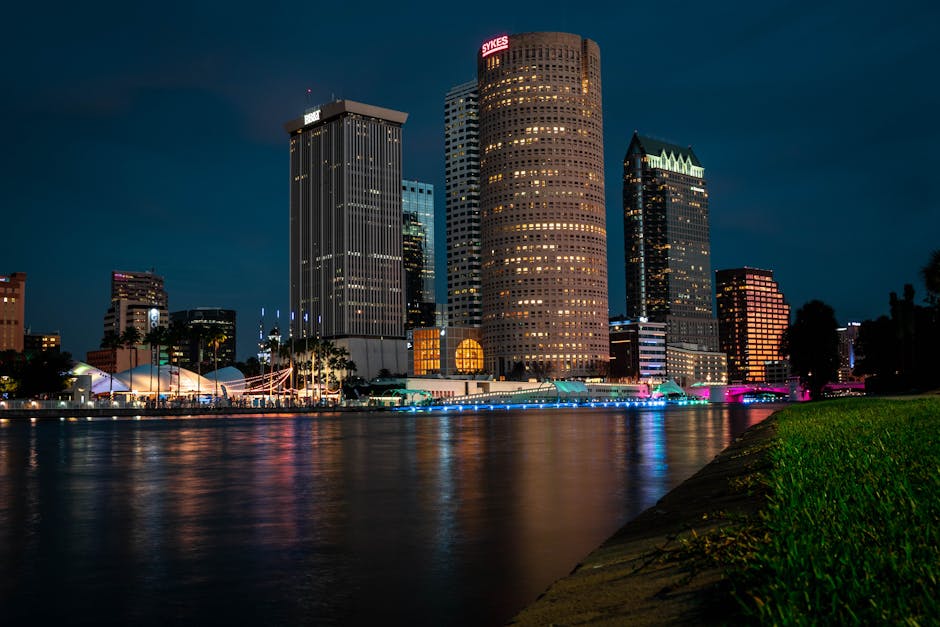
Understanding these fundamentals requires a departure from traditional residential metrics. For the affluent buyer, the current environment is less about speculative growth and more about utility and wealth preservation. We are seeing a distinct trend where the time on market for properly priced estates remains low, while over-leveraged or architecturally dated properties face significant pricing corrections. According to recent data from Florida Trend Real Estate, the regional movement toward high-value residential investments is supported by robust statewide economic indicators, making Tampa a primary target for domestic relocation.
The Shift Toward Primary Waterfront Residences
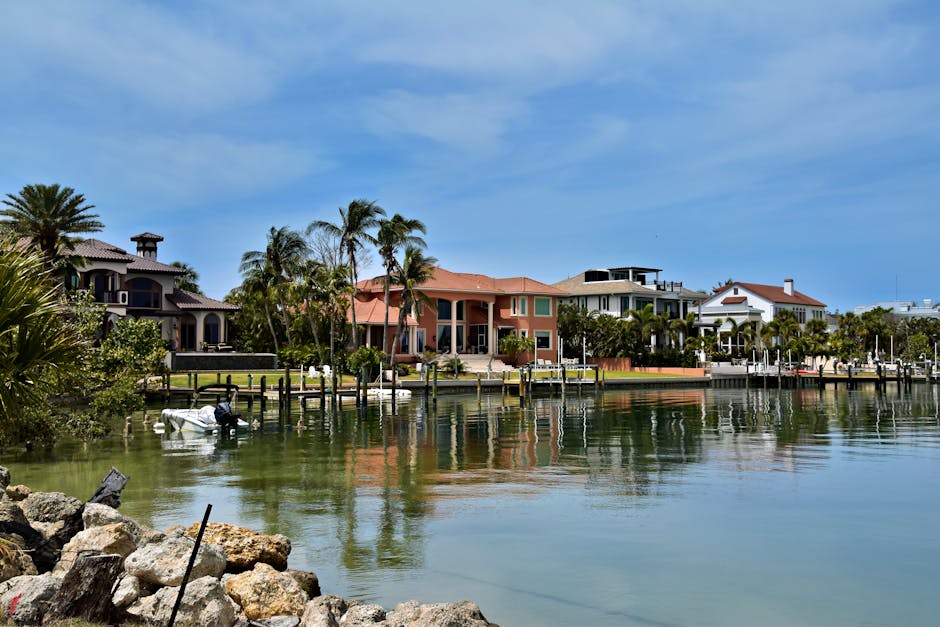
Historically, waterfront properties in the region served as secondary or seasonal holdings. However, as 2026 progresses, a fundamental shift has occurred: the Tampa Bay waterfront is now a primary residence market. This transition is documented in reports by The National Law Review, which highlights how legal and structural developments have fortified the appeal of year-round coastal living. Buyers are no longer settling for ‘resort-style’ features; they are demanding the infrastructure required for full-time residency, including advanced home offices, integrated security systems, and high-capacity storm mitigation technology.
In neighborhoods like Beach Park and Culbreath Isles, the focus has shifted toward properties that offer deep-water access without sacrificing proximity to the central business district. The scarcity of these specific lots has led to a surge in redevelopment, where legacy structures are being replaced by modern, high-elevation estates that exceed current building codes. For an advisor, the guidance is clear: prioritize the land value and the integrity of the seawall over the aesthetic finish of the interior. The interior can be updated, but the riparian rights and geographic positioning are the true components of the investment’s long-term yield.
Condo Evolution and the St. Pete Synergy
The luxury landscape is no longer confined to traditional single-family estates. The definition of high-end living is evolving as the vertical market matures, particularly in areas where Downtown Tampa meets the water. This evolution is mirrored across the bay, where The Business Journals notes that St. Petersburg’s luxury condo definition is shifting to accommodate a more permanent, sophisticated demographic. The synergy between Tampa and St. Pete has created a regional luxury corridor that rivals established markets in South Florida, offering a more balanced approach to urban luxury.
Vertical living now demands more than just a concierge and a pool. Buyers are looking for exclusivity and service-heavy environments that mirror five-star hospitality. Developments around Water Street and the Channel District have set a new benchmark for what constitutes a high-end condominium. When evaluating these options, it is essential to look at the long-term management contracts and the underlying financial health of the association. A premium unit is only as valuable as the building’s ability to maintain its service standards and aesthetic integrity over the next decade.
Strategic Acquisition and Due Diligence
Acquiring a high-value asset in the current Tampa climate requires a disciplined approach to due diligence. The complexity of coastal regulations and the nuances of neighborhood-specific deed restrictions can significantly impact the future utility of a property. For instance, an estate on Troutwater Lane may face different environmental considerations than a property on Gardner Road or Memorial Highway. Each micro-market within Tampa requires a specialized lens to identify potential risks before they become liabilities.
- Verify the age and structural integrity of all seawalls and dockage facilities.
- Analyze the elevation certificates to understand current and future insurance implications.
- Review neighborhood-specific covenants to ensure future expansion or renovation plans are feasible.
- Evaluate the smart-home infrastructure for scalability and security vulnerabilities.
- Conduct a thorough assessment of the local drainage and municipal infrastructure improvements.
- Investigate any pending land-use changes in the surrounding area that could affect privacy.
This level of scrutiny is what separates a successful acquisition from a costly mistake. For those looking to secure a position in the market, the emphasis must be on technical verification. Relying on marketing materials or superficial inspections is insufficient when dealing with assets at the $3M+ level. A strategic buyer works with a team of experts—including engineers and legal counsel—to ensure every facet of the transaction is airtight.
Infrastructure and Neighborhood-Level Implications
The logistics of luxury living in Tampa are heavily influenced by the city’s evolving infrastructure. As noted by Tampa Bay Business & Wealth, the developments shaping the region in 2026 are focused on connectivity and mixed-use luxury hubs. These projects are not just adding residential units; they are redefining how residents interact with the city. From the expansion of transit options to the enhancement of public spaces, the infrastructure is catching up to the rapid growth seen in previous years.
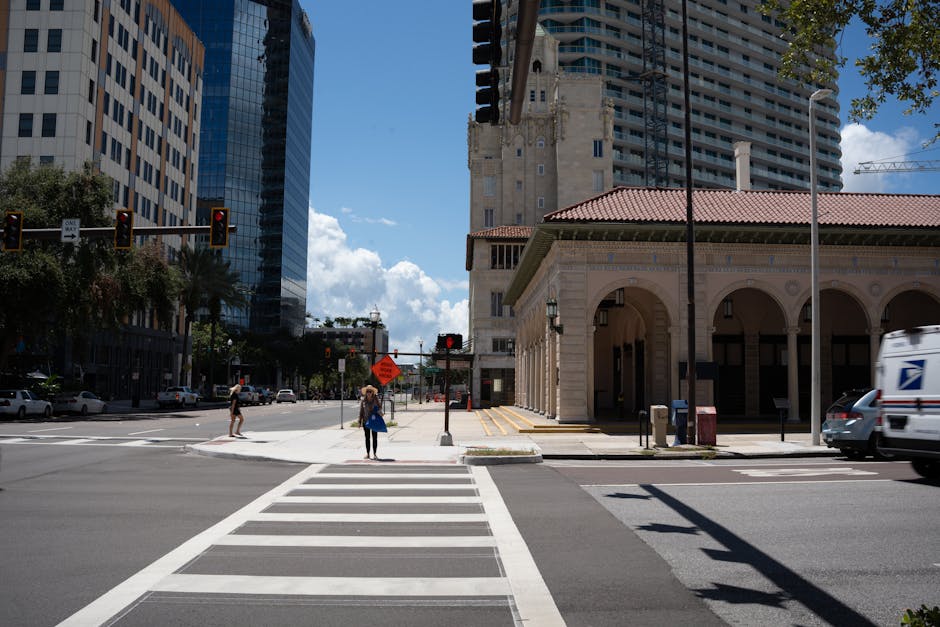
This growth also impacts neighborhood-level desirability. Areas that were once considered peripheral are seeing increased interest as new commercial hubs emerge. However, the traditional cores—Hyde Park, Palma Ceia, and the Bayshore corridor—remain the gold standard for stability. When analyzing market movement, consider the impact of local events and seasonal traffic patterns. City officials frequently manage heavy traffic during high-profile weekends, as reported by WTSP, which underscores the importance of choosing a location that offers multiple access points and proximity to essential services without being trapped by event-driven congestion.
Buyer Behavior and Valuation Metrics
Reflecting on the most expensive sales of 2025, as cataloged by the Tampa Bay Times, it is evident that privacy and security have become the ultimate luxuries. Many of these transactions occurred off-market, highlighting a growing trend where high-profile buyers prefer discretion. For those operating at the top of the market, the traditional MLS reflects only a fraction of the actual opportunity. Navigating this ‘shadow inventory’ requires deep local connections and a reputation for confidentiality.
Valuation in this segment is also becoming more analytical. Buyers are looking at comparable sales across the entire Tampa Bay region, not just within a single neighborhood. They are weighing the benefits of a modern build in Westshore against a historic renovation in Hyde Park. This cross-neighborhood analysis is a sign of a mature market where buyers are educated and data-driven. As an advisor, the goal is to provide the context that data alone cannot—understanding the cultural shifts and the specific ‘street-level’ appeal that drives long-term value appreciation.
Professional Guidance and Market Positioning
The emergence of specialized teams, such as the Nick Janovsky Group, signals a move toward a more advisory-based model in Tampa real estate. The era of the generalist is fading; today’s market demands experts who understand the intersection of real estate, finance, and lifestyle management. Whether you are looking at a $2.6M estate or a $13M waterfront compound, the requirement for precision remains the same. The market is efficient, but opportunities for arbitrage still exist for those who know where to look and how to structure the deal.
Securing a position in Tampa’s luxury market requires more than just capital; it requires a strategic partner who can navigate the complexities of 2026. From understanding the impact of climate policy on insurance to identifying the next growth corridor before it becomes mainstream, the value of expert counsel cannot be overstated. As the city continues its ascent on the global stage, those who act with precision and local insight will be best positioned to capitalize on the unique dynamics of the Florida Gulf Coast.
To navigate the current inventory and identify assets that align with your long-term objectives, we invite you to browse our curated listings. Our team provides the analytical brief and neighborhood-level implications necessary for a successful acquisition. When you are ready to discuss a specific property or a broader portfolio strategy, contact an advisor to schedule a confidential consultation.
Your next move in Tampa luxury
Get current inventory, pricing guidance, and private-tour support from our brokerage team.
Source highlights
- Downtown St. Pete's definition of luxury condos shifts as the city evolves – The Business Journals
- Tampa Bay’s most expensive luxury home sales of 2025 – Tampa Bay Times
- Tampa Bay’s Waterfront Emerges as a Primary Luxury Real Estate Market – The National Law Review
- Florida Trend Real Estate – Florida Trend
- The real estate developments shaping Tampa Bay in 2026 – Tampa Bay Business & Wealth
- New Signature Real Estate Team Emerges Across Tampa Bay: The Nick Janovsky Group Launches with Premier Sotheby’s International Realty – citybiz
- Things to do with kids this weekend in Tampa, FL – That's So Tampa
- Things To Do In St Pete This Weekend: Best Festivals & Events Going On In St Petersburg – I Love the Burg



