



The Resilience of the Tampa Luxury Sector
As we navigate the 2026 fiscal landscape, the Tampa Bay luxury market continues to demonstrate a decoupled trajectory from broader national cooling trends. While secondary markets often face volatility during interest rate cycles, Tampa has matured into a primary destination for institutional and private capital. This stability is driven by a genuine inventory constraint in high-demand pockets like Davis Islands and Palma Ceia, where the barrier to entry remains high due to land scarcity and strict zoning regulations. Investors and residents alike are shifting their focus from speculative appreciation toward long-term asset preservation in established South Tampa neighborhoods.
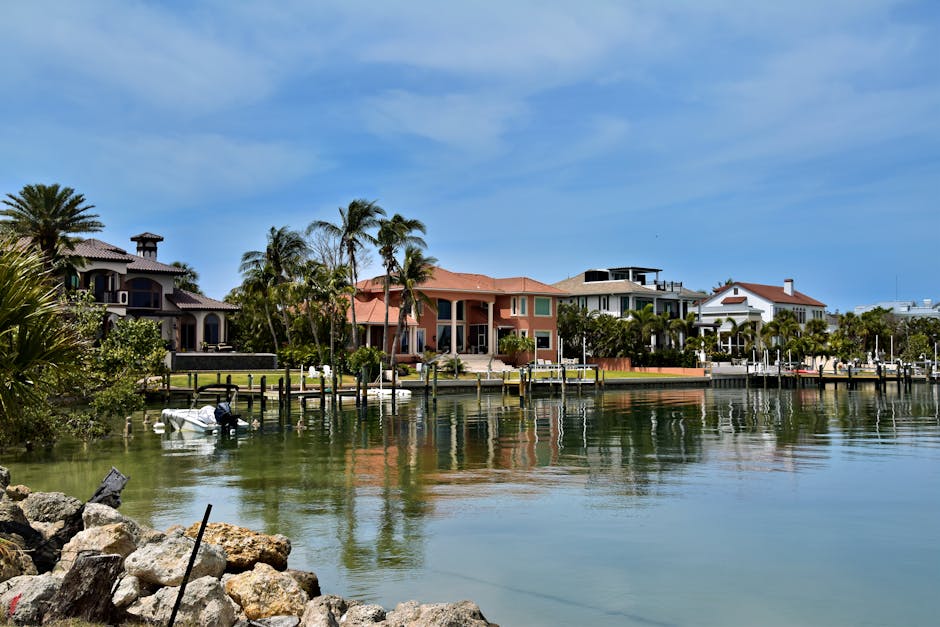
According to recent analysis from The Business Journals, the regional market has grown stronger despite national declines, bolstered by a steady influx of high-net-worth individuals relocating from the Northeast and West Coast. These buyers are not merely looking for a seasonal retreat; they are seeking primary residences that offer a sophisticated infrastructure and a high quality of life. The median list price in the luxury tier now sits at $2,499,000, reflecting a market that has moved past its recovery phase and into a period of sustained, mature growth. Identifying value in this environment requires a nuanced understanding of neighborhood-level micro-trends rather than relying on broad metropolitan data.
The current inventory of 120 active luxury listings provides a selective but competitive environment for buyers. Properties like the $3,800,000 estate on Memorial Highway or the $3,000,000 residence on Gardner Road represent the top tier of available assets, each offering distinct site-specific advantages. When evaluating these options, sophisticated advisors look beyond the surface aesthetics to assess the structural integrity, land value, and the potential for future development in the immediate vicinity. In a market where the average list price exceeds $3.2 million, the distinction between a ‘premium house’ and a ‘high-value asset’ becomes critical for capital allocation.
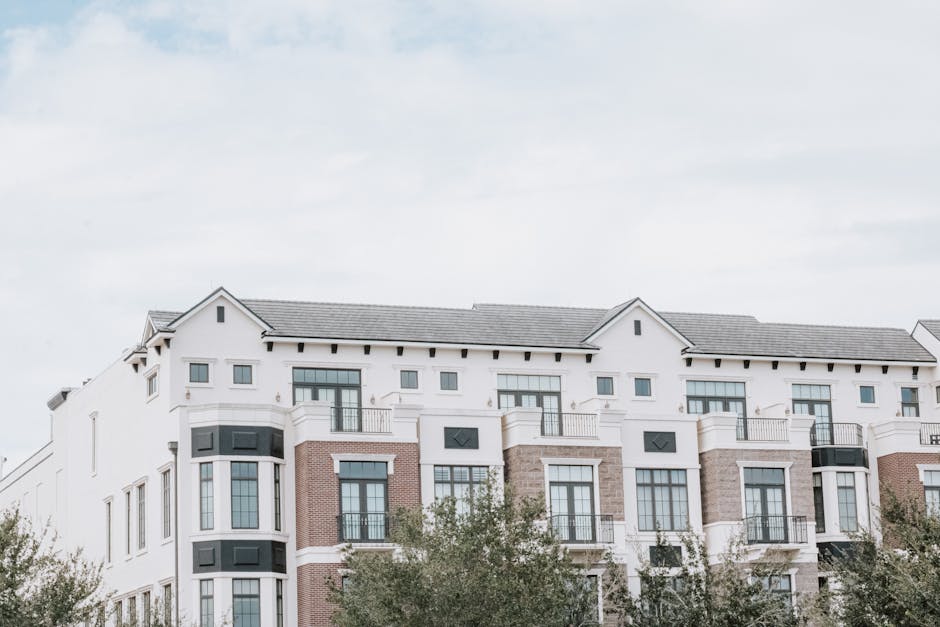
Waterfront Properties as Primary Residential Assets
The definition of luxury in Tampa is inextricably linked to the waterfront, but the nature of these acquisitions has evolved. Historically, waterfront estates were often viewed as secondary assets or vacation properties. However, as noted by The National Law Review, Tampa’s waterfront has emerged as a primary luxury real estate market. This shift signifies that buyers are prioritizing these locations for their permanent homes, which in turn demands higher standards of construction, flood resilience, and architectural permanence. The demand for deep-water access in areas like Beach Park and the Venetian Isles remains aggressive, as these lots represent a finite resource in a growing metropolitan area.
For the senior advisor, evaluating a waterfront property involves a rigorous assessment of riparian rights, seawall integrity, and long-term environmental planning. A property such as the $2,650,000 listing on Troutwater Lane serves as a prime example of how modern buyers weigh the benefits of a managed waterfront community against the autonomy of an open-bay estate. Decisions are increasingly based on the ‘utility of the view’—the balance between privacy and the expansive vistas that define the Tampa skyline and the Gulf of Mexico. This analytical approach ensures that the acquisition holds its value regardless of temporary market fluctuations.
The Departure from Homogenous Luxury Design
One of the most significant shifts in the 2026 market is the rejection of ‘carbon-copy’ luxury. The era of the speculative ‘grey box’—the minimalist, white-on-white modern farmhouse that dominated the early 2020s—is giving way to a demand for architectural character and bespoke finishes. Sophisticated buyers are now looking for homes that tell a story, utilizing materials that age gracefully and reflect the local climate and history. This movement toward authenticity is not just an aesthetic choice; it is a financial one, as unique properties tend to command a premium on the resale market and face less competition from new construction.
Research from Mansion Global suggests that bespoke design touches—such as artisanal stonework, integrated smart-home technology that prioritizes security, and indoor-outdoor living spaces that are truly functional—are the primary drivers of buyer interest this year. In Tampa, this often translates to a modern take on Mediterranean or coastal contemporary styles that incorporate high-spec thermal efficiency and natural ventilation. Buyers are no longer satisfied with off-the-shelf luxury; they are searching for homes that offer a tailored experience, specifically designed for the Florida sub-tropical environment.
Strategic Verification for High-End Acquisitions
In a market of this caliber, the due diligence process must be exhaustive. A premium price point demands a premium level of verification, extending far beyond a standard home inspection. When representing a buyer in the multi-million dollar range, we prioritize a data-backed approach to every facet of the transaction, ensuring that the asset aligns with the client’s broader financial and lifestyle objectives. The goal is to minimize risk while maximizing the utility and future liquidity of the property.
- Verify the structural integrity of all waterfront features, including seawalls, docks, and lift capacities.
- Assess the site-specific flood elevation and the corresponding insurance implications under current FEMA guidelines.
- Analyze the local development pipeline to identify any planned commercial or residential projects that could impact privacy or property value.
- Conduct a detailed review of all home automation and security systems to ensure they meet modern standards for data privacy and reliability.
- Examine the historical maintenance records of custom mechanical systems, such as high-velocity HVAC or commercial-grade pool filtration.
- Confirm that all recent renovations or additions have been fully permitted and executed to current building codes.
By following this rigorous protocol, we transition from a simple purchase to a strategic acquisition. This level of detail is particularly important when considering properties in established neighborhoods like Hyde Park or Culverhouse, where historic charm must be balanced with modern functional requirements. The advisor’s role is to provide the clarity necessary for a confident decision, stripping away the marketing noise to reveal the true value proposition of the home.
Urban Evolution and the 2026 Development Pipeline
The growth of Tampa is not limited to residential neighborhoods; the urban core is undergoing a transformation that directly impacts luxury property values. As detailed in Tampa Bay Business & Wealth, several key developments are set to reshape the skyline and the cultural fabric of the city through 2026. Projects like the expansion of Water Street Tampa and the continued maturation of Midtown are creating new centers of gravity, drawing affluent residents who seek walkability and proximity to high-end dining, retail, and professional services.
This urban evolution provides a complementary dynamic to the traditional estate market. We are seeing an increase in ‘split-lifestyle’ buyers who maintain a waterfront estate on Davis Islands while also holding a high-rise pied-à-terre in the city center. This trend reflects a broader move toward lifestyle diversification, where the home is not just a place to live, but a hub for professional and social engagement. Understanding the interplay between these different residential sectors is essential for any buyer looking to build a resilient real estate portfolio in the Tampa Bay area.
Operational Realities of the Tampa Luxury Lifestyle
Living in a high-growth city like Tampa requires a practical understanding of local logistics and seasonal movements. While the city offers world-class amenities, the operational realities of traffic and event-driven congestion can impact daily life. For instance, City officials often warn of heavy traffic during event-packed weekends, particularly around the downtown and Channelside districts. A sophisticated advisor considers these factors when recommending locations, ensuring that a client’s commute or weekend plans are not consistently disrupted by the city’s success.
Despite the logistical challenges of a growing city, the cultural offerings in Tampa have never been more robust. From family-oriented weekend events highlighted by That’s So Tampa to high-profile concerts and festivals, the region provides a level of engagement that rivals much larger metropolitan areas. This balance of professional opportunity, cultural depth, and residential privacy is what continues to drive the ‘intent’ phase of the buyer funnel. The sophisticated buyer isn’t just buying a house; they are buying into an ecosystem that supports their professional ambitions and personal well-being.
Navigating the complexities of the current market requires more than just access to data; it requires the perspective of an advisor who understands the nuances of Tampa’s high-end neighborhoods and the strategic implications of every transaction. Whether you are looking to divest a legacy asset or acquire a primary residence that meets the highest standards of architectural integrity, our team provides the analytical brief necessary to proceed with confidence. To evaluate current opportunities and gain a deeper understanding of available inventory, we invite you to browse our curated listings or contact an advisor to schedule a private consultation.
Your next move in Tampa luxury
Get current inventory, pricing guidance, and private-tour support from our brokerage team.
Source highlights
- Tampa Bay’s most expensive luxury home sales of 2025 – Tampa Bay Times
- Tampa Bay luxury market grows stronger despite national declines – The Business Journals
- Tampa Bay’s Waterfront Emerges as a Primary Luxury Real Estate Market – The National Law Review
- Florida Trend Real Estate – Florida Trend
- Carbon-Copy Luxury Is Out. These Are the Design Touches Winning Home Buyers Over. – Mansion Global
- The real estate developments shaping Tampa Bay in 2026 – Tampa Bay Business & Wealth
- Things to do with kids this weekend in Tampa, FL – That's So Tampa
- Things To Do In St Pete This Weekend: Best Festivals & Events Going On In St Petersburg – I Love the Burg



