



The Institutional Grade of Tampa Residential Assets
The transition of Tampa from a regional secondary market to a primary destination for national and international capital is no longer a projection; it is a realized state. High-net-worth individuals are increasingly viewing local residential property not merely as a primary residence but as an institutional-grade asset class. This shift is characterized by a demand for higher architectural standards, integrated technology, and a level of finish that competes with global hubs. While other Florida markets have experienced volatility, the Tampa Bay luxury market grows stronger despite national headwinds, supported by robust local economic diversification and significant infrastructure investment.
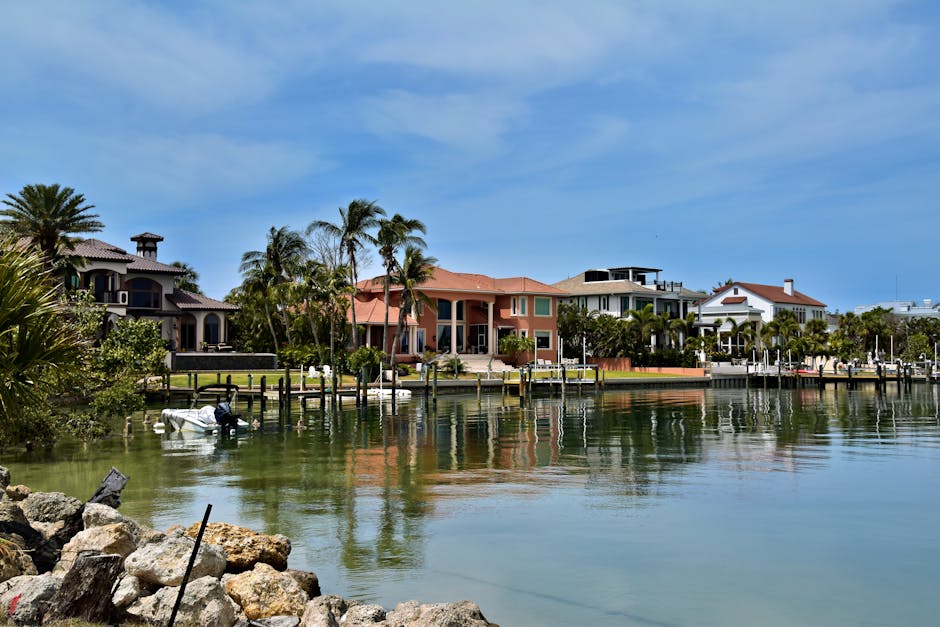
Current inventory dynamics reflect this maturity. With approximately 120 active luxury units and a median list price hovering near $2,500,000, the market demonstrates a disciplined equilibrium. Buyers are no longer rushing into speculative acquisitions; instead, they are performing rigorous due diligence on long-term value retention. We are seeing a move away from generic large-scale builds toward bespoke properties that offer privacy and distinct character, particularly in areas like Culbreath Isles and Westshore. This analytical approach to acquisition ensures that portfolios remain resilient even as broader economic cycles fluctuate.
The composition of the market today includes a sophisticated mix of residential, commercial sale, and land opportunities. This variety allows for strategic diversification within a single geographic region. For instance, land acquisitions on the periphery of established neighborhoods offer significant redevelopment potential, while established estates provide immediate utility and prestige. Understanding the interplay between these property types is essential for any advisor guiding a high-level acquisition strategy in the current climate.
Deciphering the Waterfront Premium on Davis Islands
Waterfront property remains the most significant driver of valuation in the Tampa region, yet the criteria for what constitutes a premium site have become more nuanced. Deep-water access, seawall integrity, and elevation are now prioritized over purely aesthetic considerations. On Davis Islands, the scarcity of available canal and open-bay frontage has created a highly competitive environment where off-market transactions are increasingly common. As noted by The National Law Review, Tampa Bay’s waterfront has emerged as a primary luxury real estate market, attracting buyers who previously focused exclusively on South Florida or Mediterranean destinations.
The demand for waterfront isn’t just about the view; it is about the lifestyle utility of the Gulf of Mexico. This has led to a surge in interest for properties capable of accommodating larger vessels and providing seamless indoor-outdoor transitions. When evaluating these properties, it is critical to look past the initial presentation and assess the underlying engineering. Buyers are increasingly sensitive to flood mitigation and the long-term viability of coastal structures. This shift toward technical excellence over superficial luxury is a hallmark of the current market cycle.
Market movement in this sector is illustrated by significant sales along Memorial Highway and the coastal stretches of South Tampa. These transactions often exceed the $3,800,000 mark, reflecting the high value placed on unique geographic positioning. For those seeking to secure a legacy asset, the focus should be on identifying parcels that offer both privacy and superior maritime access. This requires a granular understanding of local zoning and environmental regulations which vary significantly from one neighborhood to the next.
Urban Integration and the Water Street Influence
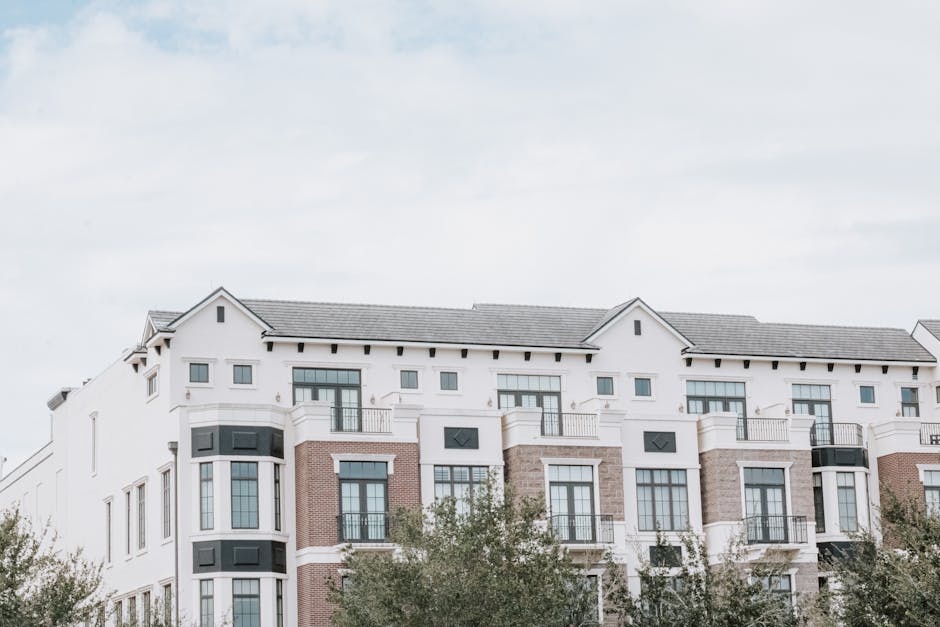
The massive redevelopment of the urban core, particularly around Water Street, has fundamentally altered the gravity of Tampa luxury real estate. High-end condominium living is no longer a compromise but a preference for many affluent buyers. The appeal lies in the concentration of world-class amenities, Michelin-pedigree dining, and walkable proximity to the city’s financial and cultural centers. This urban integration is a primary component of the real estate developments shaping Tampa Bay in 2026, driving a new wave of vertical luxury that rivals established markets like Chicago or New York.
For the senior buyer, these developments offer a ‘lock-and-leave’ convenience that traditional estates cannot match. The sophisticated management services and private club memberships associated with these properties cater to a lifestyle that prioritizes time and experiential value. We are observing a trend where buyers maintain a waterfront estate in Davis Islands or Hyde Park while keeping a high-floor residence in the urban core to access the city’s burgeoning social and business scene. This dual-property strategy is becoming a standard move for the locally entrenched elite.
The impact of this urban expansion extends beyond the immediate downtown area. It has revitalized interest in adjacent neighborhoods that benefit from the increased density of high-quality retail and services. The resulting halo effect is visible in rising property values across the broader Tampa footprint. When advising on an urban acquisition, the focus must be on the specific developer’s track record and the long-term management structure of the building, as these factors ultimately dictate the asset’s secondary market liquidity.
Strategic Considerations for High-End Acquisitions
Entering the Tampa market with a high-net-worth profile requires a checklist that goes beyond simple room counts and square footage. The complexity of the local landscape—from varying tax assessments to specific neighborhood architectural guidelines—demands a systematic approach. A successful acquisition is one where the technical variables are as well-vetted as the lifestyle fit. The following considerations should form the core of any preliminary assessment phase for a premium property.
- Verify the structural integrity and elevation of all coastal and canal-front properties to ensure long-term insurance viability.
- Analyze neighborhood-specific traffic patterns during peak seasonal events to understand actual commute times and accessibility.
- Review historical sales data for the immediate street level, rather than just the neighborhood, to identify true market ceilings.
- Investigate planned municipal infrastructure projects that could impact noise levels or property views over the next five to ten years.
- Assess the feasibility of modern technology integration within historic structures, particularly in protected areas like Hyde Park.
- Consult with a dedicated advisor to identify off-market opportunities that may not appear on public listing platforms.
By focusing on these practical takeaways, buyers can move from a position of interest to one of informed intent. The current market rewards those who prioritize data-backed decisions over emotional impulse. Whether you are evaluating a modern masterpiece or a classic historic estate, the same level of analytical rigor must be applied. For a comprehensive look at the available inventory that meets these high standards, you may browse our exclusive listings to compare specific property features and neighborhood locations.
2>The Sustained Value of Hyde Park and South Tampa
Hyde Park remains the cultural heart of Tampa’s luxury market, offering a unique blend of historic charm and contemporary luxury. The canopy-lined streets and proximity to Bayshore Boulevard create a residential atmosphere that is nearly impossible to replicate elsewhere in Florida. This area has seen some of Tampa Bay’s most expensive luxury home sales recently, confirming its status as a top-tier neighborhood for capital preservation. The scarcity of inventory here often results in properties being sold before they ever reach the open market.
The challenge and opportunity in Hyde Park lie in the balance between preservation and modernization. Buyers are increasingly seeking homes that maintain their historic facade while featuring ultra-modern interiors and smart-home capabilities. This requires a sophisticated understanding of local building codes and a network of specialized contractors. For those who appreciate the legacy of the city, an investment here is more than just a home; it is an acquisition of a piece of Tampa’s heritage that continues to appreciate as the city matures around it.
Furthermore, the school districts and community cohesion in South Tampa continue to be a primary draw for families. The walkable nature of Hyde Park Village provides an amenity set that complements the residential privacy of the surrounding streets. As we move through 2026, the trend of ‘curated living’ is expected to intensify, with buyers placing a higher premium on neighborhoods that offer a sense of place and history. This enduring appeal makes South Tampa a cornerstone of any local real estate portfolio.
Future-Proofing Your Tampa Real Estate Portfolio
As the Tampa skyline continues to evolve, the definition of a future-proof investment has shifted toward properties that offer flexibility and sustainability. Energy efficiency, advanced security systems, and adaptable living spaces are no longer optional features; they are expected components of any high-end residence. The Florida Trend real estate reports highlight a growing emphasis on resilient design that can withstand the unique environmental challenges of the Gulf coast. This forward-thinking approach to construction is a key indicator of long-term asset value.
Another critical aspect of future-proofing is understanding the shifting demographics of the luxury buyer. We are seeing a younger cohort of wealth creators entering the market, bringing with them a different set of priorities, including a focus on wellness-centric design and proximity to creative hubs. To remain relevant, property owners must be willing to adapt their assets to meet these changing expectations. This might involve reconfiguring floor plans to accommodate home offices or adding wellness suites that provide a private retreat within the home.
Ultimately, the strength of the Tampa market lies in its ability to offer a diverse range of luxury experiences while maintaining a cohesive sense of community. The 2026 outlook is one of continued growth, driven by a commitment to quality and a strategic vision for the city’s future. By aligning your acquisition strategy with these broader trends, you can ensure that your real estate holdings remain a source of both personal enjoyment and financial security for years to come.
Navigating these complexities requires more than just access to data; it requires a partner who understands the subtle shifts in neighborhood dynamics and the specific needs of the high-end buyer. Whether you are seeking a waterfront estate, a historic renovation, or a modern urban residence, our team provides the analytical depth and local expertise necessary to secure your next acquisition. To begin a confidential discussion regarding your specific requirements and to explore the city’s most distinguished properties, we invite you to contact an advisor today.
Your next move in Tampa luxury
Get current inventory, pricing guidance, and private-tour support from our brokerage team.
Source highlights
- Tampa Bay’s most expensive luxury home sales of 2025 – Tampa Bay Times
- Tampa Bay luxury market grows stronger despite national declines – The Business Journals
- Tampa Bay’s Waterfront Emerges as a Primary Luxury Real Estate Market – The National Law Review
- Florida Trend Real Estate – Florida Trend
- The real estate developments shaping Tampa Bay in 2026 – Tampa Bay Business & Wealth
- New Signature Real Estate Team Emerges Across Tampa Bay: The Nick Janovsky Group Launches with Premier Sotheby’s International Realty – citybiz
- Things to do with kids this weekend in Tampa, FL – That's So Tampa
- Things To Do In St Pete This Weekend: Best Festivals & Events Going On In St Petersburg – I Love the Burg



