


The Threshold of 2026: Analyzing the $2.5M Benchmark
The Tampa luxury market has matured into a sophisticated landscape where the median list price for high-tier properties now rests at approximately $2,499,000. With a current inventory of 120 active luxury listings, the market is no longer defined by scarcity alone, but by a selective buyer pool that prioritizes long-term capital preservation over immediate trend-following. Average list prices exceeding $3.2 million indicate a significant concentration of value in specific corridors, particularly those offering deep-water access or historical architectural integrity.
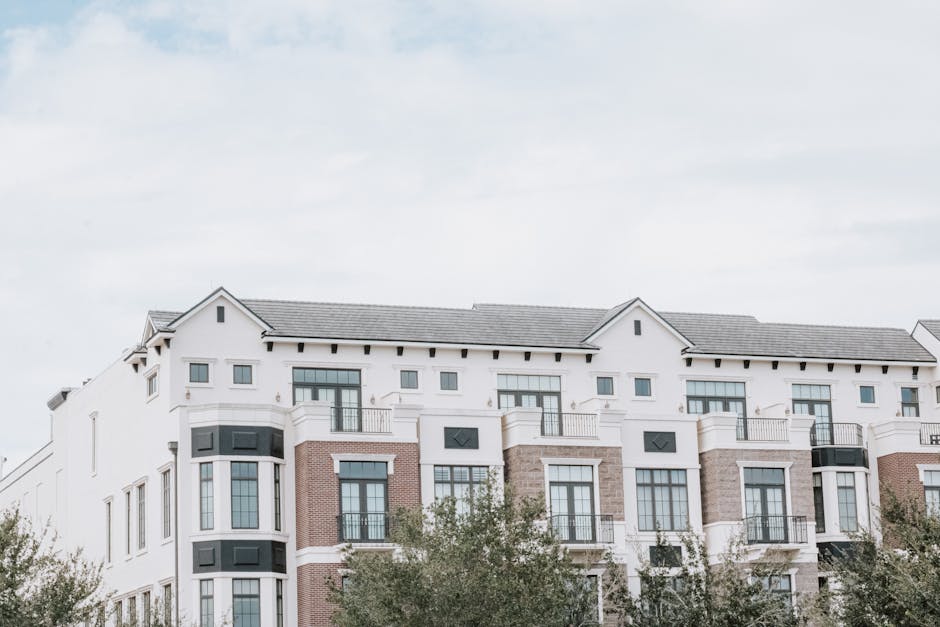
As an advisor, observing the current inventory—ranging from a $2.65 million estate on Troutwater Lane to a $3.8 million property on Memorial Highway—reveals a clear bifurcation. One segment of the market remains tied to traditional luxury tropes, while the emerging segment focuses on ‘utility-driven’ high-end living. Buyers are increasingly scrutinizing the efficiency of floor plans and the integration of smart home infrastructure that serves a practical purpose rather than just novelty. This analytical approach to acquisition is essential in a climate where price discovery is driven by neighborhood-level specifics rather than broad metropolitan trends.
For those currently evaluating entry points, understanding the distinction between a ‘market-rate’ luxury home and a true ‘lifestyle asset’ is paramount. The former follows the general movement of the $2.5 million median, while the latter retains value through unique site characteristics, such as oversized lots in Hyde Park or unencumbered views along Bayshore Boulevard. To navigate this successfully, one must look beyond the surface-level aesthetics and evaluate the underlying land value and construction quality that will withstand the next decade of market cycles.
Waterfront Assets as a Primary Residence Class
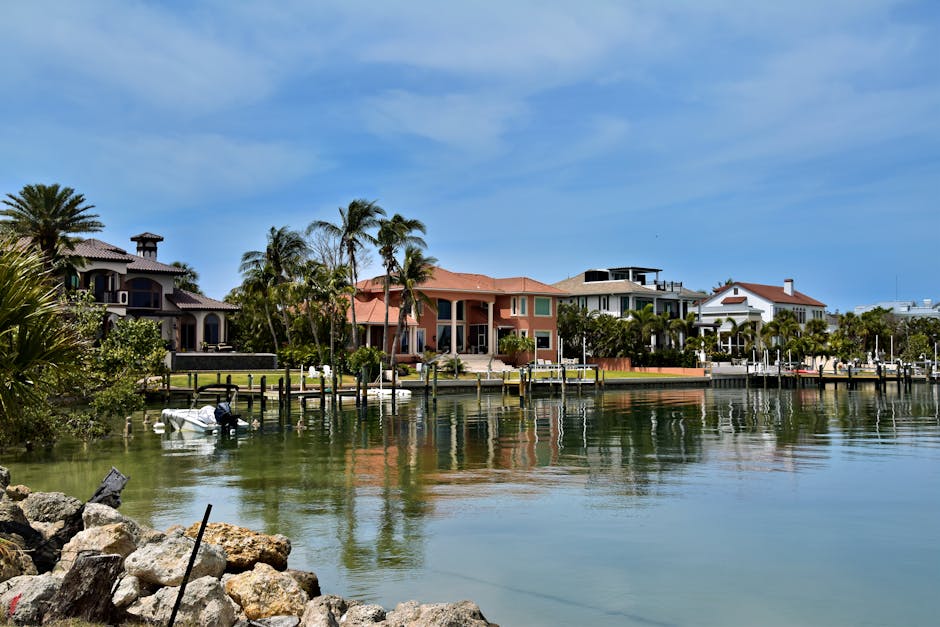
One of the most significant shifts in the regional landscape is the transition of waterfront property from a secondary or seasonal asset into a primary residence class. This trend is bolstered by the emergence of Tampa Bay’s waterfront as a primary luxury market, a shift that has redirected capital into heavy-duty infrastructure like advanced sea wall reinforcements and high-elevation construction. Areas like Davis Islands and Culbreath Isles are seeing a surge in full-time residents who require the logistical convenience of the city alongside the privacy of a gated or peninsular estate.
The valuation of these waterfront assets is increasingly tied to technical specifications. Buyers are no longer satisfied with mere proximity to the water; they are demanding specific dockage capabilities, deep-water channel access, and resilient building materials that mitigate the long-term costs of coastal ownership. We are seeing properties like those near Gardner Road fetch premium prices because they balance this technical utility with the privacy that high-net-worth individuals require. This move toward primary waterfront living is a structural change in how Tampa is perceived by national and international investors.
Furthermore, the scarcity of available shoreline has led to a renovation boom in established neighborhoods. Rather than moving to the periphery, affluent buyers are choosing to acquire older waterfront structures for their land value, subsequently commissioning custom builds that meet modern standards for storm resilience and energy efficiency. This focus on the ‘primary’ nature of these homes means that the level of interior finish and functional space must support a year-round executive lifestyle, including robust home offices and integrated wellness suites.
The Evolution of Vertical Luxury and Downtown Connectivity
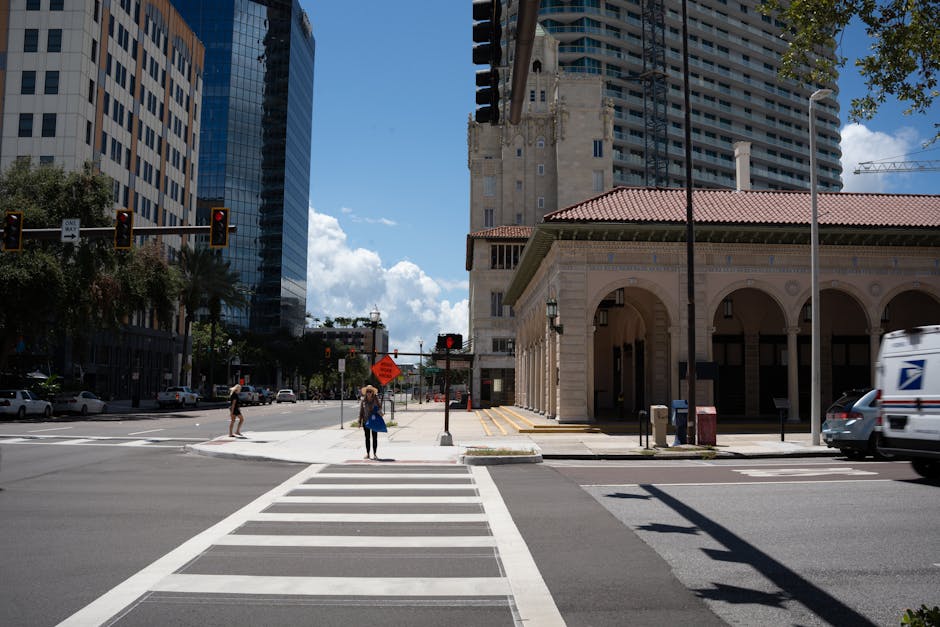
The definition of high-end living in the urban core has been redefined by the massive redevelopment projects shaping the skyline. In particular, Downtown St. Pete’s luxury condo definition is shifting as the city evolves, creating a ripple effect that influences the Tampa side of the bay. The appeal of vertical luxury lies in the ‘lock-and-leave’ capability combined with five-star service amenities that rival the world’s most established metropolitan centers. This is particularly attractive to buyers who split their time between multiple global locations but want a high-performance anchor in the Florida market.
While traditional estates offer privacy, the new generation of luxury towers offers a different kind of exclusivity: vertical community and immediate proximity to the cultural heart of the city. We are seeing a high concentration of demand for units that offer expansive terraces and private elevator lobbies, features that provide a sense of detached living within a high-rise framework. The integration of high-end retail and Michelin-star dining within the base of these developments further complicates the value proposition, making the choice between a Hyde Park villa and a Water Street penthouse a matter of lifestyle logistics rather than just price per square foot.
This urban shift is also reflected in the commercial and mixed-use developments that are shaping Tampa Bay in 2026. The focus on walkability and proximity to high-end fitness, dining, and social clubs like those found in the Water Street and Westshore districts is a primary driver for younger affluent buyers. As an advisor, the guidance often centers on the ‘convenience premium’—calculating the value of saved time against the higher carrying costs of a full-service building.
Strategic Acquisition: The 2026 Buyer’s Checklist
In a market where the average list price is over $3.2 million, the due diligence process must be exhaustive. The following points represent the critical markers our firm uses to evaluate the viability and long-term appreciation potential of a luxury acquisition in the current environment:
- Verification of unencumbered views and neighboring zoning to protect against future development interference.
- Audit of mechanical systems and smart home integration, ensuring hardware is not near the end of its lifecycle.
- Evaluation of seawall and drainage infrastructure for waterfront properties, including recent elevation certificates.
- Assessment of neighborhood-specific price ceilings to avoid over-improving a property beyond local comparables.
- Review of historical significance or architectural pedigree that may offer future tax advantages or preservation incentives.
This checklist serves as the foundation for any serious negotiation. By removing the emotional component of the purchase and focusing on these technical benchmarks, buyers can ensure they are acquiring a property that serves as a sound financial vehicle as well as a residence. For those ready to begin this process, it is advisable to browse available luxury listings with these criteria in mind to identify which properties truly stand out in the current inventory.
Beyond Carbon-Copy Luxury: The Demand for Personalization
The era of the ‘spec-build’ luxury home that relies on generic high-end finishes is coming to a close. Current market data suggests that carbon-copy luxury is out, replaced by a demand for bespoke details that reflect the owner’s specific interests and lifestyle requirements. Buyers are looking for artisan materials, custom-milled woodwork, and architectural styles that lean toward ‘Organic Modern’ or ‘New Mediterranean’ rather than the cold, sterile minimalism that dominated the previous decade.
This shift toward personalization is not just an aesthetic choice; it is a value driver. A home that features unique, high-quality craftsmanship is more resilient to market fluctuations because it cannot be easily replicated. We are seeing this trend manifest in the inclusion of specialized rooms, such as climate-controlled wine cellars that double as tasting lounges, or home theaters with professional-grade acoustics and seating. The goal is to create an environment that feels curated rather than purchased from a catalog.
In neighborhoods like Westchase and South Tampa, where lot sizes can vary significantly, the ability to maximize the utility of outdoor space is also a key differentiator. High-end buyers are prioritizing seamless indoor-outdoor transitions, featuring outdoor kitchens that rival their indoor counterparts and landscaping that provides year-round privacy and visual interest. This holistic approach to design ensures that every square foot of the property, both inside and out, contributes to the overall value of the asset.
Navigating Regional Logistics and Neighborhood Nuance
Understanding the micro-markets of Tampa requires a deep knowledge of local movement and logistics. For instance, the connectivity between Westshore and the Downtown core is a major factor for executives who need to minimize commute times while maintaining a high-end residential footprint. Neighborhoods such as Beach Park and Culbreath Isles offer this balance, providing large estate lots within minutes of the region’s primary business hubs. The value in these areas is sustained not just by the homes themselves, but by the infrastructure that supports an affluent lifestyle.
Recent events and infrastructure projects have also highlighted the importance of timing and logistics in the region. Local officials have noted that heavy traffic is expected during event-packed weekends, which is a consideration for buyers who prioritize ease of movement. Whether it is a major festival or a high-profile sports event, the ability to navigate the city efficiently is a luxury in itself. This is why we are seeing a premium placed on properties with multiple egress points or those located within walkable ‘pockets’ of the city.
The nuances of each neighborhood extend to the social and cultural fabric of the community. From the historical charm of Old Hyde Park to the modern, master-planned feel of communities like Westchase, each area offers a different value proposition. Identifying which neighborhood aligns with your long-term goals requires an analytical look at historical sales data, upcoming commercial developments, and the demographic shifts within the local schools and social clubs. This level of insight is what separates a successful acquisition from a simple real estate transaction.
The Advisory Perspective on Timing and Market Entry
Entering the Tampa luxury market at the $2.5 million to $5 million range requires a calculated approach. While inventory levels provide more options than in previous years, the highest-quality properties still move quickly, often through private off-market channels. Buyers should focus on establishing a clear set of ‘non-negotiable’ criteria while remaining flexible on aesthetic details that can be customized post-acquisition. The priority should always be the ‘un-changeables’: location, lot size, and structural integrity.
The current market environment favors the informed buyer who is prepared to act with precision. As the city continues to attract national attention and institutional investment, the window for acquiring prime waterfront or historical acreage is narrowing. The 2026 landscape is one of stability and quality, making it an opportune time for those looking to upgrade their primary residence or diversify their real estate portfolio into a high-growth region. The key is to leverage data-backed insights and local expertise to identify the true outliers in the market.
Whether you are evaluating a modern masterpiece in the urban core or a sprawling waterfront estate, the right advisory partner is essential to navigating the complexities of high-value transactions. To explore the current market depth and discuss your specific requirements with a dedicated specialist, please contact an advisor to schedule a private consultation. Our team is committed to providing the analytical rigor and local perspective necessary to secure your next lifestyle asset in the Tampa Bay area.
Your next move in Tampa luxury
Get current inventory, pricing guidance, and private-tour support from our brokerage team.
Source highlights
- Downtown St. Pete's definition of luxury condos shifts as the city evolves – The Business Journals
- Tampa Bay’s most expensive luxury home sales of 2025 – Tampa Bay Times
- Tampa Bay’s Waterfront Emerges as a Primary Luxury Real Estate Market – The National Law Review
- Florida Trend Real Estate – Florida Trend
- Carbon-Copy Luxury Is Out. These Are the Design Touches Winning Home Buyers Over. – Mansion Global
- The real estate developments shaping Tampa Bay in 2026 – Tampa Bay Business & Wealth
- Things to do with kids this weekend in Tampa, FL – That's So Tampa
- Things To Do In St Pete This Weekend: Best Festivals & Events Going On In St Petersburg – I Love the Burg



