


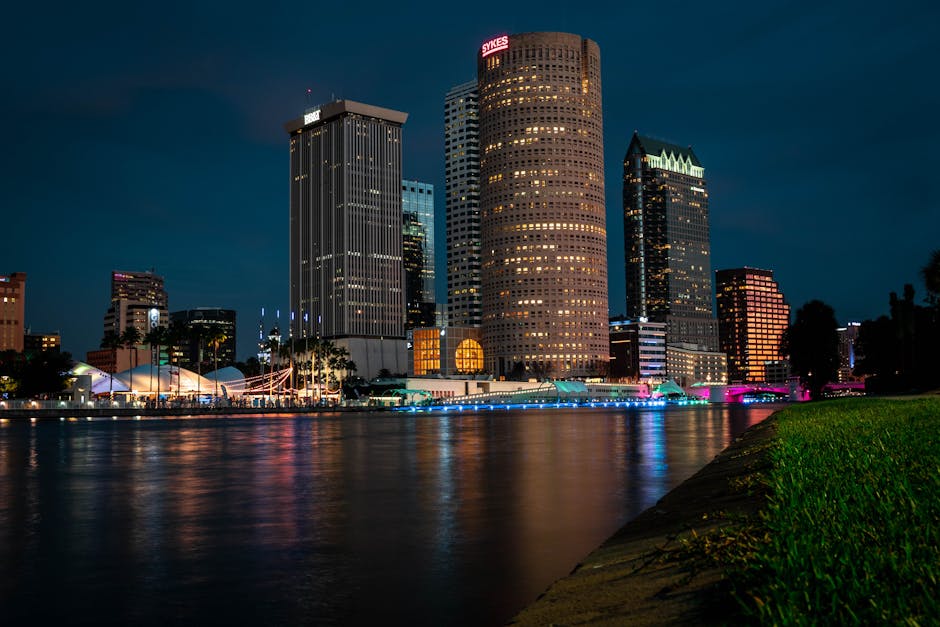
The Structural Shift Toward Waterfront as a Primary Residence
Tampa’s luxury real estate landscape is undergoing a fundamental transformation, moving away from being a secondary market to a primary destination for national wealth. This movement is most evident in the waterfront sector, which has transitioned from a seasonal retreat option to the most coveted asset class for permanent residency. Recent analysis from The National Law Review highlights how the local shoreline has emerged as a primary luxury market, driven by sophisticated infrastructure and the accessibility of the downtown corridor. For buyers, this means that waterfront availability on Davis Islands or along Bayshore Boulevard is no longer just about the view; it is about securing a long-term position in a constrained geography where demand consistently outpaces new supply.
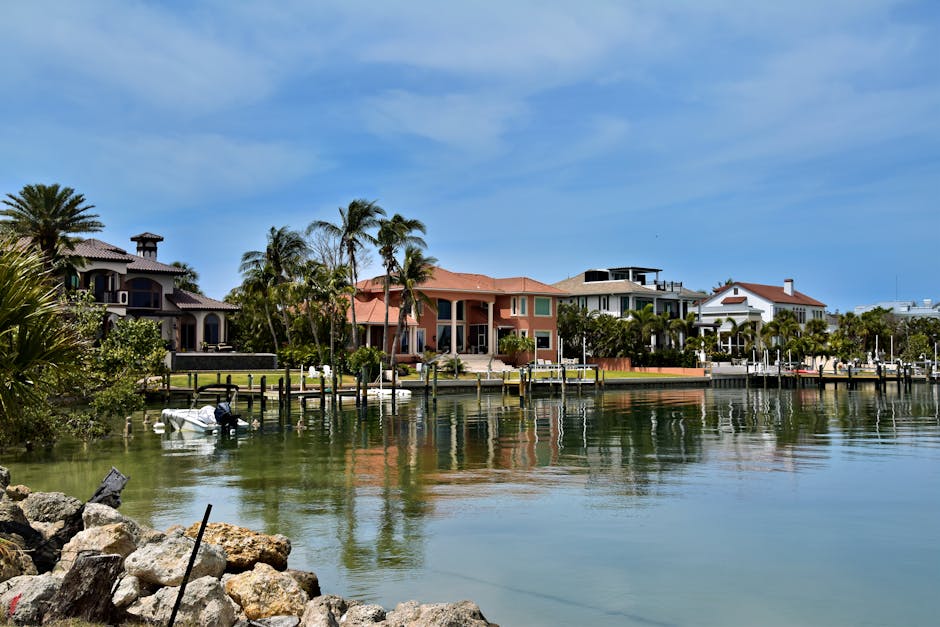
As the market matures, the technical aspects of these properties—such as seawall integrity, elevation levels, and riparian rights—have become as critical as the interior finishes. Savvy advisors now prioritize properties that offer a balance between environmental resiliency and architectural distinction. We are seeing a significant volume of transactions concentrated in areas like Beach Park and Culbreath Isles, where older estates are being systematically replaced by high-end, custom-built residences that meet modern flood and wind standards. This upgrade cycle is reinforcing a new floor for property values, as the cost of land alone in these prime neighborhoods often accounts for more than half of the total acquisition price.
The current inventory reflects this exclusivity, with only 120 active luxury listings available across the metropolitan area. This scarcity is a direct result of increased hold periods by current owners who recognize the limited opportunities for comparable replacement properties. For those evaluating the market today, the focus should be on identifying off-market opportunities or newly completed builds that have already navigated the complex permitting processes associated with coastal construction. The ability to move quickly on a property like those found on Memorial Highway or Gardner Road is essential in an environment where the most desirable assets are frequently secured before they reach the public market.
Navigating the $2.5 Million Market Floor
Understanding the current pricing tiers is essential for any serious buyer entering the Tampa market in 2026. The median list price for luxury properties has stabilized near $2,498,800, reflecting a market that has shed its speculative froth in favor of steady, data-backed appreciation. Unlike previous cycles, the current valuations are supported by a genuine influx of high-net-worth individuals relocating from high-tax states, particularly the Northeast and California. These buyers are not just looking for space; they are looking for value relative to other coastal markets like Miami or Naples, where comparable waterfront properties can trade for double or triple the local rate.
The average list price in our current snapshot sits at $3,269,579, a figure skewed upward by several record-breaking estates on Davis Islands and in the newer high-rise developments. Data from the Tampa Bay Times indicates that the most expensive sales of the previous year set new benchmarks for price per square foot, particularly for properties that integrated wellness-focused amenities and advanced smart-home systems. This high-end activity provides a protective ceiling for properties in the $2.5 million to $4 million range, making them highly attractive from a capital preservation standpoint.
Buyers should also be aware of the regional competitive landscape. While Sarasota and Lakewood Ranch continue to see large-scale developments—including a recent proposal for 300 single-family homes—the core of Tampa remains defined by its scarcity and urban connectivity. The premium for being in South Tampa or near the Water Street district is widening, as residents prioritize walkability and proximity to high-end dining and private social clubs. When comparing a suburban estate in a outlying county to a luxury infill property in the city, the long-term liquidity of the latter remains superior due to the fixed nature of its location and the continuous investment in local infrastructure.
Moving Past Generic Modernism in Local Architecture
A significant trend in 2026 is the rejection of “carbon-copy” luxury. Buyers are increasingly fatigued by the sterile, white-box modernism that dominated the last decade of construction. Instead, there is a growing demand for homes that exhibit architectural character, local context, and artisanal craftsmanship. According to Mansion Global, these specific design touches are what truly win over today’s affluent home buyers. This shift is manifesting in the use of organic materials, such as reclaimed coral stone, warm wood accents, and integrated indoor-outdoor living spaces that respect the Florida climate rather than fighting it.
Architects in the region are now focusing on “biophilic” design, which connects residents more closely to the natural environment. This includes expansive glass walls that frame waterfront vistas without sacrificing energy efficiency, and landscaping that utilizes native Florida species to create private, low-maintenance sanctuaries. In neighborhoods like Hyde Park and Palma Ceia, we are seeing a resurgence of high-end renovations that preserve historical facades while completely reimagining the interiors to include modern requirements like secondary catering kitchens, temperature-controlled wine cellars, and expansive multi-generational suites.
The focus on individuality is also influencing the new construction market. Developers are realizing that the discerning buyer is willing to pay a premium for a home that feels unique and personal. This is evident in the custom details found in the latest listings, where bespoke cabinetry and hand-applied plaster finishes are becoming the new standard. For a buyer, the goal is to find a property that balances these timeless elements with the functional requirements of a 2026 residence, ensuring that the home remains relevant and desirable for decades to come.
South Tampa Connectivity and the Infill Advantage
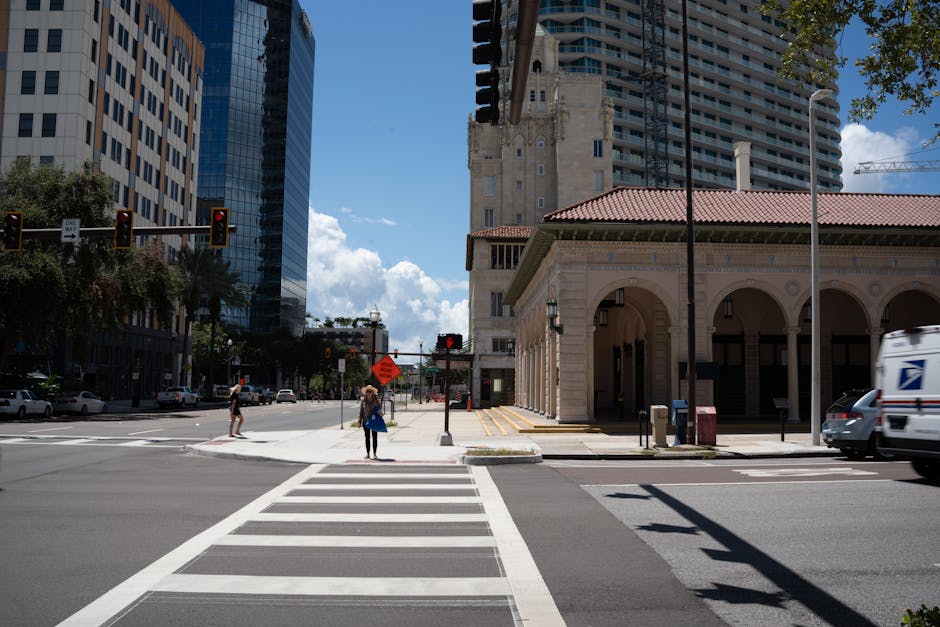
The South End of Tampa has recently seen a surge in high-density luxury options, particularly newly built townhomes that offer a “lock-and-leave” lifestyle without sacrificing the amenities of a single-family home. These properties are particularly attractive to professionals and retirees who want to be within minutes of the Westshore business district and the airport while still being embedded in a quiet, residential neighborhood. The shift toward higher density in these premium areas is a pragmatic response to the limited land availability and the desire for more sustainable, walkable living environments.
Living in the core of South Tampa provides a unique advantage in terms of lifestyle efficiency. Residents can enjoy proximity to the city’s top-rated schools, private clubs, and the expanding culinary scene without the long commutes associated with suburban living. The value proposition here is based on time—the one luxury that cannot be manufactured. By choosing a strategically located infill property, buyers are essentially purchasing hours back in their day, which in turn drives the consistent demand and high resale values seen in these specific pockets of the city.
Furthermore, the ongoing investment in the Riverwalk and the downtown core continues to pull the center of gravity toward the water. This connectivity is a major driver of property appreciation, as the value of a home is increasingly tied to its proximity to these public-private assets. As reported by Florida Trend, the real estate outlook for the region remains robust, underpinned by a diverse economy and a steady stream of capital investment. For those looking to deploy capital in the local market, focusing on these high-connectivity areas is the most prudent path to long-term growth.
The 2026 Acquisition Strategy Checklist
- Verify the age and certification of the seawall and dock for all waterfront properties to avoid immediate capital expenditures.
- Examine the property’s elevation certificate and confirm it meets or exceeds the latest FEMA requirements for long-term insurance stability.
- Analyze the surrounding zoning to ensure that neighboring parcels do not have the potential for redevelopment that could obstruct views or privacy.
- Inquire about the presence of a whole-home generator and the age of the HVAC systems, given the local climate demands.
- Review the history of the builder and architect to ensure the home was constructed with the durability required for a coastal environment.
- Assess the proximity to key transit points and essential services, focusing on areas with proven resiliency during peak seasonal traffic.
Evaluating High-Density Options in the South End
The emergence of luxury townhomes in the South End represents a pivotal shift for buyers who find traditional estate maintenance too burdensome. These residences often feature rooftop terraces, private elevators, and high-end finishes that rival the most expensive single-family homes in the area. The key to evaluating these properties is to look beyond the surface level and investigate the quality of the soundproofing between units and the robustness of the homeowners’ association. A well-managed association is critical for preserving the property’s value and ensuring a seamless living experience for all residents.
From a financial perspective, these townhomes often offer a more accessible entry point into the most desirable neighborhoods while still providing significant appreciation potential. They serve as an excellent hedge against market volatility, as their price points and maintenance structures appeal to a broader segment of the luxury market. In a city where land is at a premium, these vertically integrated homes are the future of urban luxury, providing a sophisticated alternative to the traditional suburban model. Buyers should focus on developments that offer unique architectural profiles and integrated green spaces to ensure they stand out in a competitive market.
Market velocity for these units remains high, particularly for those located within walking distance of the various social and cultural hubs. The ease of ownership associated with these properties makes them particularly attractive for those who split their time between multiple locations. As the local market continues to evolve, we expect to see even more innovation in this sector, with developers incorporating advanced security features and shared amenities that were previously only found in high-rise condominium buildings. This trend is a clear indicator of the changing preferences of the modern luxury buyer, who values flexibility and convenience above all else.
Long-Term Outlook and Neighborhood Resiliency
As we look toward the remainder of 2026 and beyond, the resilience of the Tampa luxury market is grounded in its fundamental strengths: a business-friendly environment, exceptional weather, and a continuously improving quality of life. While broader economic factors will always play a role, the localized demand for high-end housing remains insulated by the consistent influx of wealth and the limited supply of buildable land. Neighborhoods like Beach Park, Davis Islands, and Hyde Park have historically shown the greatest stability during market shifts, making them the safest bets for long-term capital appreciation.
For sellers, the current environment offers an opportunity to leverage the low inventory levels to achieve premium pricing. However, success depends on presenting a property that is truly turnkey and aligns with the current design preferences for authenticity and quality. For buyers, the challenge is to navigate a competitive field where the best properties are often gone before they are widely known. Working with an advisor who has deep roots in the community and access to off-market data is more important now than ever before. This professional guidance ensures that every decision is backed by empirical data and a thorough understanding of the neighborhood-level nuances that drive value.
The market’s move toward a more analytical and data-driven approach is a sign of its increasing maturity. Buyers are no longer making emotional decisions based on surface-level aesthetics; they are conducting thorough due diligence and comparing properties on a technical and structural basis. This shift is healthy for the market as a whole, as it ensures that valuations are supported by tangible assets and high-quality construction. As we move forward, the properties that will continue to lead the market are those that offer a clear and compelling value proposition based on location, quality, and design distinction.
Securing a position in the Tampa luxury market requires a combination of local insight and a strategic approach to acquisition. Whether you are seeking a primary waterfront estate or a sophisticated urban residence, our team provides the analytical brief and market intelligence necessary to make an informed decision. We invite you to browse our curated listings to see the current inventory or contact a senior advisor to discuss your specific requirements and receive a private consultation on current market opportunities.
Your next move in Tampa luxury
Get current inventory, pricing guidance, and private-tour support from our brokerage team.
Source highlights
- Sarasota developer proposes 300 single-family homes in Lakewood Ranch – The Business Journals
- Newly Built Luxury Townhome in Tampa's South End Hits Market – National Today
- Tampa Bay’s most expensive luxury home sales of 2025 – Tampa Bay Times
- Tampa Bay’s Waterfront Emerges as a Primary Luxury Real Estate Market – The National Law Review
- Carbon-Copy Luxury Is Out. These Are the Design Touches Winning Home Buyers Over. – Mansion Global
- Florida Trend Real Estate – Florida Trend
- Things To Do In Tampa This Weekend: Best Festivals & Events Going On – That's So Tampa
- Tampa weekend events: Concerts, festivals and downtown family fun — What to know before you go – FOX 13 Tampa Bay



