


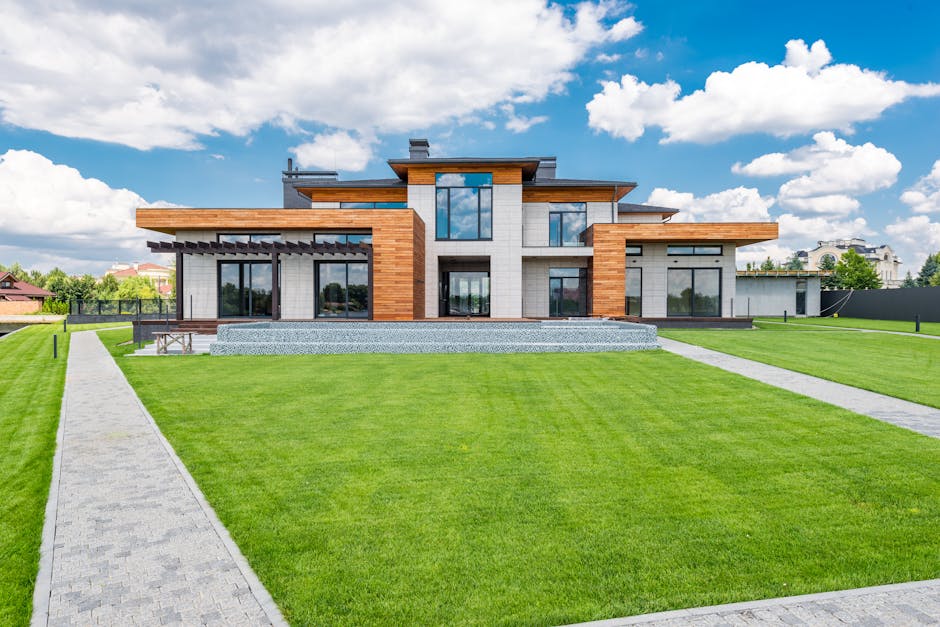
Tampa’s luxury real estate landscape has matured into a sophisticated market that prioritizes stability, architectural integrity, and neighborhood-specific value drivers. Unlike many coastal markets that experienced extreme volatility over the past few years, the Tampa high-end sector has demonstrated a consistent resilience, rooted in the influx of high-net-worth individuals seeking a permanent primary residence. With 120 active luxury listings currently available, the market offers a controlled inventory that supports value retention for current owners while providing a professional selection for incoming buyers.
As a senior advisor in this space, I have observed a significant shift in buyer behavior. The focus has moved away from speculative acquisition toward long-term capital preservation and lifestyle integration. The current median list price of $2,498,800 serves as a reliable baseline for entry into the true luxury tier, while the average list price of $3,269,579 reflects the premium placed on deep-water access and historic preservation. Navigating this environment requires a nuanced understanding of how specific streets, building standards, and local infrastructure developments impact the long-term viability of a real estate investment.
The Resilience of the Tampa Luxury Sector
The strength of the local market is not a historical accident but the result of a deliberate evolution into a primary destination for national wealth. Recent reporting from The Business Journals highlights how Tampa’s luxury market has grown stronger even as national trends showed signs of cooling. This growth is underpinned by a robust local economy and a tax environment that continues to attract business leaders and professionals from traditional financial hubs. The 120 properties currently on the market represent the pinnacle of this growth, offering a range of options from modernist waterfront estates to meticulously restored historic homes.
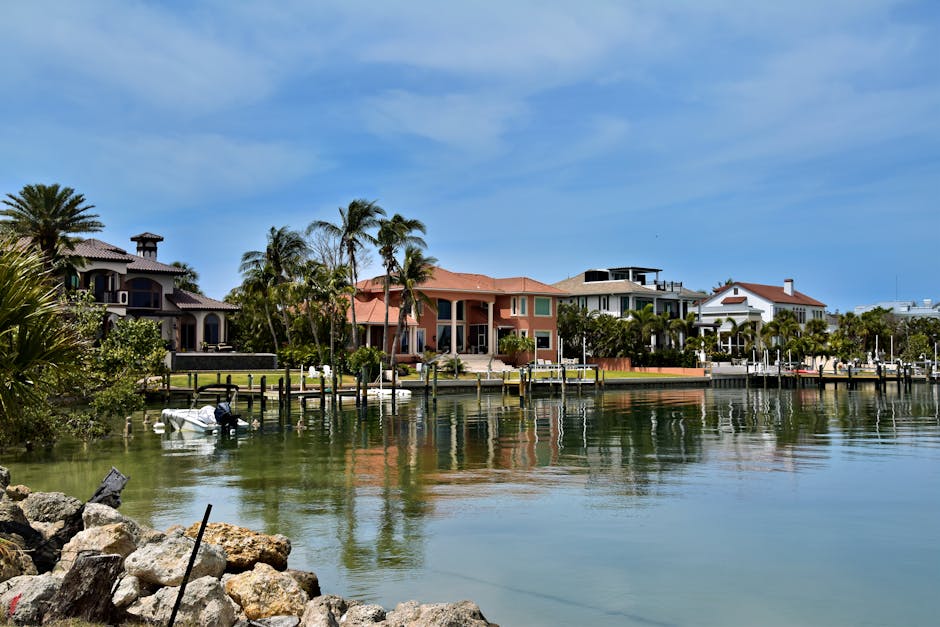
When analyzing these figures, it is essential to look beyond the surface level. The average list price of over $3.2 million is driven largely by the high-value waterfront properties in areas like Davis Islands and Culbreath Isles. These submarkets operate on their own internal logic, where inventory remains tight and demand for deep-water docks continues to outpace supply. For a buyer, this means that while the broader market offers stability, the true waterfront segments remain highly competitive, often requiring a rapid response when a premier lot or renovated estate becomes available.
Furthermore, the current market velocity suggests that buyers are becoming more discerning regarding the quality of finishes and structural upgrades. Properties that have undergone comprehensive mechanical and structural modernizations tend to move faster than those requiring immediate post-acquisition work. This indicates a preference for ‘turn-key’ luxury, where the technical infrastructure of the home—such as high-efficiency climate control and advanced smart-home integration—is already at a contemporary standard. Understanding these baseline expectations is the first step in making a sound decision in the 2026 market.
Geographic Nuance: South Tampa and the Waterfront
Geography remains the most significant determinant of value within the Tampa luxury market. The waterfront has emerged as more than just a scenic asset; it is now a primary market for those seeking a permanent lifestyle change. According to the The National Law Review, Tampa Bay’s waterfront is increasingly recognized for its long-term investment potential. Areas such as Davis Islands, which offer a private airport and proximity to the city’s medical and financial centers, continue to command a premium that reflects their unique logistical advantages.
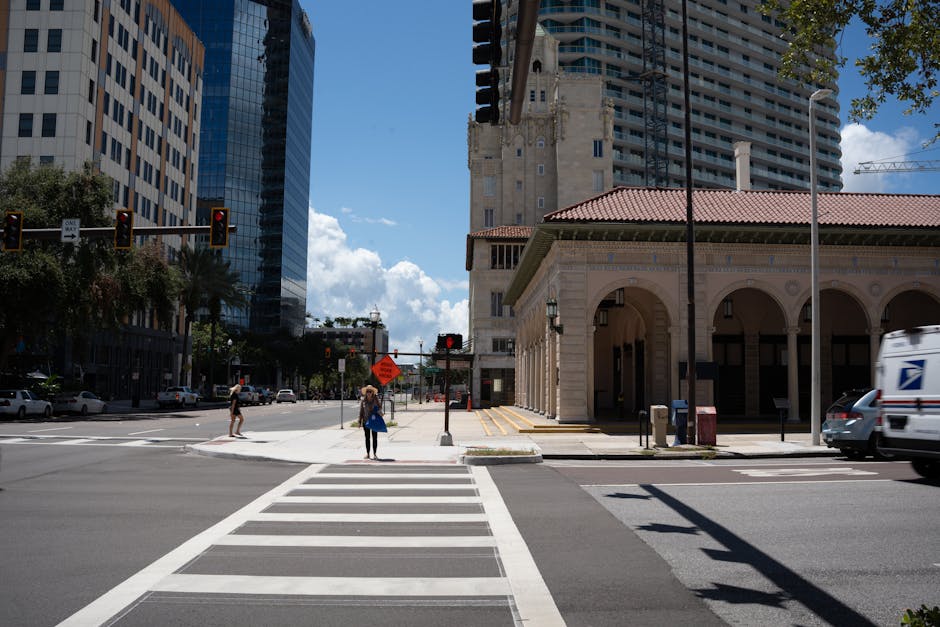
South Tampa, particularly the neighborhoods flanking Bayshore Boulevard, provides a different but equally compelling value proposition. Here, the ‘Bayshore Effect’—the valuation boost provided by proximity to the iconic linear park—remains a dominant force. Buyers in this area often prioritize walkability and the historical character of neighborhoods like Hyde Park and Palma Ceia. The challenge in these submarkets is finding the right balance between the charm of a 1920s bungalow and the demands of a modern luxury lifestyle. This has led to a surge in sophisticated renovations that maintain the facade of the era while completely reimagining the interior functionality.
Beyond the established hubs, we are seeing increased interest in the Westshore area and the emerging ‘South End’ corridor. These areas provide larger lots and more contemporary architectural styles that are often difficult to find in the dense historic districts. The strategic buyer looks at the long-term development pipeline of these neighborhoods, assessing how new infrastructure and high-end retail developments will impact property values over the next decade. Identifying these shifts early is a hallmark of the successful luxury acquisition strategy in Florida.
Emerging Submarkets: The South End and Westshore
As the core luxury neighborhoods reach a point of saturation, the focus has naturally expanded into emerging submarkets that offer a different type of residential experience. A notable example is the rise of newly built luxury townhomes in the South End of the city. As reported by National Today, these high-end additions are catering to a demographic that values low-maintenance living without compromising on the quality of finishes or the prestige of the location. These properties often serve as the perfect bridge for those transitioning from urban condominiums to more spacious residential environments.
The Westshore corridor is also undergoing a significant transformation. Once primarily known for its commercial and retail presence, it is now home to some of the city’s most innovative luxury developments. The draw here is the combination of expansive views of Old Tampa Bay and immediate access to the international airport. For the frequent traveler or the corporate executive, the logistical efficiency of Westshore, combined with the emergence of high-end dining and shopping, makes it a highly viable alternative to the more traditional South Tampa enclaves.
In these emerging areas, we often see a more experimental approach to design. While South Tampa may lean toward Mediterranean or Colonial Revival, the South End and Westshore are where modern and contemporary architecture truly thrive. This diversity in the housing stock is a sign of a healthy, maturing market that can accommodate a variety of aesthetic preferences. For the advisor, the task is to ensure that these newer architectural styles are supported by high-quality construction standards that will stand the test of time and the specific demands of the Florida climate.
Strategic Selection: A Buyer’s Critical Checklist
Acquiring a high-end property in Tampa is a complex process that extends far beyond the initial tour. A strategic buyer must conduct a rigorous assessment of both the visible and invisible aspects of the property to ensure that the investment is sound. This involves a deep dive into the technical specifications of the home, as well as an analysis of the surrounding neighborhood’s trajectory. In a market where the median list price is $2,498,800, the margin for error is slim, and the importance of professional due diligence cannot be overstated.
The following checklist represents the essential considerations for any luxury acquisition in the current environment. These points are designed to help you look past the staging and the aesthetic appeal to identify the true quality and resilience of the asset you are considering. In my experience, the homes that perform the best in the long term are those that satisfy every one of these criteria without compromise.
- Verification of structural integrity and modern coastal construction standards.
- Comprehensive assessment of current flood zone status and long-term insurance projections.
- Analysis of the neighborhood development pipeline and potential impacts on privacy or views.
- Evaluation of integrated smart-home infrastructure and whole-home automation capabilities.
- Review of energy-efficient systems, including HVAC performance and high-impact window ratings.
- Security infrastructure assessment, including private access points and perimeter monitoring.
Beyond these technical points, the buyer must also consider the lifestyle fit. How does the home function for entertaining? Is the outdoor living space truly an extension of the interior, or is it an afterthought? In Tampa, where the climate allows for year-round outdoor utility, the functionality of the pool, lanai, and outdoor kitchen is just as important as the primary suite. A home that manages this transition seamlessly will always hold a higher market value than one that feels disjointed.
Architectural Integrity: Beyond the Carbon-Copy
The era of ‘carbon-copy’ luxury—where large homes were built with generic, opulent finishes—is rapidly coming to an end. Today’s discerning buyers are looking for design touches that offer a sense of place and personal identity. As noted by Mansion Global, the design elements that are currently winning over home buyers focus on authenticity and high-quality materials rather than sheer scale. This shift toward human-centric design is particularly evident in the new builds and comprehensive renovations occurring throughout Hyde Park and the historic districts.
This means prioritizing natural materials like stone, wood, and metal, used in ways that highlight their inherent beauty rather than masking it. We are seeing a move away from the heavy, dark Mediterranean styles of the early 2000s toward a more refined, ‘coastal modern’ aesthetic that emphasizes light, air, and a connection to the environment. Large-scale glass installations that blur the line between indoor and outdoor spaces have become a requirement for high-end waterfront estates, allowing the natural beauty of the bay to become a central design feature of the home.
Furthermore, the integration of technology must be invisible. The 2026 luxury buyer expects a home that is fully automated—from lighting and climate control to advanced security and media systems—but they do not want to see the hardware. The most successful designs incorporate these features into the architectural fabric of the building, using ‘stealth’ technology that responds intuitively to the occupants. This level of sophistication is what distinguishes a truly premium property from a generic high-end build, and it is a critical factor in the valuation of modern estates.
Assessing Infrastructure and Asset Protection
Investing in Florida real estate requires a clear-eyed assessment of the infrastructure and the legislative environment. Staying informed through sources like Florida Trend is essential for understanding the evolving standards for coastal construction. In Tampa, this means paying close attention to the elevation of the property and the quality of the seawall for waterfront homes. These are not merely maintenance issues; they are fundamental to the long-term value and insurability of the asset.
Modern luxury homes in the region are increasingly being built to standards that far exceed the minimum code requirements. This includes reinforced concrete construction, high-impact windows rated for significant wind loads, and elevated living areas that provide peace of mind in a coastal environment. When viewing luxury homes for sale, it is vital to ask for the specific engineering and elevation certificates. A property that has been built or retrofitted to these higher standards will hold its value much better than an older structure that has not been modernized.
Additionally, the transition toward sustainability is becoming a key value driver. We are seeing more high-end homes incorporating solar power, whole-home battery backup systems, and high-speed EV charging stations as standard features. This reflects a broader trend of buyers wanting their homes to be as self-sufficient and resilient as possible. In an era where energy costs and climate considerations are top of mind, these infrastructure choices are becoming just as important as the choice of kitchen cabinetry or flooring materials.
The Cultural Context of High-End Living
A luxury home is more than just a physical structure; it is an entry point into a specific lifestyle and community. Tampa’s cultural landscape has expanded significantly, offering a level of sophistication that matches its real estate market. From world-class dining and high-end retail to a thriving arts and festival scene, the city provides a rich backdrop for affluent living. Monitoring platforms like That’s So Tampa for local events provides a glimpse into the active, community-oriented lifestyle that attracts families and professionals to the region.
Whether it is the historic charm of the Gasparilla season or the modern elegance of the events hosted at the Straz Center, the cultural depth of the city is a significant part of the attraction. For many buyers, the proximity to these events is a key factor in their neighborhood selection. Hyde Park residents value the ability to walk to high-end boutiques and cafes, while Davis Islands residents appreciate the quiet, village-like atmosphere that remains just minutes from the energy of the downtown core. This balance of privacy and accessibility is a defining characteristic of the Tampa luxury experience.
As we look toward the remainder of 2026, the Tampa market appears well-positioned for continued success. The combination of a strong economic foundation, a high quality of life, and a diverse range of luxury housing options makes it one of the most compelling markets in the Southeast. For the strategic buyer, the opportunities are significant, provided they are approached with the right data and professional guidance. Understanding the nuances of each neighborhood and the technical requirements of modern Florida living is the key to a successful and rewarding acquisition.
Navigating these complexities requires a dedicated advisor who understands both the data and the nuance of the local streets. Whether you are assessing the valuation of a historic South Tampa estate or looking for a modern waterfront residence, our team provides the strategic guidance necessary for a successful acquisition. We invite you to view our current luxury homes for sale and contact our office today to discuss your specific objectives in the Tampa market. Our focus is on providing the analytical insight and local expertise required to help you make an informed decision for your next real estate investment.
Your next move in Tampa luxury
Get current inventory, pricing guidance, and private-tour support from our brokerage team.
Source highlights
- Tampa Bay’s most expensive luxury home sales of 2025 – Tampa Bay Times
- Tampa Bay luxury market grows stronger despite national declines – The Business Journals
- Newly Built Luxury Townhome in Tampa's South End Hits Market – National Today
- Tampa Bay’s Waterfront Emerges as a Primary Luxury Real Estate Market – The National Law Review
- Florida Trend Real Estate – Florida Trend
- Carbon-Copy Luxury Is Out. These Are the Design Touches Winning Home Buyers Over. – Mansion Global
- Things To Do In Tampa This Weekend: Best Festivals & Events Going On – That's So Tampa
- Tampa weekend events: Concerts, festivals and downtown family fun — What to know before you go – FOX 13 Tampa Bay



