


Market Resilience Amid Shifting National Dynamics
As of April 2026, the Tampa luxury real estate sector continues to demonstrate a unique decoupling from national trends. While many Tier-1 markets have faced pricing corrections, the Tampa Bay luxury market grows stronger despite national declines, supported by a sophisticated buyer pool that prioritizes fiscal stability and long-term asset appreciation. The current inventory of approximately 120 active luxury listings reveals a median list price of $2,498,800, creating a robust baseline for high-end transactions in neighborhoods such as Davis Islands and Beach Park.
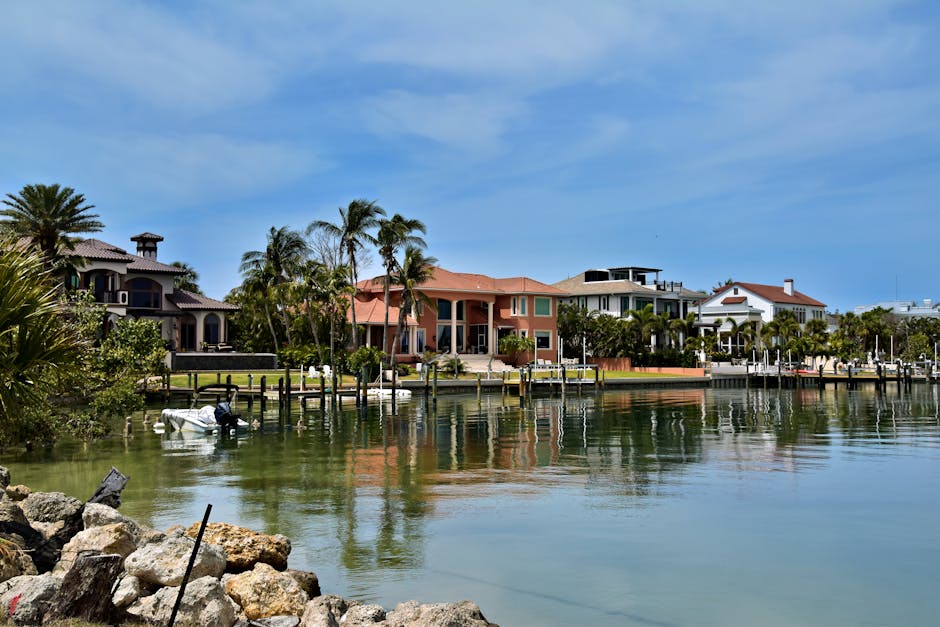
Strategic buyers are increasingly focusing on the scarcity of premium lots, particularly in established corridors. The average list price of $3,269,579 suggests that while the median remains accessible for many executive transplants, the upper echelon of the market—properties exceeding $5M—remains a highly competitive arena. This competition is driven not by speculative fervor, but by a fundamental shift in how affluent households view the West Coast of Florida as a permanent base rather than a seasonal escape. The data suggests that the ‘Florida premium’ is now a permanent fixture of the valuation model.
Sophisticated investors should note that the current market velocity is dictated by quality rather than quantity. Properties like those recently listed on Troutwater Lane or Gardner Road represent a specific niche of privacy and square footage that is becoming harder to replicate. We are observing a significant trend where buyers are willing to pay a premium for move-in-ready assets to avoid the escalating costs and extended timelines associated with custom construction in the current labor market. This shift has placed a heightened value on late-model builds that have already navigated the permitting complexities of the City of Tampa.
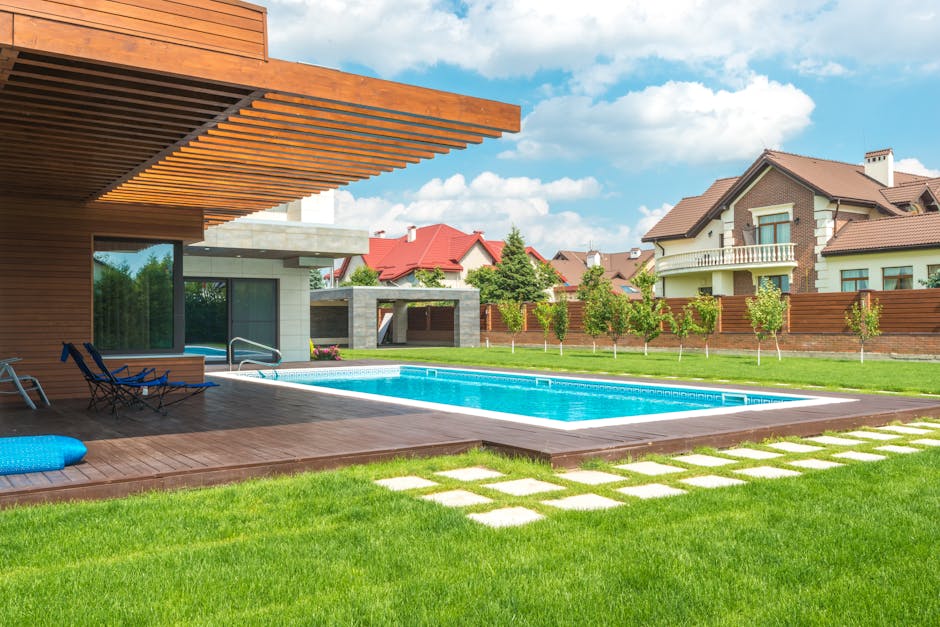
The Evolution of Waterfront as a Primary Residence
The definition of luxury in Tampa has undergone a structural transformation over the past twenty-four months. Historically viewed as a secondary or vacation market, Tampa Bay’s waterfront emerges as a primary luxury real estate market, attracting families and professionals who require the infrastructure of a metropolitan hub alongside the benefits of coastal living. This movement is most visible along the Bayshore Boulevard corridor, where the proximity to downtown Tampa’s commercial district and the health-focused amenities of the ‘world’s longest continuous sidewalk’ have created a self-sustaining ecosystem of high-value residential assets.
Buyer behavior has pivoted toward ‘functional waterfront.’ It is no longer enough for a property to offer a view; it must provide deep-water access for larger vessels and resilient seawall infrastructure. This transition is evident in the recent record-breaking transactions across the region, where the most expensive home sales of 2025 set new benchmarks for price-per-square-foot. High-net-worth individuals are scrutinizing the technical specifications of waterfront properties with the same rigor as a commercial acquisition, focusing on riparian rights, dredging schedules, and the long-term viability of coastal defenses.
Furthermore, the development of the South Tampa end-cap has seen a surge in interest. New construction townhomes and single-family estates in areas south of Gandy are capturing a demographic that seeks the prestige of the traditional luxury districts but with a more contemporary, urban-integrated feel. These buyers are often younger, tech-adjacent professionals who value proximity to the Westshore business district and Tampa International Airport, viewing their residence as a central hub for both their professional and private lives.
Strategic Asset Verification for the 2026 Buyer
Navigating a market with a $2.5M median entry point requires a disciplined approach to due diligence. The complexity of the 2026 real estate landscape in Florida means that traditional site visits are only the beginning of the evaluation process. Buyers must look past the aesthetic finishings—which are often standardized in high-end developments—and investigate the underlying structural and legal health of the asset. This is particularly critical in historical districts like Palma Ceia and Hyde Park, where preservation standards can impact future renovation plans.
- Verification of FEMA elevation certificates and updated 2026 flood zone impact assessments for insurance forecasting.
- Audit of smart-home integration systems and dedicated high-speed fiber-optic connectivity for remote executive operations.
- Assessment of HVAC redundancy and off-grid power capabilities, including solar-battery integration for coastal resilience.
- Review of riparian rights and dock permitting status for all deep-water canal and bayfront properties.
- Evaluation of historical designation restrictions in South Tampa neighborhoods to determine expansion viability.
- Analysis of recent comparable sales within a 0.5-mile radius to identify localized price ceilings in evolving blocks.
Effective decision-making in this segment relies on identifying value beyond the list price. For instance, a property on Memorial Highway may offer significant land value and privacy that offsets a higher initial acquisition cost when compared to a denser development on Davis Islands. Understanding the nuances of neighborhood-specific movement is the difference between a sound investment and a lifestyle liability. Advisors are now playing a larger role in coordinating with engineers and insurance specialists before a contract is even drafted.
Architectural Differentiation and Bespoke Design Requirements
The era of the ‘spec-mansion’ with generic finishes is rapidly closing. According to recent market analysis, carbon-copy luxury is out, replaced by a demand for design touches that reflect individual character and authentic craftsmanship. Tampa buyers are increasingly seeking out properties that utilize organic materials, custom-milled woodwork, and indoor-outdoor transitions that take full advantage of the region’s subtropical climate. The prevailing ‘modern farmhouse’ aesthetic is giving way to ‘Soft Modern’ and ‘Tropical Contemporary’ styles that feel more integrated into the Florida landscape.
This shift toward bespoke design is not merely an aesthetic preference; it is a defensive strategy for future resale. Homes that feature unique architectural elements and high-quality finishes tend to retain value better than those following transient trends. In the luxury segment, buyers are looking for ‘legacy homes’—properties designed to be held for decades rather than flipped. This has led to a rise in custom cabinetry, integrated wellness suites, and professional-grade culinary spaces that serve as the focal point for home-based entertaining.
We are also seeing a resurgence in interest for homes that honor Tampa’s Mediterranean Revival and Craftsman heritage. In neighborhoods like Old Hyde Park, the premium for a meticulously restored historic estate often rivals or exceeds that of new construction. This appreciation for history, combined with modern internal systems, creates a hybrid product that satisfies both the desire for character and the need for 21st-century efficiency. For the affluent buyer, the goal is to find a residence that feels grounded in the community while providing a private sanctuary from the urban hustle.
Inventory Velocity and the South Tampa New Construction Wave
Despite the high price points, the velocity of the market remains steady. New developments, particularly in the southern reaches of the city, are meeting a critical need for modern density. For example, a newly built luxury townhome in Tampa’s South End recently hit the market, signaling a continued appetite for high-end residential options that offer a lower maintenance profile than a sprawling waterfront estate. These properties often feature rooftop terraces, elevator access, and high-end security features, catering to a ‘lock-and-leave’ lifestyle that appeals to seasonal residents and frequent travelers.
The concentration of these new builds is creating a fresh energy in the local real estate landscape. As more residents move into these pockets, we are seeing a corresponding rise in boutique retail and fine dining options, further increasing the desirability of the surrounding streets. For a buyer, this means that an investment in a new-build townhome or smaller estate is also an investment in the burgeoning infrastructure of the neighborhood. Identifying these ‘growth nodes’ before they reach full maturity is a key strategy for capital preservation in 2026.
Inventory management is currently the primary challenge for active buyers. With only 120 properties in the luxury pool, the window for negotiation is narrow, particularly for properties that check all the primary boxes of location, condition, and price. Many of the most desirable assets never reach the public MLS, trading instead through private channels and off-market networks. This reality underscores the importance of maintaining a direct connection to the market’s inner workings to ensure access to the full spectrum of available inventory.
Lifestyle Integration and High-Value Community Events
The appeal of Tampa luxury real estate is inextricably linked to the region’s cultural and social calendar. The spring season in Tampa is marked by a series of high-profile events that draw an international audience, from elite equestrian competitions to major arts festivals. Staying informed through resources like That’s So Tampa allows residents to integrate seamlessly into the local social fabric. Whether it is a weekend festival in Curtis Hixon Park or a private gallery opening in Westshore, the lifestyle in Tampa is active, engaged, and sophisticated.
Furthermore, the growth of the downtown core and the Water Street district has provided luxury residents with a level of urban amenity that was previously unavailable in the region. This proximity to high-end hospitality, Michelin-recognized dining, and professional sports venues has created a ’15-minute city’ dynamic for those living in the South Tampa and Davis Islands areas. The ability to transition from a private waterfront dock to a world-class performance at the Straz Center within minutes is a core component of the value proposition for the modern Tampa buyer.
For those considering a move or an additional acquisition in the market, the current climate offers a compelling balance of stability and growth. The weather on April 16, 2026, with clear skies and high temperatures around 86 degrees Fahrenheit, serves as a perfect backdrop for property tours and neighborhood exploration. The synergy between a robust economy, a favorable tax environment, and an exceptional quality of life continues to position Tampa as a premier destination for luxury real estate on the global stage.
Success in the Tampa luxury market requires more than a casual search; it demands a strategic partner who understands the nuances of neighborhood-level data and private inventory access. Whether you are seeking a historic estate in Hyde Park or a contemporary waterfront masterpiece on Davis Islands, the current market offers exceptional opportunities for the informed buyer. To begin your search or receive a confidential briefing on current off-market opportunities, we invite you to browse our curated LISTINGS URL and CONTACT URL an advisor to discuss your specific requirements.
Your next move in Tampa luxury
Get current inventory, pricing guidance, and private-tour support from our brokerage team.
Source highlights
- Tampa Bay’s most expensive luxury home sales of 2025 – Tampa Bay Times
- Tampa Bay luxury market grows stronger despite national declines – The Business Journals
- Newly Built Luxury Townhome in Tampa's South End Hits Market – National Today
- Tampa Bay’s Waterfront Emerges as a Primary Luxury Real Estate Market – The National Law Review
- Florida Trend Real Estate – Florida Trend
- Carbon-Copy Luxury Is Out. These Are the Design Touches Winning Home Buyers Over. – Mansion Global
- Things To Do In Tampa This Weekend: Best Festivals & Events Going On – That's So Tampa
- Tampa weekend events: Concerts, festivals and downtown family fun — What to know before you go – FOX 13 Tampa Bay



